Rats are not just annoying. They chew wiring, contaminate food, dig under slabs, and turn compost piles and sheds into nesting sites. The good news is you can get rid of them without guessing, as long as you follow the right order: confirm activity, remove what is attracting them, block access, then trap hard for a short window.
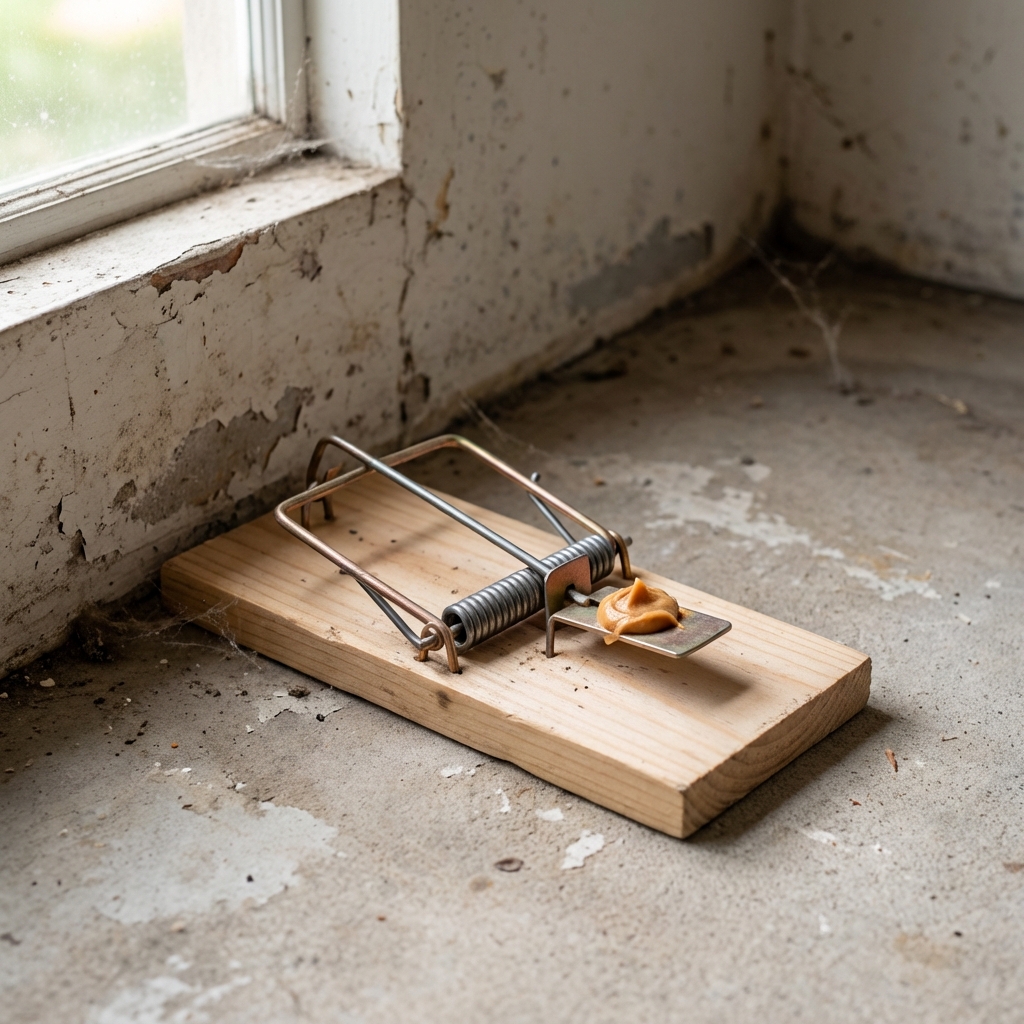
This guide walks you through what actually works in typical backyards, garages, and gardens, including what to do if you have pets, chickens, compost, or fruit trees.
First, confirm it is rats (not mice)
Control is easier when you know what you are dealing with. Mice and rats respond to different trap sizes and placement.
- Droppings: Rat droppings are larger than mouse droppings and vary by species. Many are about 1/2 to 3/4 inch long. Roof rat droppings tend to be closer to 1/2 inch and more pointed, while Norway rat droppings are often closer to 3/4 inch and more capsule-shaped. Mouse droppings look like dark rice grains.
- Gnaw marks: Rats leave wider tooth marks and can chew wood, plastic, and even softer metals around edges.
- Runs and rub marks: Rats travel the same paths, hugging walls and fences. You may see greasy smudges along baseboards or on pipes.
- Noises: Heavy scurrying in walls, ceilings, or under decks at night often points to rats.
Quick backyard check: Sprinkle a thin line of flour or talc along suspected travel routes near walls or under a shed door. Check for tracks the next morning. It helps you place traps where rats already feel safe walking.
Helpful clue: roof rat vs. Norway rat
- Roof rats: More likely to nest above ground. Think attics, rafters, dense vines, and trees. Focus on roofline entry points and overhead travel routes.
- Norway rats: More likely to burrow. Think under slabs, decks, sheds, and along foundations. Focus on burrows, ground-level gaps, and dense cover near the house.
Stop feeding them (this is the make-or-break step)
If food stays available, trapping becomes a slow grind. Spend one focused hour removing the easy meals.
Common rat food sources around homes and gardens
- Pet food: Bowls left out overnight, bags stored in garages, spilled kibble under shelves.
- Bird seed: Seed under feeders is a rat buffet. Use a tray, feed only during the day, or pause feeding during an infestation.
- Compost: Kitchen scraps, bread, pasta, and greasy foods attract rats. Keep compost in a lidded bin with a rodent-resistant base.
- Fruit and nuts: Fallen citrus, figs, apples, walnuts, and acorns should be picked up daily during peak drop.
- Trash and recycling: Overfilled cans, loose lids, and sticky bottles draw rodents fast.
- Chicken feed: Spilled feed and open storage near coops is one of the biggest rat magnets.
What to do today
- Store all feed and seed in rodent-resistant containers with tight lids. Metal cans are ideal.
- Bring pet bowls in at night and clean up spills immediately.
- Pick up fallen fruit daily and thin dense groundcover right around trunks.
- Use trash cans with intact lids and rinse recyclables.
Think of it like this: you are not trying to starve the rats forever. You are trying to remove the easy options so your traps are the best deal in the yard.
Remove shelter and nesting spots
Rats love hidden, undisturbed places. If your yard has lots of cover, rats can live close to the house without being seen.
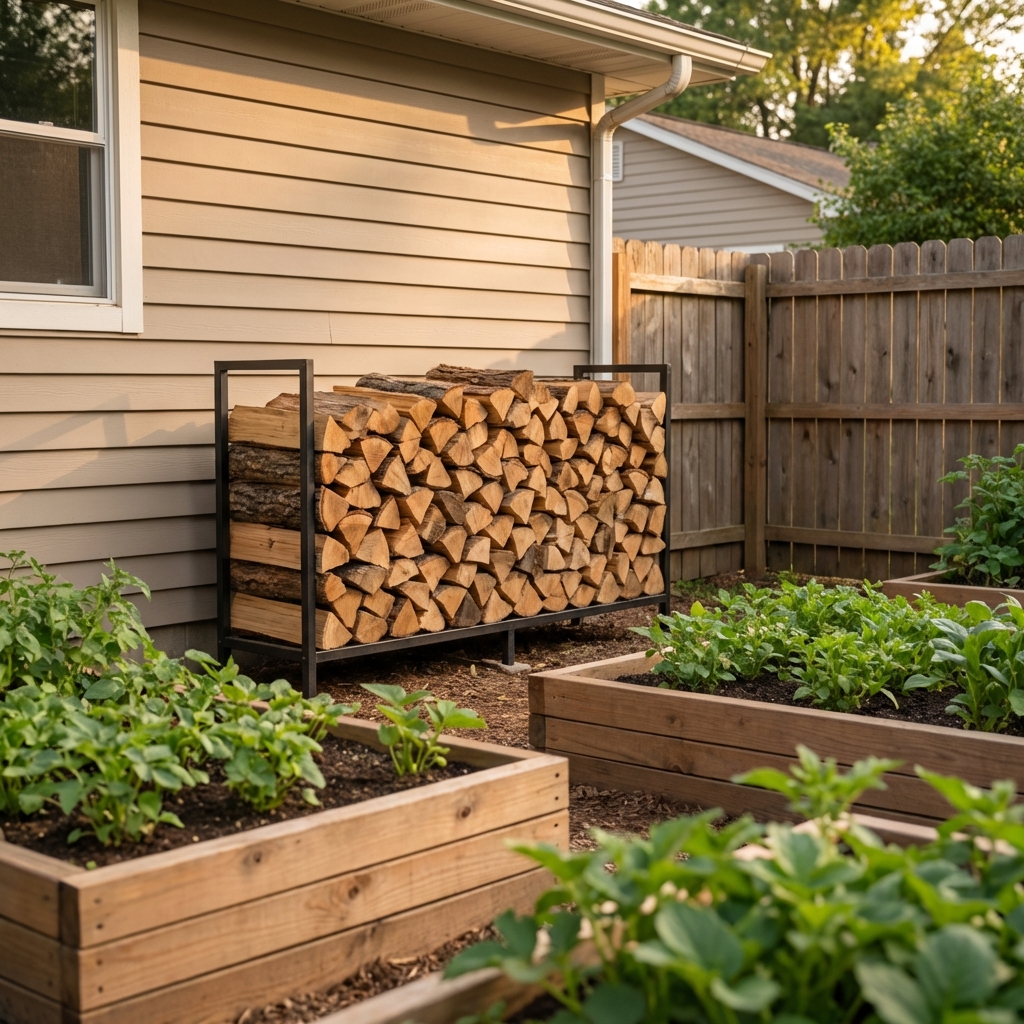
- Woodpiles: Stack on a rack at least 12 inches off the ground and a few feet away from buildings.
- Clutter: Clear storage piles in garages and sheds, especially cardboard and fabric.
- Dense plants: Trim ivy, tall grass, and shrub branches away from foundations.
- Burrows: Look for holes near slabs, under steps, along fences, and at shed edges.
If you find an active burrow, do not just fill it and walk away. Rats will reopen it. The better approach is to trap first, then close it after activity drops.
Seal entry points (exclusion) so new rats cannot move in
Exclusion is what keeps a short-term win from turning into a recurring problem. Rats can fit through openings as small as about 1/2 inch (mice can fit through about 1/4 inch), and they are strong chewers.
What to look for
- Gaps under garage doors and shed doors
- Holes around pipes and AC lines
- Broken vents and crawlspace screens
- Gaps where siding meets the foundation
- Openings in soffits or roof returns
Materials that hold up
- Hardware cloth: 1/4 inch galvanized mesh is a good minimum for rats on vents and openings. If you might have mice too, go smaller (often 1/8 inch).
- Copper mesh or stainless steel wool plus sealant: Pack small gaps with copper mesh or stainless steel wool, then seal with an exterior-grade sealant. Standard steel wool rusts quickly outdoors and fails.
- Metal flashing: For edges that get gnawed.
- Door sweeps: Heavy-duty sweeps for garage and exterior doors.
Important: Expanding foam alone is not a rodent-proof fix. Rats can chew through it. Use metal (mesh, flashing, or a gnaw-proof packing material) plus sealant.
Tip: If you suspect rats are currently living inside a wall or crawlspace, focus on trapping first. Sealing everything shut while rats are still inside can lead to odor problems and frantic chewing in new places.
Trapping is usually the fastest way to get rid of rats
For most homeowners, trapping is the most effective and controllable method. Poisons can work, but they come with real risks, especially around kids, pets, and wildlife.
Best trap types
- Snap traps (rat size): Fast and effective when placed correctly.
- Enclosed bait stations with snap traps inside: Great if you have pets or children, and also good outdoors.
- Live traps: Not my first choice. They require frequent checks and safe, legal handling. Release rules vary by location, and relocating rats is often illegal.
- Glue boards: Avoid. They are inhumane and often illegal in some areas.
Where to place traps (placement beats bait)
Rats typically run tight to edges, not across open space. Place traps:
- Along walls in garages, basements, sheds
- Behind appliances or storage shelves
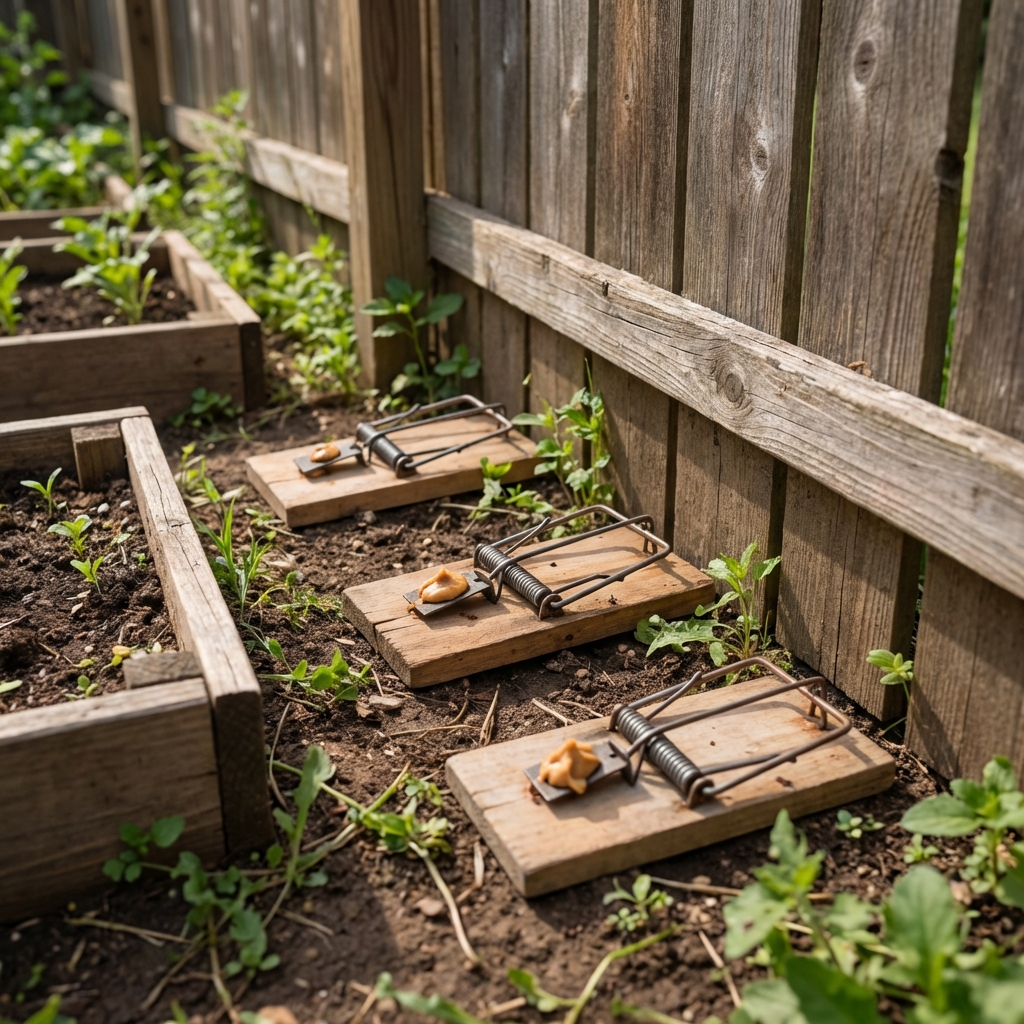
- Along fence lines and the outside edges of garden beds
- Near burrow openings, but not directly inside the hole
How to aim the trap: Place the trigger end toward the wall so the rat hits it as it travels the edge.
Make it more effective: In heavy-traffic spots, set traps in pairs a few inches apart, triggers facing out. Rats often investigate with their head and shoulders first, and pairing increases the odds of a clean catch.
What to bait with
- Peanut butter: Stays put and works well.
- Small piece of dried fruit: Useful when rats are keyed in on fruit trees.
- Bits of hot dog or bacon: Effective, but can attract ants or other animals outdoors.
Use a small amount. If they can lick bait without firing the trap, you are just feeding them.
How many traps do you need?
Most people under-trap. For an active problem, plan on multiple traps per area. In a typical garage or shed, 4 to 8 rat snap traps is not excessive. You are trying to create a short, intense trapping period rather than a slow one-trap-per-week approach.
Simple spacing rule: Start with traps every 5 to 10 feet along an active wall or fence run, then tighten up where you see droppings, rub marks, or tracks.
Trap shyness and missed catches
- Pre-baiting: Set the bait for 1 night with the trap unset, then set it the next day. This can help if rats are cautious.
- Secure the trap: Tie traps to a fixed point in outdoor areas so a caught rat cannot drag it off.
- Wear gloves: Not because rats smell “human” and avoid it every time, but because it keeps your scent down and it is simply cleaner and safer.
Safety note: If you have pets or small children, prioritize enclosed stations, place traps where they cannot access them, and check traps at least daily.
What to do with a caught rat
- Wear gloves. Avoid direct contact.
- Spray the rat and trap with disinfectant and let it sit for the product contact time.
- Place the rat in a plastic bag, seal it, then double-bag.
- Dispose according to local rules (sealed trash is common in many areas).
- Clean and reset the trap, or replace it if it is heavily soiled.
What about rat poison?
Rodenticides can kill rats, but they can also harm pets and wildlife through direct exposure or secondary poisoning. The level of secondary poisoning risk depends on the product and active ingredient, and is often a bigger concern with some second-generation anticoagulants. They can also lead to rats dying inside walls, which creates odor and insect issues.
If you decide to use poison, do it the safest way possible:
- Use only tamper-resistant bait stations designed for rats.
- Anchor stations so they cannot be moved.
- Never place loose bait blocks where pets, kids, or wildlife can access them.
- Follow the label exactly. The label is the law for pesticides.
For many home growers, a strong trap-and-seal plan works well without poison, especially when you remove food sources.
Outdoor hot spots: compost, chicken coops, and fruit trees
Compost
- Use a lidded bin and keep it closed.
- Avoid meat, dairy, oils, and cooked grains during an active rat issue.
- Bury fresh scraps in the center and cover with browns like dry leaves.
Chicken coops
- Feed only what birds finish quickly and remove leftovers before dusk.
- Store feed in rodent-resistant containers with tight lids. Metal is best.
- Clean up spilled feed daily.
- Consider an enclosed bait station outside the coop perimeter if rats persist and it is safe and legal where you live.
Fruit trees
- Pick up fallen fruit every day during peak season.
- Thin low branches that create a hidden tunnel near the ground.
- Keep weeds and groundcover trimmed around the base.
How long does it take to get rid of rats?
With good sanitation and enough traps in the right places, you often see a big drop in activity within about a week. Heavy infestations, easy food nearby, or constant neighborhood pressure can extend the timeline.
If you are still seeing fresh droppings after 10 to 14 days, one of these is usually happening:
- There is still an easy food source you missed.
- Traps are not on the rats’ travel routes.
- New rats are entering through an unsealed gap.
- You have a burrow system under a slab, deck, or dense plant area that needs focused trapping and habitat cleanup.
Safe cleanup: droppings, nests, and contaminated areas
Rat droppings and urine can carry disease. Take cleanup seriously. One major concern is Hantavirus, which is a key reason public health guidance emphasizes wet cleaning instead of sweeping or vacuuming.
- Ventilate enclosed areas first when possible (open doors and windows for a bit before you start).
- Wear gloves and a mask, especially in enclosed areas.
- Do not sweep or vacuum dry droppings. This can stir contaminated particles into the air.
- Spray droppings with a disinfectant or a bleach solution (follow product directions), let it sit, then wipe up with paper towels.
- Bag waste and dispose of it in a sealed trash bag.
- Wash hands thoroughly when finished.
Prevention checklist to keep rats from coming back
Once you are clear, prevention is mostly about removing invitations.
- Keep bird feeding minimal or paused if it restarts the problem.
- Store pet food and chicken feed in rodent-resistant containers.
- Pick up fallen fruit regularly.
- Trim plants and keep a clear band near the foundation.
- Inspect exterior walls, vents, and door gaps twice a year.
- Keep compost contained and managed.
When to call a pro
If you have rats in walls or attic spaces, repeated activity despite strong trapping, or you cannot safely access likely entry points, it is time to bring in a licensed pest professional. A good pro will focus on exclusion, then trapping, and will clearly explain where rats are getting in and why.
Quick action plan (do this in order)
- Tonight: Remove pet food, secure trash, pick up fallen fruit, pause bird seed.
- Tomorrow: Identify runs and place multiple rat snap traps along walls and edges.
- Within 48 hours: Reduce cover and clutter near the house and shed.
- After activity drops: Seal gaps with hardware cloth, flashing, and door sweeps.
- Ongoing: Keep food sources locked down and do a seasonal perimeter check.

Jose Brito
I’m Jose Britto, the writer behind The Country Store Farm Website. I share practical, down-to-earth gardening advice for home growers—whether you’re starting your first raised bed, troubleshooting pests, improving soil, or figuring out what to plant next. My focus is simple: clear tips you can actually use, realistic expectations, and methods that work in real backyards (not just in perfect conditions). If you like straightforward guidance and learning as you go, you’re in the right place.