Hydrangeas have a reputation for being fussy, but most problems come down to a few basics: too much hot sun, inconsistent watering, pruning at the wrong time, or soil that is either staying soggy or drying out fast. Nail those, and hydrangeas are surprisingly dependable.
This guide walks you through the care routine that works for real yards: what to do in spring, what to watch in summer, how to prune without losing blooms, and how to help your plants through winter.
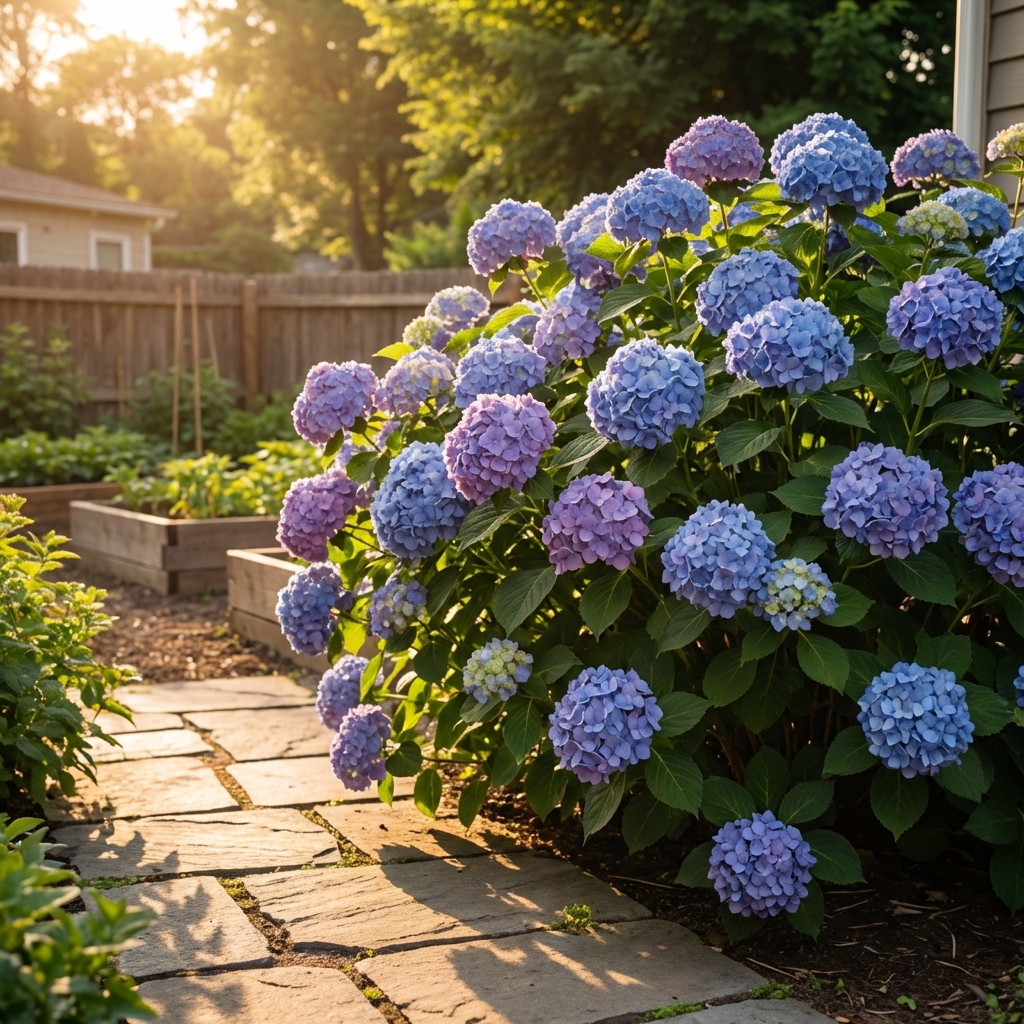
Know what kind of hydrangea you have
Care is similar across the board, but pruning and bloom behavior depend on the type. If you only take one thing from this page, let it be this: pruning at the wrong time is one of the top reasons people get no flowers, right up there with winter bud damage in colder climates.
- Bigleaf hydrangea (Hydrangea macrophylla): round mopheads or flat lacecaps, often blue or pink. Many bloom on old wood, some newer varieties rebloom.
- Mountain hydrangea (Hydrangea serrata): similar to bigleaf, often a bit tougher and finer-textured. Many bloom on old wood.
- Panicle hydrangea (Hydrangea paniculata): cone-shaped blooms, very sun-tolerant. Blooms on new wood.
- Smooth hydrangea (Hydrangea arborescens): big white blooms like ‘Annabelle’. Blooms on new wood.
- Oakleaf hydrangea (Hydrangea quercifolia): oak-shaped leaves, great fall color. Blooms on old wood.
- Climbing hydrangea (Hydrangea anomala petiolaris): a woody vine that clings to walls and trees, with lacy white blooms. Slow to establish, then vigorous. Blooms on old wood and is rarely pruned beyond shaping.
Quick ID tip: If your plant has cone-shaped flowers, it is almost always a panicle hydrangea. If it has oak-shaped leaves, it is oakleaf. Round, domed white blooms are often smooth hydrangea, while bigleaf blooms are commonly blue, pink, or purple. If you are still unsure, check the leaves: bigleaf leaves are usually thicker and shinier than smooth hydrangea leaves, and bloom timing can differ by type.
Where to plant: light and location
Most hydrangeas do best with some protection from harsh afternoon sun, especially in hot climates. But not every hydrangea wants the same thing, and panicles often bloom best with more sun.
Best light by type
- Bigleaf and mountain: 3 to 5 hours of morning sun is ideal. Bright, dappled light also works.
- Oakleaf: part shade is perfect, especially in hotter climates.
- Panicle: often performs best with 6 or more hours of sun in many regions. In very hot areas, a little afternoon shade can help keep blooms from browning early.
- Smooth: part sun to part shade. Full sun is possible with steady moisture.
- Climbing: part shade to shade is fine, and morning sun helps. In hotter climates, avoid baking afternoon exposure on south or west walls.
Placement matters: Avoid spots that bake, like south-facing walls or driveway edges, unless you are committed to irrigation and mulch. Also avoid low spots that stay wet after rain.
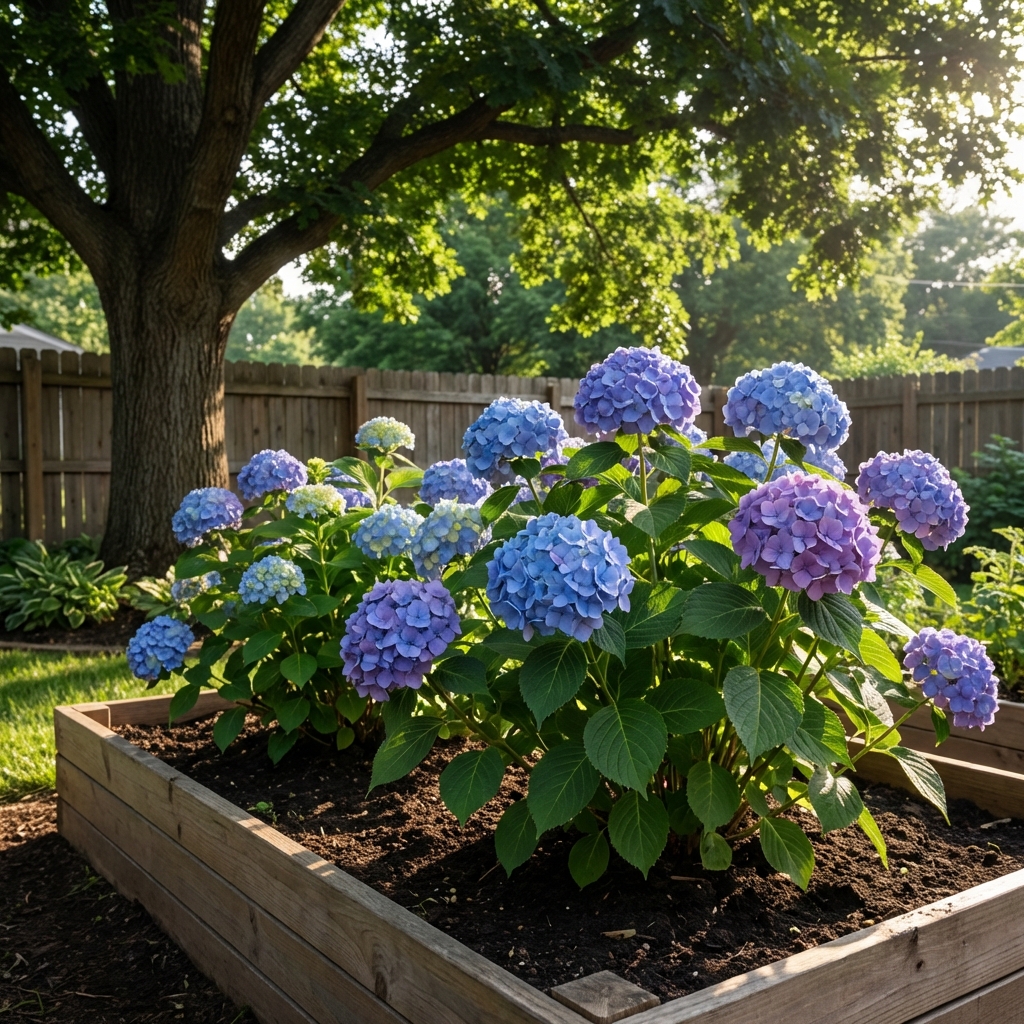
Soil basics: drainage, organic matter, and pH
Hydrangeas like soil that holds moisture but does not stay soggy. Think “wrung-out sponge.”
What to aim for
- Texture: Loamy soil with compost mixed in.
- Drainage: Water should soak in, not puddle for hours.
- Mulch: 2 to 3 inches of shredded bark or leaf mulch helps stabilize moisture and temperature.
Does pH matter?
For bigleaf and mountain hydrangeas, pH can affect flower color in many varieties, but it is not just about pH. The real driver is aluminum availability in the soil.
- More acidic soil (roughly pH 5.0 to 5.5) often makes aluminum more available and can push blooms bluer.
- More neutral to slightly alkaline soil (roughly pH 6.5 to 7.0) reduces aluminum uptake and often pushes blooms pinker.
Important reality check: Lowering pH alone may not turn blooms blue if your soil does not have available aluminum, or if your soil strongly buffers changes. That is why gardeners often use products that supply aluminum (like aluminum sulfate) in addition to adjusting pH. Start with a soil test, follow label rates, and re-test instead of making big swings.
Also: Not all bigleaf hydrangeas change color. White varieties stay white. Some newer cultivars are less responsive.
Watering hydrangeas the right way
Hydrangeas are not drought plants. The goal is consistent moisture, especially from late spring through bloom time.
How often to water
- Newly planted (first 4 to 8 weeks): water deeply 2 to 3 times per week depending on heat and rainfall.
- Established plants: deep watering about once per week, more often during heat waves or in sandy soil.
How to water so it actually helps
- Water at the base, not over the leaves.
- Go slow and deep so moisture reaches the root zone. As a cue, aim to wet the soil 6 to 8 inches deep, or roughly 1 inch of water per week total from rain plus irrigation (more in extreme heat).
- Use mulch to reduce evaporation and keep roots cooler.
Wilting at midday: Hydrangeas commonly droop in midday heat and bounce back in the evening. If it recovers, it is usually heat stress, not an emergency. If it is still wilted the next morning, it needs water.
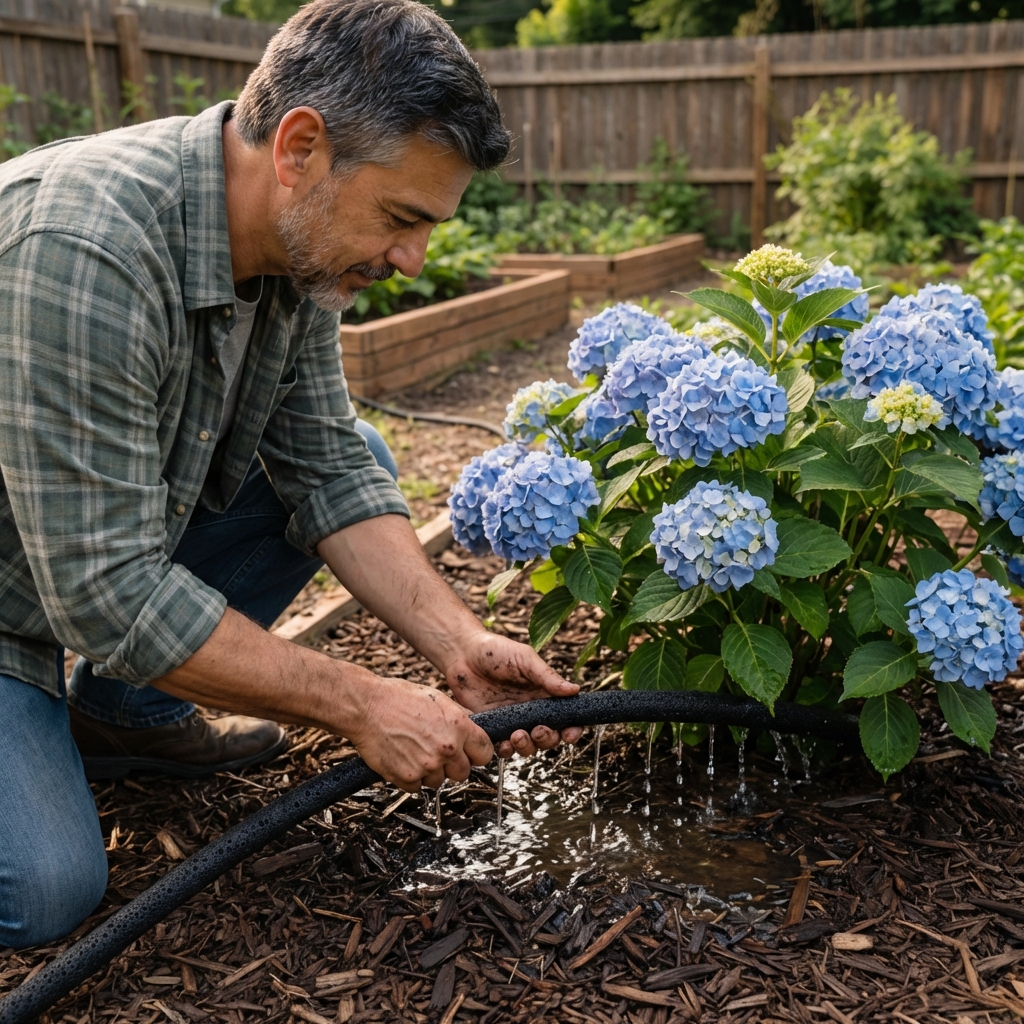
Fertilizing: less is usually better
Over-fertilizing is a classic mistake. Too much nitrogen can give you big leafy growth and fewer flowers.
A simple feeding plan
- In spring: top-dress with compost and refresh mulch.
- If growth is weak: use a balanced slow-release fertilizer once in spring, following label rates.
- Stop heavy feeding by mid-summer: late fertilizer can push tender growth that struggles in winter.
Container hydrangeas: pots leach nutrients faster. A slow-release fertilizer in spring plus occasional liquid feeding (light strength) can help, but do not fertilize a thirsty, stressed plant. Water first.
Pruning hydrangeas without losing blooms
Pruning depends on whether your hydrangea blooms on old wood (last year’s stems) or new wood (current season growth). If you garden in a colder zone, bloom reliability on old-wood types can vary a lot based on winter temperatures, wind exposure, and microclimate.
Old wood bloomers (bigleaf, mountain, oakleaf, climbing)
- When to prune: right after flowering, or only do minimal cleanup in early spring.
- Spring tip: before you cut, check stems for live buds. If you see green when you scratch the bark lightly, that stem is still alive and may bloom.
- What to cut: remove dead wood, weak stems, and spent blooms if you want it tidy.
- What not to do: do not cut the whole plant back hard in late fall or early spring, or you may remove flower buds.
New wood bloomers (panicle, smooth)
- When to prune: late winter to early spring, before new growth takes off.
- How much: you can reduce height by about one-third to one-half to control size and encourage strong stems.
- Optional: remove a few of the oldest stems at ground level to keep the shrub renewing.
Reblooming bigleaf hydrangeas: even the rebloomers often set their first flush on old wood, then keep going on new growth. So pruning still matters if you want those early blooms.
If you are unsure of the type: prune lightly until you confirm bloom habit. You can always cut more later. You cannot glue buds back on.
Getting more blooms
If your hydrangea looks healthy but barely flowers, walk through these common causes.
Checklist for better flowering
- Wrong pruning time: most common for bigleaf, oakleaf, and climbing.
- Too much shade: bright shade is fine, deep shade reduces blooms.
- Winter bud damage: late freezes can kill buds on old wood types.
- Deer browsing: deer love tender hydrangea tips, which can remove flower buds.
- Too much nitrogen: lots of leafy growth, few flowers.
- Drought stress during bud set: inconsistent watering can reduce bloom count.
Tip for bigleaf hydrangeas in cold zones: If you regularly lose buds to winter, plant in a sheltered microclimate (out of wind, not in a frost pocket) and consider reblooming varieties. They can flower on both old and new wood, so you have a backup plan.
Mulching and staking
Mulch is one of the easiest “set it and forget it” habits for hydrangeas. It keeps roots cooler, slows evaporation, and reduces weed competition.
- Keep mulch 2 to 3 inches deep.
- Pull mulch back a couple inches from the base to avoid rot.
Some smooth hydrangeas, especially ‘Annabelle’ types, can flop after heavy rain. If that happens in your yard, use a discreet plant support ring in late spring before it gets tall.
Pests and diseases to watch for
Hydrangeas are generally tough, but a few issues pop up regularly.
Common problems
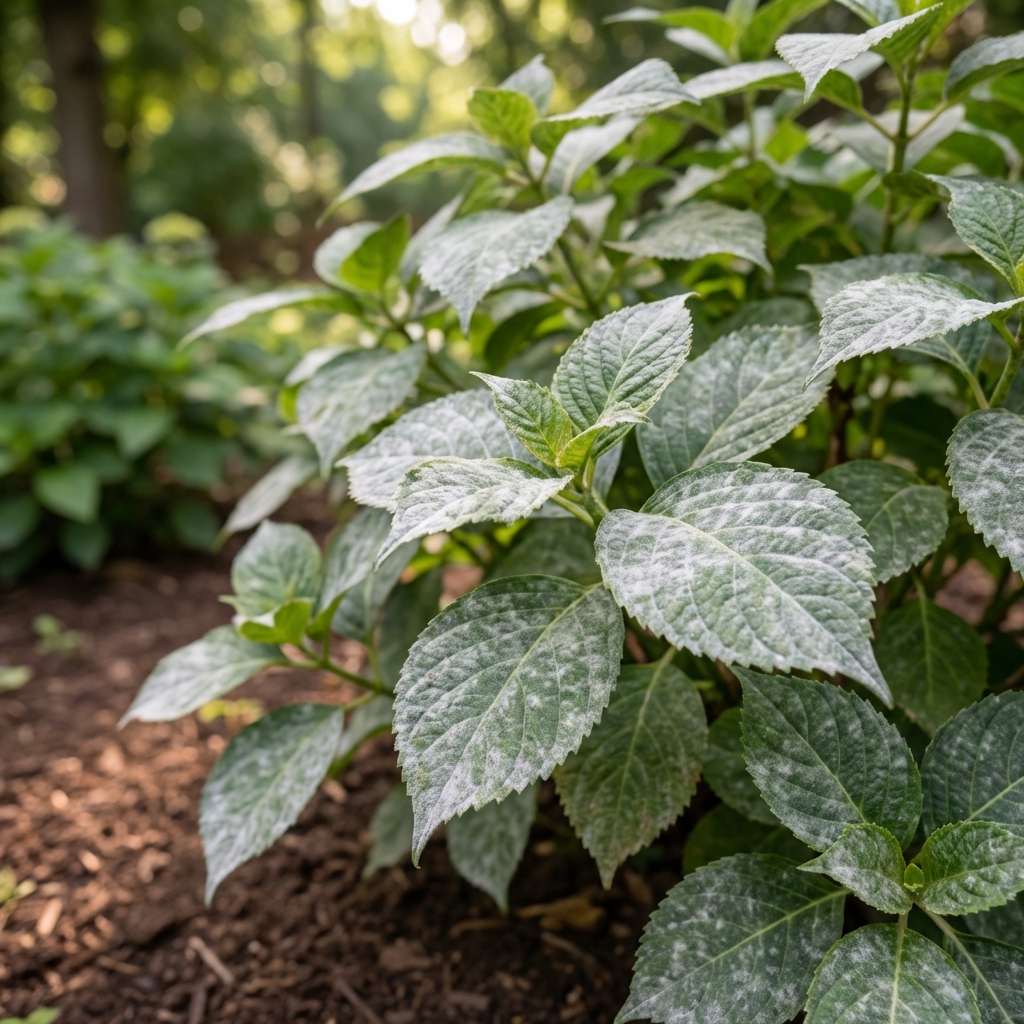
- Powdery mildew: white dusty coating, more common in humid conditions and crowded plants. Improve airflow, give plants space, and avoid overhead watering when possible.
- Leaf spot: dark spots, usually cosmetic. Rake up fallen leaves and avoid overhead watering.
- Aphids: curled new growth, sticky residue. A strong spray of water often handles light infestations.
- Spider mites: stippled leaves in hot, dry weather. Increase moisture, rinse undersides of leaves.
- Deer: browse tips and buds. Use fencing or repellents consistently.
When to worry: If the plant is losing lots of leaves early, stems are blackening, or the whole shrub is collapsing, check drainage and root health first. Soggy soil can cause root rot and quick decline.
Seasonal hydrangea care calendar
Spring
- Clean up winter damage and remove dead wood.
- On old-wood types, check for live buds before cutting back stems.
- Top-dress with compost and refresh mulch.
- Prune panicle and smooth hydrangeas before they leaf out heavily.
Summer
- Water deeply during dry stretches.
- Deadhead if you want a tidier look, but it is optional.
- Watch for heat stress and add temporary shade cloth if needed in extreme heat.
Fall
- Keep watering until the ground starts to freeze if rainfall is low.
- Skip heavy pruning on old wood types.
- Leave some spent blooms if you like winter interest.
Winter
- In colder areas, protect bigleaf, mountain, oakleaf, and climbing buds by choosing a sheltered spot and using a thick mulch layer around the root zone.
- Brush heavy snow off gently if branches are bending.
Hydrangeas in pots
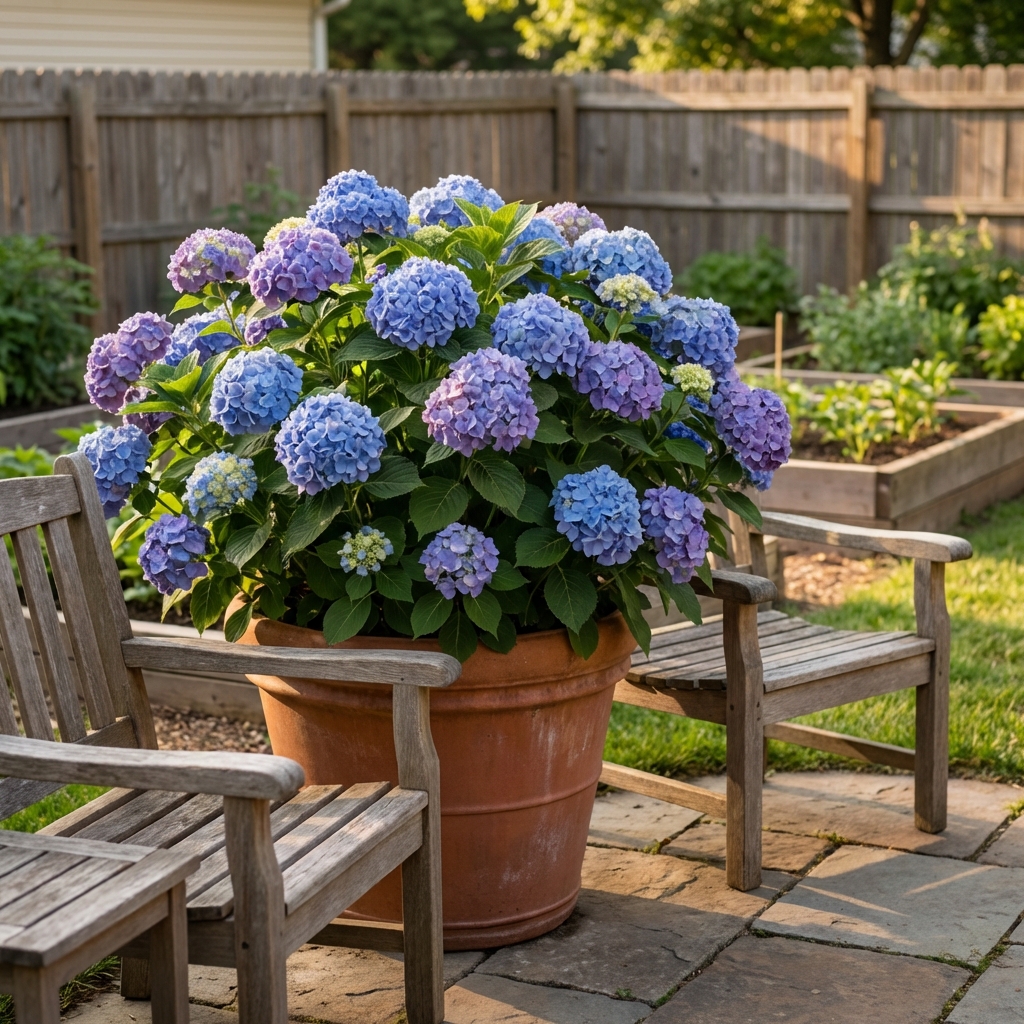
Container hydrangeas can be stunning, but they dry out faster and are more exposed to winter cold.
- Pot size: bigger pots hold moisture better and keep roots cooler.
- Soil: use a quality potting mix with good drainage.
- Water: check daily in summer heat. Water when the top inch is dry.
- Winter: in cold climates, move pots to an unheated garage or sheltered spot after the plant goes dormant. Check occasionally and keep the mix barely moist so roots do not dry out completely. Protect containers from repeated freeze and thaw cycles if they stay outdoors.
Quick troubleshooting
Leaves turning yellow
- Often from poor drainage or overwatering.
- Can also be nutrient imbalance. Start with a soil test.
Brown, crispy leaf edges
- Usually sun scorch or drought stress.
- Hot wind can make it worse even if you are watering.
No blooms
- Most often wrong pruning time on old wood types, or winter bud kill in colder climates.
- Deep shade, deer browsing, or excess nitrogen are next on the list.
Floppy stems
- Common on some smooth hydrangeas, especially after rain.
- Use a support ring and avoid heavy nitrogen feeding.
Bottom line
Hydrangeas do not need perfection, but they do need consistency. Give them the right light for their type, moisture that does not swing wildly, mulch to protect roots, and pruning that matches how they bloom. Do that, and you will get dependable blooms year after year without turning your yard into a science project.
If you are not sure what you have, take a bloom and leaf photo to a local nursery or extension office and ask which type it is, then prune based on that answer. That one step saves more flowers than any fertilizer ever will.

Jose Brito
I’m Jose Britto, the writer behind The Country Store Farm Website. I share practical, down-to-earth gardening advice for home growers—whether you’re starting your first raised bed, troubleshooting pests, improving soil, or figuring out what to plant next. My focus is simple: clear tips you can actually use, realistic expectations, and methods that work in real backyards (not just in perfect conditions). If you like straightforward guidance and learning as you go, you’re in the right place.