Bed bugs are sneaky. Most people do not notice them until bites show up or the problem has grown. The good news is you can often confirm bed bugs with a calm, methodical inspection and a few basic tools. This page walks you through what to look for, where to look, and how to tell bed bugs apart from other common household pests.
One important note: bed bugs are not a cleanliness issue. They can show up in very tidy homes because they usually hitchhike in on people and belongings.
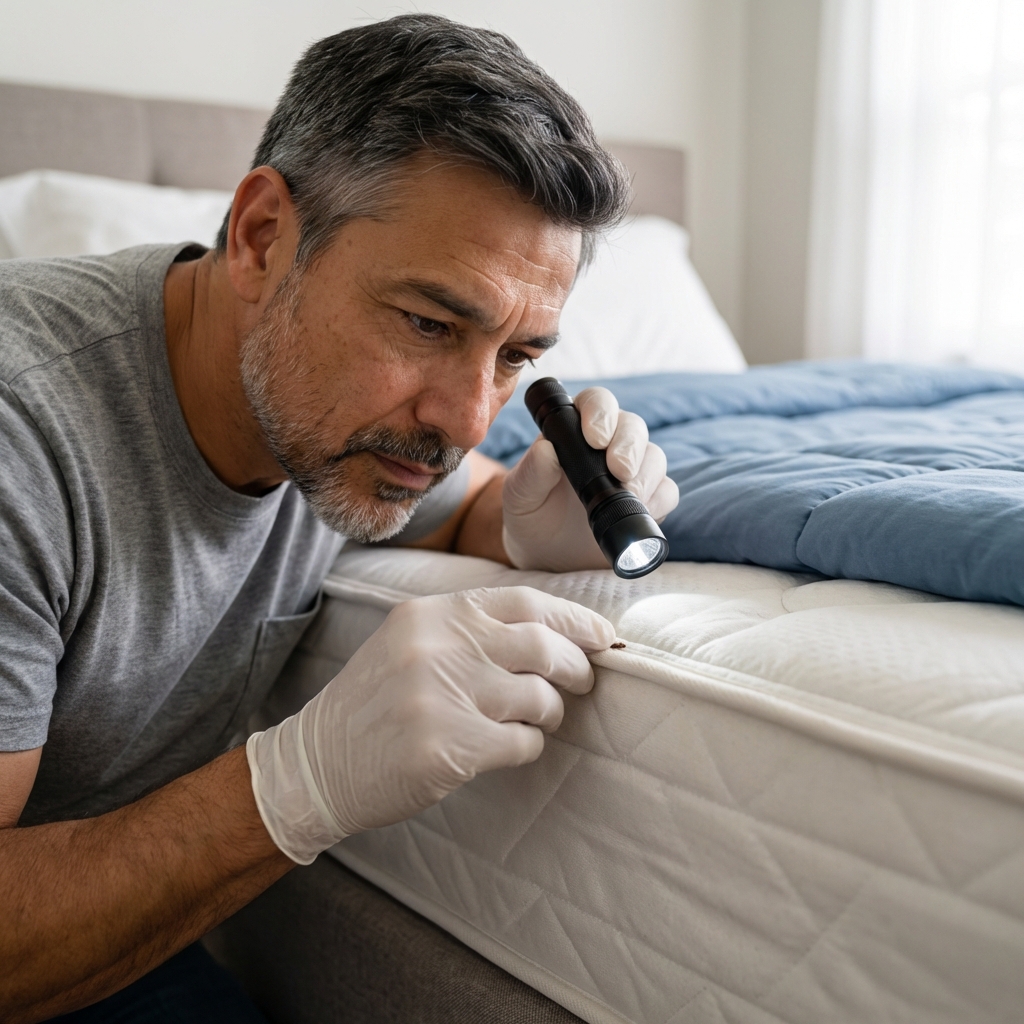
First: Know what you are looking for
Adult bed bugs are about the size of an apple seed, flat and oval, and reddish-brown. After feeding, they look more swollen and darker. Nymphs are smaller and lighter, sometimes almost translucent. Eggs are tiny, white, and often tucked into cracks.
What matters most is not just seeing a bug. It is spotting a cluster of evidence in the same areas.
Common signs that actually matter
- Live bugs in seams, cracks, or near where people sleep.
- Fecal spots that look like tiny black ink dots. If you lightly dab a spot with a slightly damp cotton swab, it may smear or leave a dark streak on fabric. That is suggestive, not definitive.
- Shed skins that look like pale, empty shells.
- Eggs and eggshells clustered in protected crevices.
- Rusty or reddish stains on sheets, sometimes from crushed bugs.
Tools that make detection easier
You do not need fancy equipment. A few basics make a huge difference because bed bug evidence hides in tight places.
- Bright flashlight (your phone works, a small LED is better)
- Thin card (old gift card) to run along seams and cracks
- Disposable gloves
- Clear tape or a small jar for capturing a specimen
- Magnifying glass if you have one, helpful for eggs and nymphs
- Vacuum with a crevice tool for cleanup after inspection
Tip: If you suspect bed bugs, avoid moving bedding or clutter from room to room before you inspect. It is an easy way to spread bugs.
Where to look: a simple inspection path
Think like a bed bug. They want a tight hiding spot close to a sleeping person. Start at the bed and work outward in rings.
- Ring 1: the bed itself
- Ring 2: within about 3 to 6 feet (nightstand, nearby chair, baseboards)
- Ring 3: farther out (clutter, curtains, luggage, and other hiding spots)
1) Mattress and box spring
- Check mattress seams, piping (the corded edge), and tags.
- Lift the mattress and inspect the underside.
- Inspect the box spring, especially along the wood frame and under any fabric covering.
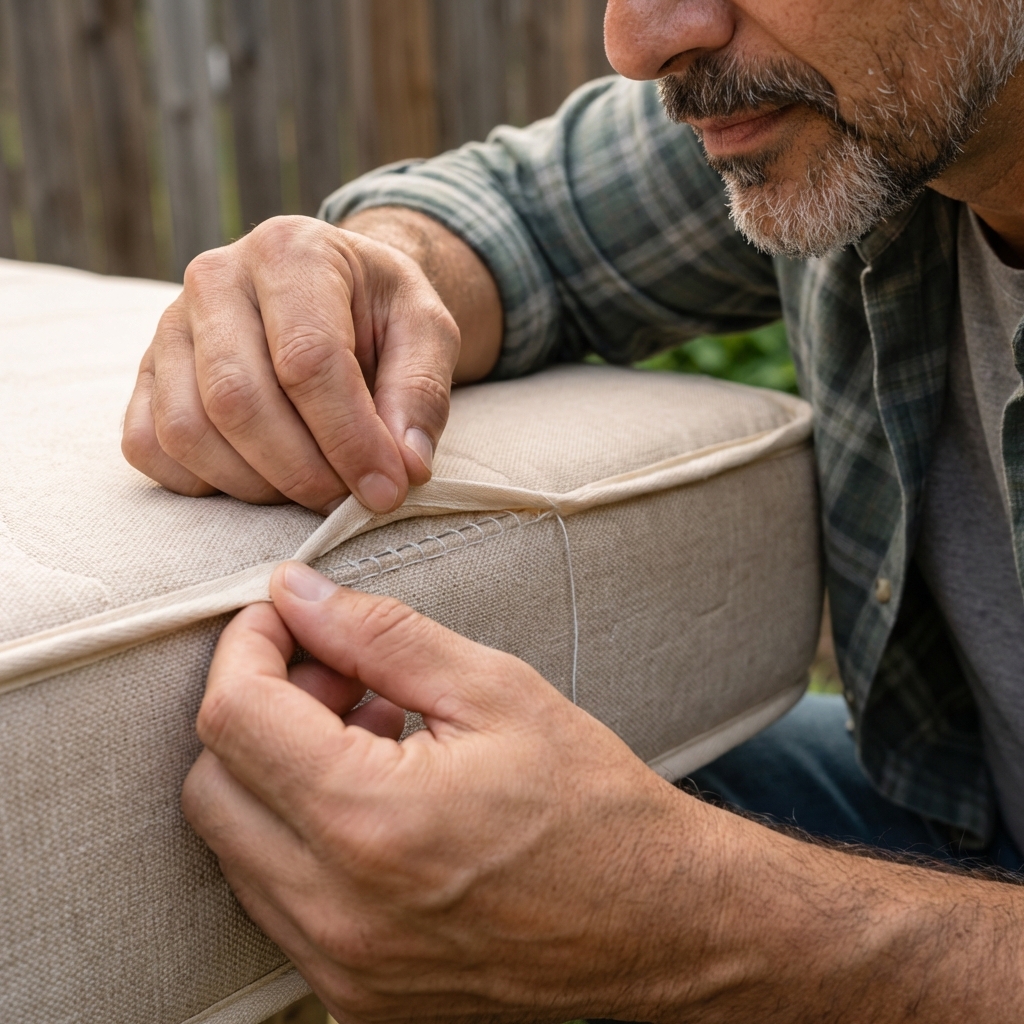
2) Bed frame and headboard
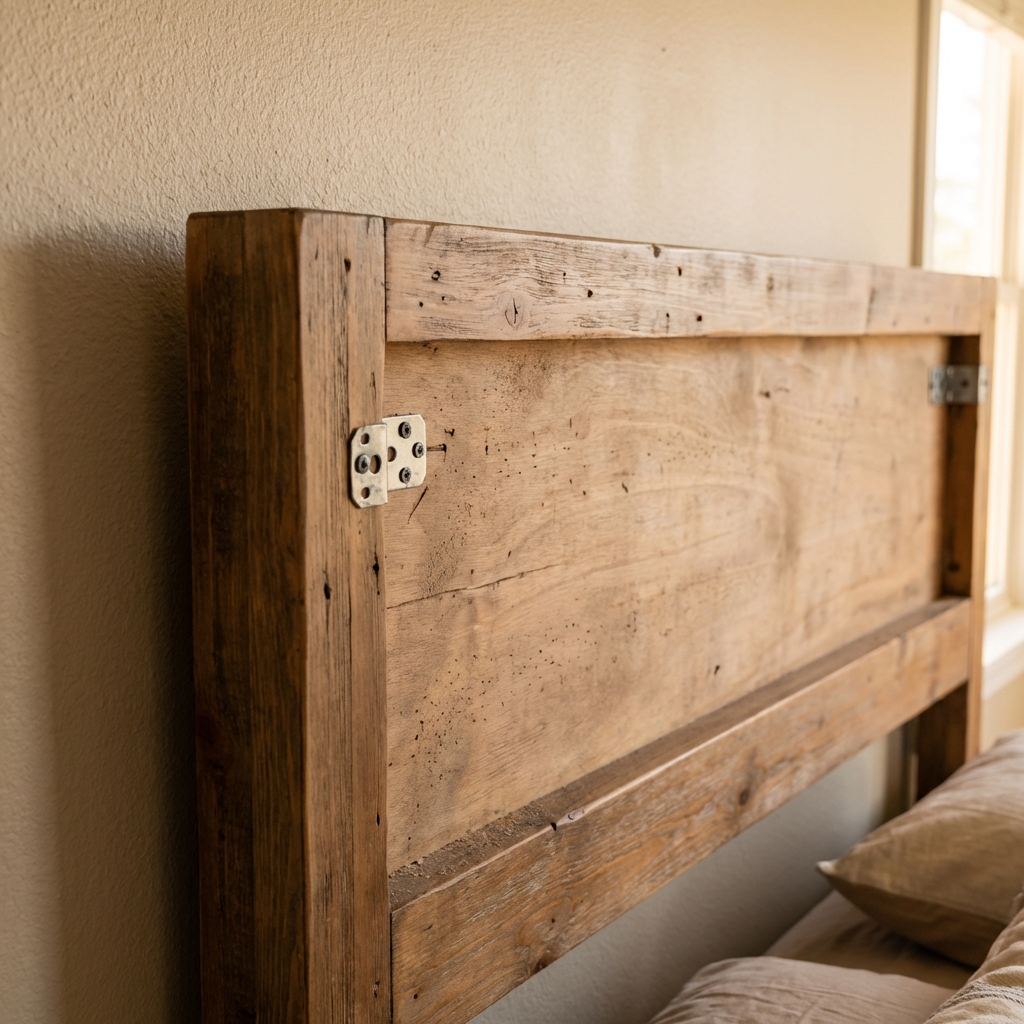
- Look in joints, screw holes, cracks, and slats.
- Check the back side of the headboard. It is a common hiding area because it is protected and close to you.
3) Nearby furniture and wall edges
- Nightstand: inside corners, drawer joints, underneath.
- Upholstered chair or couch near the bed: seams, under cushions, staple lines.
- Baseboards: especially where the bed touches the wall.
- Picture frames and wall decor near the bed.
4) Soft goods and clutter zones
- Check curtains near the bed, especially pleats and hems.
- Inspect piles of clothes, bags, and storage bins near sleeping areas.
- Look at backpacks, purses, and luggage if anyone recently traveled.
5) Extra hiding spots (use care)
In heavier infestations, bed bugs may spread beyond the bed area into tighter structural gaps and nearby items.
- Cracks in walls, trim, and floorboards
- Behind loose wallpaper
- Edges of carpet near baseboards
- Bedside electronics and alarm clocks
- Electrical outlets and switch plates near the bed (consider a professional; if you do remove a cover, turn off power at the breaker first)
Bites: useful clue, not proof
Bites can help you decide to inspect, but they do not confirm bed bugs by themselves. Some people do not react to bed bug bites at all. Others react strongly. And mosquito, flea, and even allergy reactions can look similar.
What bites can suggest
- Clusters or lines of itchy bumps that appear overnight
- Bites on exposed skin like arms, shoulders, neck, lower legs
- Multiple household members affected, though not always
If you have bites but no physical signs after a careful inspection, do not assume you are clear. Instead, monitor with interceptors and repeat checks for 2 to 3 weeks.
Health note: Try not to scratch. If you have a severe reaction, signs of infection (increasing redness, warmth, swelling, pus), or symptoms that worry you, contact a clinician.
How to tell bed bugs from look-alikes
Misidentification is common, and it leads to wasted effort. Here are the most common mix-ups.
Bed bugs vs fleas
- Fleas are smaller, darker, and jump. Bed bugs do not jump or fly.
- Flea bites often cluster around ankles and lower legs, especially if there are pets.
Bed bugs vs carpet beetles
- Carpet beetle larvae are fuzzy and often found near baseboards and closets.
- They can cause skin irritation, but they do not leave the same fecal spotting patterns on beds and frames.
Bed bugs vs cockroach droppings
- Roach droppings may look similar, but they are usually found near kitchens and bathrooms.
- Bed bug fecal spots tend to cluster near sleeping areas and seams.
Easy monitoring that works in real homes
If you cannot find a live bug, monitoring tools can help confirm activity.
Bed leg interceptors
These are plastic cups that sit under bed legs and trap bugs trying to climb up or down. They are one of the most effective low-effort tools for confirmation when the bed is properly isolated.
- Install on all bed legs.
- Keep bedding from touching the floor so the bed is isolated.
- Check interceptors every few days for 2 to 3 weeks.
Note: Interceptors work best when bugs have to travel up the legs. They may miss activity if bugs are already on the bed, if the bed touches the wall, or if bedding drapes to the floor.
Passive monitors near the headboard
Some monitors provide a textured hiding area that bed bugs like. They are not magic, but they can help you detect low-level infestations.
What to do if you find signs
Do not panic, and do not start spraying random products. Misusing repellents, foggers, or partial treatments can scatter bugs and make control harder.
Step-by-step next actions
- Confirm with a photo or capture a specimen using clear tape or a small jar.
- Document: take clear, close-up photos in good light and include something for scale (a coin works). Keep notes on where you found evidence.
- Reduce spread: stop moving bedding and clothing through the house.
- Heat-dry bedding and clothes on the hottest setting the fabric can safely handle. Run the dryer long enough for items to get fully hot throughout. Many guidelines suggest at least 30 minutes once the dryer is hot, but load size and dryer performance matter, so follow garment labels and do not rush it. Bag clean items right away.
- Vacuum seams and cracks, then immediately seal and discard the vacuum contents outdoors.
- Encase mattress and box spring with bed bug rated encasements if available.
- Call a pro if you confirm bed bugs, especially if multiple rooms are involved.
Important: Foggers and bug bombs are not a good bed bug solution. They often make the problem worse by scattering bugs and they do not reach hiding spots effectively.
If you still cannot confirm
Sometimes you have bites or a strong suspicion, but you cannot find a bug. That does not mean you are imagining it. It can mean the infestation is low-level or hiding well.
- Repeat inspections weekly and keep interceptors in place for 2 to 3 weeks.
- Focus on the bed and the first 3 to 6 feet around it before you tear apart the whole room.
- If you can, get an ID from a pest control professional or a local extension office. A confirmed specimen saves time, money, and stress.
- If anxiety is high or you have ongoing unexplained bites, consider scheduling a professional inspection rather than escalating DIY treatment.
Common mistakes that slow detection
- Only checking the top of the mattress and skipping the frame, headboard, and box spring.
- Cleaning everything first and throwing away evidence before you confirm what you are dealing with.
- Assuming bites are the whole story without any physical signs.
- Moving to the couch to sleep. This can spread bed bugs to a new area.
Quick checklist you can follow tonight
- Grab a flashlight, gloves, and a thin card.
- Inspect mattress seams, piping, and tags closely.
- Check box spring edges and underside.
- Inspect bed frame joints and the back of the headboard.
- Look at the nightstand, especially drawer corners and underside.
- Search for black ink-like spots, shed skins, eggs, or a live bug.
- If nothing shows, set interceptors and re-check over the next 2 to 3 weeks.
If you want the simplest rule: evidence clusters near where people sleep. Start there, go slow, and use a flashlight every step of the way.

Jose Brito
I’m Jose Britto, the writer behind The Country Store Farm Website. I share practical, down-to-earth gardening advice for home growers—whether you’re starting your first raised bed, troubleshooting pests, improving soil, or figuring out what to plant next. My focus is simple: clear tips you can actually use, realistic expectations, and methods that work in real backyards (not just in perfect conditions). If you like straightforward guidance and learning as you go, you’re in the right place.