Raccoons are smart, strong, and persistent. If one has decided your yard is a buffet or your attic is a great place to crash, you will not solve it with one “magic” smell or a single night of bright lights.
The good news is you can get rid of raccoons naturally and humanely. The key is a simple formula: remove the food and shelter, then make the area uncomfortable, and finally block access so they cannot come back.
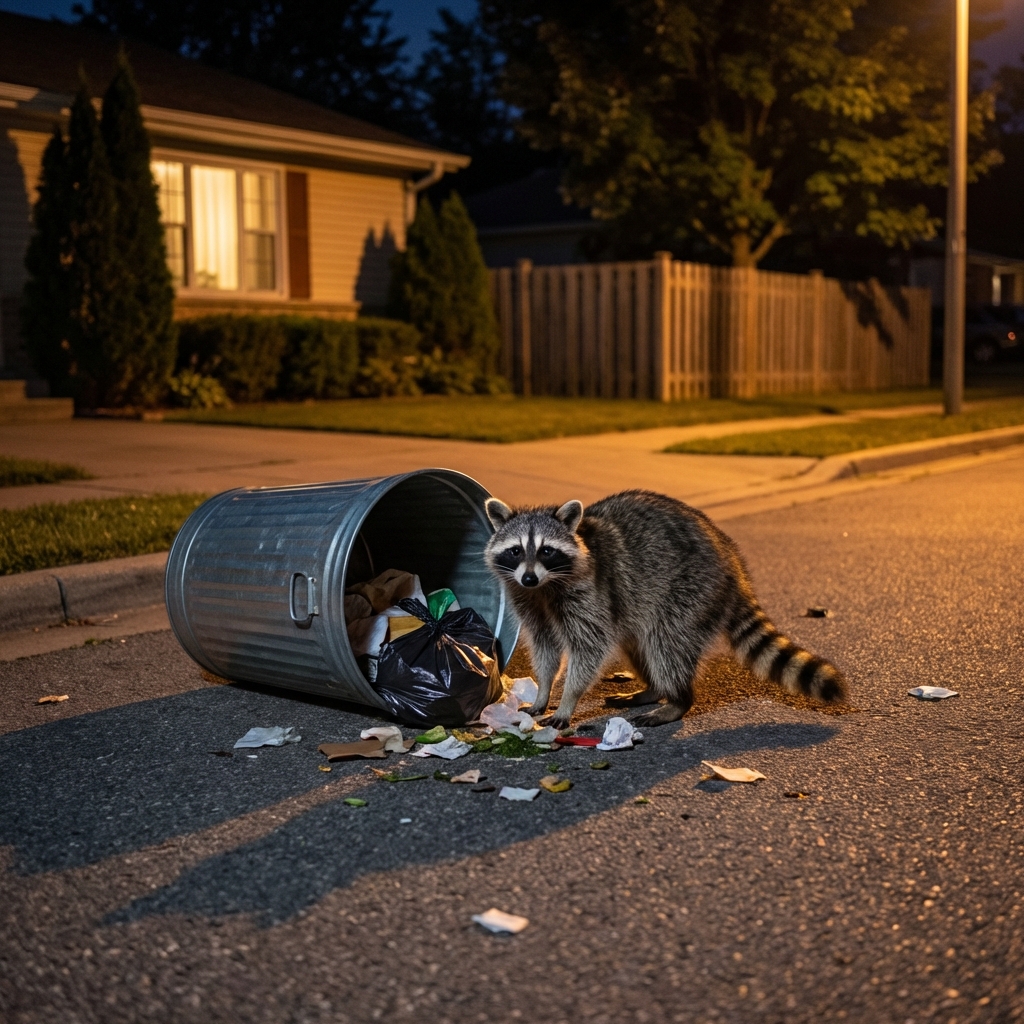
First, make sure it is actually a raccoon
Before you start buying gadgets or spreading repellents, confirm what you are dealing with. Raccoon solutions are different than skunk or opossum solutions.
Common raccoon signs
- Trash raided with lids pried off or cans tipped over
- Large muddy hand-shaped tracks around beds, fences, or downspouts
- Rolled sod or shallow holes in lawns looking for grubs
- Garden damage especially sweet corn, melons, ripe tomatoes, and grapes
- Noises at night in attic, chimney, or crawlspace
- Droppings that look like small dog poop, often in one area repeatedly
Important safety note: Do not handle raccoon droppings with bare hands. Raccoon “latrines” can contain raccoon roundworm (Baylisascaris procyonis). When droppings dry out, particles can become airborne if disturbed. Wear gloves and a mask, keep kids and pets away, and consider calling a professional for cleanup.
Do this first: remove attractants
If there is easy food, raccoons will tolerate almost any smell. Removing attractants is the fastest way to make your property less interesting.
Lock down your trash
- Use a locking trash can or add a tight bungee cord around the lid.
- Rinse cans occasionally. Odor is an invitation.
- Put trash out the morning of pickup, not the night before if possible.
Remove pet food and bird seed at night
- Feed pets indoors or pick up bowls before dusk.
- If raccoons are visiting for bird seed, switch to a raccoon-resistant feeder and avoid scattering seed on the ground.
Secure compost and fruit
- Use a lidded compost bin. Avoid adding meat, grease, or dairy.
- Pick up fallen fruit daily. Overripe fruit is a raccoon magnet.
Check water sources
Raccoons like easy water. Empty standing water in buckets, kiddie pools, and clogged bird baths overnight when you are dealing with an active problem.
Natural deterrents that help
Deterrents are a short-term push while you fix access points. For best results, use a small “stack” of deterrents and adjust as needed. Many people see results within about 1 to 2 weeks, but timing depends on how much food and shelter is available.
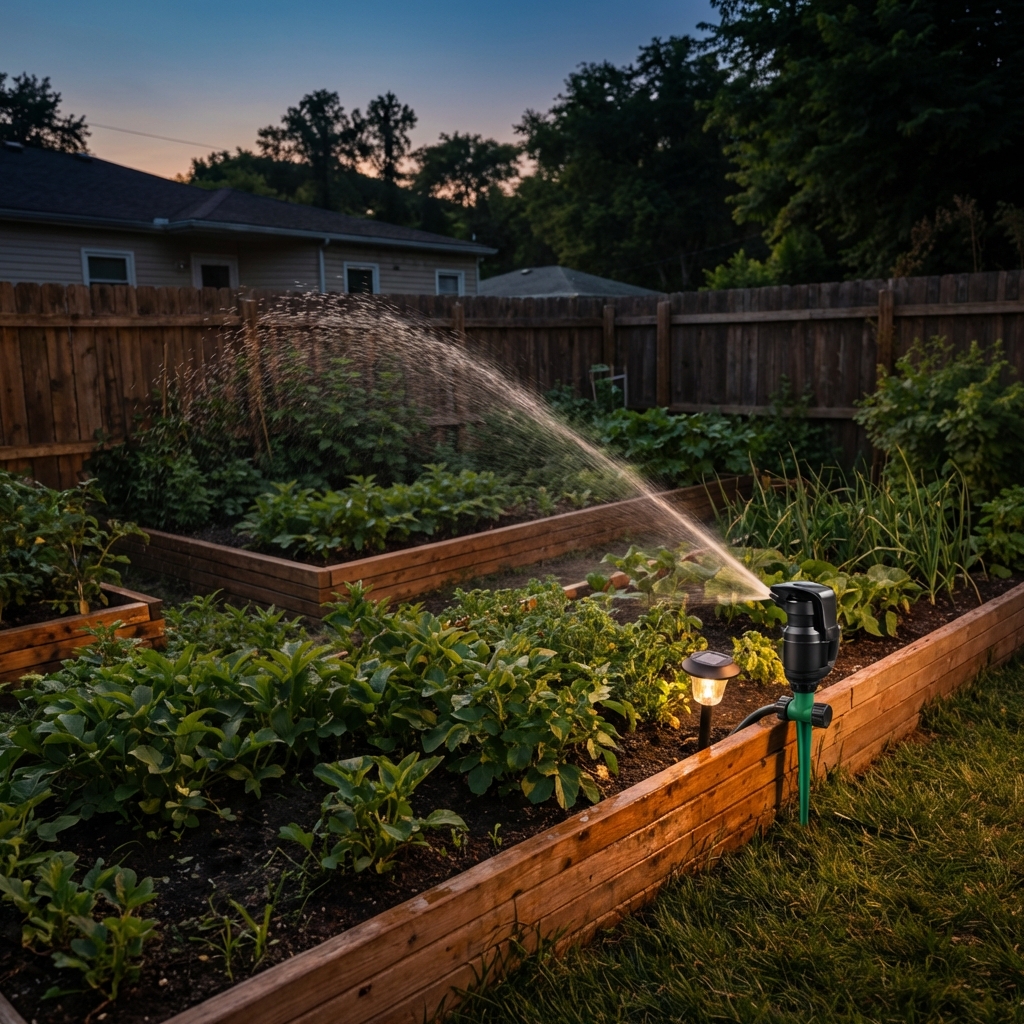
1) Motion-activated light and sprinkler
This is one of the most effective humane combos, especially for gardens.
- Set a motion light aimed at the entry route.
- Add a motion-activated sprinkler to startle them where they approach.
- Move the devices every few days so raccoons do not get used to them.
2) Vinegar and ammonia odors (use outdoors only)
Strong smells can help in small areas like around trash storage or along a fence line. They are not a stand-alone solution, and results vary.
- Vinegar: Soak rags in white vinegar and place them in vented containers near problem spots.
- Ammonia: Some homeowners report it may deter raccoons in outdoor areas, but it is not reliable and it can be hazardous. Use only outdoors, in secured vented containers, well away from children and pets. Do not use ammonia indoors or in attics, chimneys, crawlspaces, garages, or any space where fumes can build up.
Reapply every couple of days, especially after rain.
3) Spicy deterrents for digging and nibbling
Capsaicin-based deterrents can discourage raccoons from sampling produce or digging in specific areas.
- Use a store-bought pepper spray repellent labeled for garden use.
- Apply to the ground and non-edible surfaces, not directly on produce you plan to harvest that day.
- Reapply after rain and irrigation.
If you make your own spray, keep it mild and test in a small area first. Homemade mixes can burn plant leaves.
4) Noise and radio (limited, but can help)
A talk radio on low volume near an entry route can help for a few nights, especially when combined with lights and sprinklers. On its own, raccoons often adapt.
Exclusion is the long-term fix
Deterrents buy you time. Exclusion is what ends the cycle. If a raccoon can still get in, it will keep trying.
Seal entry points around the home
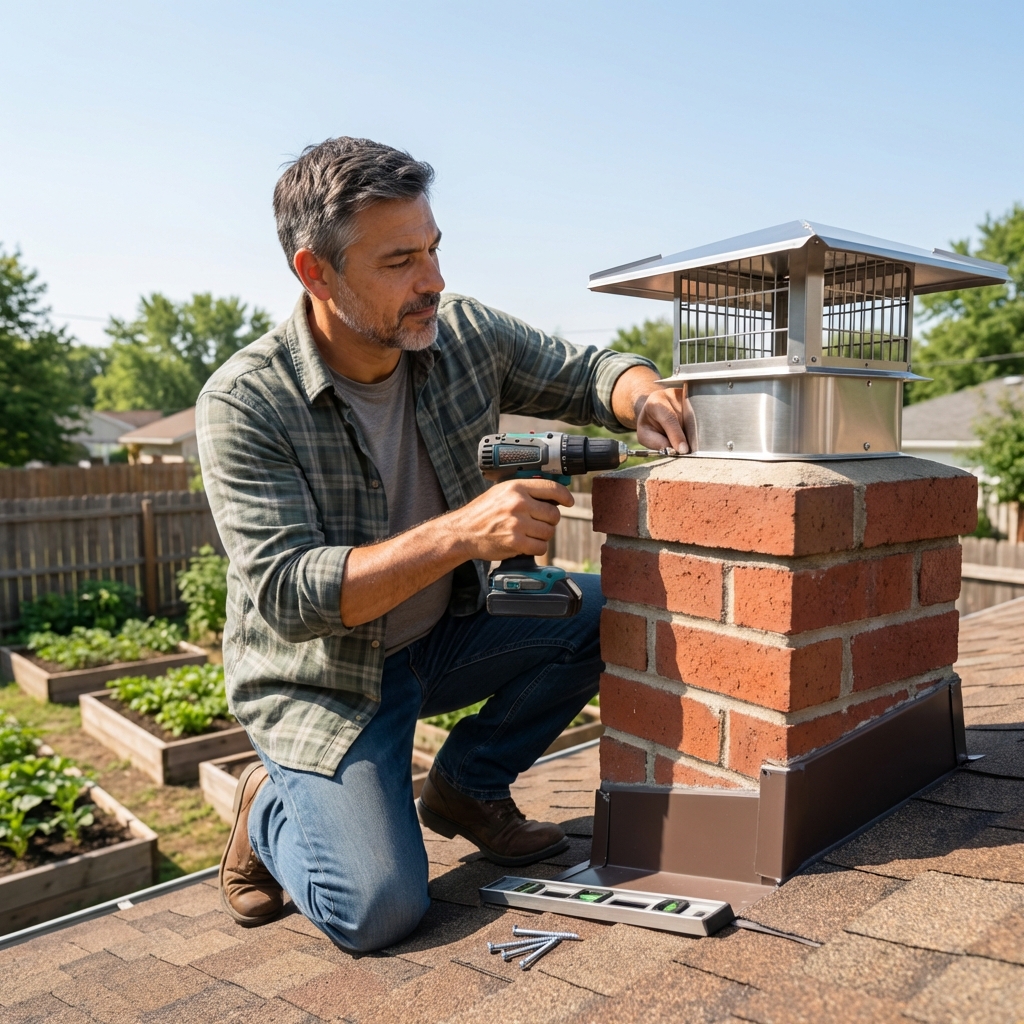
- Inspect roof edges, soffits, vents, and chimneys.
- Repair loose soffit panels and install heavy-duty vent covers.
- Use a chimney cap to prevent entry.
Do not seal an attic or chimney if you suspect babies are inside. In spring and early summer, females often den with kits (timing varies by region). If you block them in, you create a bigger problem and a serious odor issue.
Local rules vary: one-way doors, trapping, and even timing of exclusion can be regulated. Check your state or provincial wildlife agency guidance before you start.
Protect gardens with barriers
Garden protection is usually about fencing, not scents.
- Fence basics: Raccoons can climb almost anything, so height alone is not enough. A fence around 4 feet can work if you add a floppy top or outward-angled extension that stops climbing.
- Electric fence: Very effective and still humane when installed correctly. A few low strands, especially around sweet corn, can stop repeat raids.
- Row covers: Useful for young plants, but raccoons can tear them if they are determined. Use hoops and secure edges well.
If a raccoon is already inside
This is where “natural solutions” need to be careful. You want the animal out, but you do not want it trapped in.
Step-by-step humane approach
- Confirm activity times: Raccoons are most active at night. Listen for movement after dusk.
- Create discomfort: Place a bright work light aimed at the den area (not a heat lamp). Add a loud radio nearby.
- Offer an exit: Make sure the raccoon has a clear way out.
- Use a one-way door: Once you are confident it is leaving nightly, install a one-way exclusion door and monitor for several days.
- Seal permanently: After you confirm no activity, seal the entry point with appropriate materials like hardware cloth and repair lumber.
If you suspect babies or you cannot safely access the area, call a licensed wildlife professional. It is often the most humane route.
Yard changes that reduce visits
Make your yard less appealing and you will have fewer repeat visitors.
- Trim tree branches away from the roof to reduce access.
- Close off crawlspace gaps with hardware cloth and secure fasteners.
- Remove brush piles and hiding spots near structures.
- Reduce grubs if your lawn is being rolled up. Raccoons often dig for beetle grubs. Beneficial nematodes can help, but results depend on choosing the right species and applying at the right time with proper soil moisture.
How to clean a raccoon latrine safely
If you find a repeated droppings area (often on flat roofs, decks, attics, or near woodpiles), treat it as a health hazard.
- Keep kids and pets away immediately. Do not let dogs sniff or roll in the area.
- Wear protection: disposable gloves, boots you can disinfect, and a well-fitting mask (an N95 or similar is a good choice).
- Do not sweep or vacuum dry droppings. Lightly mist with water to reduce dust before handling.
- Remove and bag waste and any contaminated material (like insulation) according to local disposal rules.
- Follow local public health guidance for disinfection. When in doubt, hire a pro that has experience with raccoon latrine cleanup.
Pet health note: Keep pets current on rabies vaccination and talk to your vet if you suspect exposure.
What not to do
- Do not use poison. It is dangerous, inhumane, and can harm pets and other wildlife.
- Do not rely on mothballs. They are toxic and not a safe outdoor solution.
- Do not attempt to handle a raccoon. Even a “calm” raccoon can bite or scratch.
- Do not trap and relocate unless it is legal where you live and done properly. Relocation can separate mothers from young and can spread disease.
Quick plan for tonight
- Step 1: Bring in pet food and remove easy water sources.
- Step 2: Secure trash with a lock or tight bungee and store it in a garage or shed if possible.
- Step 3: Set up a motion light and motion sprinkler aimed at the approach route.
- Step 4: Add vinegar-soaked rags near the trash area for 3 to 5 nights.
- Step 5: This weekend, inspect and seal access points and upgrade garden barriers.
When to call a professional
Natural and humane DIY steps handle a lot of raccoon problems, but there are times to bring in help.
- You suspect a raccoon is living in your attic or chimney
- You see a raccoon out in daytime that looks disoriented or unusually aggressive
- You found a latrine area with repeated droppings
- You cannot locate or safely reach the entry point
A reputable wildlife control pro should focus on humane exclusion, not just removal.
FAQ
Will mothballs get rid of raccoons?
No, and they are not a safe solution. Use exclusion, cleanup, and deterrents like motion sprinklers instead.
Does vinegar keep raccoons away?
It can help short-term in small areas, especially when you are also removing food sources. It will not stop a raccoon that is still getting an easy meal.
How long does it take to get rid of raccoons?
If you remove attractants and add deterrents, you may see improvement in a few nights. For a lasting fix, sealing entry points and securing food sources is what ends it.
What is the most effective natural raccoon deterrent for a garden?
Physical barriers. A fence with an overhang or floppy top, or a properly installed low electric fence, beats almost any scent-based deterrent.

Jose Brito
I’m Jose Britto, the writer behind The Country Store Farm Website. I share practical, down-to-earth gardening advice for home growers—whether you’re starting your first raised bed, troubleshooting pests, improving soil, or figuring out what to plant next. My focus is simple: clear tips you can actually use, realistic expectations, and methods that work in real backyards (not just in perfect conditions). If you like straightforward guidance and learning as you go, you’re in the right place.