Bed bug bites are miserable because they keep reminding you they are there. The good news is you can usually calm the itching and swelling at home. The other piece is just as important: if you do not deal with the source, you can soothe today’s bites and still wake up with new ones.
This guide covers both sides: quick DIY relief for your skin and simple, realistic steps to reduce repeat bites while you handle the infestation.
Quick reassurance: bed bugs are not known to be a major source of disease transmission in typical household settings. The main risks are allergic reactions and skin infections from scratching.
First, make sure it really is bed bug bites
Lots of things bite and irritate skin. Bed bug bites often show up as small, itchy welts that may look like hives. Many people notice them in a line or cluster, especially on skin that was exposed while sleeping.
Common clues
- Timing: you notice new bites after sleeping or napping.
- Pattern: several bites in a row or grouped close together.
- Location: arms, shoulders, neck, face, lower legs, or any exposed skin.
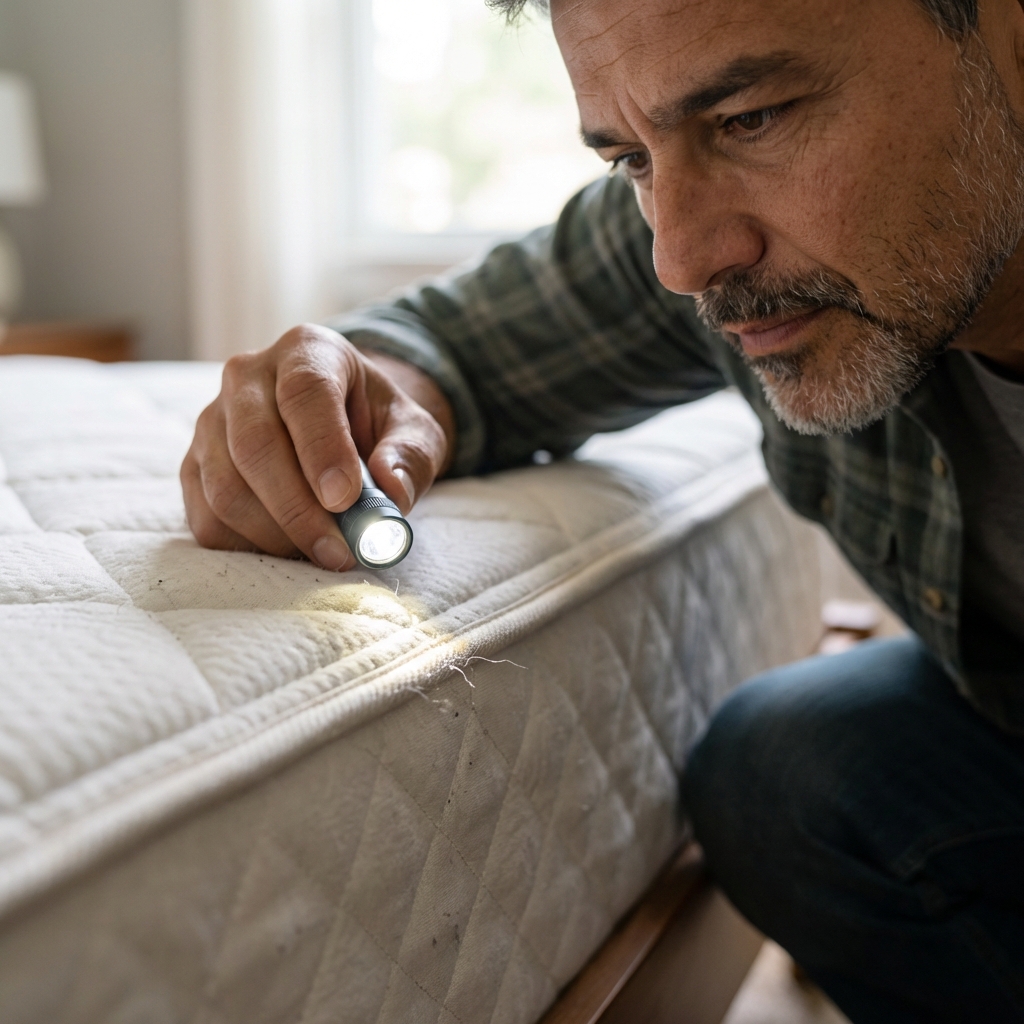
- Home signs: rusty or dark spots on sheets (blood smears or fecal stains), shed skins, or live bugs near mattress seams.
When it might be something else
- Fleas: bites often cluster around ankles and lower legs, especially if you have pets.
- Mosquitoes: more random single bites, often after being outdoors.
- Contact dermatitis: more like a rash or patches, not distinct “bites.”
- Scabies: intense itch (often worse at night) with burrows or bumps, commonly on wrists, finger webs, waistline, or groin.
Not everyone reacts the same way. Some people barely show marks. Others swell up significantly. If you are not sure what you are dealing with, a clinician can help.
What to do right away
If you just noticed fresh bites, start here. These steps reduce irritation and lower the risk of infection.
- Wash the area: Use soap and cool water. Keep it gentle. Scrubbing makes itching worse.
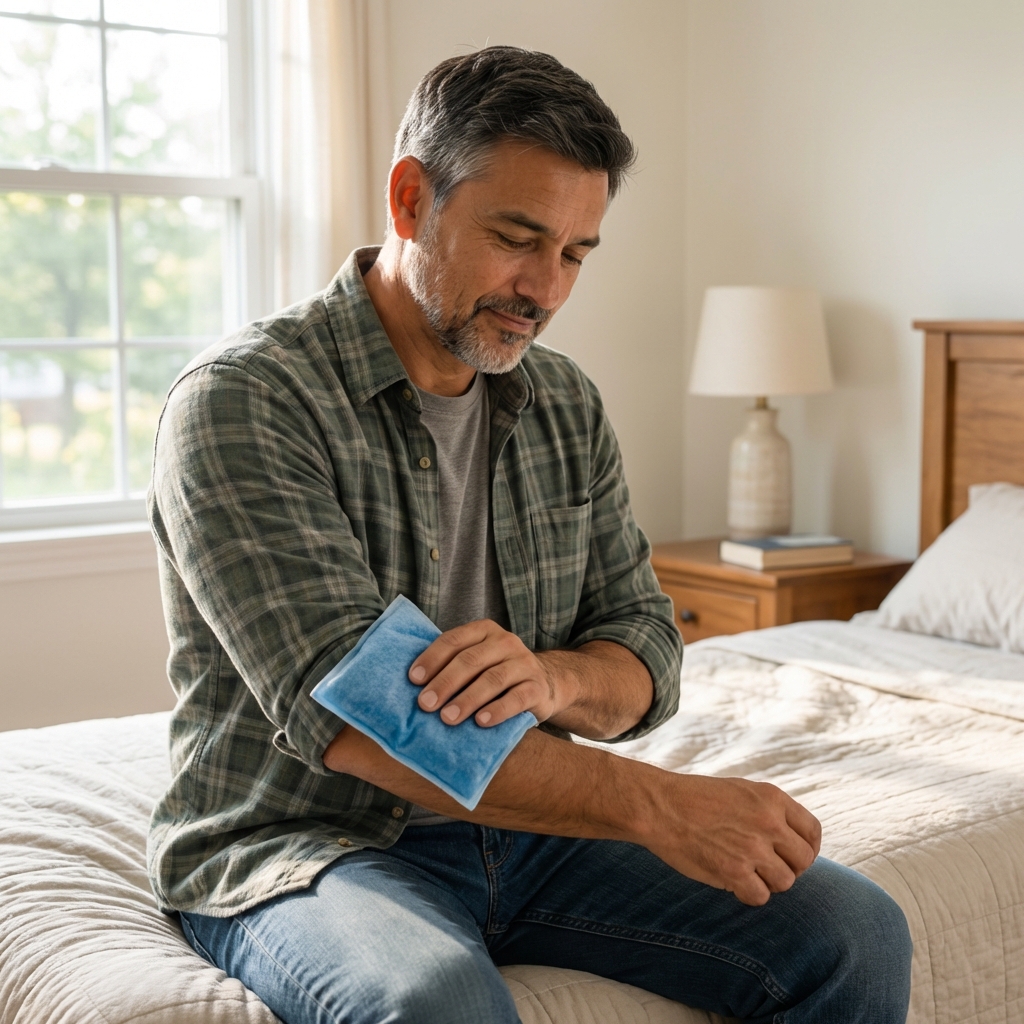
- Cool it down: Apply a cold compress for 10 to 15 minutes. Repeat as needed.
- Do not scratch: Scratching breaks skin, increases swelling, and can lead to infection.
If you are dealing with a child, trim nails and consider cotton gloves at night. It is not fancy, but it helps.
DIY relief that actually helps
You are aiming for three things: calm inflammation, control itching, and protect the skin barrier while it heals.
1) Cold compress
A cold compress reduces swelling and takes the edge off itching. Wrap ice or a cold pack in a cloth. Do not put ice directly on skin.
2) Hydrocortisone cream (over-the-counter)
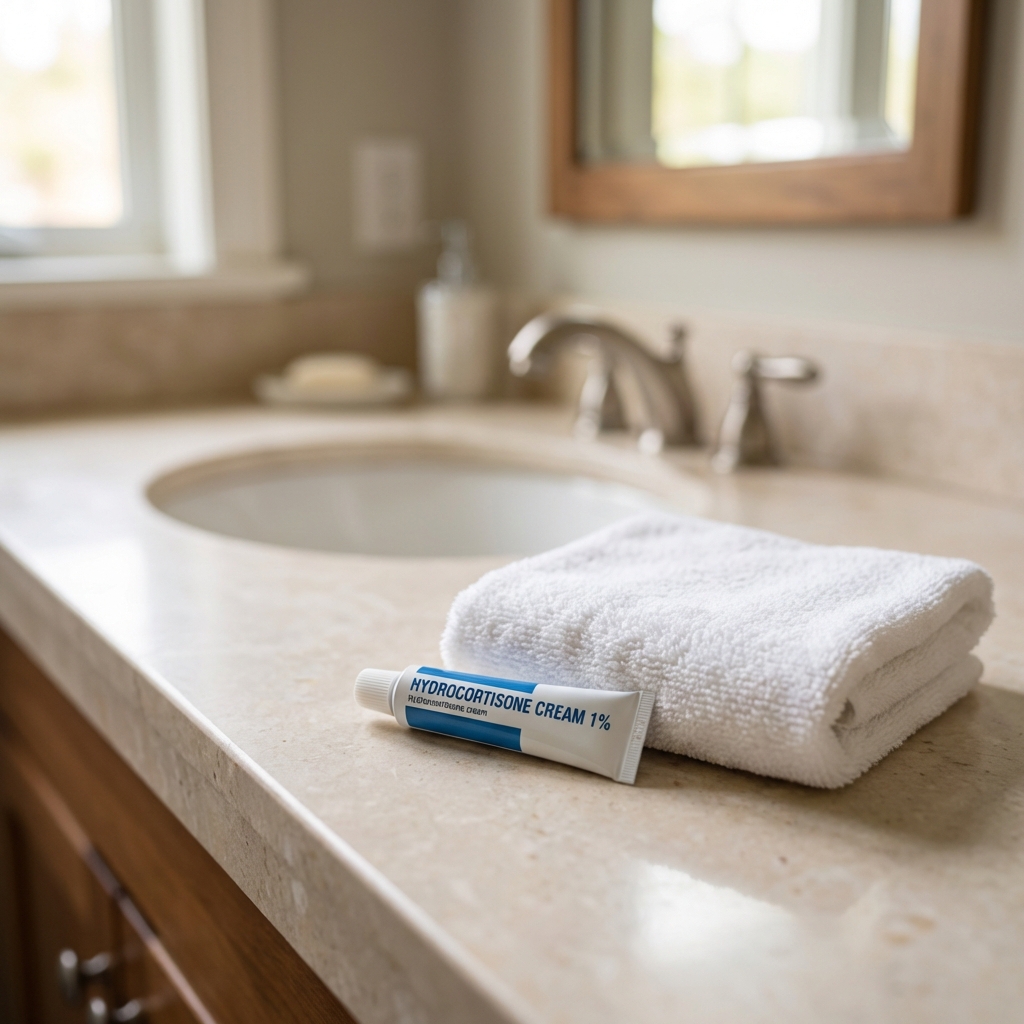
A thin layer of 1% hydrocortisone cream can reduce inflammation and itching. Use it as directed on the label. Avoid using it on broken skin.
Extra caution: Be careful using topical steroids on the face, groin, or on young children, and do not use longer than the label recommends unless a clinician tells you to. If a bite looks infected, skip steroids and get medical advice.
3) Oral antihistamine for nighttime itch
If itching is keeping you awake, an over-the-counter antihistamine may help. Some types cause drowsiness, which can be helpful at night but not safe for driving or certain jobs. Follow the label and check with a pharmacist if you take other medications.
Extra caution: If you are pregnant, breastfeeding, older, or have glaucoma or prostate issues, ask a clinician or pharmacist which option is safest for you.
4) Calamine or colloidal oatmeal
Calamine lotion can soothe itch. Colloidal oatmeal baths can help when bites are widespread. Use lukewarm water, not hot. Heat usually makes itching feel worse.
5) Keep bites clean and lightly moisturized
Clean daily with mild soap and water. If the skin is dry, use a fragrance-free moisturizer. Dry skin tends to itch more.
What to avoid
- Scratching: the fastest path to infection and scarring.
- Hot showers: heat can flare itching and redness.
- Strong home chemicals on skin: rubbing alcohol, bleach, hydrogen peroxide, and harsh essential oils can irritate or burn.
- Hydrogen peroxide for routine bite care: it may seem like a “cleaner,” but it can irritate and slow healing. Stick with soap and water.
- Heavy, occlusive layers over oozing bites: if a bite is open, keep it clean and protected, not sealed under thick products that trap moisture and bacteria.
“Natural” does not automatically mean gentle. If something stings, burns, or makes the redness spread, wash it off and stop using it.
How long bed bug bites last
For many people, itching improves within a few days, and the marks fade within 1 to 2 weeks. If you are sensitive, swelling and discoloration can hang around longer.
If you keep getting bitten, it can feel like the bites never heal. That is also when it becomes harder to tell “old bites” from “new bites.” The next two sections help you decide when to get care and how to stop the cycle.
When to get medical help
Most bed bug bites are more annoying than dangerous, but there are times to call a clinician.
Seek urgent care for an allergic reaction
- difficulty breathing or wheezing
- swelling of lips, tongue, or face
- hives spreading quickly
- dizziness or fainting
Call a doctor for possible infection
- increasing redness, warmth, pain, or swelling after 24 to 48 hours
- pus, crusting, or red streaks
- fever
Also consider medical advice if bites are severe, keep worsening, or you have immune system concerns.
Stop the new bites
Here is the tough truth: there is no skin remedy that prevents tomorrow’s bites if bed bugs are still in your sleeping area. You do not have to do everything at once, but you do need a plan.
Step 1: Strip the bed and heat-treat what you can
- Bag bedding in the room before carrying it out to avoid dropping bugs along the way.
- Wash with regular detergent.
- Dry on high heat long enough to fully heat through. For many loads this is often 30 to 60+ minutes, depending on the dryer and the thickness of the items.
- After drying, keep clean items sealed in fresh bags or bins until the problem is handled.

Step 2: Vacuum like you mean it
Vacuuming does not solve an infestation alone, but it can reduce numbers right away.
- Focus on mattress seams, bed frame cracks, baseboards, and carpet edges.
- Use a crevice tool.
- After vacuuming, immediately empty into a sealed bag and take it outside.
Step 3: Encase the mattress and box spring
Bed bug encasements trap bugs inside and remove hiding spots outside. Choose encasements labeled specifically for bed bugs, with a secure zipper.
Important: Keep encasements on for the long haul. Do not remove them after a week or two. Trapped bugs can survive for a long time, so many experts recommend leaving encasements on for months.
Step 4: Isolate the bed
- Pull the bed slightly away from the wall.
- Keep bedding from touching the floor.
- Consider bed bug interceptor cups under bed legs to help trap and monitor activity.
Step 5: Reduce hiding places near the bed
- Declutter nightstands and the floor around the bed.
- Avoid moving piles of clothing or linens from room to room unless they are sealed in bags.
Step 6: Avoid shortcuts that backfire
- Avoid “bug bombs” or foggers: they often do not reach hiding spots and can push bed bugs deeper into walls or other rooms.
- Be cautious with pesticides: use only products labeled for bed bugs and follow the label exactly. When in doubt, let a licensed professional handle it.
Step 7: Consider professional help
Bed bugs are notoriously hard to eliminate completely with DIY methods, especially in apartments or multi-room infestations. If you are still getting bites after doing the steps above, it may be time to call a licensed pest professional.
Set expectations: elimination often takes multiple visits or repeated steps over a few weeks. In multi-unit housing, coordination with the building matters.
A simple bite-care routine
Morning
- Wash bites with mild soap and cool water.
- Apply a thin layer of hydrocortisone or calamine if itchy (follow label guidance).
- Wear loose, breathable clothing to reduce friction.
Night
- Cool compress for 10 minutes if itching is flaring.
- Consider an antihistamine if you cannot sleep due to itching (follow label guidance).
- Keep nails trimmed to reduce damage if you scratch in your sleep.
FAQ
Do bed bug bites go away on their own?
Most do. The main risk is secondary infection from scratching. Keeping bites clean and controlling itch helps them heal faster.
What is the fastest way to stop the itching?
Start with a cold compress, then use an over-the-counter anti-itch option like hydrocortisone or calamine. For nighttime itch, an antihistamine may help.
Can I pop bed bug bites?
No. Do not pop or pick at them. If a bite forms a small blister, keep it clean and protected.
Why do I keep getting new bites even after treating my skin?
Because the bugs are still present. Treating bites helps symptoms, but stopping new bites requires laundering, vacuuming, encasing, isolating the bed, and often a professional pest approach.
Bottom line
To get rid of bed bug bite symptoms, focus on cooling, anti-itch treatment, and keeping skin clean. To get rid of the problem, focus on heat-treating bedding, reducing hiding spots, isolating the bed, and taking serious steps to eliminate the bugs. If bites keep appearing, do not blame your bite cream. Escalate the home treatment plan or bring in a pro.

Jose Brito
I’m Jose Britto, the writer behind The Country Store Farm Website. I share practical, down-to-earth gardening advice for home growers—whether you’re starting your first raised bed, troubleshooting pests, improving soil, or figuring out what to plant next. My focus is simple: clear tips you can actually use, realistic expectations, and methods that work in real backyards (not just in perfect conditions). If you like straightforward guidance and learning as you go, you’re in the right place.