Fleas are small, stubborn, and annoying in a way that feels personal. The good news is you can get them under control if you focus on the real problem: fleas live in stages. You might kill the adults you see today, but eggs can still hatch and adults can continue to emerge from pupae for weeks unless you hit the whole cycle.
This guide walks you through a simple, home-friendly plan that works in real houses: treat pets, clean the right way, use targeted products, then follow up on the right schedule.
Know the flea life cycle
If you want a win that actually lasts, this part matters. Fleas go through four stages:
- Adult fleas live on pets and bite people.
- Eggs fall off pets into carpets, cracks, pet beds, and furniture.
- Larvae hide in dark, protected places and feed on organic debris.
- Pupae sit in a cocoon and can wait until vibration, heat, and CO₂ or other host cues suggest a meal is nearby. Adults emerge from this stage.
That “waiting” stage is why you can clean like crazy and still see fleas pop up again. Your plan needs a knockdown today and follow-ups for 2 to 4 weeks. In heavy infestations, it can take 6 to 8+ weeks to fully stop new adults from emerging.
Before you start: a quick flea check
Where are they coming from?
- Pets are the #1 source, even indoor-only pets.
- Wildlife near the house (raccoons, squirrels, stray cats) can drop fleas in yards and crawlspaces.
- Previous tenants or visitors can leave flea eggs behind in carpets and baseboards.
How to confirm fleas fast
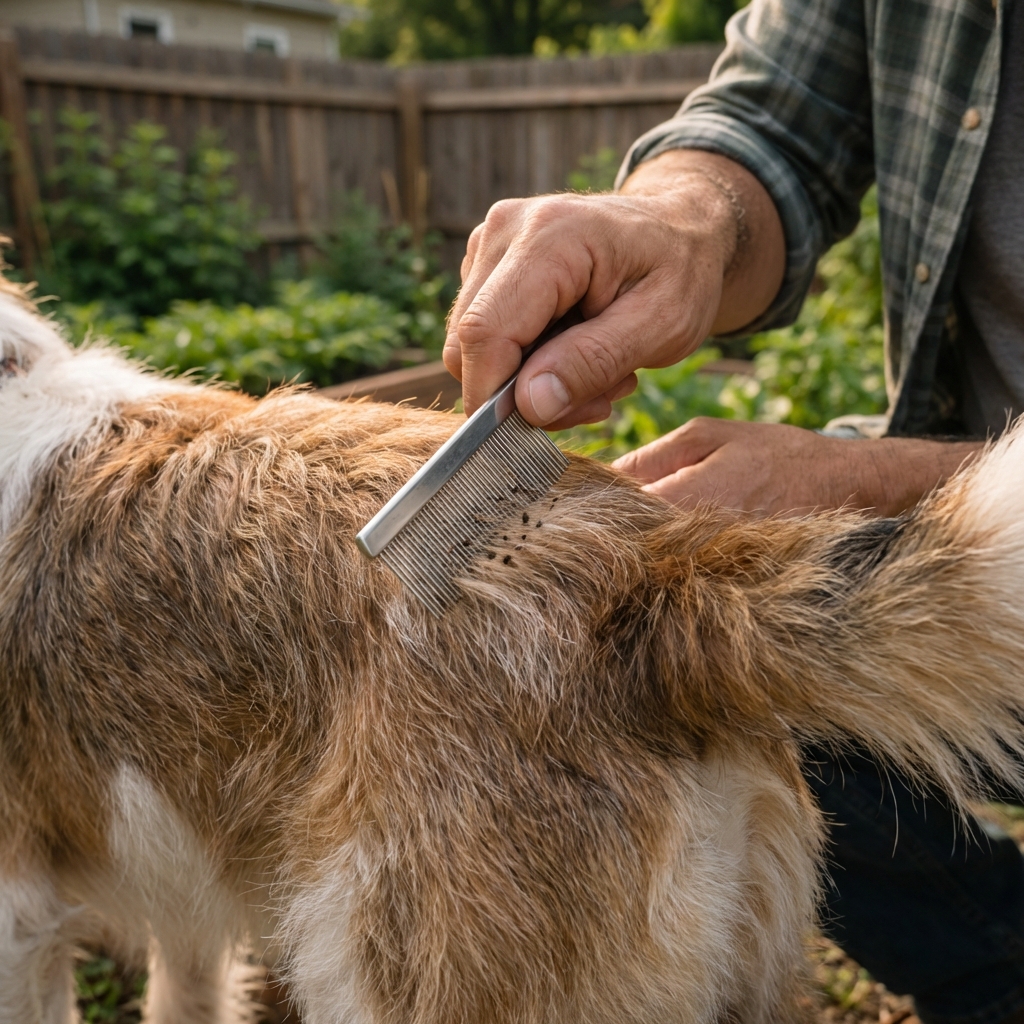
- Use a flea comb on your pet’s back and near the tail base. Wipe debris onto a damp white paper towel. If it turns reddish-brown, that is flea dirt (digested blood).
- Wear white socks and walk across carpeted areas. Fleas often jump onto ankles.
- Set a simple trap at night: a shallow dish of soapy water under a lamp. This can help monitor activity. Results vary, but it can confirm fleas are present.
Action plan: next 24 hours
If you are overwhelmed, do these in order. This is the fastest way to reduce bites and stop the spread.
Step 1: Treat every pet in the home (same day)
If you treat the house but not the pet, you are bailing water with the faucet still on.
- Use a vet-recommended flea treatment appropriate for the species and weight. Dogs and cats are not interchangeable. Some dog products can be dangerous for cats.
- Treat all pets, even the one that “doesn’t itch.” Fleas move around.
- If your pet is very young, pregnant, or has health issues, call your vet for the safest option.
Fast relief tip: If you need immediate knockdown, ask your vet about products that kill adult fleas quickly. Avoid DIY dosing or using multiple chemical products at once unless a vet advises it.
Keep it going: To fully break the cycle, keep every pet on consistent prevention for at least 3 months (or as your vet recommends), even after the bites stop.
Step 2: Strip and wash what fleas love
- Wash pet bedding, throw blankets, slipcovers, and any washable fabrics your pet lounges on.
- Use hot water when safe for the fabric, then dry on high heat for at least 30 minutes.
- Bag clean items so they stay flea-free until the home treatment is done.
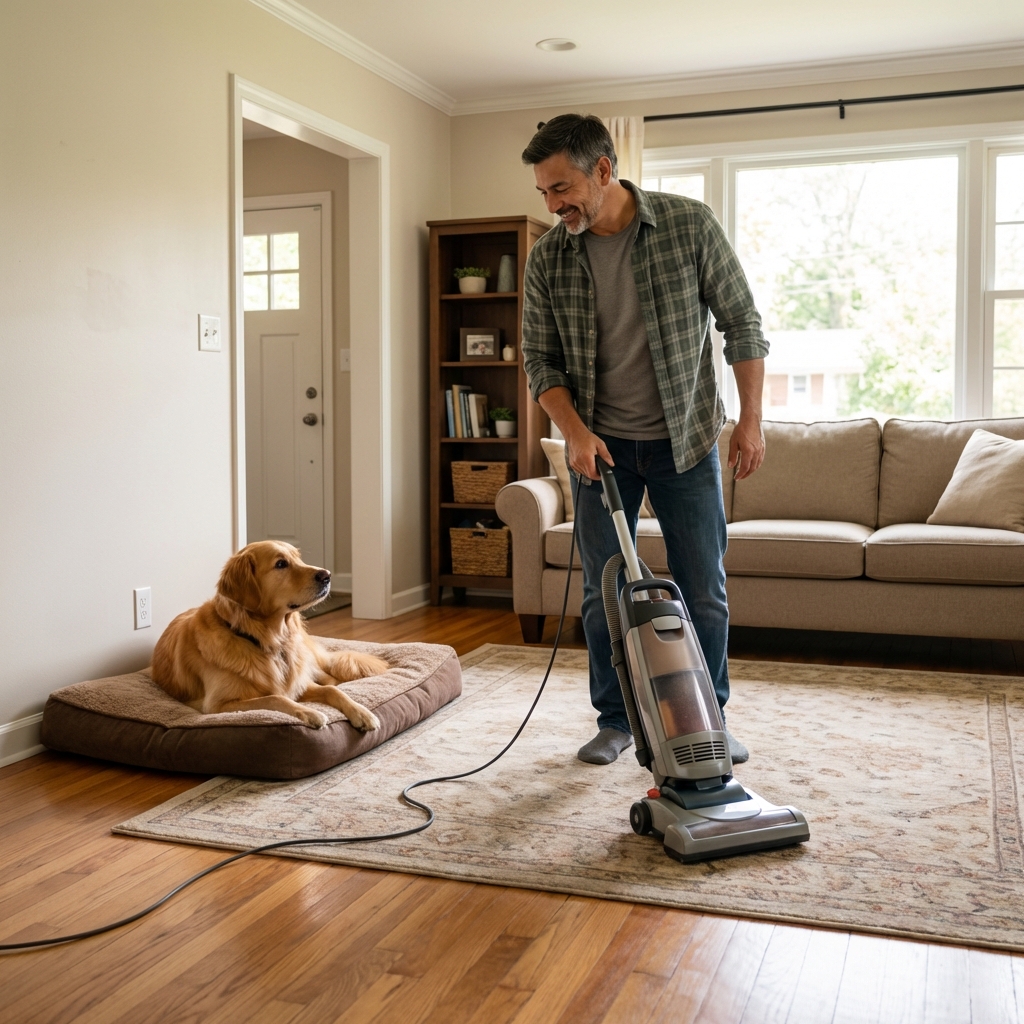
Step 3: Vacuum like you mean it
Vacuuming helps physically remove some eggs and larvae, and it can encourage more adults to emerge from pupae so they can be killed by treatment. It will not get everything in one pass and it does not do much to pupae inside cocoons.
- Vacuum carpets, rugs, baseboards, under furniture, and pet hangout zones.
- Use a crevice tool along edges and cracks.
- Empty the canister outside right away or remove the bag and seal it in a trash bag.
Timing that works: Vacuum once today, then daily (or every other day) for 2 weeks in the worst rooms. If you have lots of carpet, keep up the routine longer.
Step 4: Treat the home (targeted, not random)
You have two main routes: a carefully chosen insecticide, or a lower-toxicity approach that still focuses on the flea cycle.
Important: Home sprays and dusts are for the environment, not for your pet’s coat or skin. Use pet products only on pets, and home products only where the label allows.
Home treatment options that work
Option A: Flea spray with an IGR (best for the cycle)
Look for a home flea spray labeled for indoor use that includes an IGR (insect growth regulator). IGRs stop eggs and larvae from developing into biting adults.
- Treat carpet edges, cracks, under furniture, and pet resting areas.
- Follow label directions closely, especially ventilation and drying time.
- Keep kids and pets out until the treated areas are fully dry.
Why this works: Adult killers handle the current fleas. The IGR reduces the next generation.
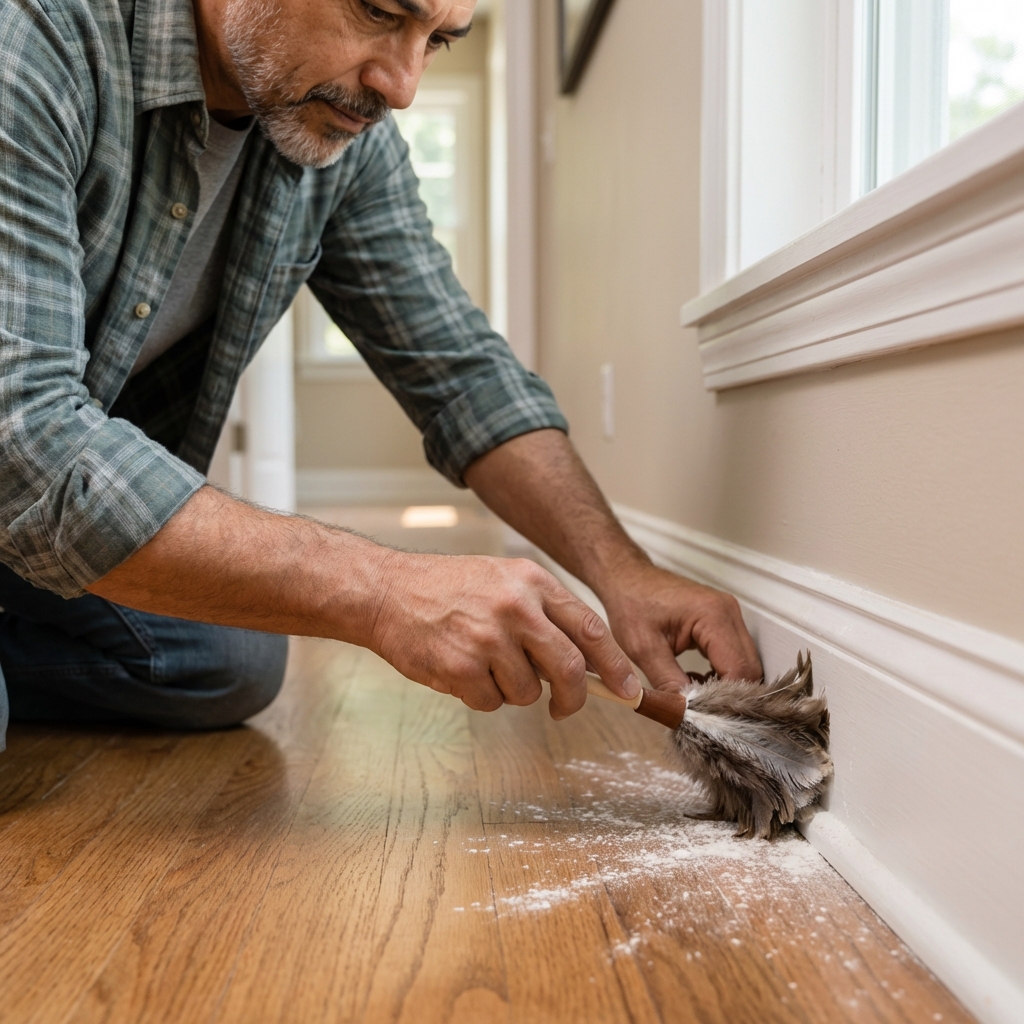
Option B: Diatomaceous earth (food grade) for dry cracks
Food-grade diatomaceous earth can help in dry, tucked-away spots by damaging insects’ outer coating. It is not an instant kill, it does not work well when damp, and results can be mixed compared with an IGR-based spray.
- Use a very light dusting in cracks, along baseboards, and under appliances.
- Avoid creating airborne dust. Wear a mask during application.
- Use sparingly. Dust can irritate lungs for both people and pets, so keep it away from breathing zones.
Important: Do not use pool-grade diatomaceous earth indoors. It is processed differently and can be harmful.
Option C: Professional treatment (when it is heavy)
If you are seeing fleas in multiple rooms, getting bitten daily, or you have a home with lots of carpet and pets, a licensed pest professional can save time. Ask if they use an IGR and what follow-up schedule they recommend.
What not to do
- Do not treat only the house and skip the pet. This is the biggest reason infestations drag on.
- Do not bomb the house first. Foggers often fail to reach under furniture and along edges where fleas actually are, and they can disperse fleas into other areas.
- Do not mix multiple flea chemicals at once on pets or in the home unless a vet or label explicitly says it is safe.
- Do not rely on essential oils as a primary treatment. Some are toxic to pets, especially cats, and results are unreliable.
- Do not stop after one cleaning. Eggs can keep hatching and adults can keep emerging from pupae.
Follow-up schedule
Flea control is a short campaign, not a one-day project. Here is an easy timeline you can stick to:
Days 1 to 3
- Treat pets (day 1).
- Wash bedding and fabrics (day 1 and again as needed).
- Vacuum daily in key rooms.
- Apply your chosen home treatment (spray with IGR or targeted dusting).
Days 4 to 14
- Continue vacuuming daily or every other day.
- Rewash pet bedding weekly, more often if your pet sleeps on blankets.
- Expect to see a few fleas. Adults can still emerge from pupae.
Weeks 2 to 4 (and longer if needed)
- Re-treat the home only if the product label recommends it and you still see activity.
- Keep pets on consistent monthly prevention.
- If you have heavy carpet coverage or a long-standing infestation, plan for a longer tail. Some homes take 6 to 8+ weeks for complete control.
Rule of thumb: If bites and sightings are not clearly trending down after 10 to 14 days, you likely have a missed source (untreated pet, untreated room, wildlife nesting nearby) or you need a stronger home treatment plan.
Carpet vs hard floors
Where fleas hide depends on your flooring.
- Carpet and rugs: Expect a longer fight. Focus on edges, under furniture, and pet rest areas. Vacuum more often.
- Hard floors: Fleas tend to concentrate in cracks, along baseboards, and in nearby soft items (rugs, pet beds, couches). Vacuum and mop, and treat seams and edges where the label allows.
Outdoor and entry-point control
Most “mystery” flea returns happen because fleas are being reintroduced from outside.
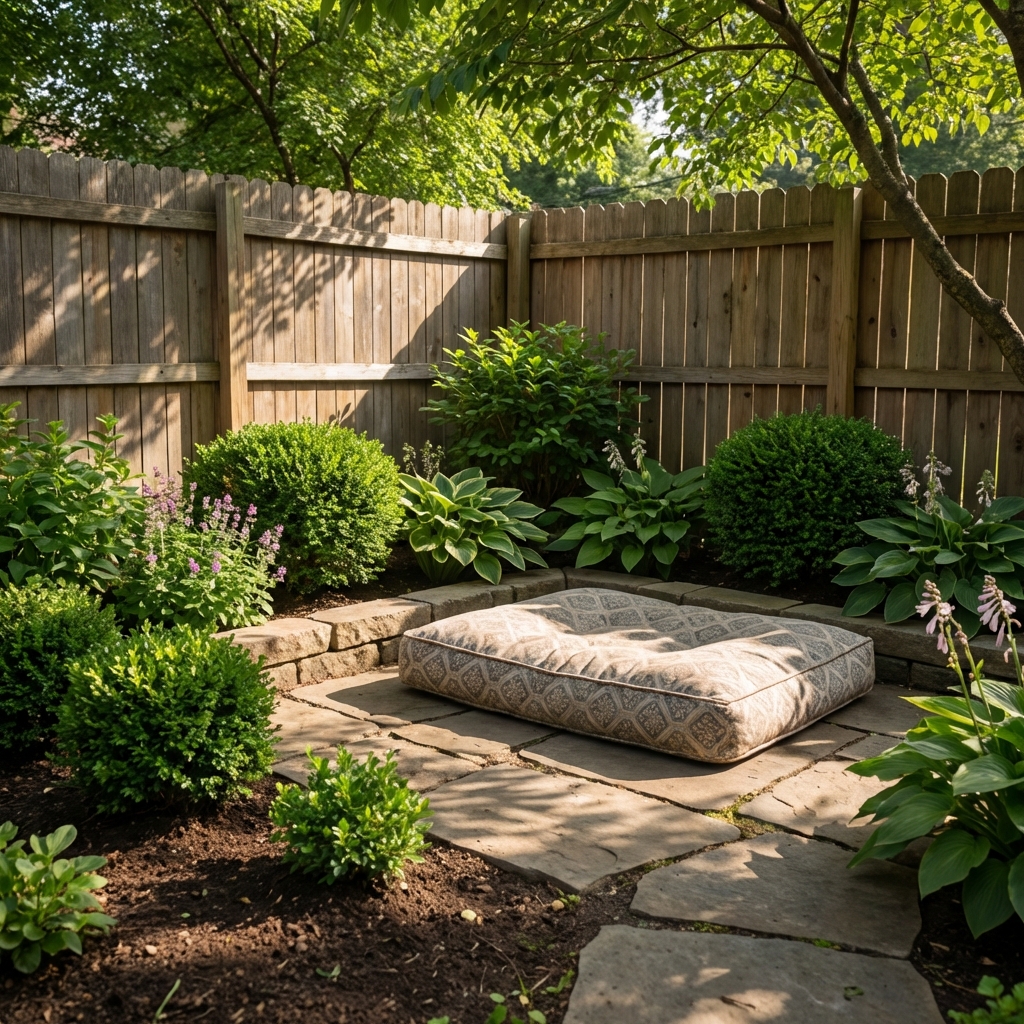
Focus on pet zones, not the whole yard
- Rake shaded, damp areas where pets rest.
- Trim tall grass and weeds near patios and fence lines.
- Wash outdoor pet bedding or bring it inside to launder.
Check for wildlife activity
- Look for animal nesting under decks, sheds, crawlspaces, or porches.
- If you suspect wildlife, address that first or you will keep fighting the same battle.
Fast relief for bites
For people
- Wash bites with soap and water.
- Use an over-the-counter anti-itch cream or oral antihistamine as directed.
- Avoid scratching to prevent infection.
For pets
- Use a flea comb daily during the first week to physically remove fleas.
- Ask your vet about soothing shampoos or treatments if your pet’s skin is irritated.
- If your pet seems lethargic, pale, or is a very small animal with heavy fleas, contact a vet right away. Fleas can contribute to anemia in severe cases.
- If you see “rice-like” segments near your pet’s rear or in bedding, ask your vet about tapeworms. Fleas can spread them.
- If your pet has intense itching, scabs, hair loss, hot spots, or a bad smell from the skin, ask your vet about flea allergy dermatitis or infection.
FAQ
How long does it take to get rid of fleas in a house?
With pet treatment plus vacuuming and an IGR-based home spray, many homes see major improvement in 7 to 14 days. Full control often takes 2 to 4 weeks. If the infestation is heavy or long-standing (especially with lots of carpet), it can take 6 to 8+ weeks because pupae are protected in cocoons and can keep producing new adults.
Why do I still see fleas after cleaning?
New adult fleas can emerge from pupae even after you kill the adults and remove eggs. This is normal early on. Keep vacuuming and follow your treatment schedule.
Do I need to throw away rugs or furniture?
Almost never. Consistent vacuuming, hot laundering, and correct treatment are usually enough.
Are fleas only a summer problem?
No. Indoor heating can let fleas stay active year-round. Prevention is easier than a full reset.
Simple checklist
- Treat all pets the same day with a safe, effective product.
- Keep prevention going consistently for at least 3 months.
- Wash and hot-dry pet bedding, throws, and washable covers.
- Vacuum edges, under furniture, and pet areas. Empty vacuum outdoors.
- Use an indoor flea spray with an IGR for carpets and cracks, following the label.
- Vacuum daily or every other day for 2 weeks (longer for heavy carpet or heavy infestations).
If you want, tell me what you are dealing with (dog or cat, carpet or hard floors, and how bad it is), and I can suggest a tighter plan for your exact setup.

Jose Brito
I’m Jose Britto, the writer behind The Country Store Farm Website. I share practical, down-to-earth gardening advice for home growers—whether you’re starting your first raised bed, troubleshooting pests, improving soil, or figuring out what to plant next. My focus is simple: clear tips you can actually use, realistic expectations, and methods that work in real backyards (not just in perfect conditions). If you like straightforward guidance and learning as you go, you’re in the right place.