Fleas are stubborn for one main reason: most of what you are fighting is not the biting adults you see. It is the hidden life cycle in carpets, cracks, pet bedding, and shady outdoor spots where pets rest. The good news is you can beat fleas without turning your home into a chemical zone. You just need a plan that hits adults, eggs, larvae, and pupae at the same time.
This guide focuses on practical, lower-tox steps that work in real homes: consistent cleaning, smart pet treatment, targeted indoor products, and a few yard fixes that reduce reinfestation.
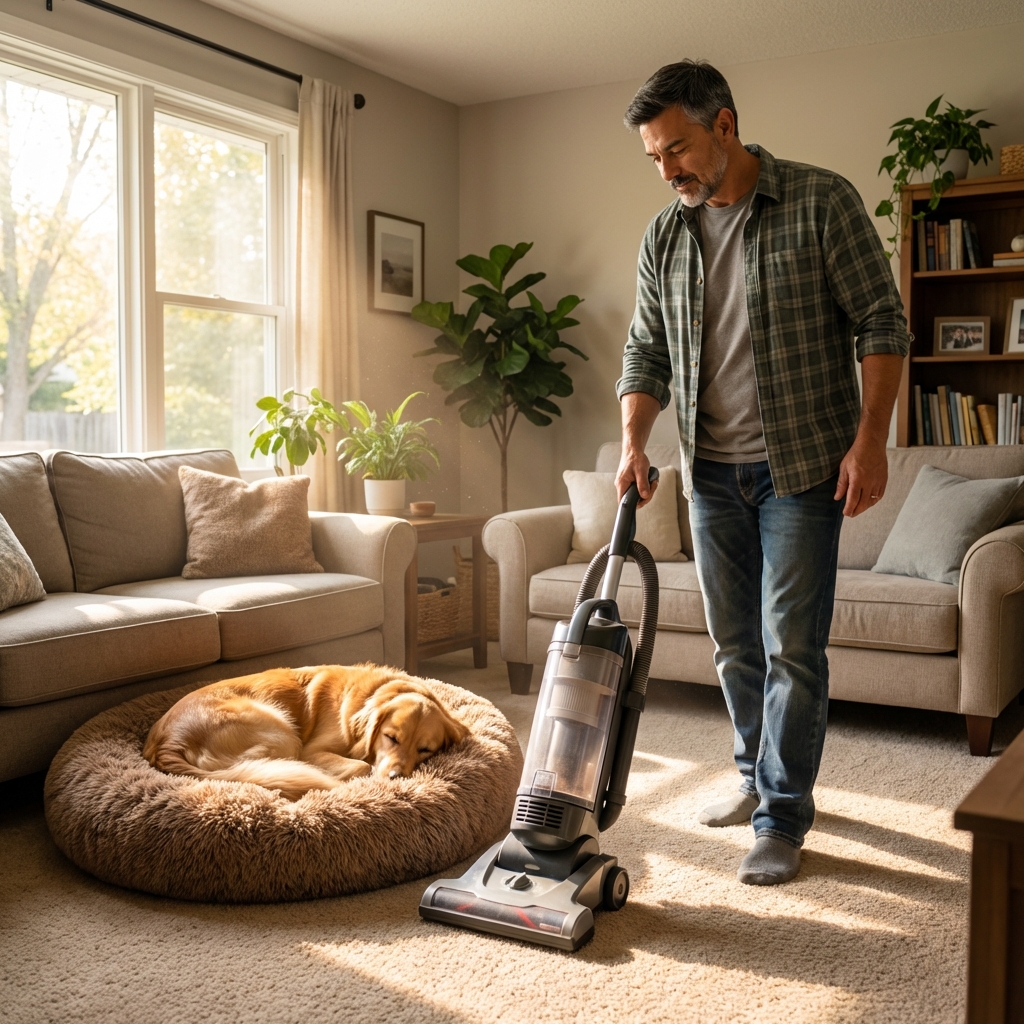
Know what you are up against
Fleas go through four stages: egg, larva, pupa, adult. Adults bite and typically live on pets, but the other stages hide in the environment.
- Eggs fall off pets into carpet, rugs, couch cushions, bedding, and floor cracks.
- Larvae avoid light and wriggle deeper into carpet fibers and dusty edges.
- Pupae are protected in a cocoon and can wait weeks or even months. This is why fleas can “come back” after you think you cleaned.
- Adults emerge when they sense heat, vibration, and carbon dioxide. Vacuuming can help by stimulating adults to emerge from pupae, which is useful when you are treating consistently.
Most infestations take 2 to 6 weeks to fully knock down in a typical home, but timing varies with temperature, humidity, how heavy the infestation is, and how consistently pets are protected. The goal is steady pressure, not one magic spray.
Step 1: Treat pets first
If you have pets, they are the main food source for adult fleas. Start here, even if you plan to keep things “natural.” You do not need the harshest product on the shelf, but you do need something proven.
Important: Treat all pets in the household at the same time, or fleas will keep cycling.
What to do today
- Talk to your vet if your pet is very young, elderly, pregnant, or has health issues. That matters for product safety.
- Use a vet-recommended flea preventive (oral or topical). These are often the fastest way to stop bites and prevent egg-laying. Follow the product label exactly.
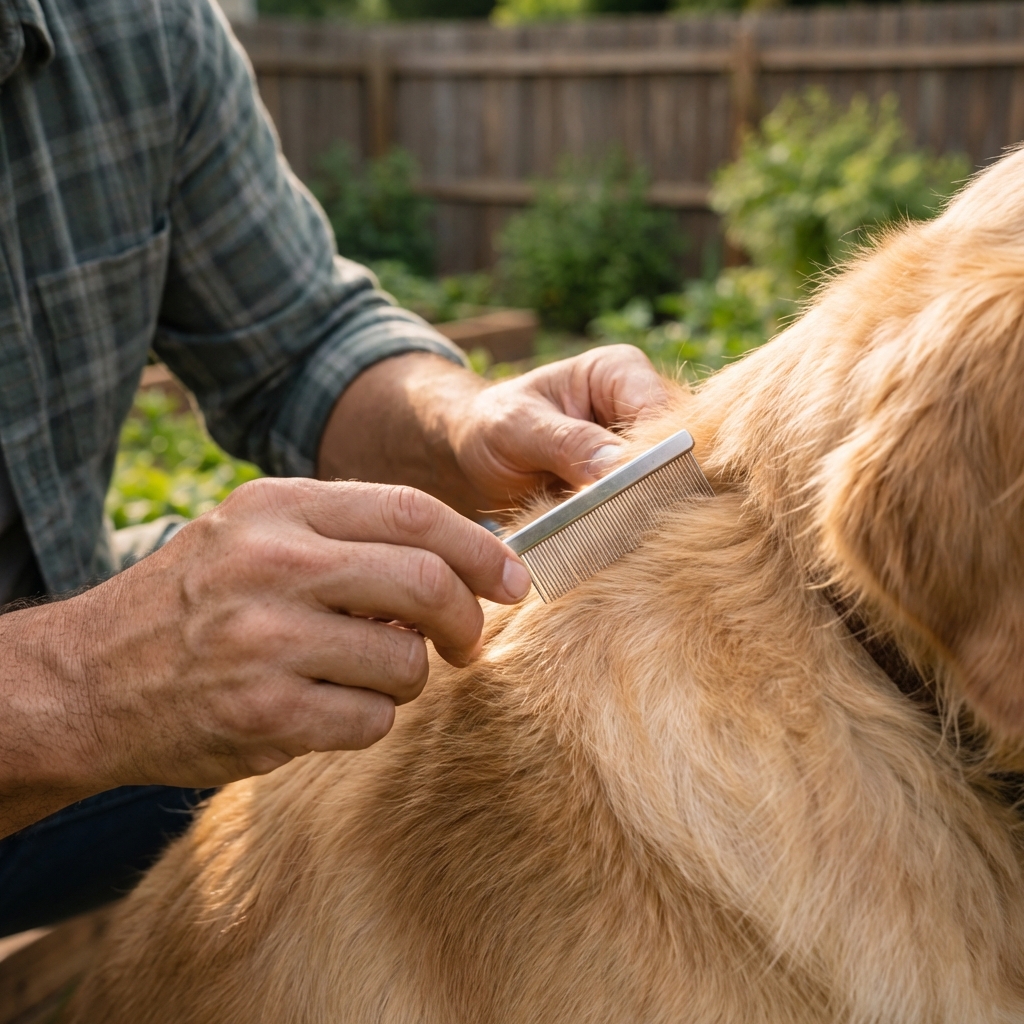
- Comb daily with a flea comb for a week. Dip the comb into soapy water to kill what you catch.
Health note
If your pet is very small, very young, or seems weak or pale, call your vet. Heavy flea loads can contribute to anemia in vulnerable pets. Also ask your vet about tapeworm risk if you have had fleas, since pets can pick up tapeworms by swallowing infected fleas.
Lower-tox note
Many essential oils can be risky for pets, especially cats. Tea tree oil, pennyroyal, eucalyptus, and clove oil can cause serious reactions. If a “natural” spray is not clearly labeled as pet-safe and species-specific, skip it.
Step 2: Wash and dry with heat
Heat is one of your best low-tox tools. Focus on anything your pet touches often.
Laundry checklist
- Pet bedding, blankets, crate pads
- Your bedding if pets sleep with you
- Throw blankets on couches and chairs
- Washable rugs and slipcovers
Wash in warm or hot water when safe for the fabric, then dry on high heat. Aim for at least 30 minutes of high heat (or longer if the load is bulky). Follow fabric care labels.
If something cannot be washed, run it through the dryer on high heat if safe. If that is not possible, seal it in a plastic bag for several weeks. This is a backup option, not a primary fix, since pupae can persist longer and emerge later.
Step 3: Vacuum daily
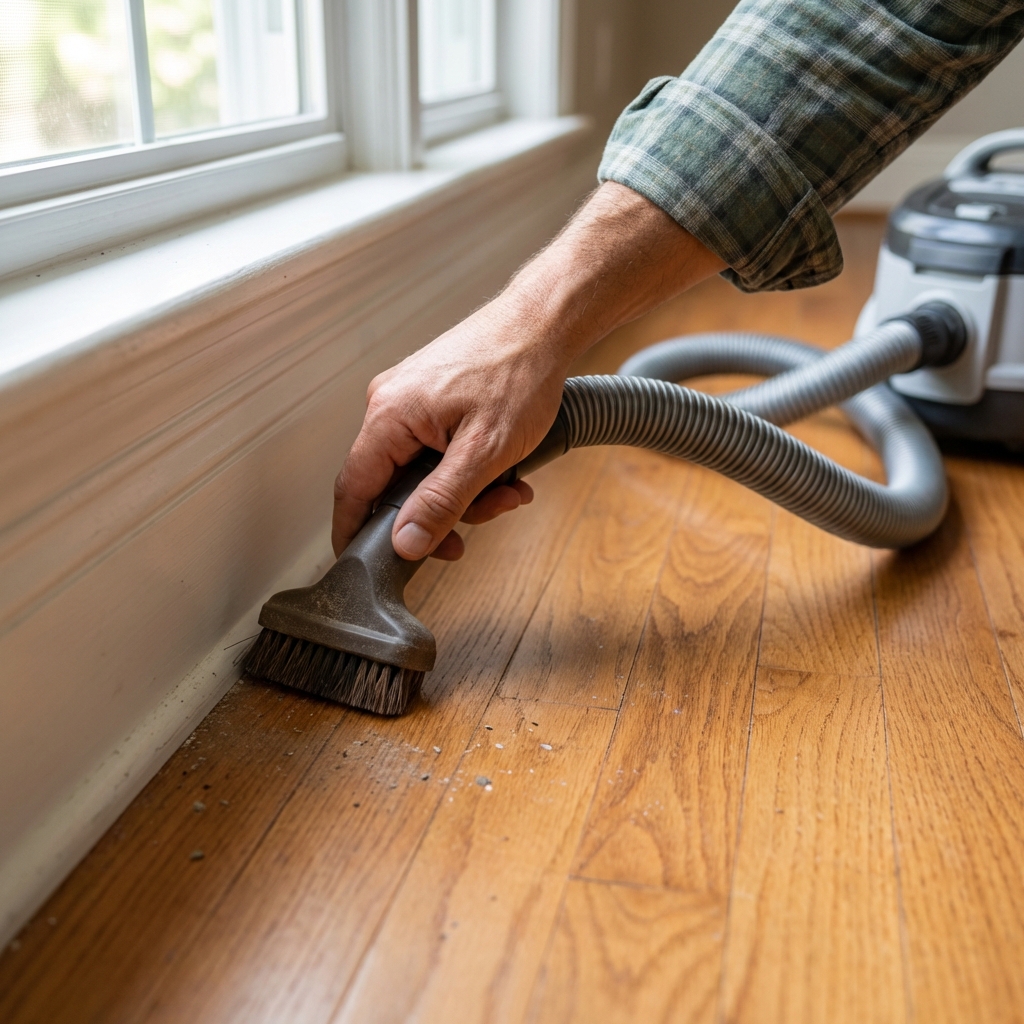
Vacuuming removes eggs, larvae, flea dirt, and some adults. It also helps pull larvae out of protected zones and encourages pupae to release emerging adults so treatments can work.
Where to vacuum
- Carpets and rugs, especially edges and under furniture
- Upholstery, cushions, and pet-favorite spots
- Baseboards and floor cracks
- Under beds and in closets where pets sneak in
How often
- Daily for 7 to 10 days during the heavy phase
- Then every other day for 2 to 3 weeks
Disposal tip
Empty the canister outside immediately, or remove the bag. Seal it in a trash bag and take it out. This simple step prevents captured fleas from finding their way back into your home.
Step 4: Use a life-cycle treatment indoors
If you have more than a few fleas, cleaning alone is usually not enough. The most effective lower-tox strategy indoors is to use a product that includes an IGR, which stands for insect growth regulator. IGRs stop eggs and larvae from developing into biting adults.
Best option for most homes: IGR plus targeted adult killer
Look for products that contain an IGR such as methoprene or pyriproxyfen. These are commonly used because they are very effective at breaking the cycle when paired with vacuuming and pet treatment.
- Use sprays, not foggers, in most cases. Foggers often fail because they do not reach under furniture and into edges where larvae hide.
- Spot treat carpets, rug edges, pet rest areas, and cracks instead of soaking your whole home.
- Follow the label exactly and keep pets and kids off treated areas until fully dry.
- Plan for follow-up: many products require a second application around 10 to 14 days later, but the label is the final word.
Alternative: diatomaceous earth (DE), used carefully
Food-grade diatomaceous earth can help in dry indoor areas by damaging the waxy coating of insects. It works best for light infestations and as a supplement to vacuuming.
- Use food-grade only.
- Apply a thin dusting into cracks, along baseboards, and under appliances. Less is more.
- Avoid breathing the dust and keep it out of eyes. Wear a mask during application and ventilate if needed.
- Do not apply where pets sleep, roll, or groom. DE can irritate lungs if it gets kicked up.
- Do not use DE in damp spots. It clumps and stops working.
If anyone in the home has asthma or respiratory sensitivity, skip DE and stick with cleaning plus an IGR-based approach.
Step 5: Fix the yard hot spots
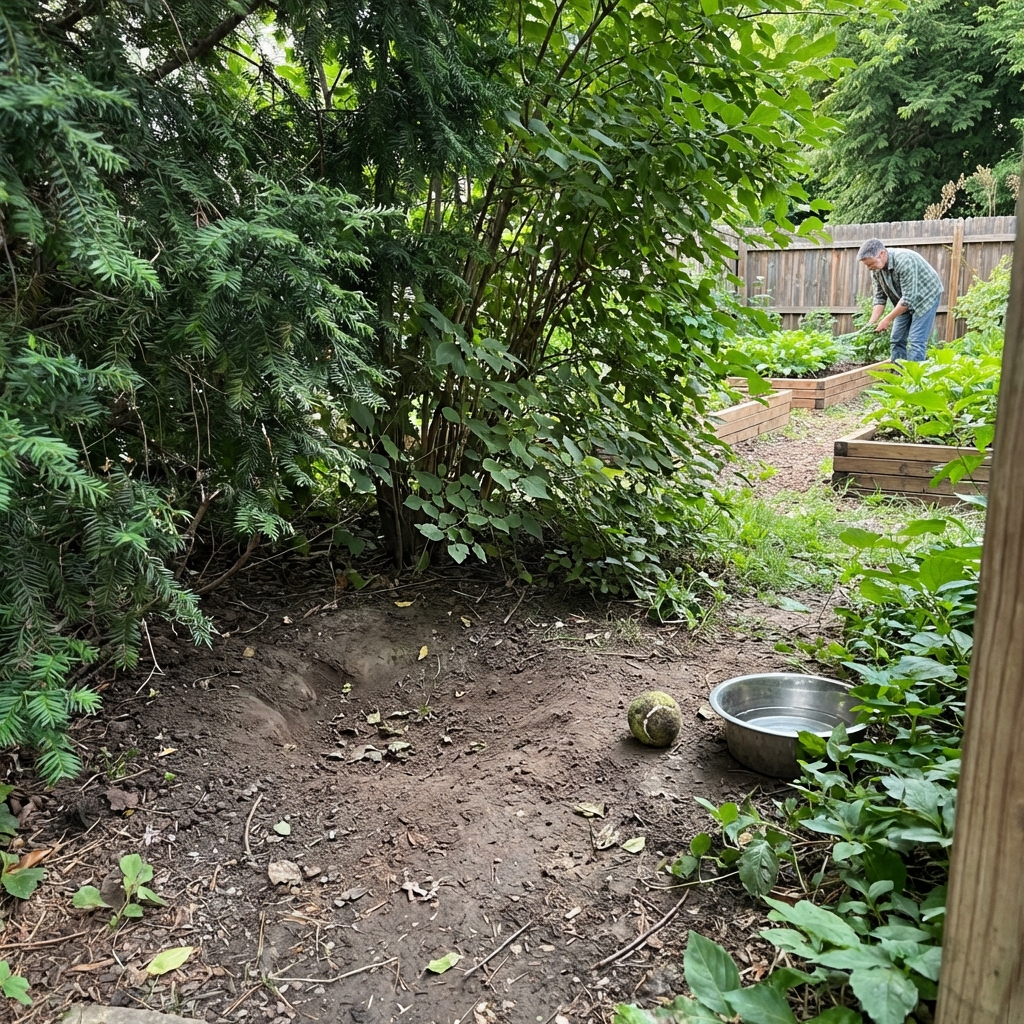
If your pet goes outdoors, your yard can keep re-seeding fleas inside. Fleas love cool, shaded, slightly moist areas with organic debris. Think under decks, under shrubs, along fences, and in dog lounging zones.
Quick yard fixes
- Mow and edge regularly so sunlight hits the soil surface.
- Rake up leaf litter and remove thick thatch where larvae hide.
- Prune dense shrubs to improve airflow and light.
- Limit wildlife attractants (fallen fruit, open compost, pet food outdoors). Raccoons, stray cats, and possums can carry fleas.
- Wash outdoor pet bedding and move rest spots into sunnier areas when possible.
Garden-aware yard treatments
- Beneficial nematodes (often sold as Steinernema carpocapsae or Steinernema feltiae) can reduce flea larvae in soil in some climates. Results vary. Apply when soil is moist and temperatures fit the product directions.
- Water management: avoid overwatering shady zones where pets rest. Fleas do better with humidity.
Skip broad insecticide spraying of the whole yard if you can. It can harm beneficial insects and does not address why fleas are thriving in the first place.
A simple 14-day schedule
If you like having a plan to follow, here is a solid two-week push. Adjust for your home size and how heavy the infestation is.
Days 1 to 3
- Treat pets (and all other household pets) with a vet-recommended preventive
- Wash and dry pet bedding and throw blankets on high heat
- Vacuum daily, including edges and upholstery
- Apply an IGR-based spray to key areas (or use DE carefully in cracks if appropriate)
Days 4 to 7
- Vacuum daily
- Flea comb pets once per day
- Rewash pet bedding mid-week if bites are still happening
Days 8 to 14
- Vacuum every other day
- Continue combing
- Do yard cleanup: mow, rake, open up shade, clean pet rest zones
If you still see fleas after two weeks, that does not always mean failure. It can be pupae finally releasing adults. Keep vacuuming and follow product reapplication timing on the label. If activity is not trending down by week three, consider calling a professional.
How to tell you are improving
It helps to measure progress instead of guessing.
- White socks test: Walk through carpeted areas in white socks. Fleas are easier to spot when they jump onto the fabric.
- Simple trap: Place a small light near a shallow dish of soapy water at night (out of reach of kids and pets). Fleas can jump toward the light and get trapped. This is mainly for monitoring, not full control.
- Comb results: Flea dirt and live fleas in the comb should become rare over 2 to 4 weeks.
Mistakes that keep fleas coming back
- Treating the house but not the pet, or treating one pet but not all pets.
- Stopping too soon. You usually need several weeks of consistent vacuuming and follow-up.
- Using foggers only. They miss the edges and under furniture where larvae live.
- Overusing “natural” sprays that are not proven and may irritate pets and people.
- Ignoring outdoor shade zones where pets nap.
When to call a pro
Bring in a licensed pest professional if:
- Someone in the home is having significant allergic reactions to bites
- You have a large home with wall-to-wall carpet and heavy infestation
- You cannot treat pets effectively due to health limitations
- You have repeated reinfestations and suspect wildlife nesting under a deck or in crawl spaces
Ask what products they use, whether they include an IGR, and what prep steps they recommend. A good company will explain the plan and the timeline.
Quick FAQ
Will vinegar kill fleas?
Vinegar may repel a little, but it is not reliable for killing fleas or breaking the life cycle. Use your time on vacuuming, laundry heat, pet treatment, and an IGR.
Does baking soda and salt work?
Some people have luck drying out larvae with salt, but results are inconsistent and it can be hard on carpets and vacuums. It is not my first pick.
How do I know fleas are gone?
You should see a steady drop in bites and live fleas over 2 to 4 weeks. If you keep finding new fleas daily after week three, something is reintroducing them, usually pets, wildlife, or a missed indoor hot spot.
Bottom line
Garden-aware flea control is less about a single product and more about stacking a few reliable actions: treat pets, wash and dry with heat, vacuum repeatedly, and use a life-cycle product like an IGR when needed. Add a little yard cleanup and you cut off the outside supply line too.
If you want the simplest version: pets first, vacuum daily, heat laundry, then break the life cycle. Keep at it long enough for pupae to finish their cycle, and you will win.

Jose Brito
I’m Jose Britto, the writer behind The Country Store Farm Website. I share practical, down-to-earth gardening advice for home growers—whether you’re starting your first raised bed, troubleshooting pests, improving soil, or figuring out what to plant next. My focus is simple: clear tips you can actually use, realistic expectations, and methods that work in real backyards (not just in perfect conditions). If you like straightforward guidance and learning as you go, you’re in the right place.