Fleas are stubborn because they do not live only on your pet. They spread through carpets, rugs, pet bedding, sofa seams, and even cracks along baseboards. If you only treat the animal or only spray the floor, you usually end up right back where you started.
The goal is to break the flea life cycle. Adults bite and lay eggs. Eggs drop off into your home. Larvae hatch and hide in dusty, protected spots. Pupae can sit tight for weeks to months before “waking up” when they sense movement, warmth, and carbon dioxide. That is why a single round of treatment almost never works.
Know what you are dealing with
Common signs of fleas indoors
- Pets scratching, chewing, or sudden skin irritation, especially around the tail base and belly
- Small dark specks on your pet’s skin or bedding (flea dirt)
- Unexplained bites around ankles and lower legs
- Seeing tiny, fast-moving insects in carpet or on pet bedding
Quick “white towel” check
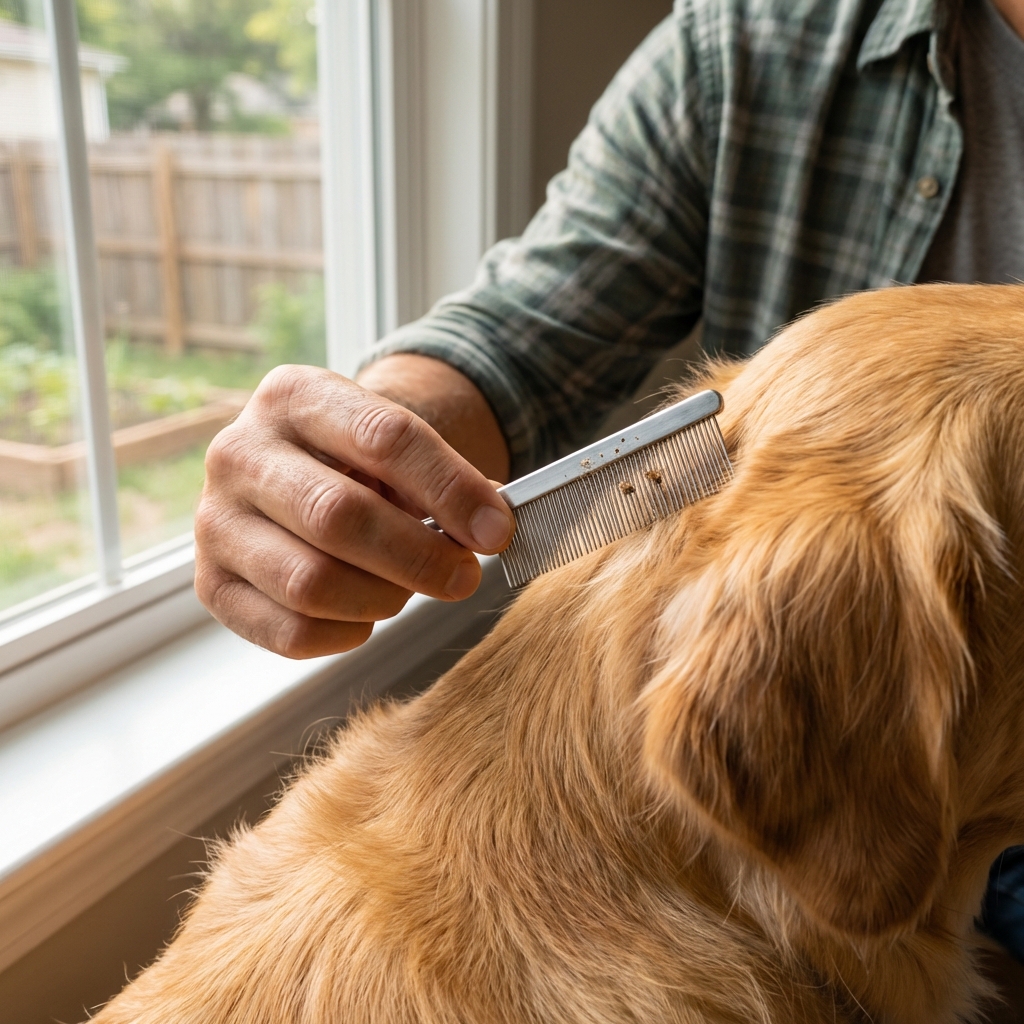
Comb your pet with a flea comb over a damp white paper towel. If you see dark specks that turn reddish brown when wet, that is flea dirt (digested blood). It is a strong sign fleas are active.
Your 3-part plan for flea control
For most homes, flea control succeeds when you do these three things together for long enough:
- Treat the pet(s) so adult fleas stop feeding and reproducing. This is usually the cornerstone.
- Deep clean the house so eggs, larvae, and pupae get removed or exposed.
- Target the environment with safe, proven tools so the next wave does not turn into biting adults.
Step 1: Treat your pets first
If pets are not treated, fleas will keep getting reintroduced to the house. Choose a vet-recommended product appropriate for your animal’s species, age, and weight. In multi-pet homes, remember that many flea products are species-specific (for example, cats, dogs, and rabbits may need different options).
What usually works best
- Monthly topical or oral flea preventives (often the most reliable option)
- Flea combing daily for a week to reduce adults and monitor progress
- Bathing can help knock down adults, but it rarely fixes an infestation by itself
Important safety notes
- Do not use dog flea products on cats. Some ingredients can be dangerous for cats.
- If your pet is very young, elderly, pregnant, or has health issues, confirm treatment with a veterinarian.
- Treat all pets in the household, even if only one is scratching.
When to call the vet
- Intense itching, scabs, hair loss, or hotspots (possible flea allergy dermatitis)
- Tapeworm segments that look like rice grains near the tail or in bedding
- Kittens or puppies that seem weak or pale (heavy flea loads can contribute to anemia)
Step 2: Vacuum like you mean it
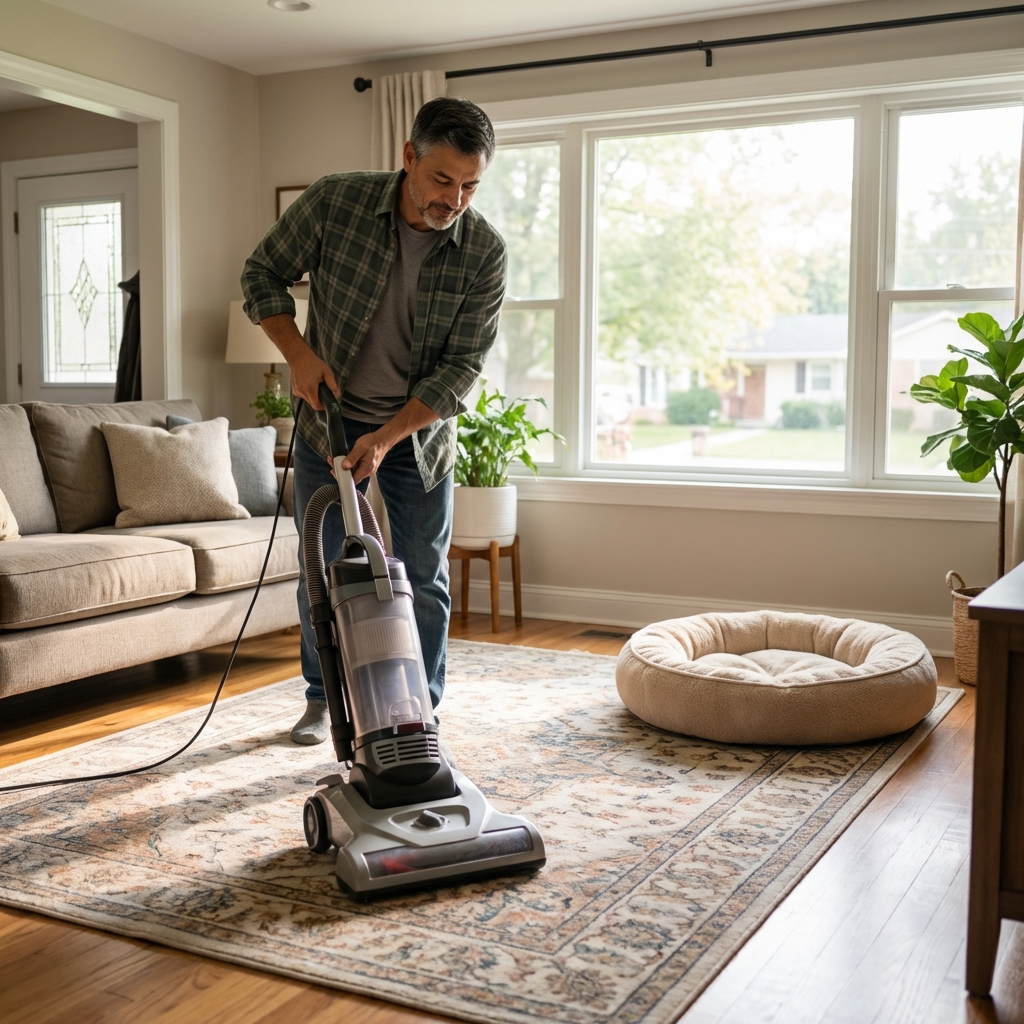
Vacuuming is not just “cleaning.” It is one of the best ways to remove eggs and larvae and it can help stimulate pupae to emerge, which makes follow-up steps more effective. It is not a guarantee, so consistency matters.
Where to vacuum
- Carpets and rugs, especially edges and under furniture
- Upholstered furniture, including cushions and seams
- Pet sleeping areas and nearby floor space
- Cracks along baseboards and corners where dust gathers
How often
- First 7 to 10 days: vacuum daily if you can
- Next 2 to 3 weeks: vacuum every other day
- Maintenance: 1 to 2 times per week during flea season
Do not skip this part
Empty the canister outside or remove the bag immediately. Seal it in a trash bag and take it out. Fleas can survive inside vacuum debris.
Step 3: Wash and heat treat what matters
Heat is your friend. Fleas and their eggs do not handle high temperatures well.
What to wash
- Pet bedding, blankets, and soft toys
- Throw blankets on couches
- Removable slipcovers
- Your bedding if pets sleep with you
Best settings
- Wash: warm or hot if the fabric allows
- Dry: use the hottest setting safe for the fabric and run it long enough for items to get fully hot throughout (often 30 to 40 minutes or more depending on load size)
Items that cannot be washed can often be run through the dryer on heat. For delicate items, seal them in a bag for a few weeks, but note that bagging is slower and less reliable than heat.
Home treatments: what helps and what to skip
Once your pets are on an effective product, home treatment and cleaning are what keep the life cycle from restarting in your floors and furniture.
Best options for most households
If you need more than vacuuming and laundry, focus on products that target the flea life cycle.
- Insect Growth Regulators (IGRs) help prevent eggs from hatching and disrupt larval development so they cannot mature into biting adults. They do not kill adult fleas, so they work best alongside pet treatment and cleaning.
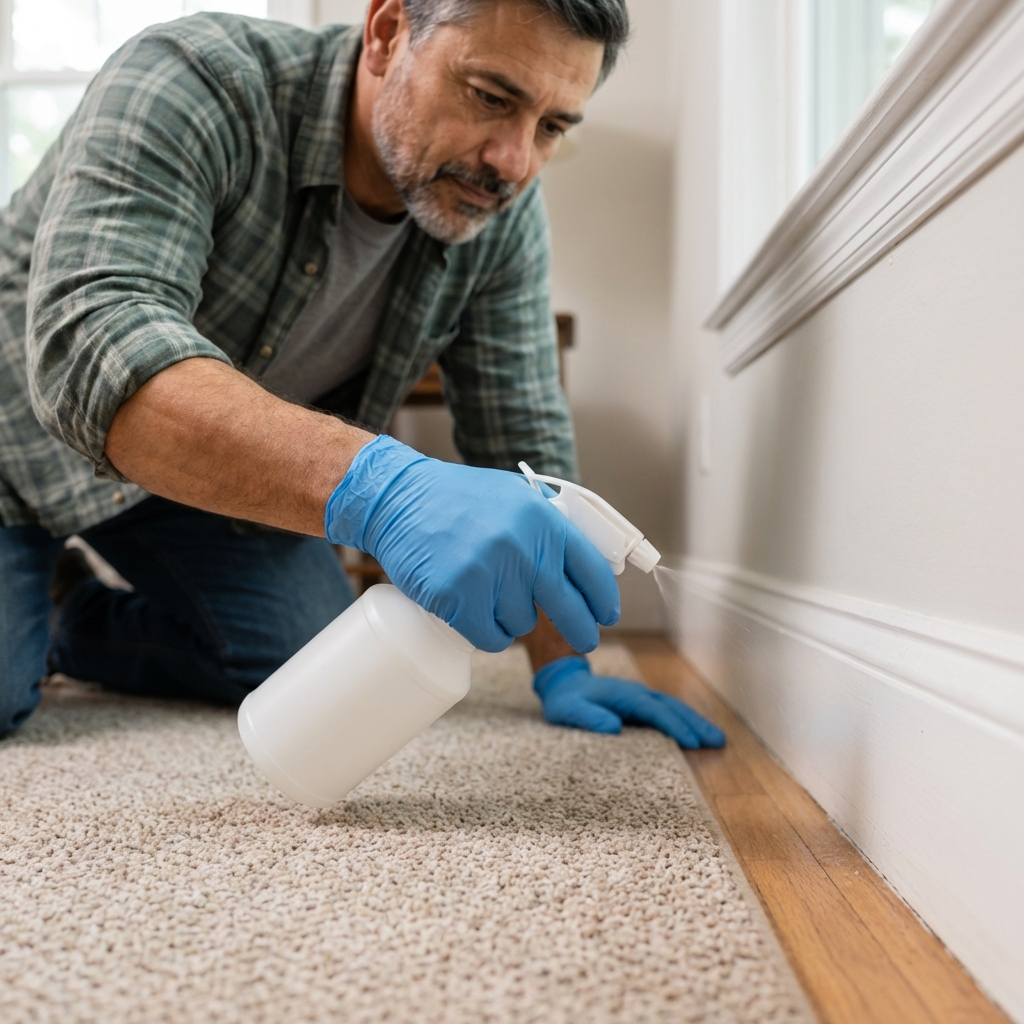
- Targeted sprays for carpets, baseboards, and pet areas can reduce adults and larvae when used as directed.
- Steam cleaning (optional) can help on carpets and upholstery if done carefully. Use enough heat to be effective, but avoid over-wetting, which can lead to lingering moisture and odors.
Use sprays the right way
- Read and follow the label exactly.
- Remove pets from the area until the product is fully dry and the room is ventilated.
- Do not soak carpets or furniture. Light, even coverage is typically what labels call for.
- Plan on a follow-up treatment in 10 to 14 days if the label recommends it. This catches newly emerged fleas.
What to be cautious with
- Foggers or “bug bombs” often miss the places fleas hide, like under furniture and deep in carpet. They can also push pests into new areas.
- Essential oils are not a dependable flea solution, and some are toxic to pets, especially cats.
Natural and low-tox options that can help
If you prefer a lighter approach, you can still make progress, but you have to be consistent and realistic. Natural methods work best as part of a bigger plan, not as the only plan during a heavy infestation.
Diatomaceous earth (food-grade) tips
- Use food-grade, not pool-grade.
- Apply a very thin dusting to carpets or cracks, then work it in with a broom.
- Keep it dry to be effective.
- Vacuum it up later and reapply if needed.
- Avoid creating airborne dust. Diatomaceous earth can irritate lungs in people and pets. Consider a mask during application and keep pets away until it settles, especially cats or pets with asthma or respiratory sensitivity.
Sticky light traps
Simple flea traps can reduce adults and show you where activity is highest. Place traps near pet sleeping spots or along walls in the evening.
Do not forget the yard (when it matters)
If your pet goes outside, the yard can be the refill station. Fleas prefer shady, humid spots with organic debris. If you live in an apartment or have indoor-only pets, yard treatment may not be necessary.
Yard hot spots
- Under decks and porches
- Shaded areas along fences
- Dog runs, kennels, and favorite nap spots
- Leaf litter and damp mulch
Simple yard fixes
- Rake and remove leaf litter and damp debris.
- Mow regularly and trim back dense ground cover.
- Limit irrigation in shady areas where soil stays damp.
- Wash outdoor pet bedding often, just like indoor bedding.

A realistic timeline
Even with solid treatment, you might see fleas for a few weeks. That does not always mean it failed. Pupae can keep emerging after you start, especially if you are vacuuming and stirring up “sleeping” fleas.
- Days 1 to 3: noticeable drop in adult fleas on pets if pet treatment is effective
- Week 1 to 2: continued sightings as new fleas emerge from pupae
- Weeks 3 to 4: most homes see a major improvement if cleaning and follow-up are consistent
Room-by-room checklist
Living room
- Vacuum under cushions and along couch seams
- Wash throw blankets
- Focus on rug edges and under coffee tables
Bedrooms
- Wash bedding, especially if pets sleep with you
- Vacuum along baseboards and under the bed
Entryways and hallways
- Vacuum traffic lanes where pets travel most
- Use a light trap at night if fleas are active here
When to call a professional
If you are doing consistent pet treatment, frequent vacuuming, laundry, and a proper IGR-based home treatment and still seeing heavy flea activity after 3 to 4 weeks, it may be time to bring in a licensed pest control professional.
- Choose a company that uses an IGR in their program.
- Ask about follow-up visits. One visit is often not enough.
- Tell them if you have cats, birds, fish tanks, or children so they can plan safely.
Prevention tips
- Keep pets on a vet-recommended flea preventive during flea season, and year-round in warmer climates.
- Vacuum regularly, especially in pet zones.
- Wash pet bedding weekly.
- Reduce shady, damp yard areas and keep leaf litter under control.
- Quarantine and treat new pets properly before they mix with the household.
Quick FAQ
Why do I still see fleas after treatment?
Often it is newly emerged fleas coming out of pupae. Stay consistent with vacuuming and follow the product’s re-treatment window if recommended.
Will cleaning alone get rid of fleas?
Light infestations sometimes improve with aggressive cleaning plus pet treatment, but many homes need an IGR-based environmental treatment to fully break the cycle.
Do fleas live in human hair?
They can bite people, but they prefer animal hosts and typically do not live in human hair like lice.

Jose Brito
I’m Jose Britto, the writer behind The Country Store Farm Website. I share practical, down-to-earth gardening advice for home growers—whether you’re starting your first raised bed, troubleshooting pests, improving soil, or figuring out what to plant next. My focus is simple: clear tips you can actually use, realistic expectations, and methods that work in real backyards (not just in perfect conditions). If you like straightforward guidance and learning as you go, you’re in the right place.