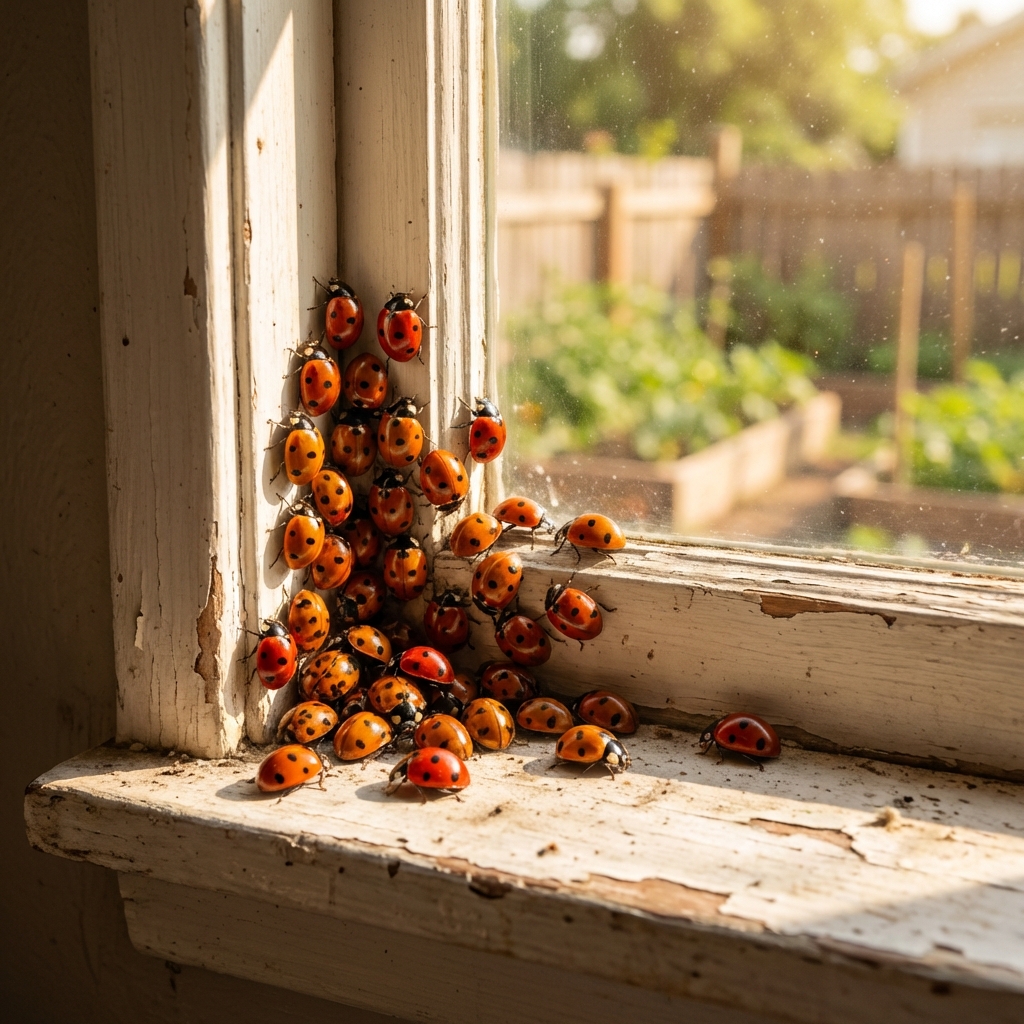
When ladybugs show up inside, it is usually not one or two lost wanderers. In many parts of the country, what people call “ladybugs” indoors are often Asian lady beetles that gather on sunny sides of homes in fall, then slip into tiny gaps to overwinter in wall voids or attics. They are not generally dangerous to people or homes, but they can be a nuisance, leave yellowish stains, and release a smelly defensive fluid when stressed. Some can also bite lightly, and in sensitive individuals the debris or odor can trigger allergies or irritation (especially if the fluid gets in eyes or on skin).
The good news is you can handle most indoor ladybug problems with simple, low-tox steps and a little prevention work. Below are practical steps that typically work in real houses.
First, confirm what you are dealing with
True native ladybugs are usually harmless and tend to stay outdoors where they hunt aphids. The indoor invaders are commonly Asian lady beetles. They look similar, but there are a few clues:
- Asian lady beetles often have a pale “M” or “W” shape on the area behind the head (the pronotum).
- They commonly show up in groups, especially near windows, ceilings, and sunny walls.
- They can bite lightly (more like a pinch) if handled. They are not known to spread disease to humans in homes.
Either way, the removal steps are the same. The key is to avoid crushing them so you do not set off odor and staining.
Fast, low-tox ways to remove them indoors
1) Vacuum them up the right way
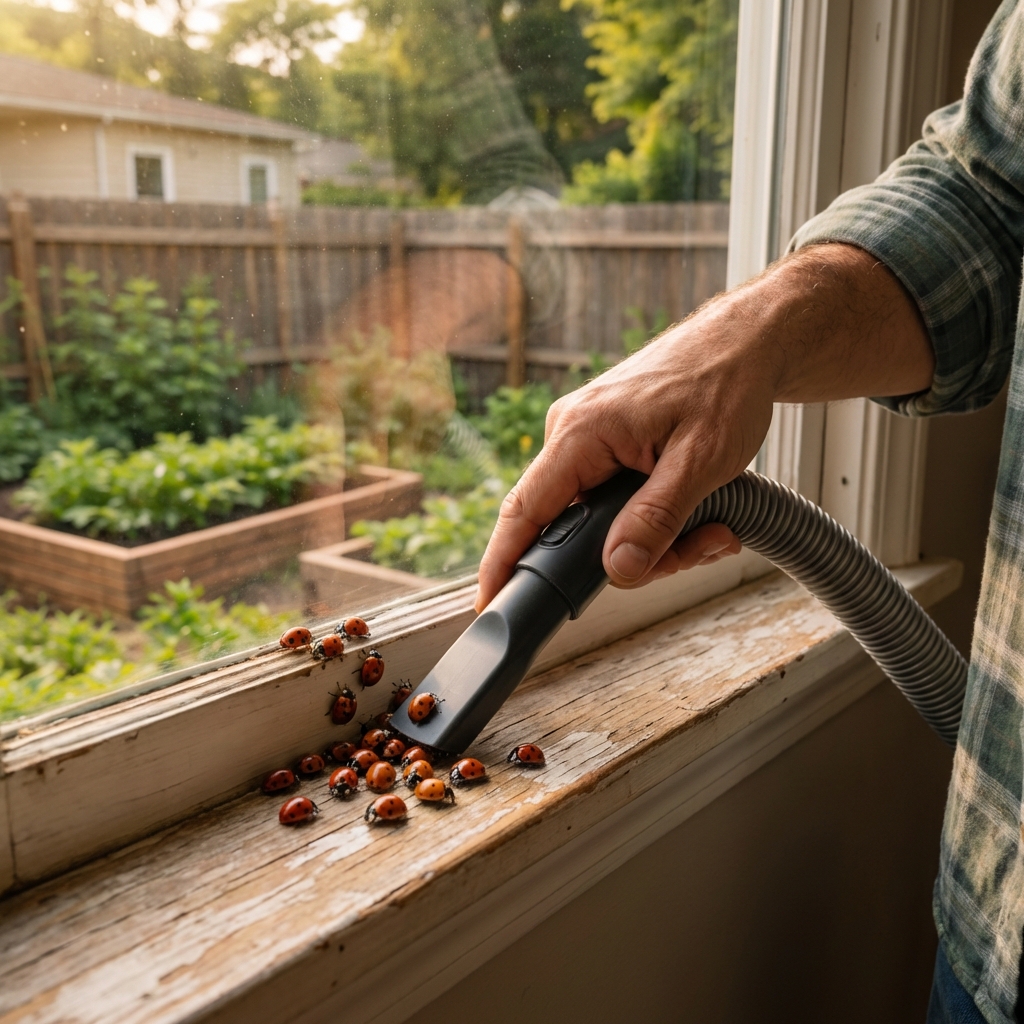
This is the quickest, cleanest method for a bunch of lady beetles in one spot.
- Use a hose attachment and vacuum them from windowsills, corners, and around light fixtures.
- If you have a bagged vacuum, even better. If bagless, empty the canister outside immediately (odor can linger if they sit in there).
- To reduce odor, you can put a small piece of paper towel with a few drops of peppermint essential oil inside the canister (not on filters, and only if your vacuum allows it).
What to do with what you vacuumed: If you are disposing, seal the contents in a bag and put it in an outdoor bin. If you are worried about escape or odor, you can also place the sealed bag (or the emptied contents in a sealed bag) in the freezer briefly before disposal.
Tip: If you want to keep them alive, some people use a handheld vacuum with a clean stocking in the tube to trap them, then release outdoors far from the house. In cold weather they often will not survive, so if that concerns you, sealed disposal may be more realistic.
2) Use a simple soap and water spray for stragglers
If you still see a few flying around each day, a mild soapy spray helps knock them down without harsher chemicals.
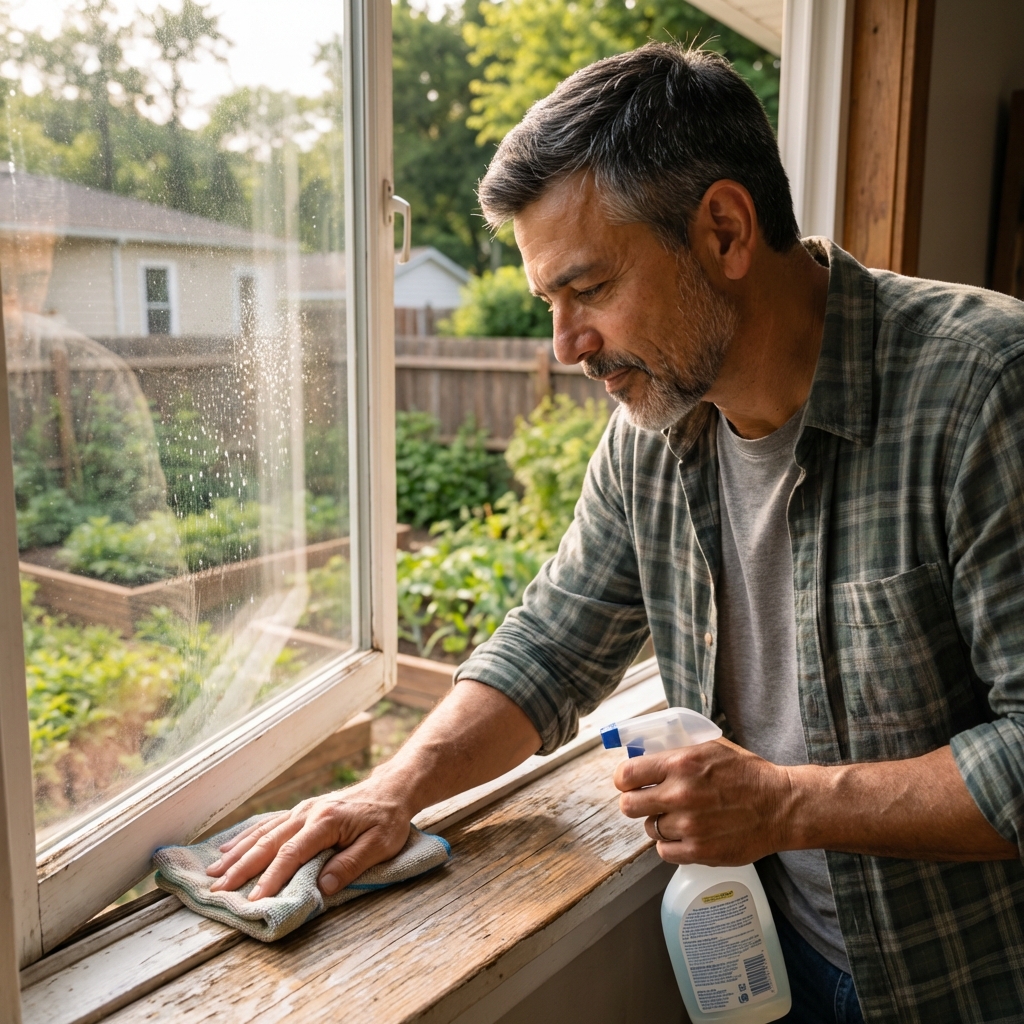
- Mix 1 teaspoon of mild liquid dish soap in 1 quart of water in a spray bottle.
- Lightly mist the bug and wipe it up with a damp cloth or paper towel.
- Follow with a clean-water wipe on painted surfaces to prevent soap residue.
Do not soak wood trim or drywall. A light mist is plenty.
3) Try a light trap at night (optional)
Indoors, lady beetles often head toward bright windows and warm, sunlit spots, especially when they are trying to get back outside. A simple light trap can sometimes reduce the number you see in the evening, but results vary. Think of it as a helpful add-on, not the main fix.
- Place a lamp over a shallow bowl of water with a drop of dish soap mixed in.
- Set it near a window or where you see them most.
- In the morning, dispose of the water and wipe the bowl.
This works best during peak activity when they are clustering indoors.
Repellents that may help (and how to use them)
Repellents will not solve an invasion by themselves, but they may help discourage lady beetles from hanging around entry points. Effects are usually short-lived, so think of these as support for sealing and removal. Always test on a small hidden spot first, especially on painted surfaces and finished wood.
Peppermint or citrus essential oil wipe
- Add 10 to 15 drops of peppermint, orange, or lemon essential oil to 1 cup of water.
- Add a small squirt of mild dish soap to help it mix.
- Wipe along windowsills, frames, and corner trim where you see activity.
Important: Keep essential oils away from pets and small children, and avoid using them where cats can lick surfaces. If you have pets, skip oils and focus on sealing and vacuum removal.
White vinegar wipe for cleanup
Lady beetles can leave behind residue (and sometimes chemical cues) where they cluster. A vinegar wipe is a simple way to clean the area and may help reduce whatever is drawing them back.
- Mix equal parts white vinegar and water.
- Wipe windowsills and areas where they cluster.
What not to do
- Do not crush them. This is what causes the yellow stains and the strong odor.
- Do not fog or spray indoor pesticides. It is often unnecessary exposure indoors, and it does not fix the entry problem.
- Do not rely on “repellent sachets” alone. If gaps are open, they will still get in.
Prevention that works: seal and screen
If you want the problem to stop next season, prevention is where you win. Ladybugs get in through tiny cracks, especially around sunny walls, soffits, and window trim.
Step 1: Find common entry points
- Gaps around window and door frames
- Worn weatherstripping
- Cracks in siding and around utility lines (hose bibs, cable, HVAC)
- Openings around soffits, fascia, and attic vents
- Torn window screens
Step 2: Seal them with the right materials
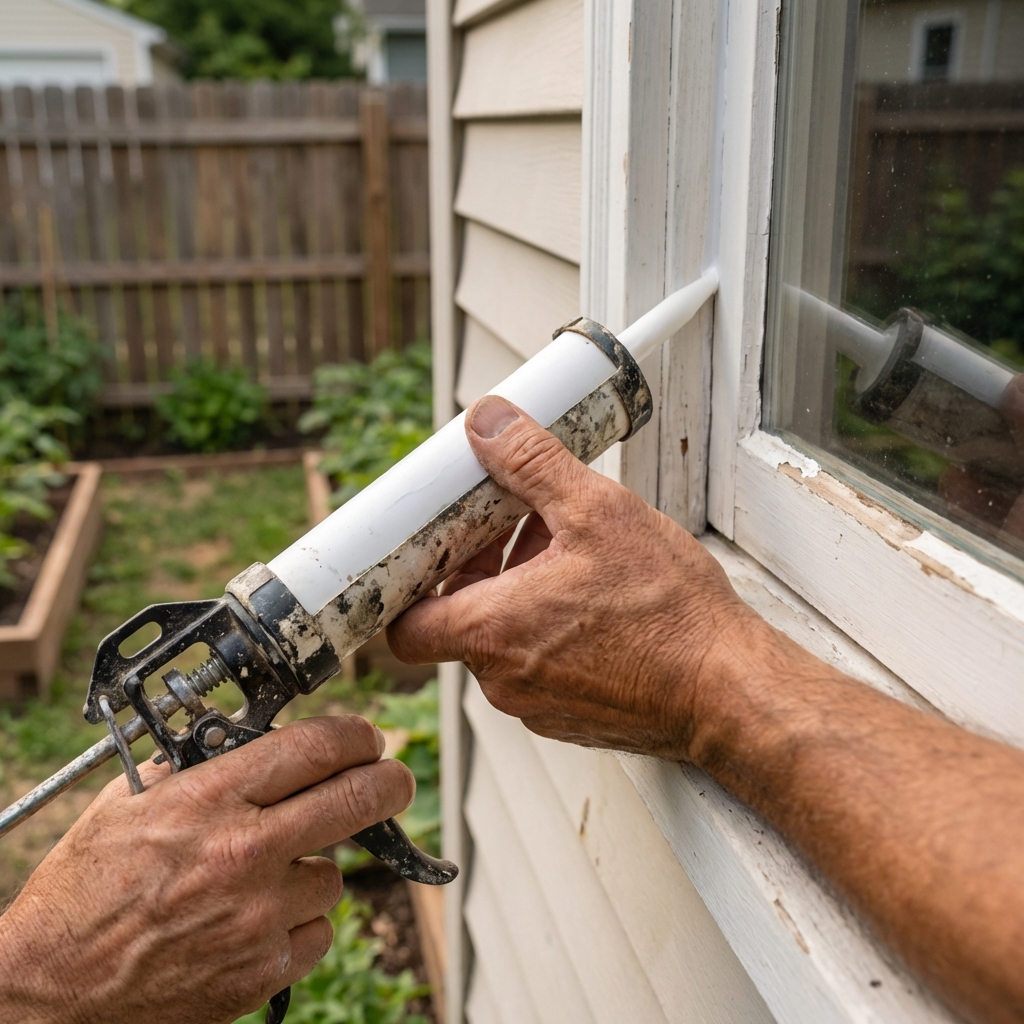
- Caulk for small exterior cracks around trim and siding seams
- Expandable foam for larger gaps around pipes and penetrations (use sparingly)
- Door sweeps and new weatherstripping for doors
- Repair screens and add fine mesh where needed
Timing tip: Do sealing work in late summer or early fall before they start congregating. If you seal while many are already inside wall voids, you can trap them indoors and increase sightings.
Simple outdoor steps to reduce clustering
Lady beetles often gather on the warm, sunny side of buildings. You cannot control everything outdoors, but you can reduce how inviting your home feels.
- Turn off unnecessary outdoor lights at night during peak season, or switch to yellow “bug” bulbs.
- Keep screens and storm windows snug before cool nights begin.
- Rinse siding where clusters form. A firm spray from a hose can knock them down. Avoid crushing them on the siding.
If you have heavy recurring invasions every fall, a professional exclusion inspection (and, if you choose, a targeted exterior perimeter treatment timed before they gather) can help, but most homeowners can make a big dent with sealing alone.
Cleaning stains and smell
If ladybugs have left yellow marks (often from the defensive fluid), tackle it gently.
- Start with warm water and a drop of dish soap.
- If the mark persists on hard, washable surfaces, use a 50/50 vinegar and water wipe.
- For painted walls, test first and use minimal moisture.
Wash fabrics promptly if they get stained. Do not rub hard. Blot, then wash.
When should you worry?
Ladybugs are not like roaches or termites. They do not breed indoors in a way that damages the home. But you should take action if:
- You see dozens or hundreds daily (a strong sign of entry points or wall voids being used).
- Someone in the home has allergies or asthma triggered by insect debris.
- You find them coming from ceiling fixtures or vents, which can indicate they are in attic spaces and wall cavities.
In those cases, focus on sealing and consider an inspection of the attic, soffits, and venting.
Quick plan for today
- Remove: Vacuum clusters, then empty outside immediately.
- Contain: Seal what you vacuumed in a bag for disposal (or freeze briefly first if you want to reduce escape and odor).
- Clean: Wipe windowsills with vinegar and water to clean residue and possibly reduce cues.
- Repel (optional): If pet-safe for your home, wipe entry areas with a light peppermint or citrus solution.
- Prevent: Over the next weekend, caulk cracks, replace weatherstripping, and repair screens.
Once you block how they get in, the cleanup becomes a quick chore instead of a yearly battle.

Jose Brito
I’m Jose Britto, the writer behind The Country Store Farm Website. I share practical, down-to-earth gardening advice for home growers—whether you’re starting your first raised bed, troubleshooting pests, improving soil, or figuring out what to plant next. My focus is simple: clear tips you can actually use, realistic expectations, and methods that work in real backyards (not just in perfect conditions). If you like straightforward guidance and learning as you go, you’re in the right place.