Rats are not picky. If your place offers food, water, and cover, they will move in and invite friends. The good news is that “natural” rat control can work really well, but only if you do it in the right order.
This guide focuses on a simple strategy that works in real yards and real homes: remove attractants, block access, then trap what is left. Deterrents are the finishing touch, not the main plan.
First, make sure it is rats (not mice)
Knowing what you are dealing with matters because rats are cautious and stronger than mice. They can also squeeze through surprisingly small openings and climb better than most people expect.
Quick clue: Norway rats tend to burrow and stay lower (foundations, crawl spaces, compost edges). Roof rats are more likely to climb and nest up high (attics, trees, rafters). You can use that to guide where you inspect and trap.
Common signs of rats
- Droppings: Often around 1/2 inch long, sometimes a bit larger. Shape can vary too. Roof rat droppings are usually more spindle-shaped. Norway rat droppings are more blunt. Mouse droppings are smaller and more “rice-like.”
- Gnaw marks: Rats leave bigger tooth marks, often on wood, plastic bins, or wiring.
- Grease rub marks: Dark smudges along walls, fences, or baseboards where they travel.
- Burrows: Holes in soil near sheds, compost piles, or foundations.
- Noises at night: Scratching or scurrying in walls, attics, or crawl spaces.
If you see daytime activity, that can mean the population is larger than you think or they are being pushed out of hiding. Either way, you will want to act fast.
Safety note before you start
Natural does not automatically mean harmless. Rats can spread disease through droppings and urine (including risks like leptospirosis and, more rarely, hantavirus depending on where you live), and they can bite when cornered.
- Wear gloves when cleaning and handling traps.
- Do not sweep or vacuum dry droppings. Mist with disinfectant first, then wipe up.
- A simple option is household bleach diluted to about 1 part bleach to 10 parts water (or use an EPA-registered disinfectant). Let it sit a few minutes before wiping.
- Keep traps and bait stations away from kids and pets.
- If you suspect rats in HVAC ducts, heavy infestation in walls, or you find extensive nesting, consider calling a licensed pro.
Step 1: Remove what is feeding them
This is where most “natural rat control” succeeds or fails. If rats can eat well, they will tolerate smells, lights, and most gimmicks. Make your property boring.
Inside the house
- Store food in hard containers: Glass, metal, or thick plastic with tight lids. Cardboard is not rat-proof storage.
- Clean up pet food: Feed pets at set times and pick up bowls after. Store kibble in a sealed bin.
- Reduce crumbs and grease: Under stove, behind fridge, and pantry corners are common hotspots.
- Secure trash: Use a lidded can. Take trash out regularly.
Garage and shed
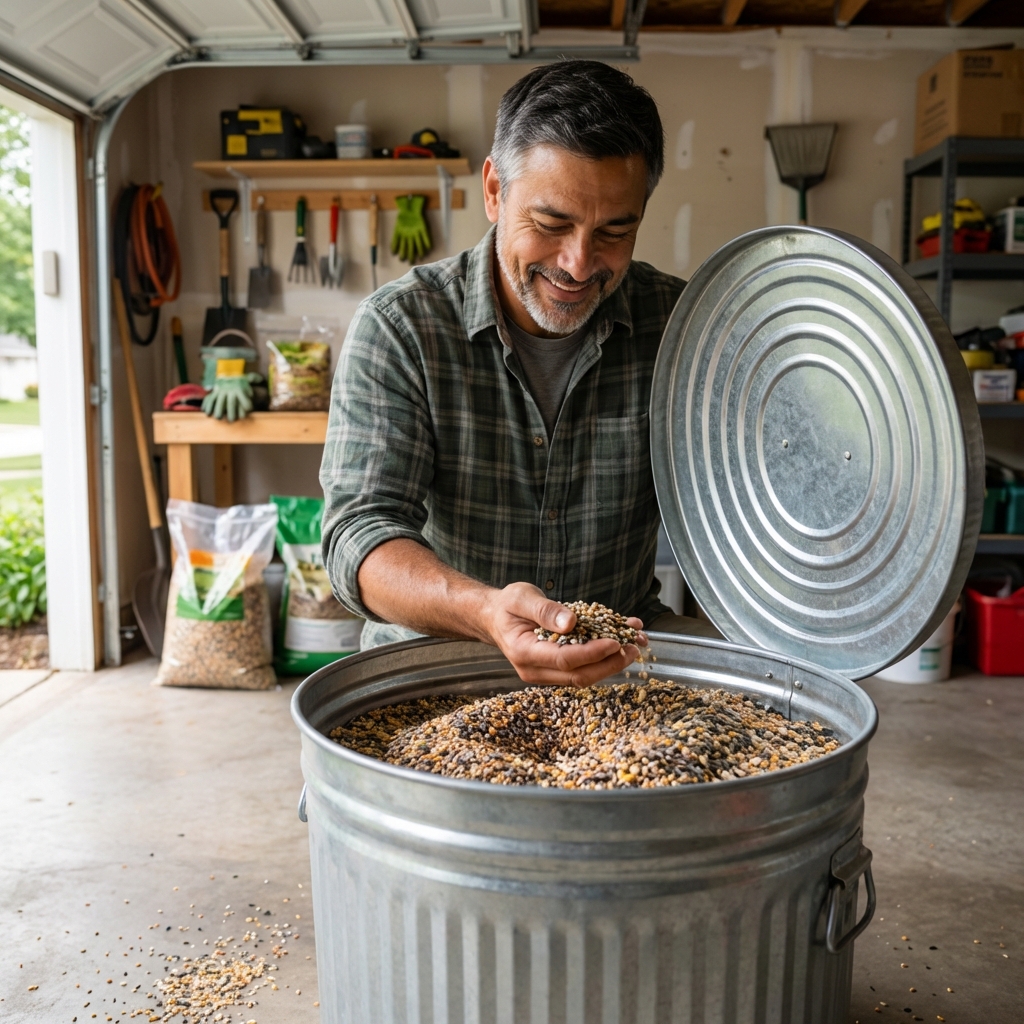
- Get bird seed and grass seed into sealed bins right away.
- Do not leave bags of potting soil, bulbs, or feed open. Rats will nest in clutter and chew packaging.
- Pick up fallen fruit or nuts from trees.
Garden and yard
- Compost smart: Avoid meat, dairy, oily foods. Use a rodent-resistant compost bin if possible.
- Harvest often: Overripe tomatoes, melons, and squash are rat magnets.
- Chicken coops: If you keep chickens, feed spills and stored grain are a top attractant. Use a treadle feeder and a metal storage can.
- Remove hiding spots: Clear brush piles, stacked lumber, and tall weeds near structures.
Step 2: Block entry points (exclusion)
Sealing your home is the most “permanent” natural solution. Rats can fit through openings as small as about 1/2 inch (smaller for young rats), and they are excellent climbers.
What to seal and what to use
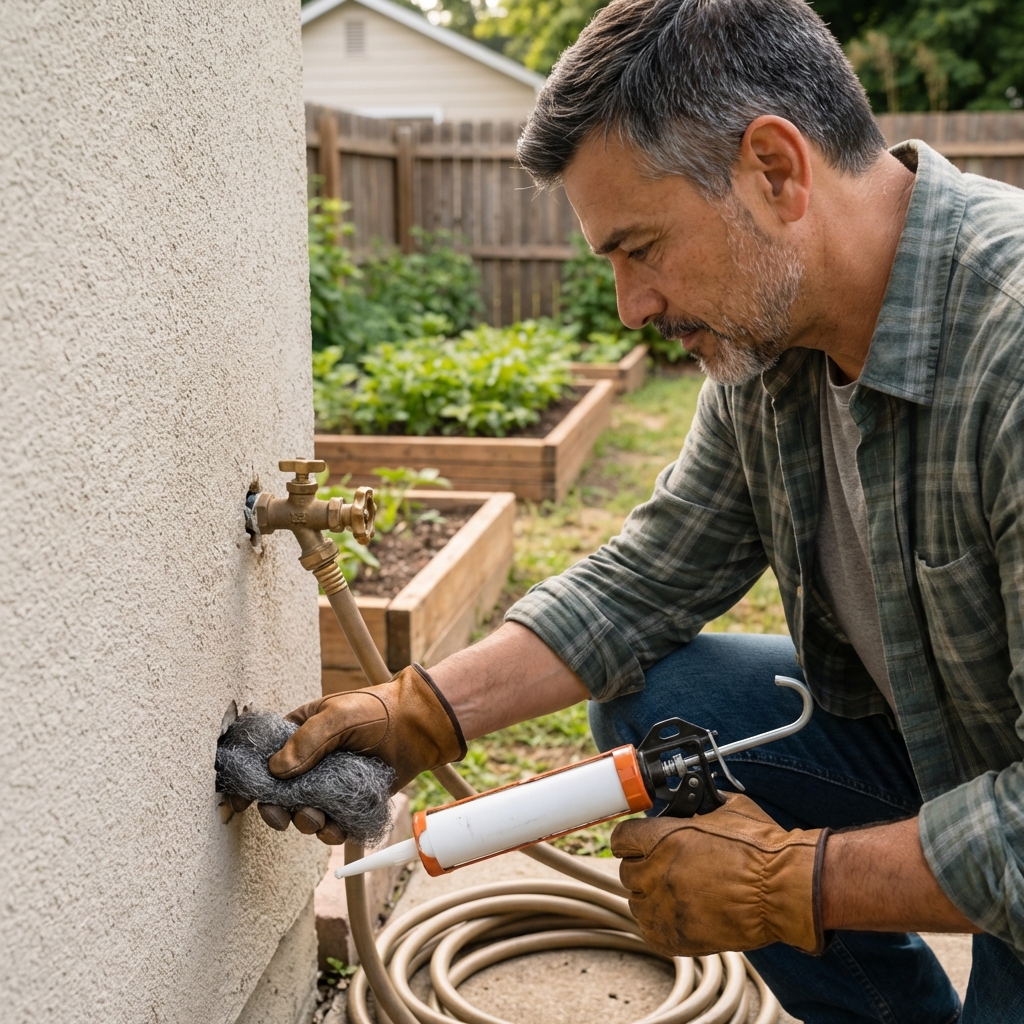
- Small gaps: Pack with copper mesh or steel wool, then seal with caulk. Copper mesh holds up better outdoors since steel wool can rust.
- Larger holes: Use hardware cloth (1/4 inch metal mesh), metal flashing, or cement patch.
- Door gaps: Install a door sweep and fix warped thresholds.
- Vents: Add metal screens to crawl space vents and attic vents.
- Pipes and lines: Seal around plumbing, AC lines, and conduit where they enter walls. Look for rodent-resistant sealants or patch materials rated for pest exclusion.
Quick inspection checklist
- Foundation cracks and gaps at the sill plate
- Garage door corners and weather stripping
- Gaps under exterior doors
- Openings behind outdoor faucets
- Roofline gaps near soffits and eaves
- Unscreened dryer vent or damaged vent cover
Tip: If you are actively trapping, avoid sealing an obvious main exit until traps are set. You want them moving through your trap line, not finding a new route deeper inside.
Step 3: Use traps the natural way
If rats are present, you will almost always need trapping. Deterrents alone rarely remove a population. The goal is to reduce numbers quickly while your exclusion work prevents the next wave.
Best trap options
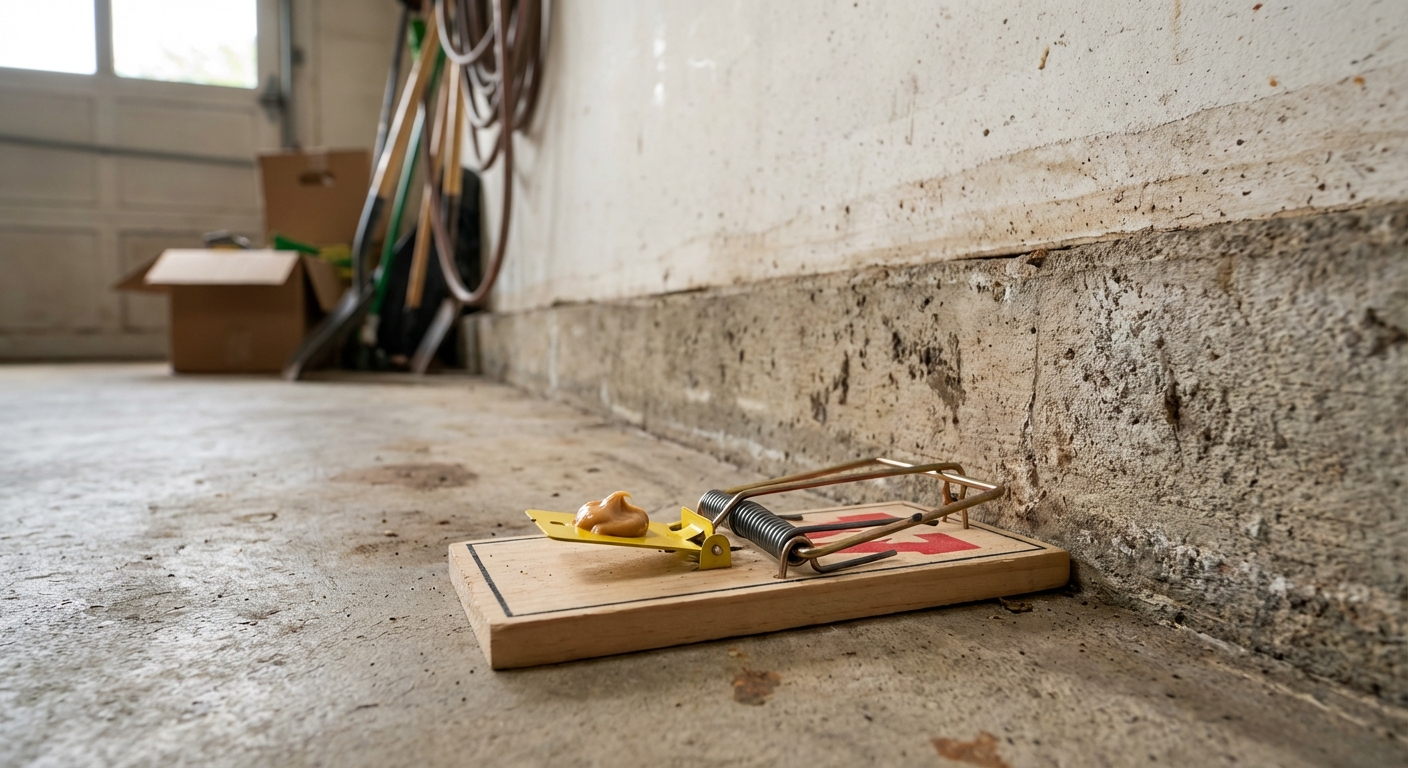
- Snap traps: Fast and effective when placed correctly. Choose traps made for rats, not mice.
- Enclosed baited traps: Helpful if you have pets or kids because they reduce accidental contact.
- Live traps: Can work, but rats become trap-shy and relocation may be illegal depending on local rules. If you use live traps, check local regulations first, have a humane plan, and check traps at least daily.
How many traps and how to space them
One trap rarely solves a rat problem. Plan on multiple traps in active areas. A practical starting point is 4 to 8 traps in a garage or along a heavy runway, then add more where you see droppings or rub marks.
Space traps a few feet apart along the same travel edge, and concentrate them where you see the most sign.
Where to place traps
Rats prefer edges. Place traps along walls, behind objects, near rub marks, and close to suspected entry points. Put the trigger end toward the wall.
- Behind the refrigerator or stove
- Along garage walls near stored feed or bins
- Near burrow entrances outdoors (but protected from rain)
- Along fences and shed walls
Outdoor note: If you trap outside, secure traps so they cannot be dragged off by a rat or disturbed by other animals. Use enclosed traps when possible, and place them where pets and wildlife cannot access them.
Best natural baits
- Peanut butter (use a small smear so they commit)
- Oatmeal mixed into peanut butter
- Dried fruit (raisins) or a small piece of apple
- Nut-based spreads or a dab of bacon grease (very attractive, can draw other animals outdoors)
Pro tip: If rats ignore traps, “pre-bait” for 1 to 2 nights by placing bait without setting the trap. Then set it once you see bait disappearing.
Safe disposal and cleanup
- Wear gloves.
- Mist the rat and the area with disinfectant first.
- Use a plastic bag to pick up the rat (or handle via the trap if possible), then double-bag and seal.
- Disinfect the trap, then wash hands thoroughly.
Natural deterrents that help (and what to skip)
Deterrents can support your plan, especially after you have reduced food access and sealed openings. Think of them as pressure, not the solution.
What can help
- Strong scent disruptors in tight areas: Peppermint oil on cotton balls can help in small enclosed spaces like cabinets, but it needs frequent refresh and will not evict an established rat.
- Motion-activated lights: Can make an area feel less safe at night near entry points, but rats may habituate over time.
- Motion-activated sprinklers: Useful around gardens, compost, and coops. Great for multiple pests.
- Trim and thin: Keeping plants pulled back from walls and fences reduces travel cover.
What to skip or be cautious with
- Ultrasonic repellers: Mixed results. Rats often habituate, and sound does not travel well through walls and clutter.
- Loose poison baits labeled “natural”: Even if derived from plants, they can still harm pets, wildlife, and scavengers.
- Mothballs: Not a safe or legal outdoor solution in many areas, and the fumes are harmful.
- Ammonia myths: Strong odor may bother you more than them, and it does not solve the underlying problem.
Outdoor rat control without harsh chemicals
Garden and yard rats often start with shelter and food. The key is to make your outdoor setup less inviting.
Fix common rat-friendly zones
- Compost: Use a bin with a secure lid. Add a layer of browns (dry leaves, shredded cardboard) to reduce odors. Turn it regularly.
- Raised beds: If you have burrowing, consider lining the bottom with 1/4 inch hardware cloth when building new beds.
- Fruit trees: Pick up fallen fruit daily during peak drop.
- Water: Fix leaky spigots, and do not leave pet water out overnight if rats are active.
Burrow management
If you find burrows, address them after you have removed food sources and started trapping. Collapse burrows and pack with soil. If the hole reopens quickly, rats are still active and you need more trapping pressure.
A simple 7-day plan that works
Day 1 to 2: Clean and remove attractants
- Seal food and seed in hard containers
- Clean spills, crumbs, and pet feeding areas
- Secure trash, clean up fallen fruit
Day 2 to 4: Set traps where rats travel
- Place multiple traps along walls and edges
- Use peanut butter and pre-bait if needed
- Check daily, reset, and safely dispose of rats
Day 3 to 7: Seal entry points
- Copper mesh or steel wool plus caulk for small gaps
- Hardware cloth or flashing for larger holes
- Add door sweeps and vent screens
After Day 7: Maintain and monitor
- Keep storage sealed and clutter down
- Refresh deterrents if you use them
- Continue trapping for at least a week after signs stop
When to call a professional
Natural solutions work best when you can find and reach the problem areas. Consider bringing in help if:
- You see rats in multiple parts of the home, especially walls and attic
- You cannot locate entry points or you have a complex roofline
- There is evidence of electrical damage or strong urine odor
- You have repeated reinfestations despite exclusion and trapping
A good company should focus on exclusion and sanitation, not just baiting.
FAQ
What smell do rats hate most?
Strong scents like peppermint oil can be irritating to them in small enclosed spaces, but smell alone rarely drives rats away if food and shelter are available. Use scent as a support tool after you remove attractants and seal entry points.
Will a cat keep rats away?
Sometimes it helps, but do not count on it. Many rats are too large and too cautious. Also, rats can still cause damage even if they avoid open areas.
Is it safe to use essential oils around pets?
Be careful. Some essential oils can be harmful to cats and dogs, especially in concentrated forms. If you use peppermint oil, use small amounts in inaccessible areas and avoid diffusing it in enclosed rooms with pets.
How long does it take to get rid of rats?
With solid sanitation, exclusion, and trapping, many homeowners see major improvement in 1 to 2 weeks. Full control can take longer if there are outdoor food sources, dense cover, or multiple entry points.
Bottom line
If you want to get rid of rats naturally, focus on what actually changes the game: take away food, block access, and trap consistently. Deterrents are optional, but clean storage and tight sealing are not. Do those three things well and you will usually win without relying on harsh poisons.

Jose Brito
I’m Jose Britto, the writer behind The Country Store Farm Website. I share practical, down-to-earth gardening advice for home growers—whether you’re starting your first raised bed, troubleshooting pests, improving soil, or figuring out what to plant next. My focus is simple: clear tips you can actually use, realistic expectations, and methods that work in real backyards (not just in perfect conditions). If you like straightforward guidance and learning as you go, you’re in the right place.