Silverfish are one of those pests that feel like they appear out of nowhere. You spot one in the bathroom at night, or you find tiny holes in a cardboard box in the basement, and suddenly you are wondering if they are everywhere.
The good news is you usually do not need anything fancy to get control. Silverfish are simple creatures. They need moisture, darkness, and easy food like paper, glue, fabric starches, and crumbs. If you take away one or two of those things, the population often drops. Take away most of them consistently, and they can disappear over time.
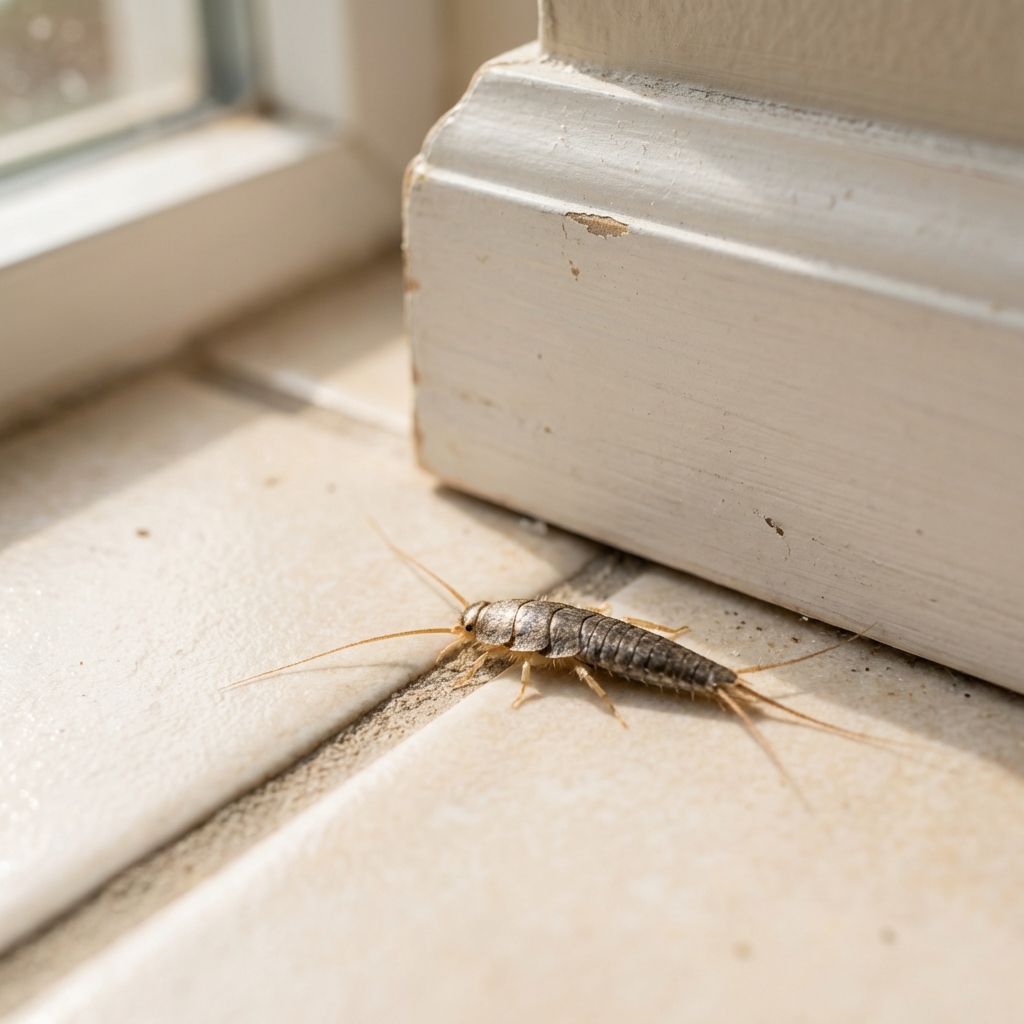
How to tell if it is silverfish
Silverfish are small, wingless insects with a teardrop shape, long antennae, and three tail-like bristles. They move fast and tend to dart into cracks when a light comes on.
Quick note: Silverfish are often confused with firebrats. Firebrats look similar but prefer warmer spots (near furnaces, water heaters, and hot pipes). The control steps are mostly the same, but heat plus humidity usually points more toward firebrats.
Common signs
- Sightings at night, especially in bathrooms, laundry rooms, basements, and kitchens
- Tiny holes or surface scraping on paper, wallpaper, book bindings, or cardboard
- Pepper-like droppings (tiny dark specks) near trim, shelves, or stored items, and sometimes yellowish staining on papers or fabrics
- Shed skins in corners, behind stored items, or under sinks
If you are seeing a lot of them during the day, that often points to a bigger infestation, disturbed hiding spots, or a moisture issue that is giving them ideal conditions.
Why silverfish show up in homes
In real houses, silverfish usually trace back to moisture and storage. They do not bite, but they can damage paper goods, pantry packaging and dry goods, and fabrics, and they are a sign something in the house is staying too damp.
They love
- High humidity, often 60%+ and especially in persistently damp pockets
- Dark hiding spots like boxes, cluttered shelves, and gaps behind trim
- Starchy or glue-based materials like books, cardboard, wallpaper paste, and some fabrics
- Food dust and crumbs, pet food dust, and pantry spills
Silverfish can show up around pantry items, but they are not as classic a “pantry pest” as moths or weevils. More often, they are taking advantage of humidity, packaging glue, and forgotten crumbs along edges.

Step 1: Confirm where they are coming from
Before you treat, do a quick check so you are not guessing. You are looking for the dampest, least disturbed areas.
Quick inspection checklist
- Look under sinks, behind toilets, and around tub caulk lines
- Check basement corners, floor drains, sump pump areas, and around the water heater
- Look behind stored items, especially cardboard and paper stacks
- Check pantry edges and the area behind the fridge and dishwasher
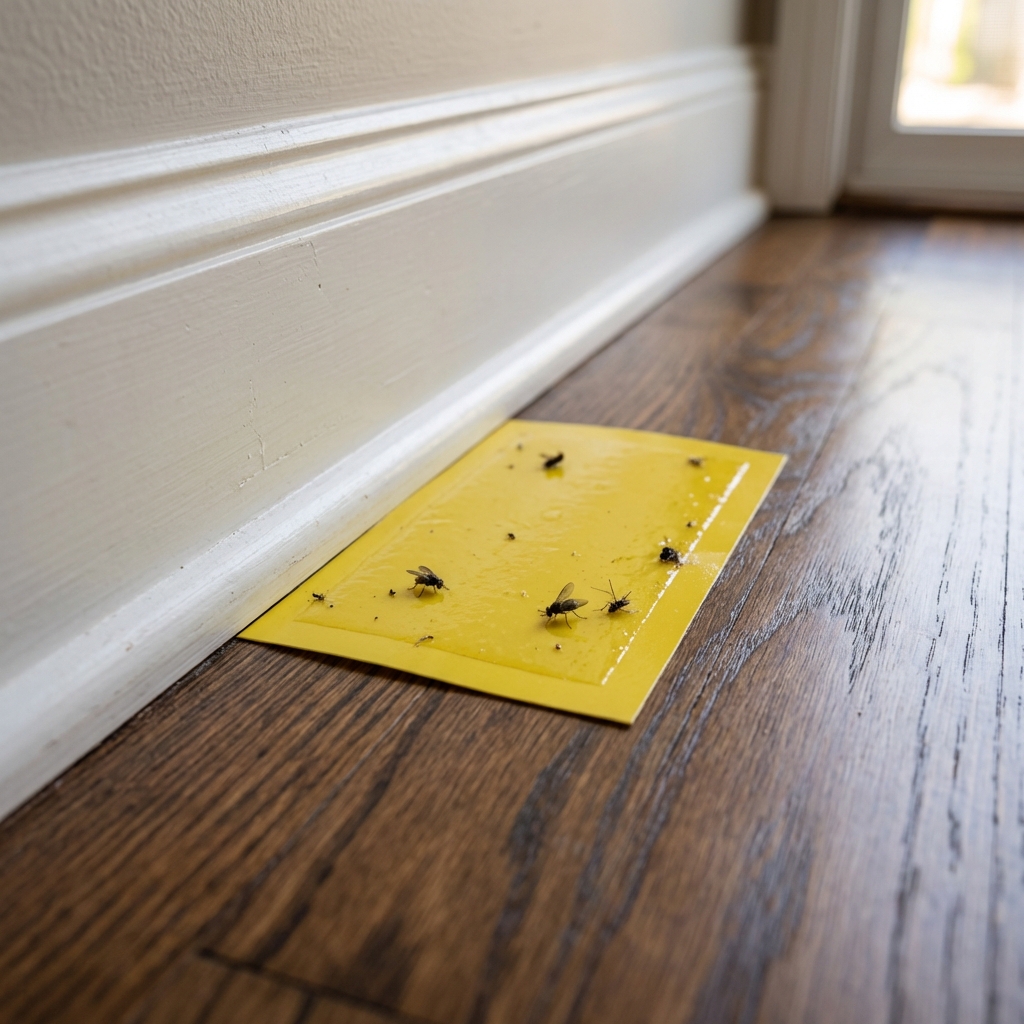
If you want to be extra practical, put down a few sticky traps along edges in the suspected area for 3 to 7 nights. Where you catch the most is where you focus your moisture and treatment work.
Step 2: Dry out the house (this is the real fix)
Sprays can kill what you see, but moisture control is the biggest lever for reducing silverfish survival and breeding success. As a practical home goal, aim for indoor humidity around 35 to 50%, knowing that tiny damp pockets (under sinks, behind walls, under flooring) can stay higher if there is a leak or poor airflow.
Fast moisture wins
- Run a dehumidifier in basements or any musty area. Empty it daily at first and keep it running consistently.
- Fix leaks right away, even slow drips under sinks or behind toilets.
- Vent bathrooms with the fan for 20 to 30 minutes after showers, or crack a window if you do not have a fan.
- Dry wet zones like bath mats and towels. Do not leave damp piles on the floor.
- Improve airflow by pulling storage a few inches off the wall and avoiding jam-packed closets.
If your basement stays damp even with a dehumidifier, check gutters, downspouts, and grading outside. Water sitting against the foundation often feeds the problem.
Step 3: Clean the foods silverfish rely on
Silverfish can live a long time and they are not picky. The goal is to reduce their easy meals so baits and traps work better.
Targeted cleaning that matters
- Vacuum edges and cracks along trim, under appliances, and inside closets. Use the crevice tool.
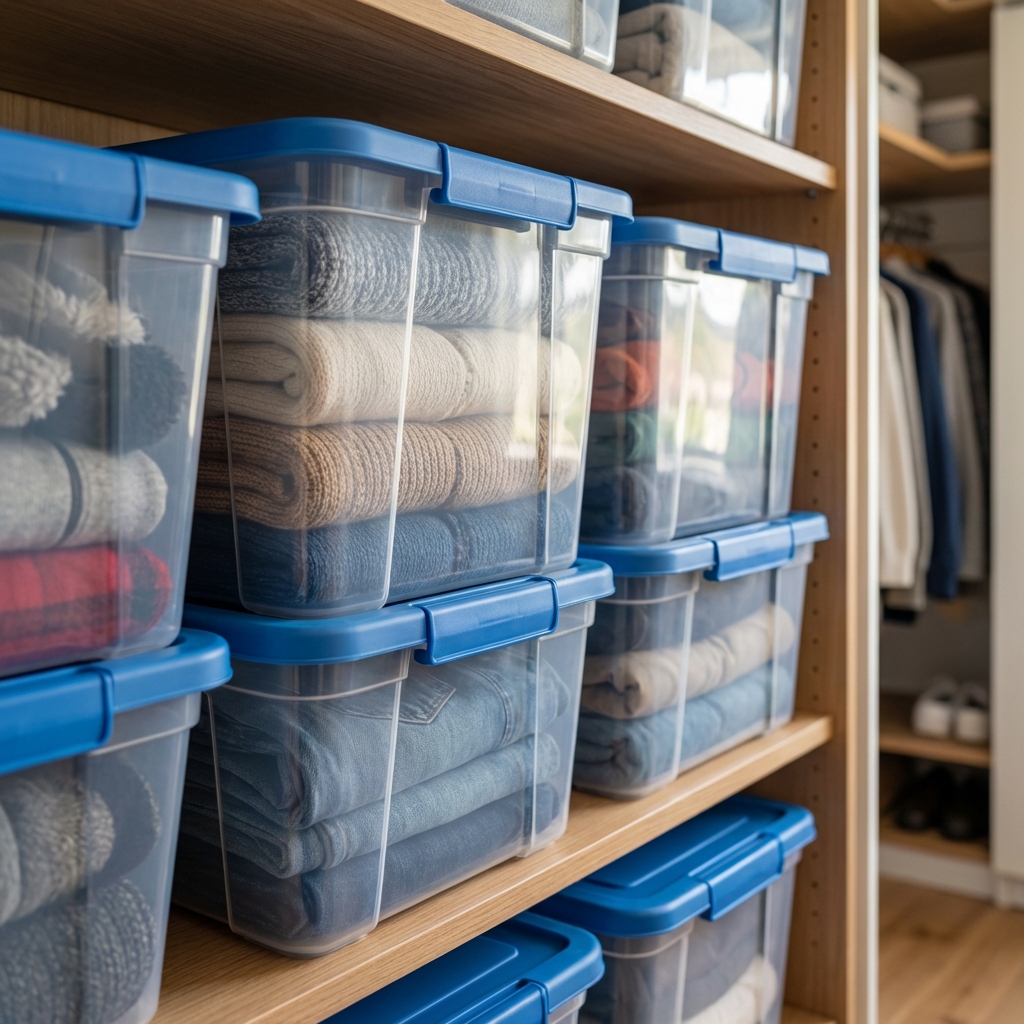
- Remove cardboard from damp areas. Swap to plastic bins with tight lids.
- Store dry goods like flour, oats, cereal, and pet food in sealed containers.
- Declutter paper stacks in basements and closets. Books and important papers should be kept dry and off the floor.
After vacuuming, empty the canister or bag right away. You do not want eggs or live insects hanging out inside the vacuum.
If you are dealing with books, photos, or stored documents, sealed bins plus a few desiccant packs (silica gel) can help keep them dry and less appealing.
Step 4: Use the right tools (what actually works)
Once moisture is improving and you have cleaned up hiding places, treatments become much more effective. You have a few solid options. Pick the ones that fit your comfort level and the severity of the problem.
Safety note: For any bait, dust, or spray, use only products labeled for indoor use and follow the label directions. Keep treatments away from kids, pets, and food prep surfaces.
Sticky traps (best for monitoring and light infestations)
Place along edges, under sinks, behind toilets, and near storage areas. They help you confirm hot spots and catch wanderers. Replace every 1 to 3 months, or sooner if dusty.
Boric acid or borate-based powders (effective but use carefully)
These are classic silverfish killers because they cling to the insect and work when ingested during grooming. The key is using a very light dusting in cracks and voids, not piles.
- Apply behind trim, under cabinets, and in wall voids if accessible
- Keep away from kids and pets
- Do not apply on countertops, dishes, or food prep areas
If you are not comfortable using powders, skip this and focus on baits plus dehumidification.
Silica gel or diatomaceous earth (long-lasting crack treatment)
These dry out insects. They work best in dry areas and stay effective as long as they stay dry.
- Use a bulb duster to puff a thin layer into gaps and along edges
- Wear a mask to avoid breathing dust during application
- Keep it out of reach of children and pets
Silverfish baits (best for ongoing control)
Commercial bait stations and gel baits can be very effective because they attract silverfish and reduce the population over time. Place them in the dark, quiet places silverfish travel, not in the middle of an open floor. Keep baits out of food areas unless the label explicitly allows it.
Sprays (use as a targeted assist, not the main plan)
Residual insect sprays labeled for silverfish can help when applied to cracks, crevices, and along edges, especially if you are seeing frequent activity. Avoid spraying broad surfaces. Focus on where they hide and travel, and follow the label closely.
Step 5: Seal the hiding spots and entry points
Silverfish do not need a big opening. They take advantage of gaps around pipes, loose trim, and tiny cracks where moisture collects.
Sealing checklist
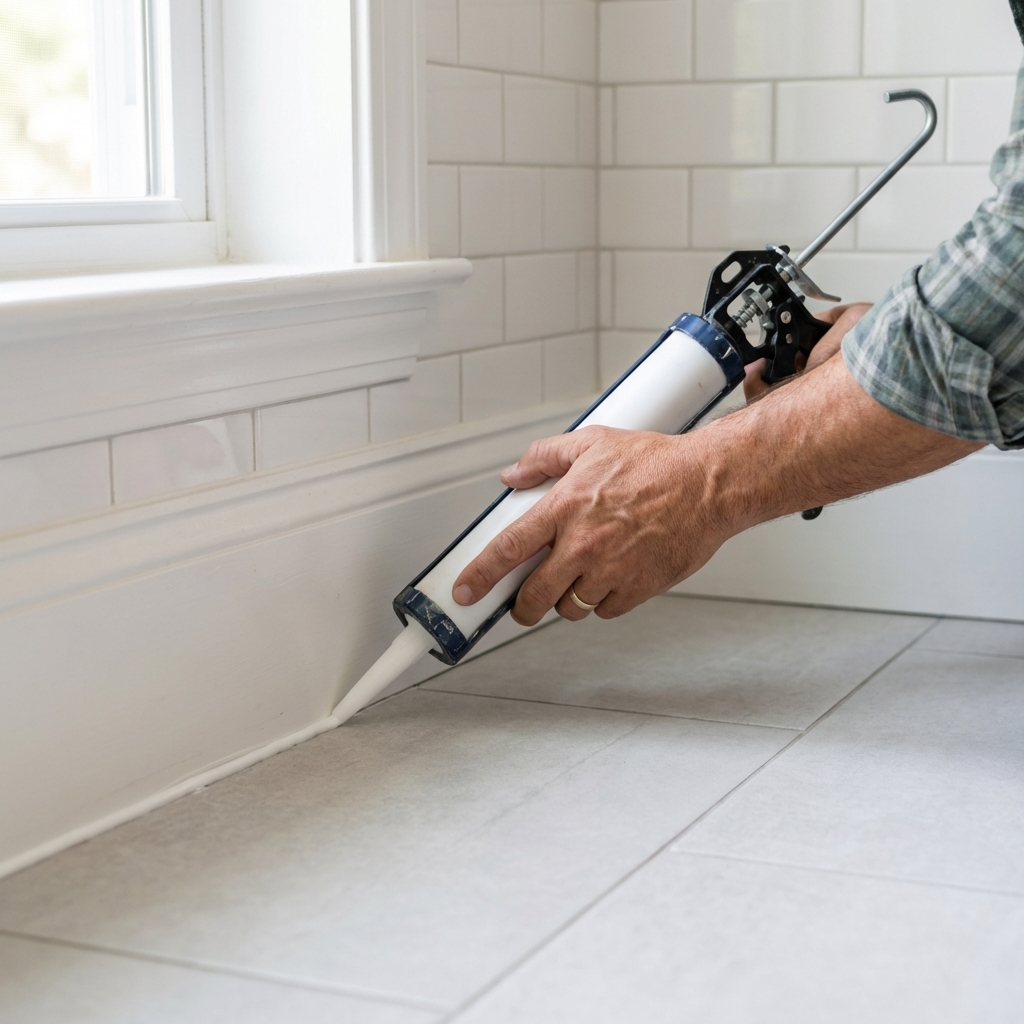
- Caulk gaps along trim, around window edges, and where tile meets walls
- Seal around pipes under sinks with caulk or expanding foam where appropriate
- Repair peeling wallpaper and loose edges where paste is exposed
- Add door sweeps to exterior doors if you have gaps
What not to do (common mistakes)
- Do not rely on one spray and ignore humidity. They often come back if damp pockets remain.
- Do not store cardboard directly on basement floors.
- Do not over-apply powders. Heavy piles are easier to avoid and can be messy and unsafe.
- Do not skip the hot spots. Treating only the room where you saw one silverfish often misses the source.
A simple 7-day action plan
Day 1 to 2: Find and dry
- Set sticky traps in 3 to 6 spots
- Start a dehumidifier or improve ventilation
- Fix obvious leaks
Day 3 to 4: Remove food and clutter
- Vacuum along edges and under appliances
- Move paper and cardboard into sealed plastic bins
- Wipe pantry shelves and seal dry goods
Day 5 to 7: Treat and seal
- Apply bait stations or gel bait near trap hot spots
- Lightly dust cracks with silica gel or diatomaceous earth if desired
- Caulk key gaps around trim and plumbing
By the end of the week, you should usually see fewer trap catches and fewer sightings. Full control can take a few weeks because silverfish are long-lived and eggs can hatch later, especially if a small damp pocket remains.
When to call a pro
If you are seeing silverfish daily in multiple rooms, finding damage to books or stored items, or your home has persistent dampness you cannot control, it may be time for professional help. A good pest control tech can locate hidden harborage areas and use targeted products in wall voids and other places most homeowners cannot safely reach.
Silverfish prevention that sticks
Once you knock them down, prevention is mostly about staying a little drier and a little cleaner in the right places.
- Keep humidity in check with ventilation or a dehumidifier
- Store paper goods and seasonal clothes in sealed bins, not cardboard
- Vacuum edges and closets regularly, especially in low-traffic rooms
- Check under sinks every month for slow leaks
- Keep firewood and damp materials out of the house
If you want the simplest long-term habit, it is this: keep the air dry and the storage tidy. Silverfish do not do well in bright, dry, boring spaces.

Jose Brito
I’m Jose Britto, the writer behind The Country Store Farm Website. I share practical, down-to-earth gardening advice for home growers—whether you’re starting your first raised bed, troubleshooting pests, improving soil, or figuring out what to plant next. My focus is simple: clear tips you can actually use, realistic expectations, and methods that work in real backyards (not just in perfect conditions). If you like straightforward guidance and learning as you go, you’re in the right place.