Skunk smell is not just “bad odor”. It is a stubborn mix of sulfur-based compounds (thiols) that stick to fabric, skin, and porous surfaces. The good news is you can beat it with the right approach: ventilate, remove residue, and chemically neutralize what is left. Covering it up with candles and air fresheners usually makes the house smell like “skunk plus perfume,” which is somehow worse.
First 15 minutes: what to do right now
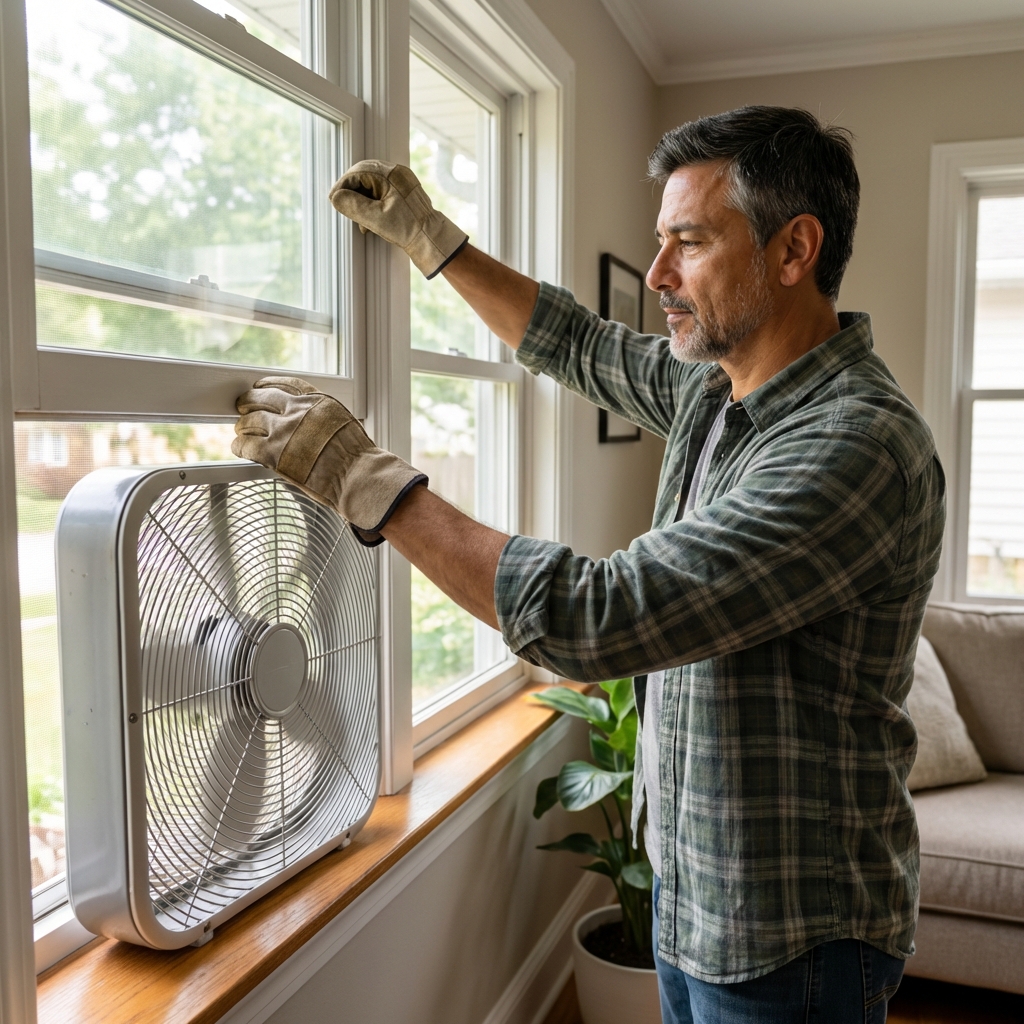
- Ventilate thoroughly: Open windows and exterior doors. Set one fan facing out in the smelliest room to push air outside. If you have a second fan, place it on the opposite side of the home pulling fresh air in.
- Turn off HVAC temporarily: If your central system is running, it can spread odor through ductwork. Shut it off until you have cleaned the source and replaced or upgraded the filter.
- Isolate the source: Keep sprayed pets, clothing, shoes, and people out of the main living space. Use a garage, mudroom, laundry room, or bathroom you can ventilate.
- Do not use hot water yet: Heat can set odor into some fabrics and can make the smell evaporate faster in the room. Start with cool or lukewarm.
Quick safety notes
- Never mix cleaners: Do not mix peroxide with chlorine bleach or ammonia based cleaners. Rinse surfaces between products.
- Keep kids and pets away from mixing buckets and wet treated areas until everything is dry.
- Gloves and ventilation: Protect skin and eyes, and keep airflow moving while you work.
What neutralizes skunk odor (and what does not)
Works best (neutralizers)
- Hydrogen peroxide + baking soda + dish soap (classic DIY). This oxidizes and breaks down smelly sulfur compounds.
- Skunk specific shampoos and deodorizers (especially for pets). These are designed for skunk oils and are usually gentler than DIY mixes.
- Enzyme cleaners made for pet odors. These can help on porous surfaces and carpets by breaking down residue and reducing lingering odor, but they are not always a complete fix on their own for heavy skunk spray.
- Activated charcoal (adsorbs odor in air over time). Great follow-up after cleaning.
Usually disappoints (maskers)
- Scented sprays, incense, candles: mask odor and can worsen headaches and irritation.
- Vinegar alone: can help a little on some surfaces but often does not fully neutralize heavy skunk odor.
- Tomato juice: old myth, not a real fix.
DIY skunk odor solution (the simple recipe)
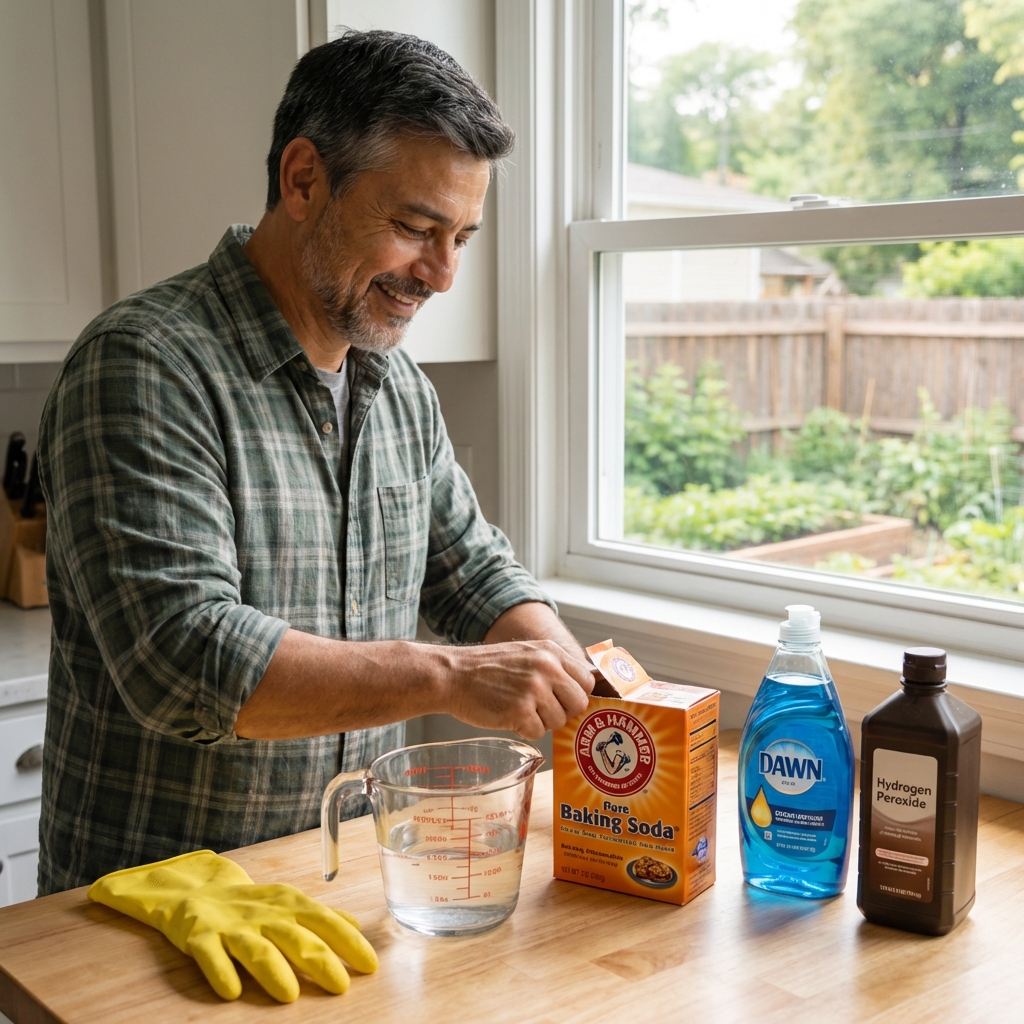
This is the go-to mix for surfaces, washable items, and spot treatment. Make it fresh each time.
- 1 quart (4 cups) 3% hydrogen peroxide
- 1/4 cup baking soda
- 1 teaspoon liquid dish soap (degreasing type works well)
Important safety notes:
- Do not store this mixture in a closed bottle. It can build pressure.
- Test first on a hidden spot. Peroxide can lighten some fabrics and finishes.
- Wear gloves and ventilate. Avoid splashing in eyes.
- Do not combine with bleach, ammonia, or other cleaners.
Step-by-step: get skunk smell out of indoor air
1) Air exchange plus filtration
- Keep windows open as long as weather allows.
- Once the main source is cleaned, turn HVAC back on with a fresh filter. Consider a higher-rated filter (MERV 11 to 13 if your system supports it).
- Note: A new filter helps, but it may not remove odor that has settled into ductwork. If the HVAC ran for hours after a strong spray, you may need professional odor treatment or duct cleaning.
- If you have a portable air purifier, run it in the most affected room on high.
2) Odor absorbers (after cleaning)
- Set out bowls or trays of activated charcoal in affected rooms.
- Baking soda can help mildly in enclosed spaces like closets, but charcoal tends to perform better for lingering skunk funk.
3) Ozone generators (skip for DIY)
Many people ask about ozone machines. They can be hazardous to breathe, can irritate lungs, and can damage materials like rubber and some fabrics. If you go this route, it is best left to trained professionals following strict safety procedures.
Clothes, towels, and washable fabrics
If clothing or linens got hit, treat them like the odor source. One “skunk hoodie” can keep a whole house smelling for days.
Best approach
- Pre-rinse in cold water outside or in a utility sink if possible.
- Soak 30 to 60 minutes in a bucket or tub with cool water and an enzyme laundry booster or pet odor enzyme cleaner.
- Wash separately with heavy-duty detergent. Add 1/2 cup baking soda to the wash.
- Air-dry first. Do not use the dryer until you are sure the smell is gone. Heat can lock it in.
Can you use the peroxide DIY mix in laundry?
For sturdy whites and colorfast items, you can spot-treat with the peroxide mix, then wash. For delicates or dark fabrics, test carefully or use an enzyme approach first.
Carpet and rugs
Carpets hold odor because spray oils soak down into fibers and padding. The key is to treat without soaking the pad too deeply.
What to do
- Blot, do not rub. Use paper towels or clean rags to lift as much residue as possible.
- Spot test peroxide mix on an inconspicuous area first.
- Apply the peroxide mix lightly, let it sit 5 to 10 minutes, then blot.
- Follow with an enzyme cleaner designed for carpet, per label directions.
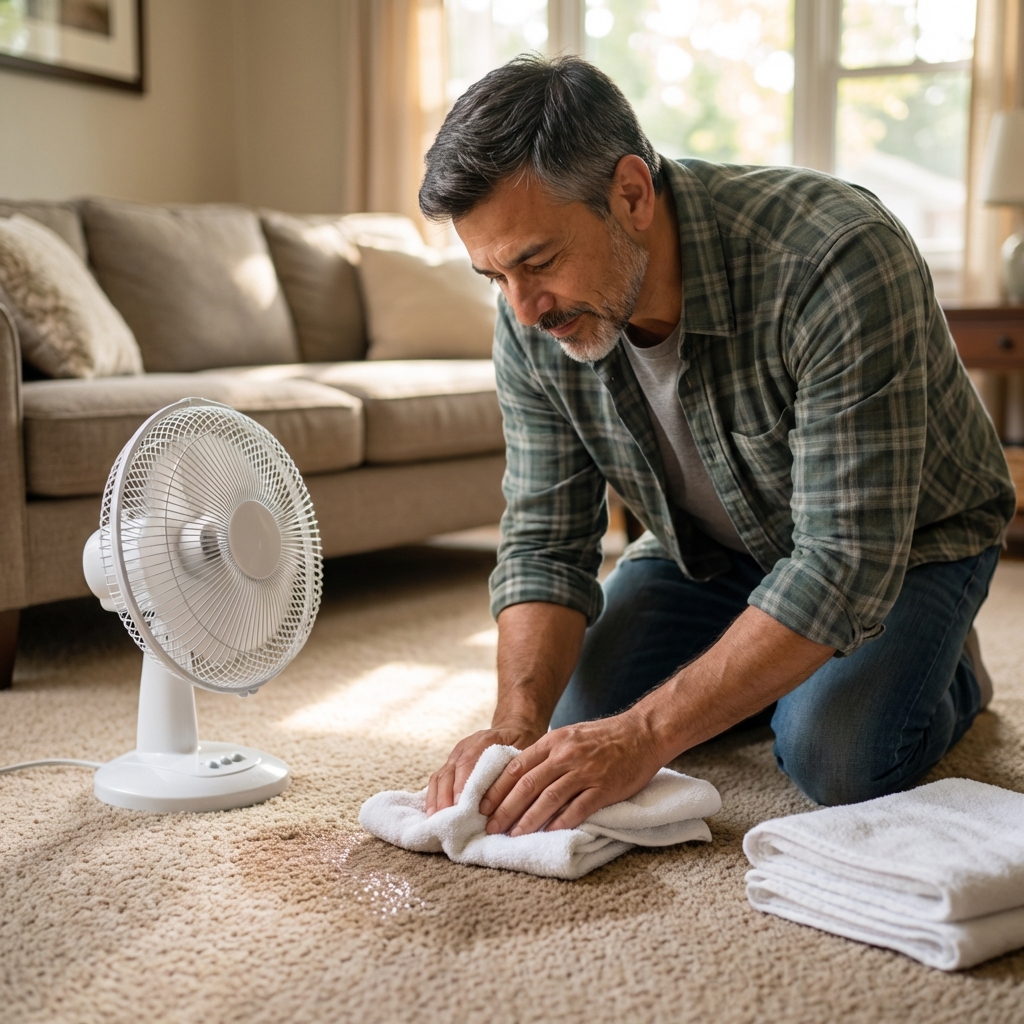
- Use a fan to dry the area thoroughly. Lingering moisture can lead to mildew odors on top of everything else.
Furniture, upholstery, and curtains
Upholstery is tricky because it is porous and often not colorfast. If the spray was light, enzymes plus airflow often solve it. If it was heavy, you may need professional cleaning.
For upholstery
- Vacuum first (especially if there is dirt or debris tracked in).
- Spot test any cleaner.
- Use an enzyme upholstery cleaner. Mist lightly, do not saturate.
- Blot and dry with fans.
For washable curtains
- Remove and wash separately using detergent plus baking soda.
- Air-dry first, then rewash if any odor remains.
Hard surfaces: floors, walls, doors, and baseboards
If a pet brushed against surfaces or spray drifted indoors, wipe down hard surfaces. Odor likes to cling to dusty films.
Simple wipe-down method
- Wash with warm water and a small amount of dish soap first.
- For stubborn odor on tile, sealed surfaces, or washable paint, wipe with the peroxide DIY mix using a damp cloth, then rinse with clean water.
- Dry surfaces well.
Avoid peroxide mix on: unsealed wood, some natural stone, and unknown finishes without testing.
If the smell is outside (but keeps getting in)
Sometimes the skunk did its work outdoors and your house is just the unlucky neighbor. If the smell seems strongest near one side of the home, try this checklist.
- Check near air intakes: Look around HVAC fresh air intakes, window AC units, and attic vents.
- Check under porch, deck, and crawlspace: Skunks spray and retreat. The odor can drift up through gaps.
- Seal obvious entry points: Weatherstripping, door sweeps, and cracked screens help keep odor from pouring in.
- Wash outdoor hard surfaces (patio, steps) with soap and water. For stubborn spots on safe, non-porous surfaces, spot-test the peroxide mix.
If your pet brought the smell inside
This is usually the real culprit. If the pet is not fully deodorized, everything they touch becomes a new odor hotspot.
Quick pet plan
- Keep your pet outside or in an easy-to-clean area.
- Best option: Use a skunk-specific pet shampoo if you have it.
- If you do use the peroxide DIY mix, use it carefully: avoid eyes, ears, nose, and mouth. Do not leave it on longer than needed, and rinse thoroughly.
- Do not use on cats unless your vet says it is safe.
- Dry with towels you do not mind re-washing multiple times.
Call your vet if your pet was sprayed in the face, is squinting, drooling, vomiting, has breathing irritation, or seems distressed.
Car cleanup (if you transported a sprayed pet)
- Ventilate: Open doors, crack windows, and let it air out if weather allows.
- Wipe hard surfaces: Use warm water and a little dish soap. Do not soak electronics.
- Treat upholstery and carpet: Use an enzyme cleaner lightly, blot, and dry with airflow.
- Absorb leftovers: Place activated charcoal in the car overnight (in a tray or breathable pouch).
Don’t forget these sneaky odor traps
- Shoes and laces by the door
- Dog collars, harnesses, leashes
- Throw blankets on couches
- Entryway mats
- Vacuum canister and filters (empty and wash what is washable)
- HVAC filter (replace)
- Car interior if you transported a sprayed pet
Cleanup and disposal
- Bag paper towels and debris right away and take them to an outdoor trash bin.
- Wash rags and reusable gloves separately from other laundry if they got skunk oil on them.
- Do not let damp items sit in a pile indoors. That is how a skunk smell becomes a skunk and mildew combo.
How long does skunk smell last indoors?
With good ventilation and proper cleaning, most homes improve a lot within 24 to 48 hours. Lingering traces in carpet padding, upholstery, or ductwork can hang around for a week or more if the original source was strong.
When to call a professional
DIY works for most mild to moderate situations. Bring in a pro if:
- The spray got into ductwork or your HVAC ran for hours afterward.
- Carpet padding or subfloor absorbed odor and it keeps returning.
- You tried cleaning twice and the smell is still strong after 72 hours.
Quick recap
- Ventilate first and stop the HVAC from spreading odor.
- Clean the source items immediately: pet, clothes, collars, entryway fabrics.
- Neutralize with peroxide, baking soda, and dish soap (fresh mixed, spot tested).
- Use enzymes as a helper on porous surfaces and upholstery.
- Finish with filtration and charcoal to knock down lingering air odor.

Jose Brito
I’m Jose Britto, the writer behind The Country Store Farm Website. I share practical, down-to-earth gardening advice for home growers—whether you’re starting your first raised bed, troubleshooting pests, improving soil, or figuring out what to plant next. My focus is simple: clear tips you can actually use, realistic expectations, and methods that work in real backyards (not just in perfect conditions). If you like straightforward guidance and learning as you go, you’re in the right place.