Skunk odor is not just “stinky air.” It comes from oily, sulfur-containing compounds that cling to fabric, skin, and surfaces and then keep releasing smell for days. The trick is to neutralize the compounds, not mask them with candles or air fresheners.
Below are the home remedies that actually work, the order to tackle your house in, and a few seasonal tips so you are less likely to deal with this again.
Quick safety note: Wear gloves, ventilate as you work, and keep kids and pets away from wet cleaning areas. Never mix cleaning chemicals (especially bleach or ammonia) with other solutions.
First 15 minutes: what to do right away
If the smell just hit your house, your first moves matter. Do these before you start deep cleaning.
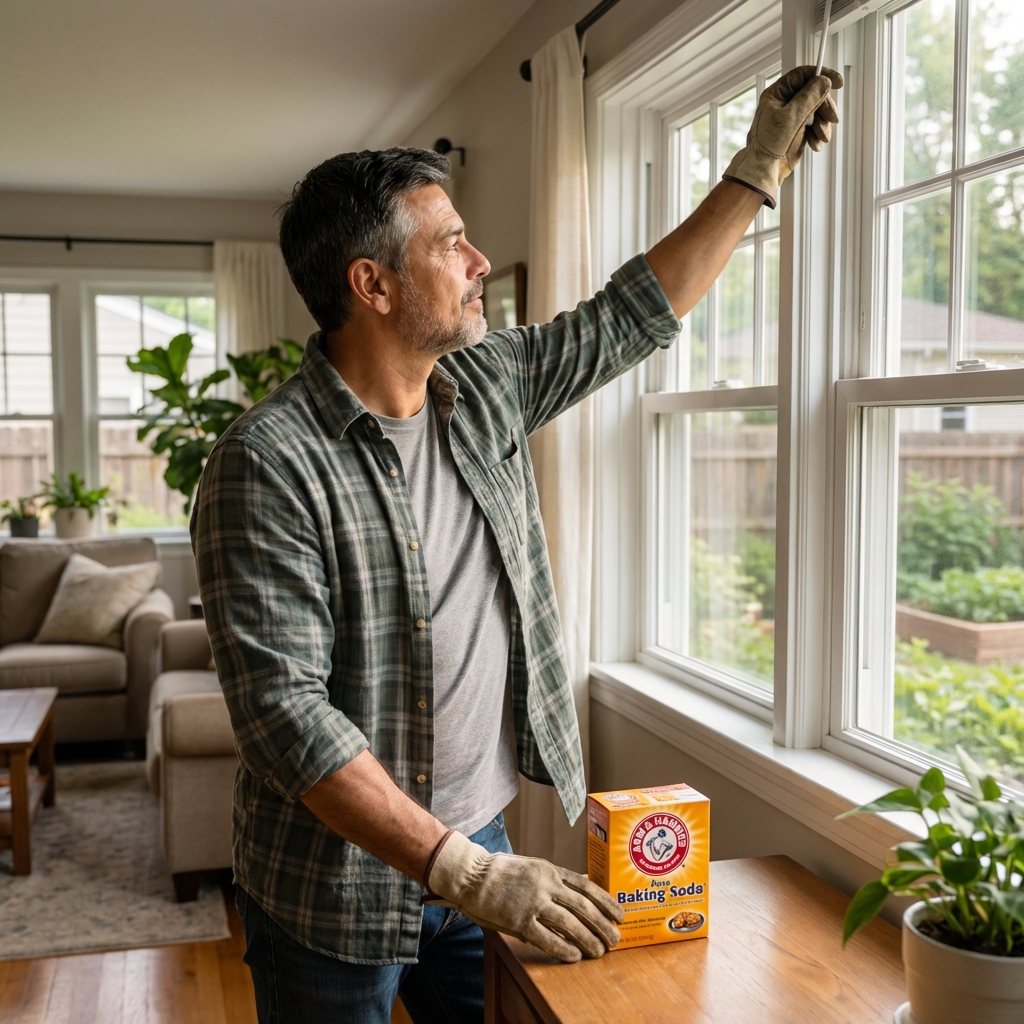
- Open windows and run fans outward. Put a box fan in a window facing out to push air outside. If you have two windows, crack one on the opposite side to allow fresh air to flow in.
- Turn off HVAC temporarily. If your furnace or AC is running, it can pull odor into ductwork and spread it everywhere.
- Contain the source. Put smelly items (shoes, jackets, dog leash, towels) in a garage, porch, or sealed plastic bin until you can wash them.
- Blot, do not rub. If there is a direct spray spot on a floor, rug, or pet, blot with paper towels. Rubbing drives oils deeper.
Most effective home mix: peroxide + baking soda + soap
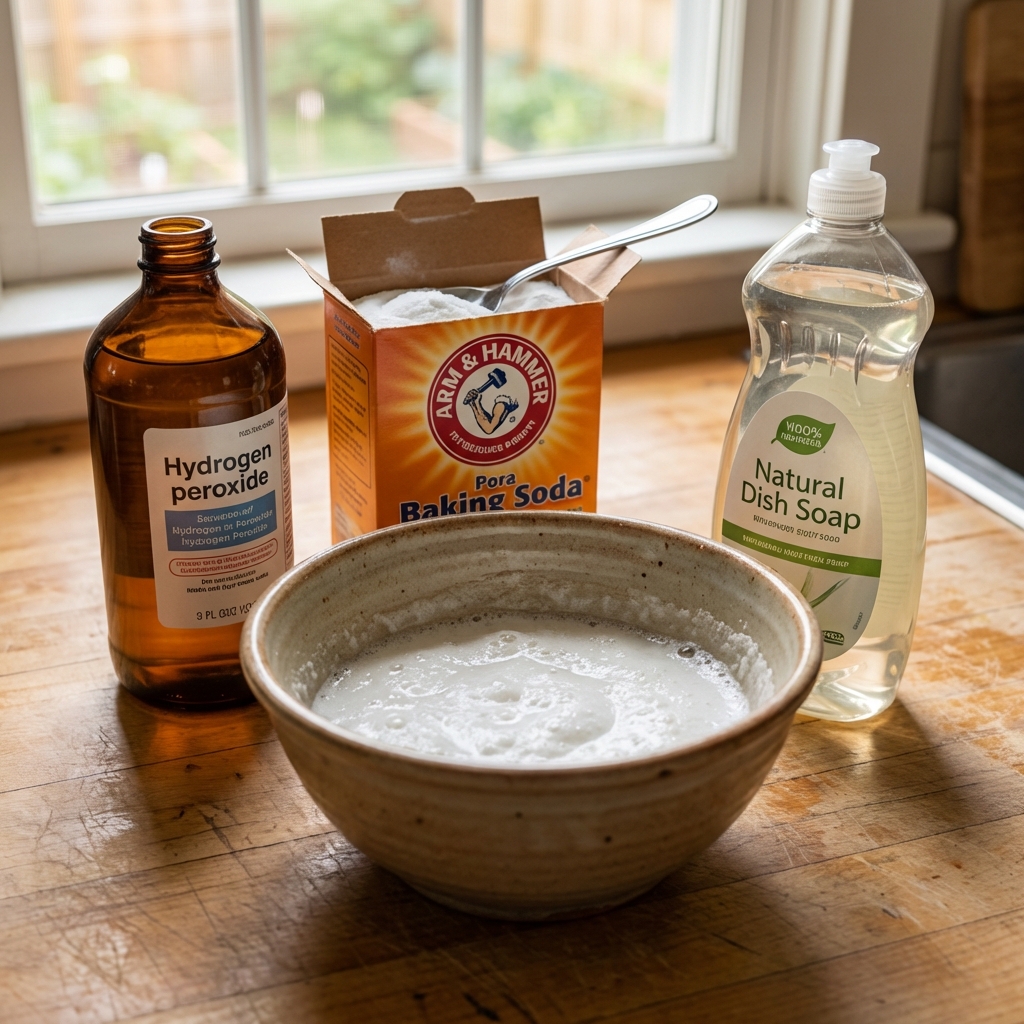
This is one of the most effective home mixes because it breaks down skunk sulfur compounds instead of covering them up. Use it on washable hard surfaces and some fabrics (spot test first). It is also the go-to mix many people use for pets, but keep it out of eyes and ears.
Mix (make fresh, do not store)
- 1 quart (4 cups) 3% hydrogen peroxide
- 1/4 cup baking soda
- 1 teaspoon liquid dish soap (degreasing type)
Why fresh matters: This mix releases oxygen as it reacts. If you cap it in a bottle, pressure can build.
How to use it indoors
- Hard floors, walls, baseboards: Wipe on with a damp cloth or sponge. Let sit 5 to 10 minutes, then rinse with clean water and dry.
- Sealed countertops and tile: Same method. Avoid natural stone (marble, granite) and other porous surfaces unless you know the finish is compatible with peroxide.
- Fabrics and upholstery: Spot test in an invisible area first. Lightly dab, do not soak. Blot with clean water after 5 minutes, then blot dry.
Important: Peroxide can lighten dyes and damage delicate materials. If you are unsure, use the vinegar method below on fabrics instead, or consider professional cleaning for wool, silk, leather, suede, or specialty upholstery.
Vinegar cleanup for fabrics and lingering odor
White vinegar is not as strong as the peroxide mix for fresh skunk spray, but it can help with lingering odor, especially on fabrics. It may also take the edge off in a room while you are cleaning surfaces, but it is not a true air neutralizer for heavy skunk odor.
For laundry (clothes, towels, washable throws)
- Wash with your normal detergent.
- Add 1 cup white vinegar to the rinse cycle or fabric softener compartment.
- Air dry first. Heat from the dryer can “set” odor if anything remains.
For upholstery and carpets (gentler approach)
- Mix 1 part white vinegar with 2 parts warm water in a bowl.
- Lightly blot the area with a cloth. Do not saturate padding.
- Blot with plain water, then press dry with towels.
For room air (mild odor control)
Set out small bowls of vinegar in the smelliest rooms for a few hours. This is a mild helper, not a cure, but it can reduce the edge while you work on the real sources (fabrics and surfaces).
Baking soda: slow, steady odor absorption
Baking soda is best for absorbing stubborn smell over time, especially in soft materials. It will not solve a heavy fresh spray by itself, but it is great after you do the main cleaning.
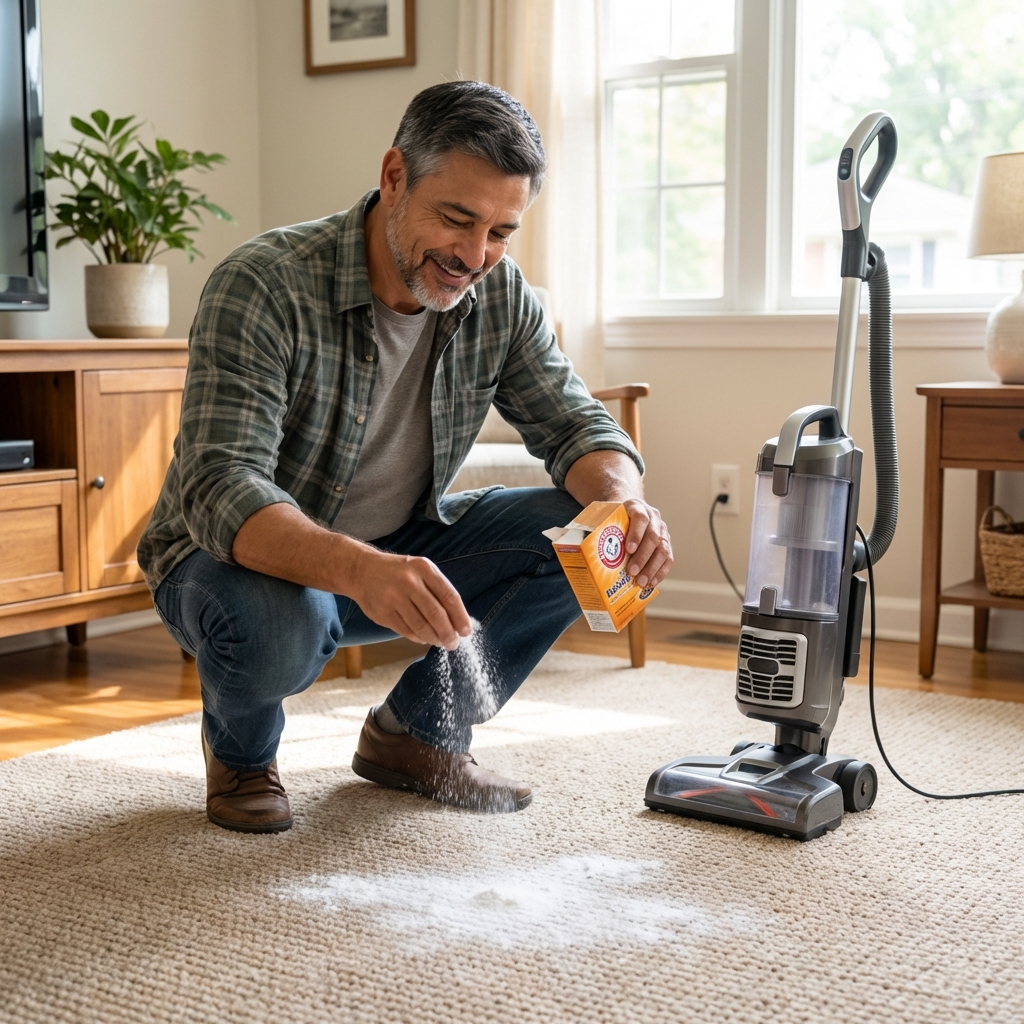
- Carpet: Sprinkle a generous layer, let sit overnight, then vacuum thoroughly.
- Mattresses and fabric cushions: Sprinkle, let sit 4 to 8 hours, vacuum with an upholstery attachment.
- Shoes: Sprinkle inside, let sit overnight, shake out.
If your vacuum has a washable filter, clean it after. Skunk odor can cling to vacuum parts and re-stink the room.
What to clean first (so you do not chase the smell around)
Skunk odor travels, but it is usually strongest on the items that were closest to the spray. Use this order to avoid recontaminating cleaned spaces.
- Source items: shoes, jackets, pet bedding, leashes, towels, rugs by the door.
- Entry zone: doorknobs, door frame, floor, baseboards, any wall splash area.
- Soft surfaces: couch armrests, throw blankets, curtains.
- Air handling: vents, filters, fan blades.
HVAC and vents: keep skunk smell from circulating
If the odor got pulled into your system, you will notice it “puff” back into rooms when heat or AC runs.
- Replace the HVAC filter right away. Avoid running the system without a filter, since it can lead to dust and odor buildup on internal components.
- Wipe return vent covers with the peroxide mix (if safe for the finish) or vinegar solution.
- Run the fan in short bursts only after you have cleaned the main source, with windows open if possible.
If your whole house still smells strongly after a day or two, the odor may be deeper in ductwork or insulation near an entry point. Professional duct cleaning can help in some cases. Ozone treatment is also sometimes used by professionals, but ozone is unsafe to breathe. It should only be done by trained providers with the home fully vacant (people, pets, and plants out) and proper re-entry procedures.
If your pet brought the smell inside
This is common. Your dog gets sprayed, runs inside, and suddenly every fabric surface smells like skunk.
- Bathe the pet first if possible, then clean the house. Otherwise you will keep reintroducing odor.
- Use the peroxide + baking soda + soap mix on the coat, avoiding eyes, mouth, and ears. Rinse very well.
- Wash pet bedding, collars, and harnesses with detergent plus vinegar rinse.
If your pet has respiratory issues, is very young, or you are unsure about skin sensitivity, call your vet for the safest approach.
Don’t forget outside sources
Sometimes the spray happened near a doorway, under a porch, or along the foundation, and that odor keeps sneaking back in.
- Check the entry point: wipe exterior thresholds, steps, and door mats with the peroxide mix (spot test first).
- Look for porous hang-ups: unfinished wood, unsealed concrete, and outdoor cushions can hold odor longer.
- Use odor absorbers indoors: activated charcoal or commercial odor absorber tubs can help in stubborn rooms as a backup to cleaning.
Seasonal notes: when skunk smell problems are most common
Skunk encounters tend to spike in certain seasons, and your cleanup strategy can shift slightly depending on weather.
Spring
Skunks are active and hungry. Muddy entryways plus skunk oils is a rough combo. Put a washable mat inside and outside the door and wash it quickly if it gets contaminated.
Summer
Heat can make odor “wake up” again in fabrics. If you think it is gone, then a hot day brings it back, revisit soft surfaces with baking soda and a gentle vinegar blot.
Fall
People close windows earlier. That traps odor. Even 20 minutes of cross-ventilation helps more than you would think.
Winter
Ventilation is harder. Focus on source removal and surface neutralizing, then use baking soda on carpets and upholstery and replace HVAC filters more than once if needed.
What not to do (common mistakes)
- Do not use bleach on everything. It can damage surfaces and does not reliably neutralize skunk oils the way the peroxide mix does.
- Do not rely on air fresheners or incense. You end up with skunk plus perfume.
- Do not steam clean right away. Heat can drive odor deeper into carpet padding and upholstery.
- Do not put smelly clothes straight in the dryer. Air dry first to make sure the odor is truly gone.
Quick checklist for a skunk smell cleanup day
- Open windows, run fans outward
- Turn off HVAC, replace filter if needed
- Remove and bag source items
- Clean entry area surfaces with peroxide mix
- Launder fabrics, add vinegar rinse
- Baking soda on carpets and cushions overnight
- Vacuum and clean vacuum filter
- Wipe vents and high-touch surfaces
When the smell will finally go away
For a mild indoor exposure, you can often get your home back to normal in 24 to 72 hours with the steps above. Heavy spray, a pet rolling in it, or odor pulled into HVAC can take a week or more without more aggressive cleaning.
If you have tried the peroxide method, washed fabrics, replaced HVAC filters, and the odor is still strong after several days, you may be dealing with odor trapped in insulation, under carpet padding, or inside ductwork. At that point, professional help can save you time and frustration.

Jose Brito
I’m Jose Britto, the writer behind The Country Store Farm Website. I share practical, down-to-earth gardening advice for home growers—whether you’re starting your first raised bed, troubleshooting pests, improving soil, or figuring out what to plant next. My focus is simple: clear tips you can actually use, realistic expectations, and methods that work in real backyards (not just in perfect conditions). If you like straightforward guidance and learning as you go, you’re in the right place.