Avocados have a special talent for being unripe for days, then suddenly turning into guacamole when you were planning sliced avocado. The good news is you can slow that process down a lot once you understand what drives ripening.
This guide is written for real kitchens and real harvest baskets. Whether you picked fruit from a backyard tree or grabbed a bag from the store, the goal is the same: manage ethylene, temperature, and timing so your avocados ripen when you want them to.
Why avocados ripen so fast
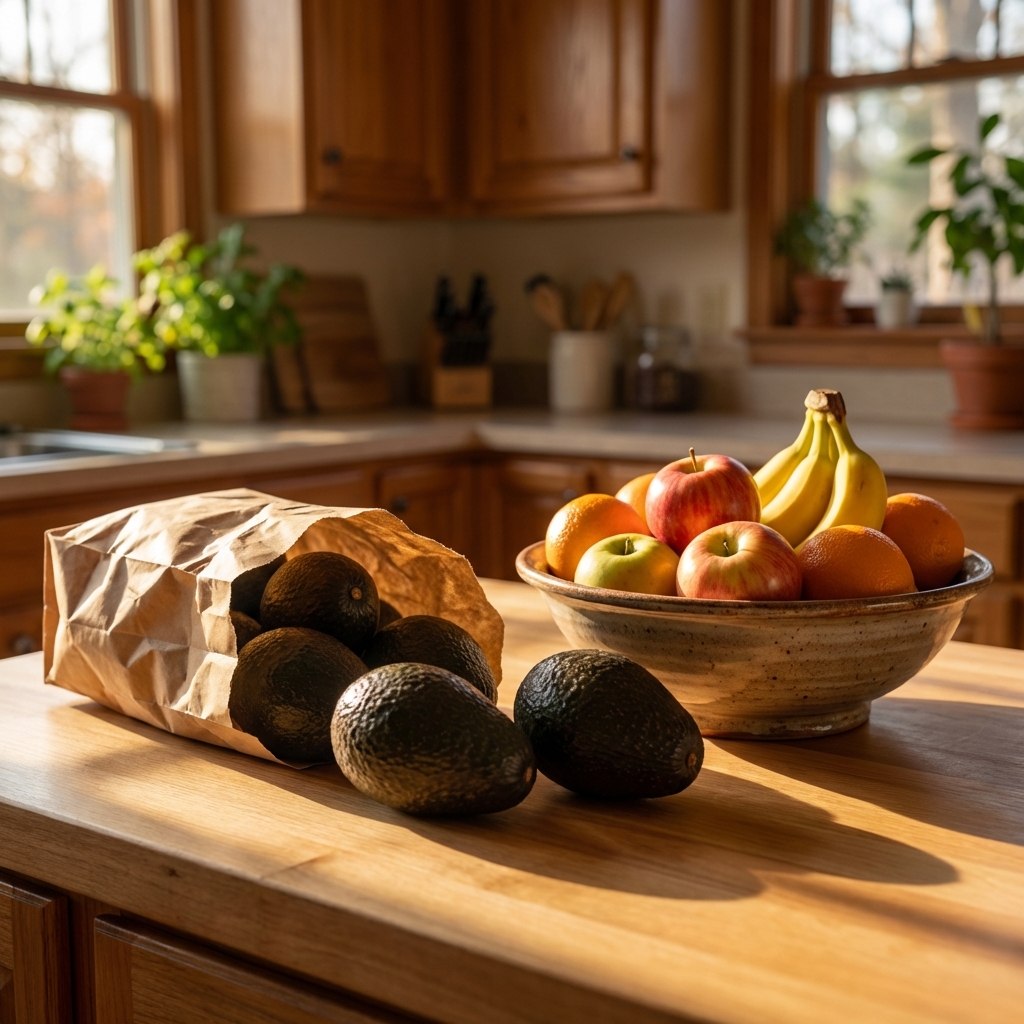
Avocados are a climacteric fruit, which means they ripen after harvest. Ripening is triggered by ethylene gas, a natural plant hormone. As avocados start producing ethylene, they also become more sensitive to ethylene around them. That is why one ripening avocado can push the rest of the batch over the edge.
What speeds ripening up
- Warm temperatures (countertop ripening is fastest)
- Ethylene from other produce like bananas and apples
- Enclosed storage (bags, closed bowls, crowded bins) where ethylene builds up
- Bruising, which damages cells and accelerates softening
What slows ripening down
- Cool temperatures (refrigeration at the right time)
- Separating fruit so one ripening avocado does not push the rest
- Reducing ethylene exposure by moving away from bananas, apples, pears, and stone fruit
The best method: refrigerate at the right stage
If you want to keep avocados from ripening, the fridge is your strongest tool, but timing matters.
Fridge tip: Most refrigerators run about 37 to 40°F (3 to 4°C). Avoid the coldest spots (back of the fridge or right near the vent), which can increase chilling injury in some fruit.
For unripe avocados (hard)
Keep them at room temperature if you want them to ripen normally in the next few days. Refrigerating very unripe avocados can slow ripening so much that texture and flavor may develop unevenly, especially if the fruit was harvested immature.
If your main goal is to delay ripening and you are okay with a longer wait for peak flavor, you can refrigerate hard avocados. For many kitchens, a better compromise is a cool room temperature (about 60 to 70°F) in a shaded spot.
For almost-ripe avocados (slightly firm)
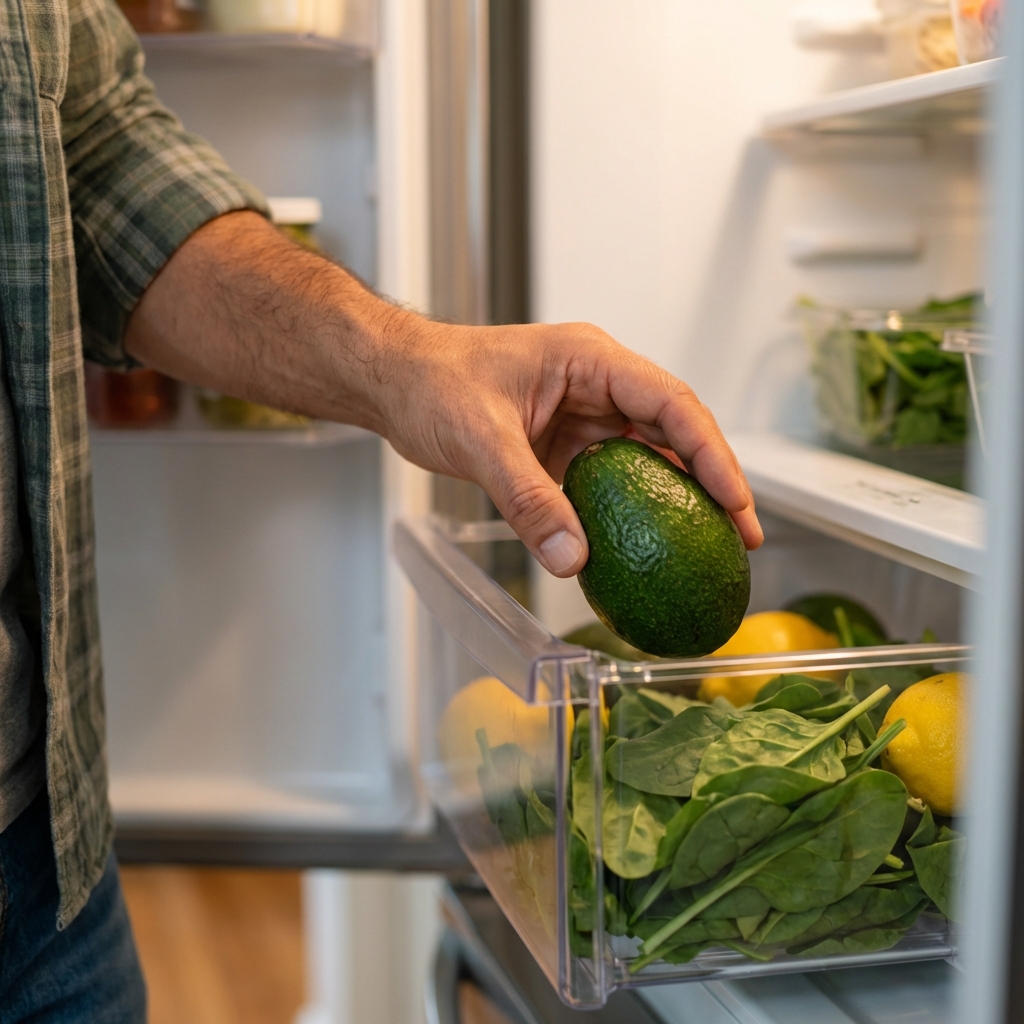
This is the sweet spot. If the avocado yields just a little when you press gently in your palm, move it to the fridge. Cold temps slow ethylene action and buy you time.
How to check without bruising: Press gently with your whole palm, not your fingertips. You want a little give, but no dent that stays.
- Whole, uncut avocados: store in the crisper drawer
- Expected hold time: often 3 to 7 days depending on variety and starting ripeness
For ripe avocados (soft but not mushy)
Put ripe avocados straight into the fridge if you are not using them that day. This can keep them usable for a couple more days, sometimes longer. Check daily once they are ripe.
How to check daily: Give them a gentle palm squeeze. Cold fruit can feel a little firmer than it really is, so also watch for very soft spots near the stem end, weeping, or an “off” smell when you get close.
Keep avocados away from ethylene producers
If you want to slow ripening, do the opposite of the classic “ripen in a bag with a banana” trick.
Move them away from these fruits
- Bananas
- Apples
- Pears
- Peaches and nectarines
- Plums
- Tomatoes
Even if they are not touching, sharing the same fruit bowl can increase ethylene exposure.
Separate your avocados
If you have several avocados at different stages, store them in a way that prevents a chain reaction:
- Put one or two out to finish ripening
- Keep the rest cooler and spaced out
- As each one reaches “slightly firm,” move it to the fridge
Paper bag, plastic bag, and wrapping
This part gets confusing online, so here is the practical takeaway.
Paper bag
A paper bag traps ethylene, which makes avocados ripen faster, not slower. Use this only when you want to speed things up.
Plastic bag
A sealed plastic bag can reduce moisture loss, but it also can trap ethylene and lead to off smells or condensation. If you use plastic, choose a bag with a little ventilation and keep it in the fridge for already nearly ripe fruit.
Wrapping each avocado
This is optional. Wrapping each avocado can help reduce scuffing and may slightly slow how quickly one fruit influences the next in a mixed batch. Results vary because wrapping can also trap ethylene close to the fruit. If you try it, focus on separation and temperature first, then treat wrapping as a small extra.
Avoid these common mistakes
- Do not store on a sunny windowsill. Heat is ripening fuel.
- Do not stack heavy fruit on top. Bruises turn into brown spots quickly.
- Do not wash avocados before storing. Extra surface moisture can encourage mold. Wash right before use.
If you cut one: stop browning
Once an avocado is cut, you are no longer “preventing ripening.” Now you are fighting oxidation, which causes browning. You can still keep it usable for a day or two with the right steps.
Best storage for half an avocado
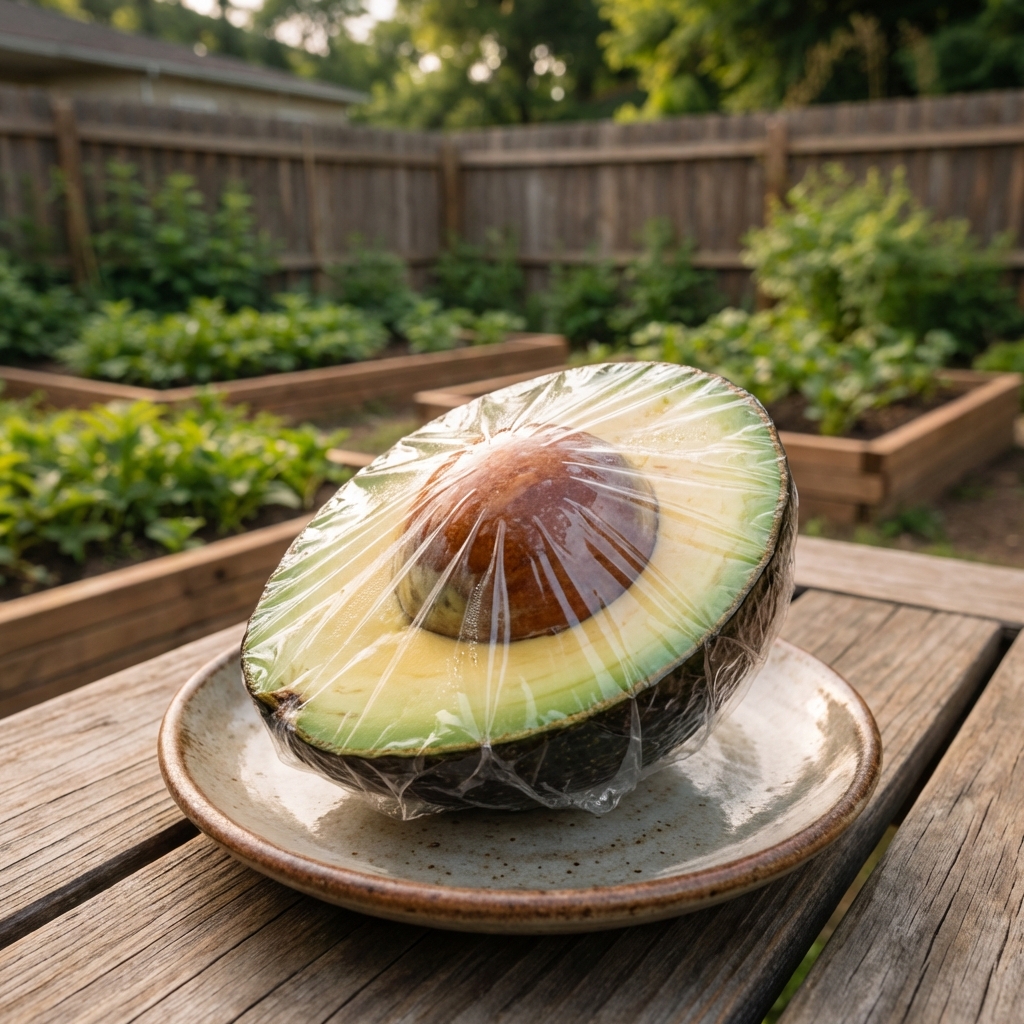
- Leave the pit in if possible
- Brush or spritz the cut surface with lemon or lime juice
- Press plastic wrap directly onto the cut surface so there is no air pocket
- Refrigerate in an airtight container
Expect the very top layer to darken a bit. You can usually scrape off a thin layer and the green flesh underneath is fine.
Skip the “water method” trend: Storing cut avocado in water is popular online, but it can raise food safety concerns. The safer approach is tight wrap plus refrigeration.
Freezing: pause avocados
If you truly need to stop the clock for more than a week, freezing is the most dependable option. Texture changes, so frozen avocado is best for smoothies, guacamole, spreads, and baking, not pretty slices.
How to freeze avocado
Use ripe avocados. Freezing unripe fruit gives you bland results.
Scoop out the flesh and mash it with a little lemon or lime juice.
Pack into a freezer bag and press flat to remove air.
Label and freeze. For best quality, use within 3 months. Up to 6 months is often acceptable if well sealed.
Freezing chunks
You can also freeze chunks on a baking sheet, then move them to a freezer bag. Add a splash of citrus first to help with browning.
Gardeners: harvest notes
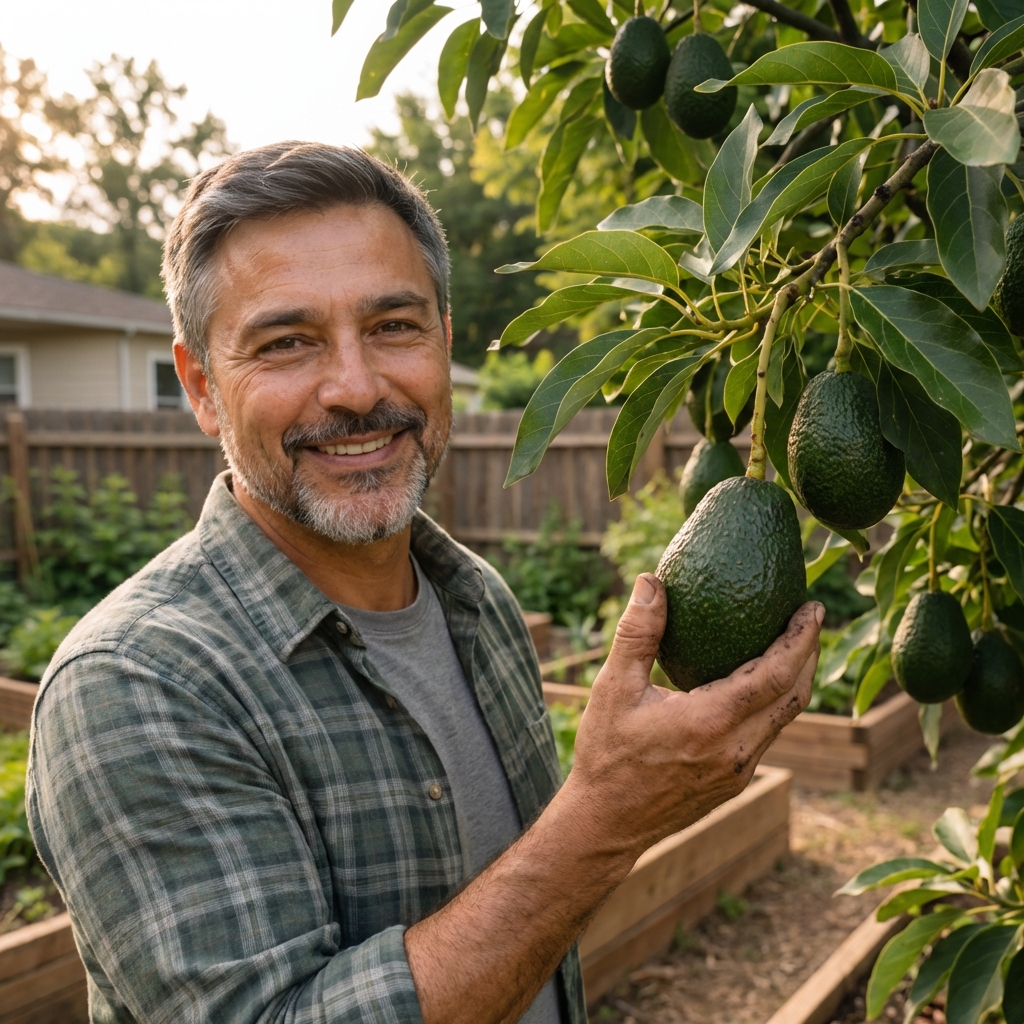
Backyard avocados can be tricky because different varieties ripen differently, and many do not soften on the tree. In general, avocados reach maturity on the tree, then soften after picking.
How to avoid “never ripens” fruit
- Harvest in the right season for your variety. Too early can mean rubbery texture and weak flavor.
- Pick one test fruit and let it ripen on the counter. If it stays hard after 10 to 14 days, the rest may need more time on the tree.
- Handle gently. Fresh-picked fruit bruises easily, and bruising speeds breakdown.
Do not rely on color alone: Some varieties darken as they ripen (like Hass), while greener-skinned types may stay green. Feel is usually the better guide.
If you have a big harvest, stagger your picks. Leaving mature fruit on the tree (when your variety allows) is often the best “storage” method of all.
Quick troubleshooting
My avocado got soft but tastes watery
That usually points to fruit harvested too early, or fruit that stayed too cold while still very unripe. Let the next one ripen at room temperature until it begins to yield slightly, then refrigerate.
My avocados all ripened at once
Separate them and use a simple rotation:
- Keep 1 to 2 on the counter
- Move “slightly firm” fruit to the fridge
- Keep ripe fruit refrigerated and use within a couple days
Brown strings inside
This can be vascular browning from chilling injury, age, or rough handling. Sometimes you are also just seeing natural fibers. If the avocado smells rancid, tastes bitter, shows mold, or has widespread gray-brown flesh, discard it.
Fast recap
- Keep hard avocados cool and out of the sun, but usually not in the fridge if you want good flavor soon.
- As soon as they turn slightly firm, move them to the fridge to slow ripening.
- Keep them away from bananas and apples.
- Freeze ripe avocado if you need to pause for weeks or months.
Have a favorite storage trick, or a question about your batch? Share it in the comments so others can learn from what works in real kitchens.

Jose Brito
I’m Jose Britto, the writer behind The Country Store Farm Website. I share practical, down-to-earth gardening advice for home growers—whether you’re starting your first raised bed, troubleshooting pests, improving soil, or figuring out what to plant next. My focus is simple: clear tips you can actually use, realistic expectations, and methods that work in real backyards (not just in perfect conditions). If you like straightforward guidance and learning as you go, you’re in the right place.