Flies are not usually a mystery. They show up most often for three reasons: they can get in, they can find food, or they can breed. Fix those three things and the problem drops fast.
Sometimes, though, they are coming from a hidden source you cannot see at a glance, like a dead rodent in a wall, animal waste in an attic, a sewage leak, or seasonal cluster flies waking up in wall voids. If your cleaning is solid and they keep appearing, skip ahead to the “When flies mean something bigger” section.
This guide walks you through the easiest wins first, then the deeper cleaning and prevention steps that keep flies from coming right back.
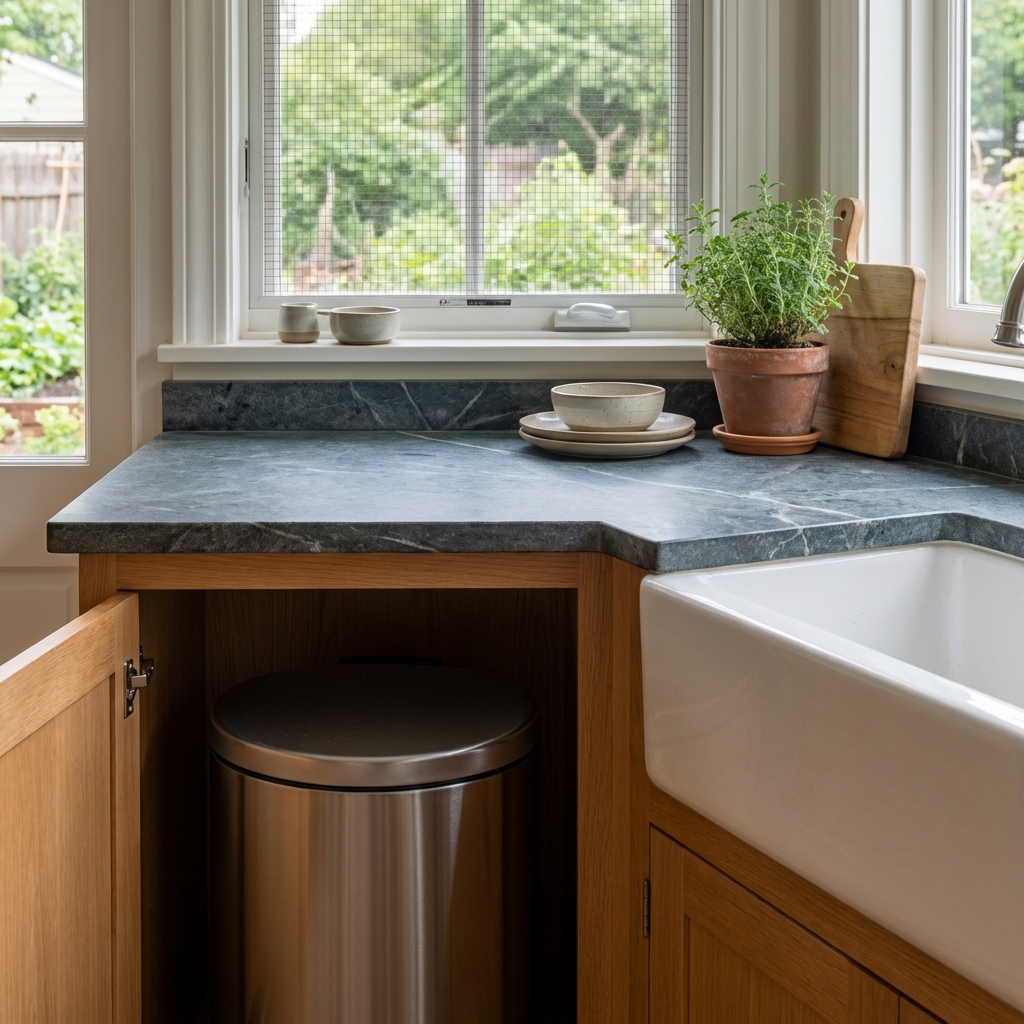
Start here: 10-minute fly check
If you are seeing more than a couple flies a day, do this quick pass before you buy anything.
- Walk the perimeter: check door bottoms, screen tears, and window gaps.
- Check the kitchen: fruit bowl, recycling, trash can lid, and anything sticky on counters.
- Check the sink and drains: any smell, slime, or slow drain can point to drain flies.
- Check pet zones: litter box, food bowls, and any accidents.
- Find the hot spot: where do you see the most flies collecting, on windows, near the trash, or by a plant?
Block the way in
Even a clean home will get flies if they have easy access. This is the part most people skip, then wonder why traps never fully solve it.
Screens and windows
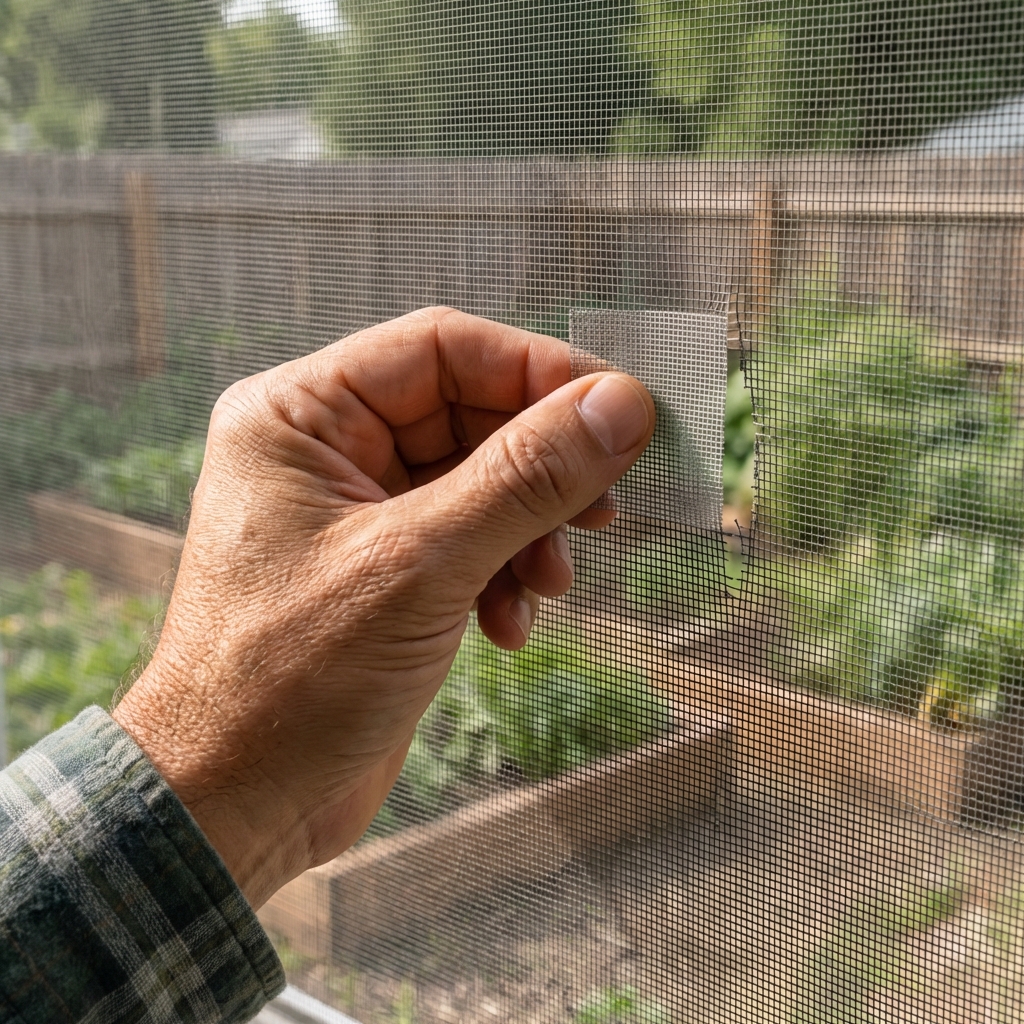
- Repair holes in window and door screens. A small tear is a wide-open door for flies.
- Check screen fit: screens that bow or pop out at the corners leak.
- Close windows during peak outdoor activity, often warm afternoons and evenings, especially near compost, bins, or livestock areas.
Doors, gaps, and weatherstripping
- Add a door sweep or replace a worn one. Light showing under a door is a fly highway.
- Replace weatherstripping around exterior doors that no longer seals.
- Seal gaps where pipes and wires enter the house using caulk or expanding foam.
Do not invite them in
- Keep doors closed when bringing in groceries. Propping a door for five minutes can be enough.
- If you have kids or frequent traffic, consider a magnetic screen door for a main entry.
Remove what attracts flies
Flies are looking for food and smell. You do not need a sterile house, you just need to remove the easy meals.
Trash and recycling
- Use a lidded trash can and keep the lid closed.
- Rinse sticky containers before they go in recycling.
- Take out kitchen trash more often during hot weather, even if it is not full.
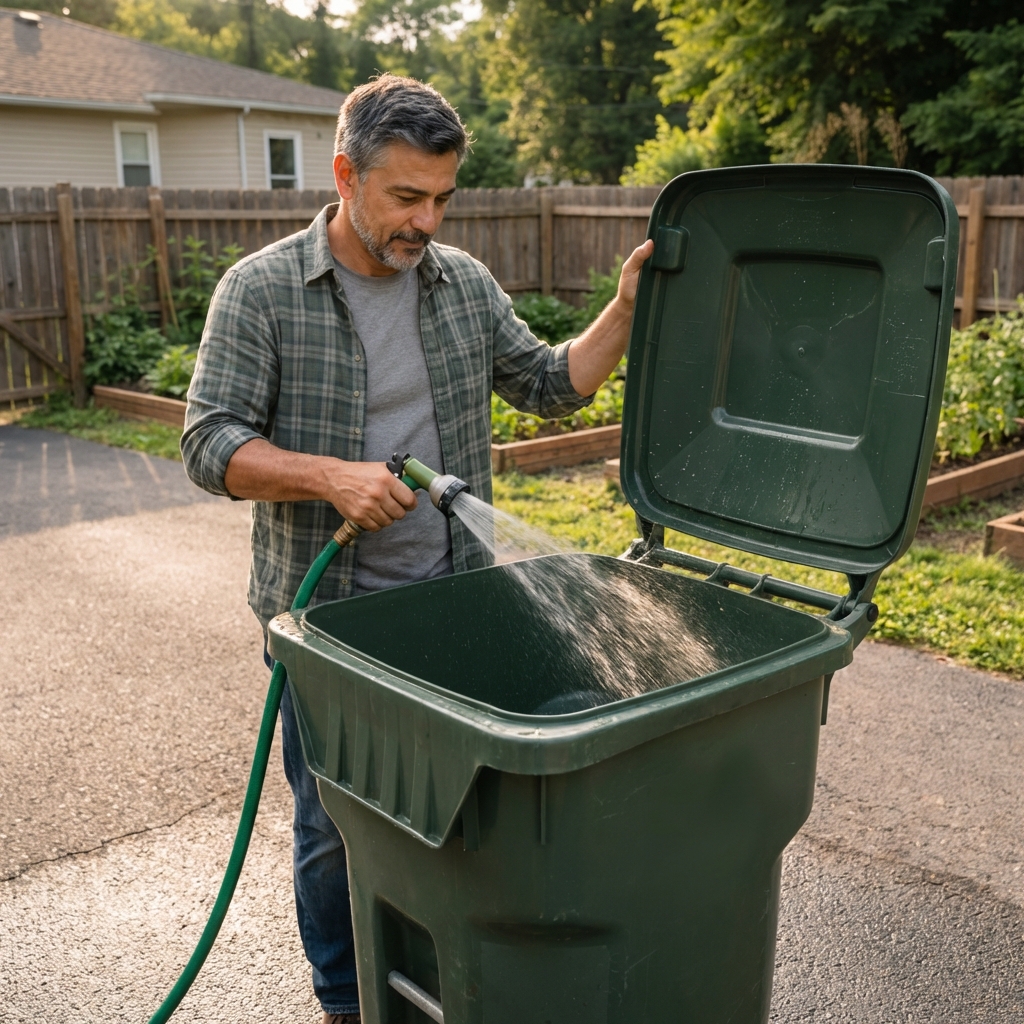
- Wash the can: a quick scrub with dish soap and hot water makes a big difference. Let it dry fully.
Fruit, produce, and pantry
- Refrigerate ripe fruit. A fruit bowl is basically a sign that says “free snacks.”
- Wipe up juice drips and sticky spots right away, especially under a toaster or coffee station.
- Check onions and potatoes for one bad one hiding in the back. Rot is a strong attractant.
Pet areas
- Do not leave wet pet food out for hours.
- Scoop litter boxes daily, more if you have multiple cats.
- Clean up pet waste in the yard regularly. Outdoor flies become indoor flies.
Houseplants and moisture
Overwatered soil can attract fungus gnats, which many people call “tiny flies.” Let the top inch of soil dry between waterings, and empty drip trays.

Know your fly: quick identification
Different flies need different fixes. Use these simple clues to avoid wasting time.
- House flies: medium sized, loud, often seen on windows and walls. Source is usually trash, pet waste, or something decaying.
- Fruit flies: small, tan, hover around fruit, recycling, and sticky spills. Source is usually ripening fruit, bottles, or residue in drains.
- Drain flies: tiny, fuzzy, moth-like, hang around sinks and showers. Source is slime buildup inside drains.
- Fungus gnats: tiny, dark, slow flyers near houseplants. Source is consistently moist potting mix.
- Cluster flies: look like slightly larger house flies and often show up at windows in cool weather or early spring. They may be coming from wall voids and attics, not your kitchen. Exclusion and sealing is the big fix.
- Blow flies: larger, sometimes metallic (blue or green), and show up suddenly. They often point to a dead animal, meat trash, or something rotting nearby.
Simple traps that actually help
Traps are best as a support tool. Use them while you remove the source. Otherwise you are just catching the symptom.
Match the trap to the fly type. A fruit fly trap will not do much for house flies, and drain flies will keep coming if the drain stays slimy.
For fruit flies: a basic vinegar trap
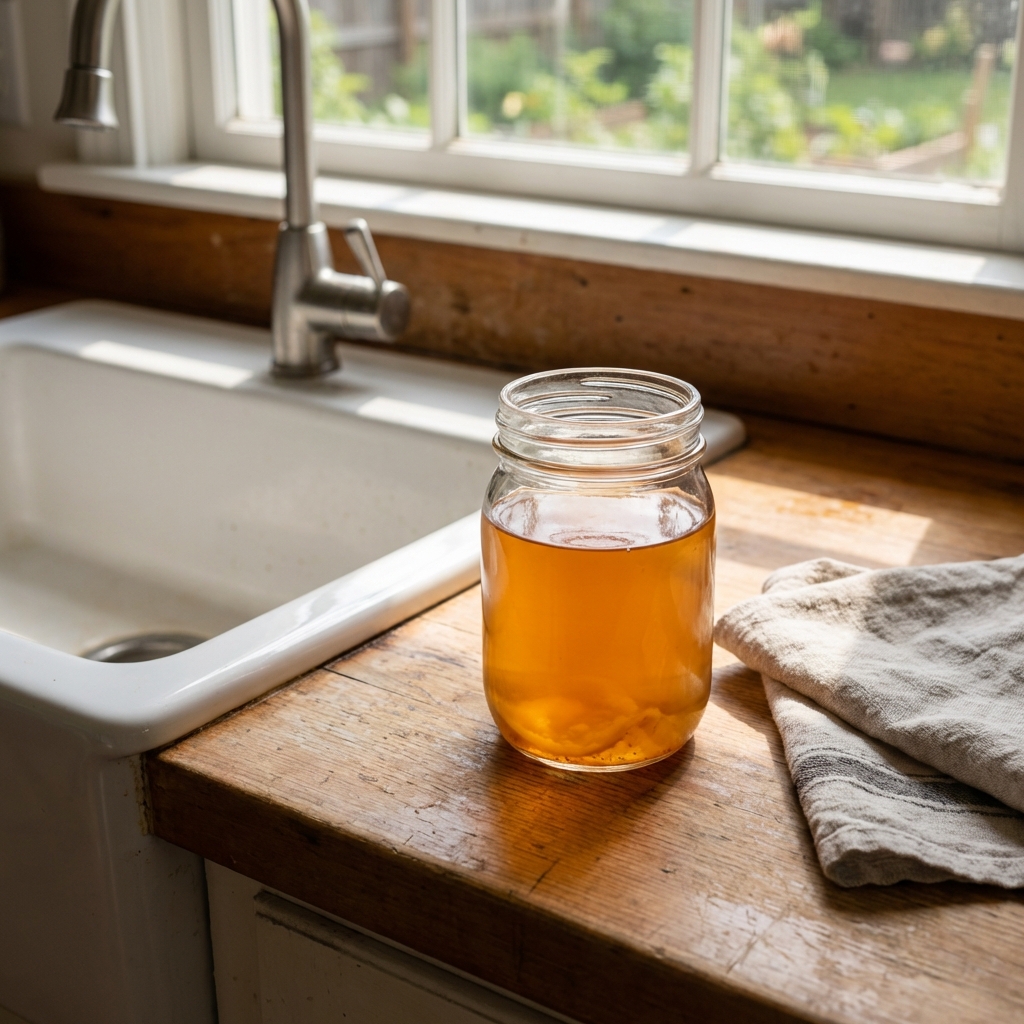
- Put apple cider vinegar in a small cup.
- Add a drop of dish soap to break surface tension.
- Set it near the worst area: fruit bowl, recycling, or sink.
If you have kids or pets, place the cup inside a cabinet or use a jar with a small opening.
For house flies: sticky traps and light placement
- Sticky fly ribbons work well in garages, mudrooms, and near trash areas.
- Place traps near windows where flies naturally gather, but out of reach of kids and pets.
- Turn off indoor lights at night near open doors. Bright indoor light can pull flies inside.
For fungus gnats: yellow sticky cards
- Put yellow sticky cards right at soil level.
- Let soil dry between waterings and avoid keeping saucers full of water.
Drain flies: the fix most people miss
If flies are hovering around sinks, showers, or a floor drain, you can trap them all day and still lose. The real issue is usually a slimy buildup inside the drain where they lay eggs.
How to confirm it is the drain
At night, cover the drain opening with clear tape. In the morning, check both sides. Flies stuck on the underside often means they are emerging from the drain. Flies stuck on the top can mean they are hanging around the area for moisture or smells.
How to clean the drain the right way
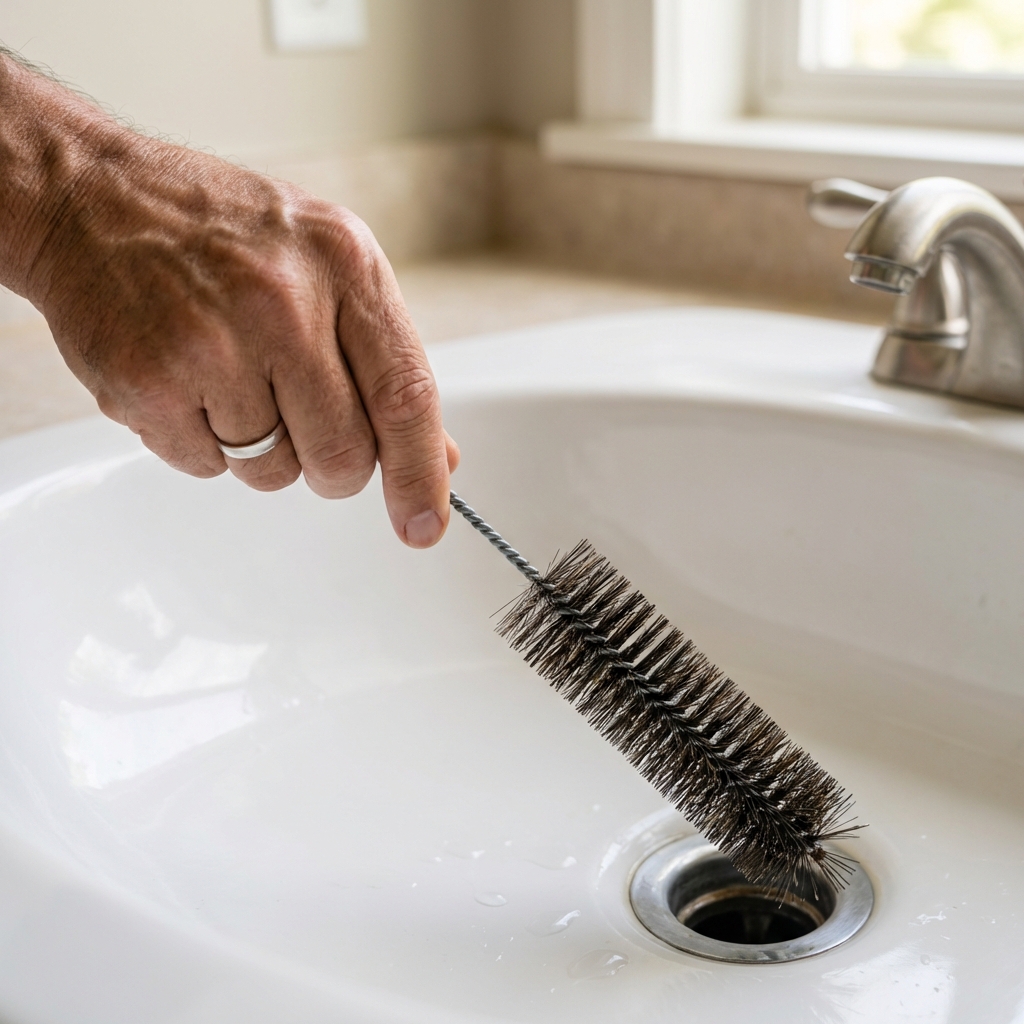
- Scrub the drain walls with a long brush. This is the part that matters.
- Clean related spots: scrub the sink overflow hole if you have one, and clean the drain opening and stopper.
- Flush with hot water after scrubbing.
- Repeat for a few days if the problem has been going on a while.
Enzyme drain cleaners can help maintain a clean drain, but they work best after you physically remove buildup. Do not mix drain products or cleaners, and be cautious with very hot or boiling water on PVC plumbing.
Kitchen habits that keep flies from returning
You do not need to overhaul your life. A few small routines make a huge difference, especially in summer.
- Wipe counters nightly, including around the stove and under small appliances where crumbs hide.
- Run the disposal with plenty of water, and do not leave food scraps sitting in it.
- Keep dish rags and sponges clean. Swap them out often. To sanitize, run sponges and washable cloths through the dishwasher on a hot or sanitize cycle, or replace them regularly.
- Store compost smart: use a countertop bin with a tight lid, empty it frequently, and rinse it out.
Entry points you might not think about
If you have done the basics and flies keep appearing, look at these common sneaky spots.
- Garage door gaps: especially at the bottom corners.
- Attic vents without proper screening.
- Dry traps in rarely used bathrooms. Pour water into floor drains and unused sinks to keep the trap filled.
- Damaged window AC seals or gaps around a hose bib line.
- Outdoor sources near doors: compost bins, trash cans, and dog waste stations that sit right by an entry make it easier for flies to follow you inside.
Natural repellents: what works and what to skip
Some natural options can help as a supporting step, but they do not replace blocking entry and removing food sources.
Worth trying
- Fans: a steady airflow makes it harder for flies to land, especially near food prep areas.
- Essential oil sprays can help in limited situations, but use caution. Many oils can irritate lungs and skin, and some are unsafe for pets, especially cats. Use good ventilation, keep sprays off food-contact surfaces, and skip them entirely if your pets are sensitive.
Skip the hype
- Random internet mixes that promise instant results. If the source stays, flies stay.
- Open bowls of sugary liquid without a trap design. You can attract more flies than you catch.
When flies mean something bigger
Sometimes flies are a signal of a hidden issue. Consider investigating further if you notice any of the following:
- Sudden heavy fly activity in one room, especially near a wall, ceiling, or vent.
- Strong odors with no obvious source.
- Recurring drain fly outbreaks even after scrubbing, which can point to buildup deeper in the trap or branch line.
- Larger metallic flies (blow flies) that appear out of nowhere, which can signal something dead in a wall, attic, crawlspace, or chimney.
- Flies clustering at windows in cool seasons, which can be cluster flies emerging from wall voids or attics. In that case, sealing and exclusion is the long-term solution.
In those cases, it may be time to call a professional to rule out a dead rodent, broken pipe, or sewer and drain issues.
A simple weekly prevention routine
If you want a realistic plan you can stick to, here is a quick routine that prevents most indoor fly problems.
- 2 minutes daily: wipe counters and do a quick sink rinse, take out any food-heavy trash if needed.
- Once a week: rinse recycling, wash the trash can rim and lid, clean under the fruit bowl area.
- Every two weeks: scrub the main kitchen drain and one bathroom drain with a brush.
- Seasonally: inspect screens, replace door sweeps, and seal new gaps.
Quick troubleshooting
If you only see flies at the windows
They are likely getting in and heading toward light, or they may be seasonal cluster flies. Focus on screens, door gaps, and any areas where outdoor air enters. Add a trap near that window while you seal the entry.
If you see tiny flies around the sink
Assume drain flies or fruit flies until proven otherwise. Scrub the drain walls, check the tape test, and remove anything fermenting nearby.
If flies keep returning after you clean
Look for a hidden source: a forgotten potato bag, a drip tray under the fridge, trash residue inside the can, pet waste outdoors near a door, or something dead in an attic or wall void.

Jose Brito
I’m Jose Britto, the writer behind The Country Store Farm Website. I share practical, down-to-earth gardening advice for home growers—whether you’re starting your first raised bed, troubleshooting pests, improving soil, or figuring out what to plant next. My focus is simple: clear tips you can actually use, realistic expectations, and methods that work in real backyards (not just in perfect conditions). If you like straightforward guidance and learning as you go, you’re in the right place.