Rabbits are cute until they turn your lettuce into a cleanly clipped stump overnight. The tricky part is that rabbits are consistent. If they find an easy meal, they come back and bring friends.
The good news is you do not need anything fancy. The fastest wins come from blocking access, then backing it up with repellents and a few smart planting choices. Below is a quick plan you can start today, followed by the longer-term fixes that make rabbit problems fade out.
How to tell it is rabbits (not deer or squirrels)
Before you buy supplies, make sure you are solving the right problem. Rabbit damage has a couple of giveaways:
- Clean, angled cuts on stems and leaves, like someone used small scissors. Rabbits have sharp incisors.
- Damage is usually low, often under 18 to 24 inches. Deer can browse low too, so use this clue with the cut style below.
- Small round droppings nearby and little runways in grass or mulch.
- Seedlings disappear completely, especially beans, peas, lettuce, and young brassicas.
If you see torn leaves, digging, or half-buried nuts, you may also have squirrels. You can still use many of the same physical protections, but rabbits are usually the “nightly haircut” culprit.
Quick fixes that work today
1) Make a temporary fence right now
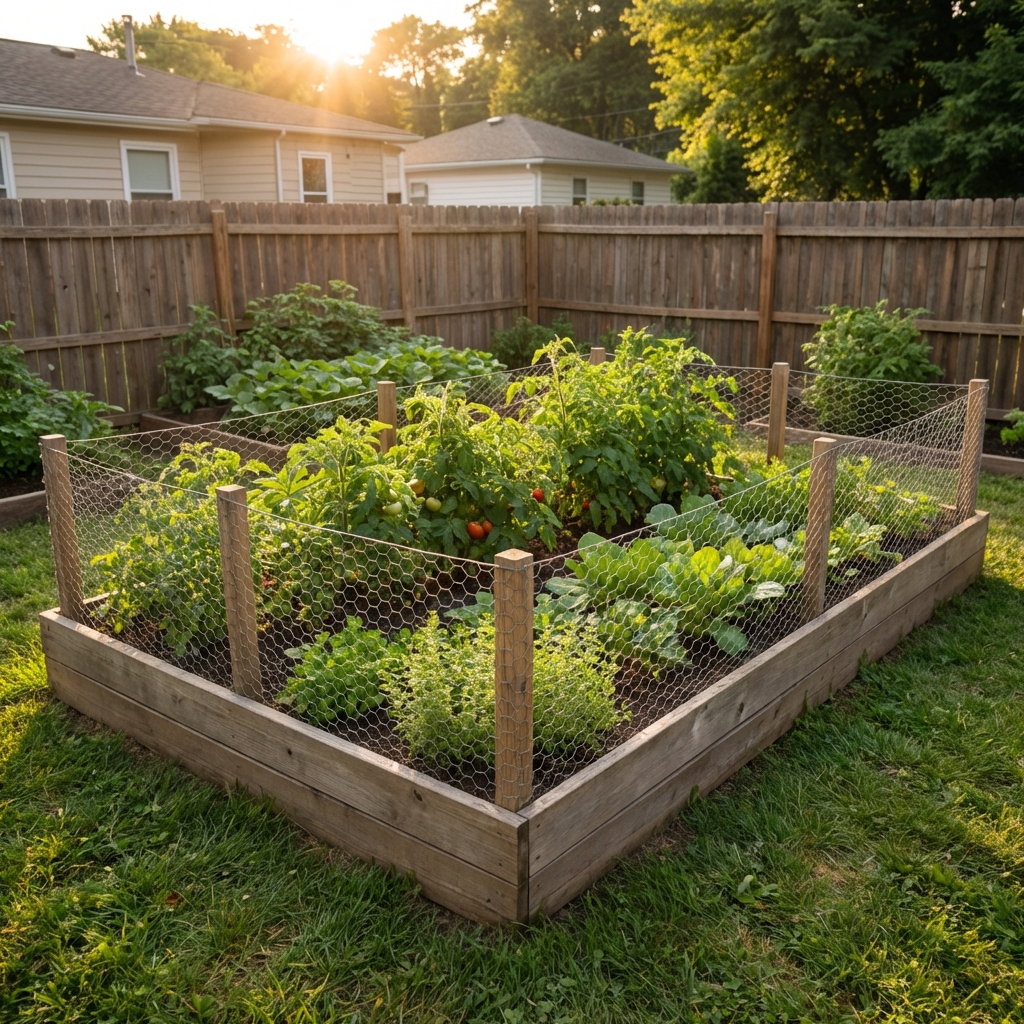
If rabbits can reach your plants, they will keep testing them. A simple barrier stops most damage immediately.
- Best material: 1/2-inch hardware cloth (galvanized welded wire mesh). It is pricier than chicken wire, but it is sturdier and blocks even small juveniles.
- If using chicken wire: choose the smallest mesh you can, keep it pulled tight, and consider adding a band of hardware cloth along the bottom where nibbling and squeeze-through attempts happen.
- Height: 24 to 30 inches is usually enough for rabbits (go taller if snow piles up in winter).
- Secure it tight to stakes so there are no gaps at the bottom.
- If you can, bend the bottom 6 inches outward like an L-shape and pin it down with landscape staples to prevent digging under.
- Make it a closed loop. Rabbits will happily go around an open-ended barrier.
If you only have 10 minutes, even a ring of wire around a single bed buys you time.
2) Cage the plants rabbits love most
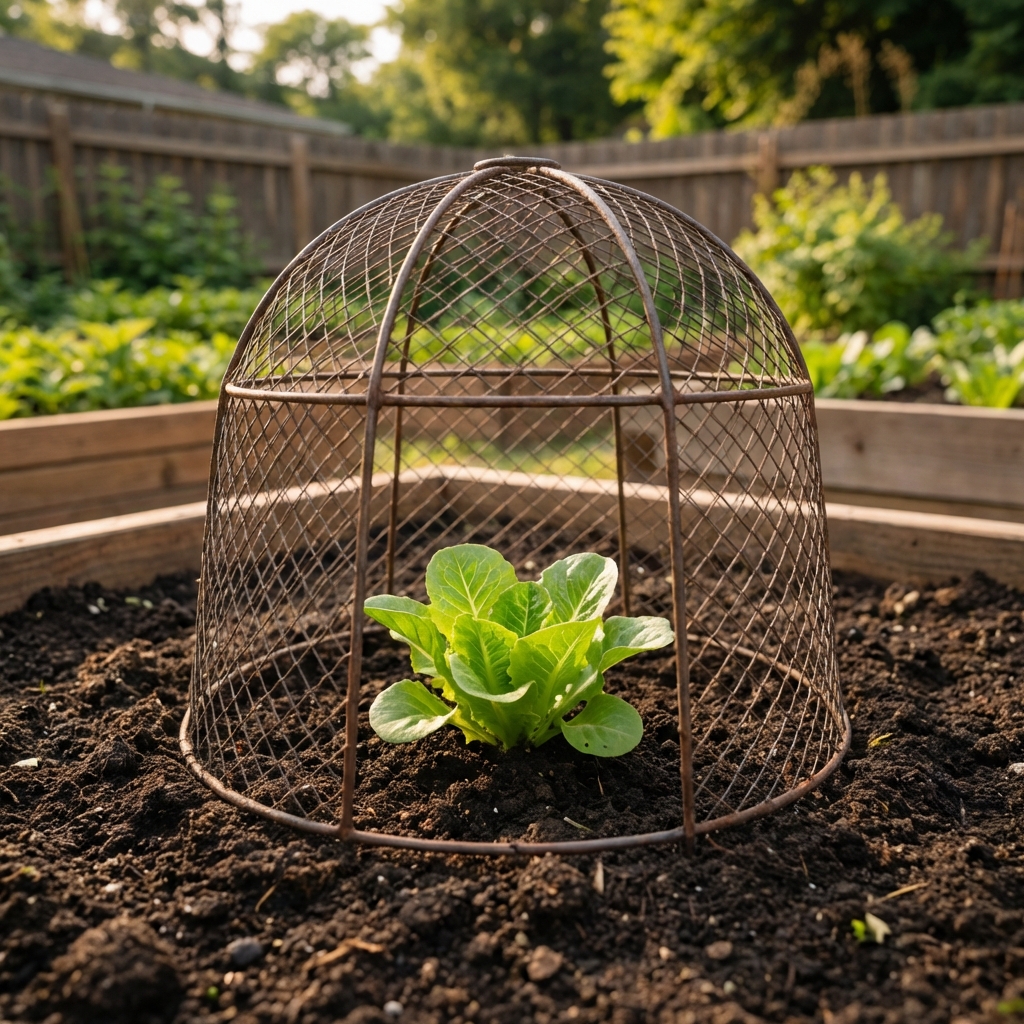
Some plants are basically rabbit candy: young beans, peas, lettuce, spinach, beets, and many flower buds. For those, go straight to a physical cage.
- Use a wire cloche, a tomato cage wrapped with wire, or a cut piece of hardware cloth formed into a cylinder.
- Leave enough room so leaves do not press against the wire, or rabbits will nibble through the openings.
- Pin the cage down with garden staples or tent stakes.
3) Try an odor repellent as a backup
Repellents can help, especially when paired with physical protection, but they are rarely a stand-alone solution in a hungry spring.
- Best bets: products with putrescent egg solids, garlic, hot pepper, or predator scent.
- Reapply after rain, heavy dew, or irrigation, and always follow label directions for edible crops.
- Rabbits can get used to a smell over time. Switching products sometimes helps, but results vary.
One realistic expectation: if rabbits are already feeding daily, repellents alone often fail. Use them to reduce pressure while you improve your barriers.
The best long-term solution: rabbit-proof fencing
If you want the problem solved for seasons, fencing is the answer. It is not glamorous, but it is the most dependable.
What to use
- Hardware cloth (1/2 inch mesh) is the most rabbit-proof and sturdy. It costs more, but it lasts and keeps out juveniles better than larger mesh.
- Chicken wire works for some gardens, but keep it tight and well-staked. If you are losing seedlings, upgrade to hardware cloth (or at least use hardware cloth on the bottom section).
Key specs that matter
- Height: 30 to 36 inches gives extra peace of mind.
- Bottom edge: bury 6 inches or do the outward L-bend and pin it down.
- Gate: this is where most “mystery rabbit” issues happen. Make sure it closes tight to the ground with no gap at the hinge side.
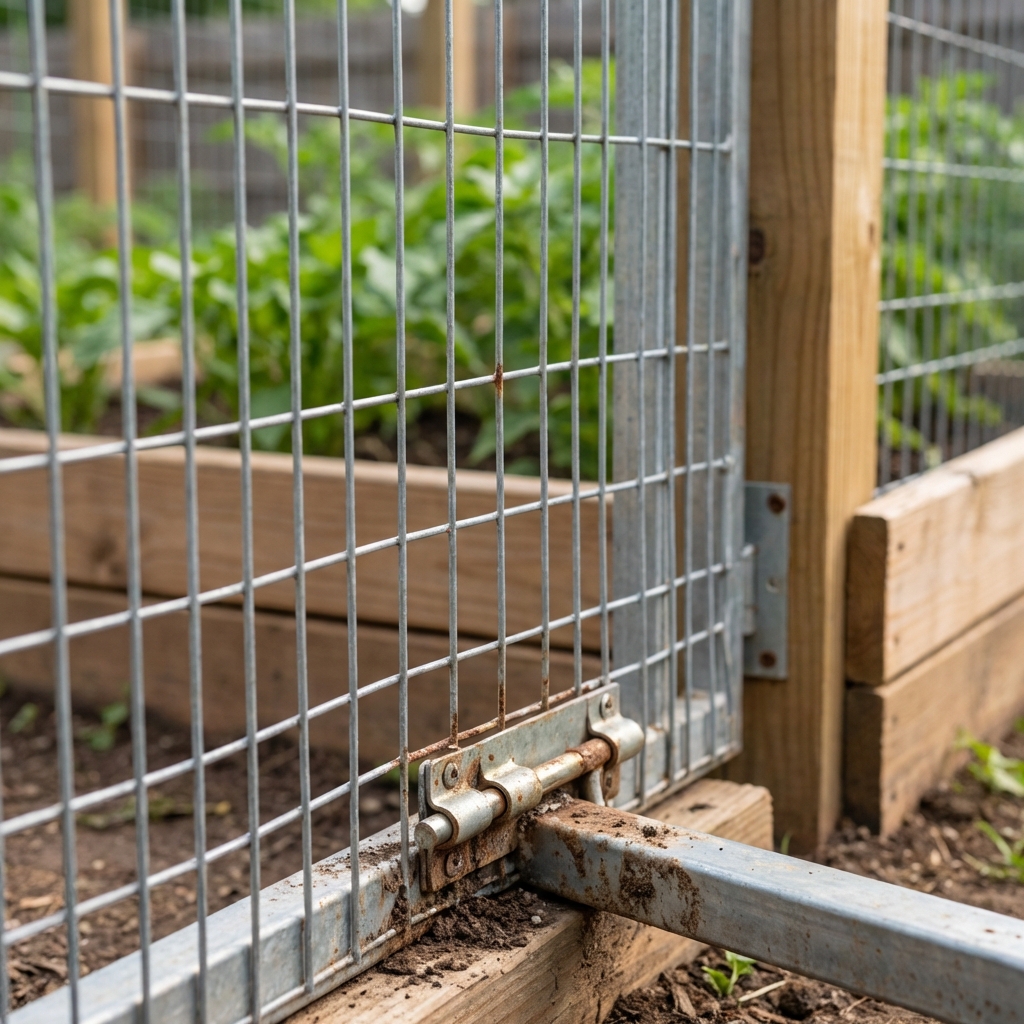
Tip from real backyards: build the fence as if water is going to wash soil away under it. That is where gaps appear over time.
Maintenance that prevents comebacks
- Walk the fence line after storms, mowing, or weeding. Look for new gaps, lifted staples, and spots where soil settled.
- Keep tall grass and weeds from pushing the mesh up or creating hidden “ramps” into the bed.
- Check the gate weekly during peak season. Most failures happen there.
Protecting containers, raised beds, and young seedlings
Raised beds
Raised beds do not automatically stop rabbits. If they can hop up, they will. The easiest fix is to add a short perimeter fence around the bed or install hoops.
- Make PVC or metal hoops and drape with insect netting or lightweight row cover.
- Clip the fabric down so rabbits cannot push under the edges.
Containers
Rabbits will browse pots near the ground, especially on patios next to shrubs. Elevate small pots on a bench or use a simple wire ring around a cluster of containers.
Seedlings and transplants
Rabbits love tender growth. If you are planting out starts, protect them for the first 2 to 3 weeks while they size up.
- Use wire cylinders for tomatoes, peppers, beans, and young flowers.
- Use row cover for greens and brassicas, sealed at the edges.
Rabbit-resistant plants (and what rabbits still eat)
No plant is 100 percent rabbit-proof, especially in drought or early spring. Even “resistant” plants can get sampled when rabbits are hungry or when plants are young and tender.
Often avoided
- Herbs: rosemary, sage, thyme, oregano, mint (keep mint contained)
- Alliums: onions, chives, garlic
- Fragrant or fuzzy plants: lavender, yarrow, lamb’s ear
- Many tough ornamentals: daffodils (toxic), salvia, coneflower (once established)
Common rabbit favorites
- Lettuce, spinach, Swiss chard
- Beans and peas
- Young carrots and beet tops
- Strawberry leaves
- Tulips and many tender flower buds
A practical strategy: plant the favorites in the most protected zone (inside a fenced bed, behind a gate that shuts tight), and use the “often avoided” plants on the edges as a buffer.
Make your yard less welcoming
Rabbits like cover and predictable food. You do not need to remove every shrub, but reducing hiding spots near your garden helps.
- Trim low branches on shrubs so rabbits do not have an easy tunnel to your beds.
- Keep tall weeds and thick groundcovers under control near the garden edge.
- Do not leave piles of brush or boards right next to the garden. That becomes a daybed.
- Pick up fallen fruit and overripe produce. It is more general garden hygiene than a magic rabbit fix, but it keeps the area from turning into a reliable feeding zone.

Winter tip: protect young trees and shrubs
In winter (especially with snow cover), rabbits may chew bark and girdle young trees and shrubs. If that happens, the plant can die even if your summer garden is protected.
- Wrap trunks with a cylinder of 1/4-inch to 1/2-inch hardware cloth.
- Keep the wrap a little away from the bark and tall enough to sit above expected snow level.
- Remove or loosen wraps as the trunk expands.
What not to do
- Do not rely on mothballs. They are not labeled for outdoor wildlife control in gardens and can be harmful.
- Do not use poison. It is unsafe, often illegal for this use, and risks pets and beneficial wildlife.
- Do not assume a dog or cat will solve it. Sometimes it helps, often rabbits still feed when the yard is quiet.
- Do not leave gaps. A 2 inch gap at the gate is basically an invitation.
Quick plan: stop rabbit damage in 48 hours
- Tonight: Put wire cages over your most damaged plants or set up a temporary ring fence (fully enclosed).
- Tomorrow: Close gaps, stake the bottom edge tight, and protect seedlings with row cover.
- This week: Add a real perimeter fence around your main bed, ideally using 1/2-inch hardware cloth.
- Ongoing: Use a repellent as backup and reapply after rain. Inspect the fence line after storms and yard work.
If you do those four things, most gardens go from daily damage to almost none. The biggest shift is simply making your garden harder to access than the neighbor’s clover patch.
FAQ
Will coffee grounds keep rabbits away?
Sometimes they help a little because of the smell, but results are inconsistent and short-lived, especially after rain. Use them as a minor add-on, not your main defense.
Do motion-activated sprinklers work?
They can work well for a while, especially for night feeding, but placement matters and rabbits can learn patterns. They are best used with fencing.
How high should a rabbit fence be?
For most home gardens, 30 inches is enough. If you have deep snow in winter or very athletic rabbits, go closer to 36 inches and secure the bottom carefully.
What is the most reliable method?
A properly installed wire fence with a tight gate, plus temporary cages for seedlings, is the most reliable long-term setup.
Should I trap and relocate rabbits?
Rules vary a lot by location, and relocation is restricted or illegal in many areas. If you are considering trapping, check local regulations first. In most home gardens, humane exclusion (fencing and plant protection) is the simplest long-term answer.

Jose Brito
I’m Jose Britto, the writer behind The Country Store Farm Website. I share practical, down-to-earth gardening advice for home growers—whether you’re starting your first raised bed, troubleshooting pests, improving soil, or figuring out what to plant next. My focus is simple: clear tips you can actually use, realistic expectations, and methods that work in real backyards (not just in perfect conditions). If you like straightforward guidance and learning as you go, you’re in the right place.