Rabbits can wipe out a garden fast, especially in spring when everything is tender and new. The good news is you don't need fancy gadgets or a perfect yard to get control. You need a plan that matches how rabbits behave: they go for the easiest meal, usually close to cover, and they come back if it keeps working.
This guide walks you through reliable options, starting with the ones that hold up best over time. Pick one strong method (usually fencing) and then add a second layer where you need it (like row covers on seedlings). That's how you stay ahead.
Know what you're dealing with
Before you spend money, confirm it's rabbits. A few quick clues:
- Clean, angled cuts on stems and seedlings, like someone used pruners. Deer usually tear plants.
- Damage low to the ground, often under 18 inches. Deer browse higher.
- Small, round droppings scattered near beds.
- Chewed seedlings right after they pop up, especially peas, beans, lettuce, and young brassicas.
Rabbits also like to feed near hiding spots. If your beds are right next to shrubs, tall weeds, wood piles, or a low deck, you're basically running a salad bar with a safe exit route.
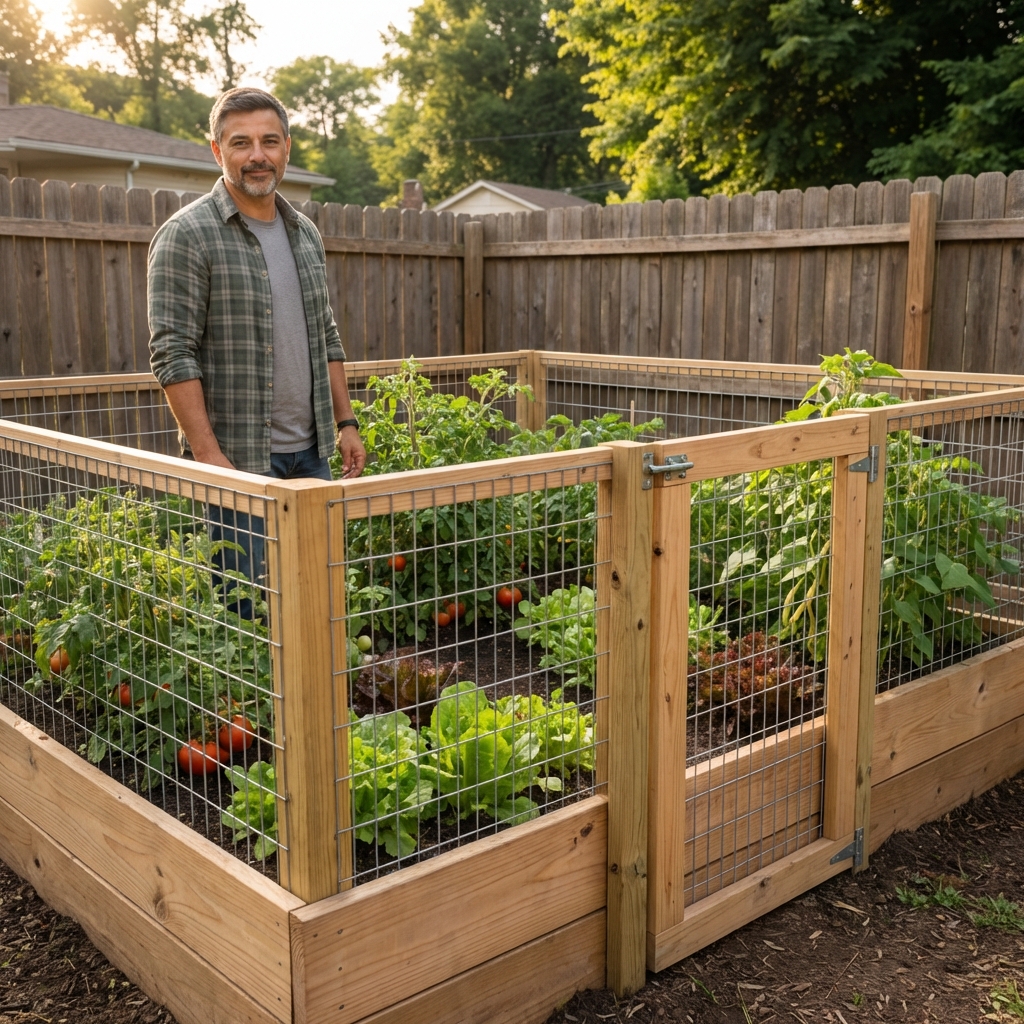
The most reliable fix: rabbit-proof fencing
If you want the highest success rate, fencing is it. Repellents can help, but fences stop the problem even when you forget to reapply something.
What kind of fence works
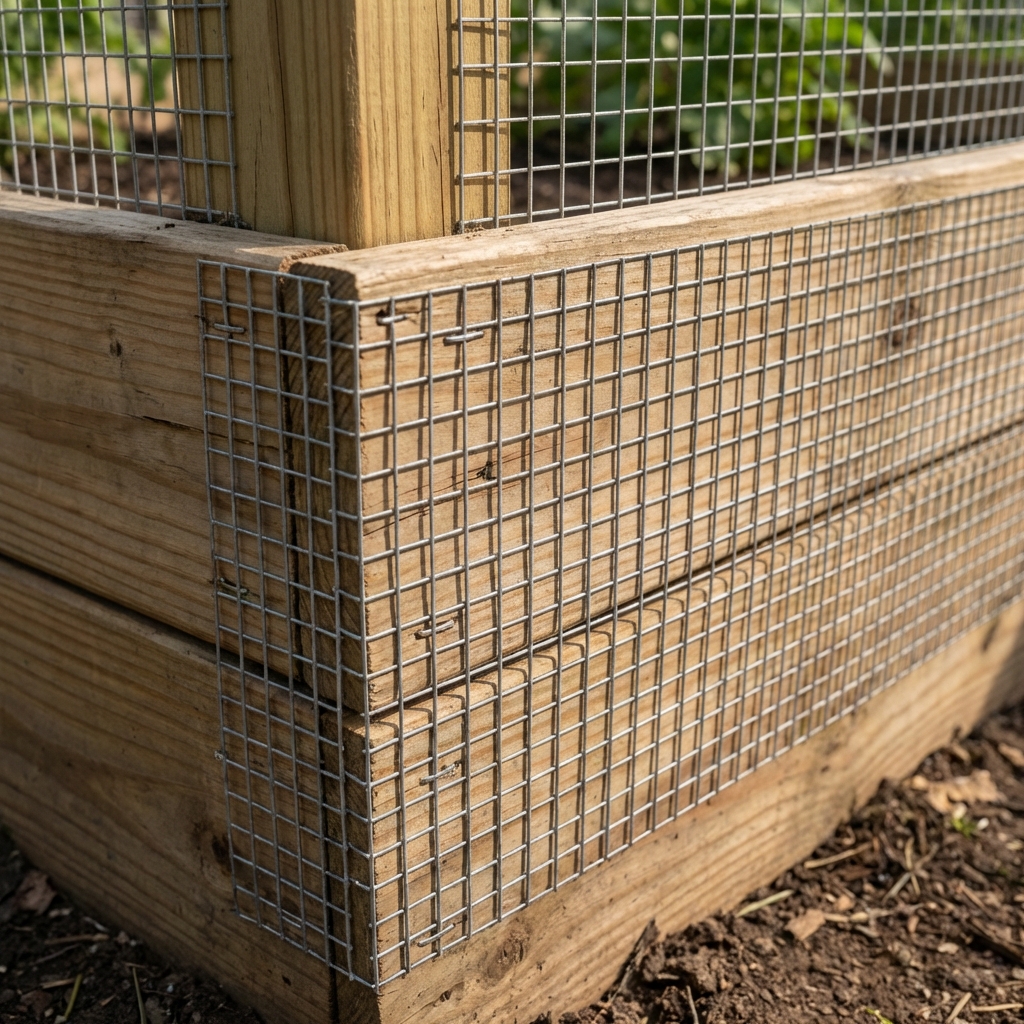
- Material: Hardware cloth is the gold standard because it's rigid and hard to chew through. For truly rabbit-proof results, go with 1/2 inch hardware cloth (especially for the bottom section and around gates). 1 inch mesh can work for adult rabbits, but juveniles can squeeze through it.
- Chicken wire: It can work in a pinch if the openings are small, but lightweight chicken wire can be bent, pushed in, or even chewed through. If you use it, treat it as a short-term fix and plan to upgrade.
- Height: At least 2 feet can work on flat ground with no snow, but 30 to 36 inches is more reliable in real yards (uneven soil, snow drifts, and persistent rabbits). If you also have dogs or kids leaning on it, taller and sturdier is better.
- Bottom edge: Plan the bottom edge first. This is where most fences fail. Rabbits slip under, or they dig a little and squeeze.
How to stop rabbits from going under
Choose one of these methods:
- Bury and apron it: Bury the bottom 6 inches (up to 12 inches in loose soil or heavy pressure) and bend it outward into an L-shape. That outward “apron” is what stops digging.
- Pin it down: Staple or pin it tight with landscape staples every 12 to 18 inches, then weigh edges with rocks, boards, or a strip of lumber.
- Attach to a raised bed frame: Fasten the mesh tight to the wood with no gaps.
Don't forget the gate
Most rabbit “fence failures” are really gate gaps. Make sure the gate closes flush to the ground and the latch pulls it tight. If you can see daylight under it, a rabbit can probably use it. If you want one spot to overbuild, it's the gate.
Quick maintenance tip: Once a week (and after storms), do a fast walk-around. Look for lifted edges, loosened staples, or plants pushing the fence up from underneath.
Protect seedlings fast with row covers and cloches
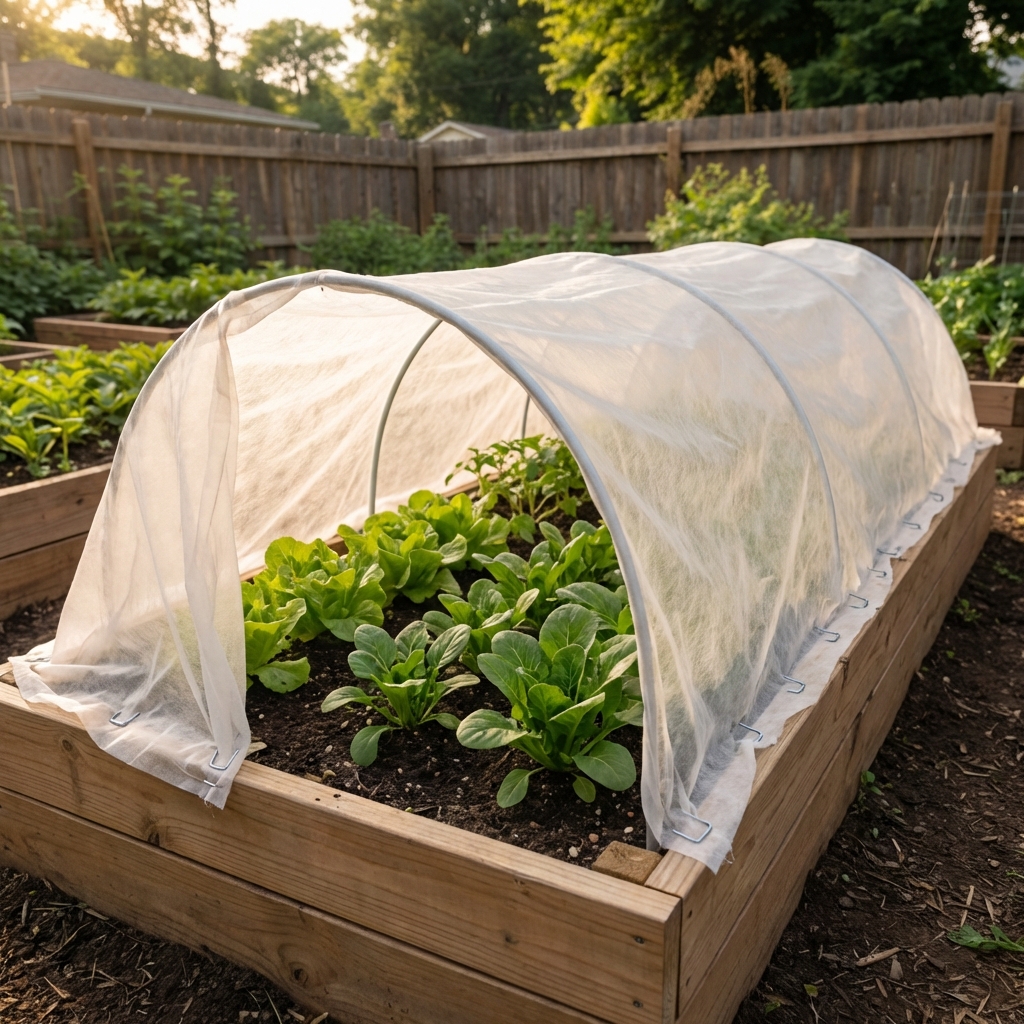
If fencing feels like a big project, or you need protection right now, cover the plants. This is also the best approach for new seedlings, which are rabbit candy.
Simple options that work
- Floating row cover (spunbond garden fabric) over hoops, with edges pinned down. Great for greens, carrots, beets, and young brassicas. Support it with hoops so it doesn't tear or get pressed into plants.
- Insect netting over hoops can also work as a physical barrier and holds up well in wind, but you still need to secure the edges.
- Wire cloches made from hardware cloth cylinders. Perfect for a few prized plants.
- Bottomless containers like large nursery pots with the base cut out, pushed into soil around a transplant, then covered with mesh at the top.
Two key tips: secure the edges so rabbits can't nose under, and leave enough slack so plants can grow without pressing the cover up.
Repellents: helpful, but not the only line of defense
Repellents can reduce damage, especially when pressure is light. When rabbits are hungry, or your garden is the best food around, repellents alone usually aren't enough.
What tends to work best
- Odor-based repellents (often egg solids, garlic, or predator scents). These can be effective but must be reapplied.
- Taste-based sprays on ornamentals can help. Use caution on leafy greens or anything you harvest soon, and always follow label directions.
How to use repellents without wasting time
- Reapply after rain or irrigation, and on a schedule.
- Spray new growth, not just old leaves.
- Switching products may help in some yards, especially if rabbits seem to ignore one smell over time.
- Pair with a barrier for your most vulnerable crops.
Avoid home remedies that can harm plants or soil, like heavy vinegar sprays, hot pepper dumped into beds, or strong soaps on foliage. If you try a DIY spray, test it on one plant first and wait 24 to 48 hours.
Make your yard less rabbit-friendly
You don't need to turn your yard into a blank slate, but small changes can reduce how comfortable rabbits feel.
Trim and tidy the rabbit highways
- Keep grass and weeds short around beds.
- Clear thick groundcover near the garden edge.
- Move brush piles and stacked boards away from the garden if possible.
- Block access under sheds, decks, and porches with sturdy lattice or hardware cloth.
Give rabbits fewer safe hiding spots
Rabbits like to feed within a quick dash of cover. Even creating a 6 to 10 foot open zone around beds can help, especially when combined with fencing or covers.
Local note: In areas with deep snow or where rabbits routinely travel along drifts, you'll want the more reliable 30 to 36 inch fence height (or higher) so winter conditions don't turn your fence into a short hop.
What rabbits love to eat (and what they usually leave alone)
No plant is rabbit-proof when food is scarce, but you can reduce temptation by planting your favorites inside protection and using less appealing plants on the edges.
Often targeted
- Beans and peas
- Lettuce and spinach
- Young carrots (tops)
- Beets and Swiss chard
- Brassicas when small (broccoli, cabbage, kale)
- Newly planted flowers and tender perennials
Often less appealing
- Many herbs (rosemary, sage, thyme, oregano)
- Alliums (onions, garlic, chives)
- Strong-scented ornamentals in some yards (lavender, marigolds)
Use the “less appealing” plants as part of your overall layout, not as a force field. A hungry rabbit will still sample plenty of herbs and flowers.
Raised beds and containers: easy wins
If you're just getting started, raised beds and containers can be easier to protect than in-ground rows.
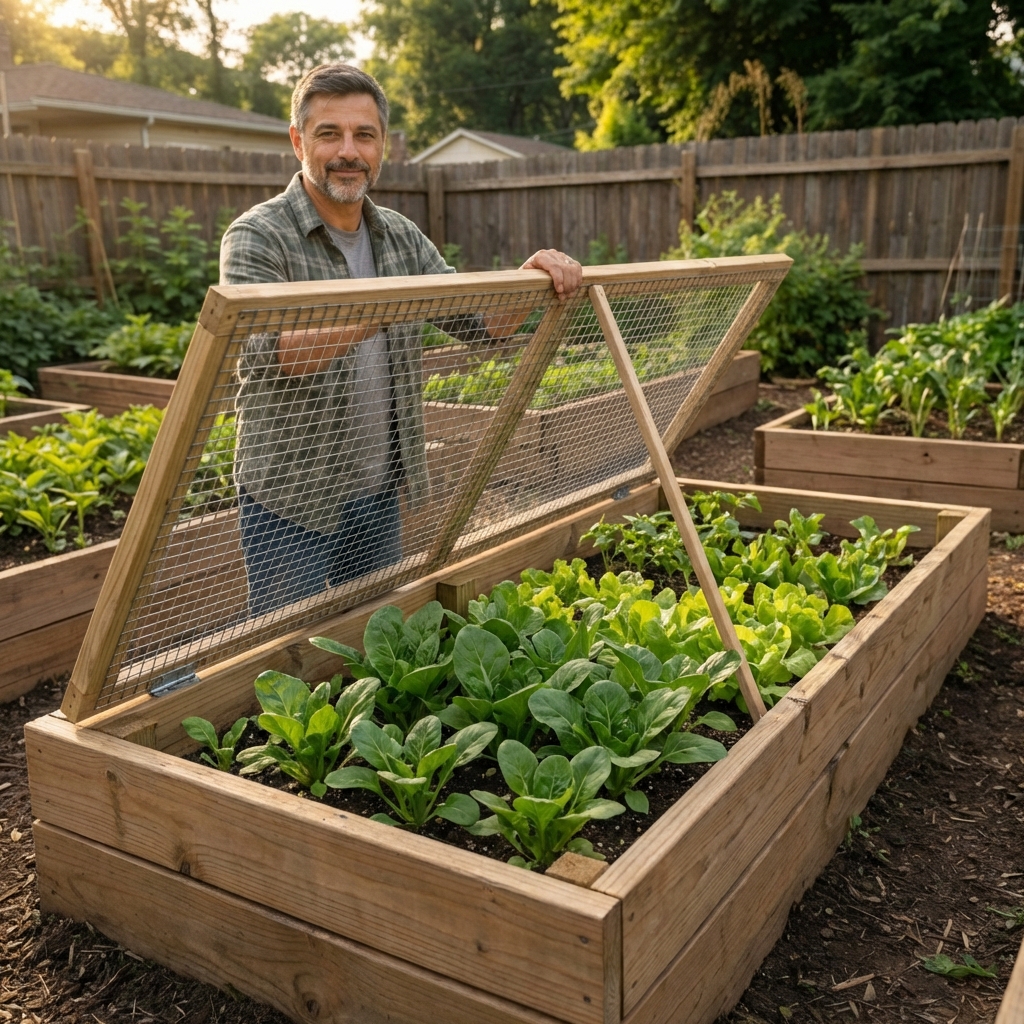
- Raised beds: Add a simple mesh fence around the outside, or build a lightweight frame lid covered in hardware cloth.
- Containers: Put pots on a patio or porch where rabbits feel exposed. You can also wrap a group of pots with a short ring of mesh.
Step-by-step plan if you're overwhelmed
If you want a simple order of operations, do this:
Today
- Cover seedlings and new transplants with row cover, netting, or wire cloches.
- Walk the bed edges and close any obvious gaps.
This weekend
- Install a 30 to 36 inch fence using 1/2 inch hardware cloth (or use it at least on the bottom and around the gate).
- Secure the bottom so rabbits can't slip under.
- Fix the gate so it closes tight.
Over the next two weeks
- Tidy hiding spots near beds.
- Add targeted repellents on the outside of the fence or on ornamentals that keep getting sampled.
- Decide which crops always get protected in your yard (for many of us: beans, peas, lettuce).
Ongoing
- Do a quick weekly perimeter check and tighten anything that loosened up.
- Trim vegetation along the fence so it doesn't lift the mesh or create sneaky gaps.
Common mistakes that keep rabbits coming back
- Using a fence with openings that are too large. Young rabbits fit through surprisingly small gaps.
- Leaving a gap under the fence or gate. This is the number one issue.
- Relying on one repellent. It can work briefly, then fail after rain or when rabbits stop caring.
- Protecting only the “good” plants. Rabbits will switch to the next option and stay in the area.
- Ignoring nearby cover. If rabbits can feed and hide in two steps, they'll keep trying.
FAQ
Will coffee grounds keep rabbits away?
Sometimes they discourage a few nibbles, but they're not reliable protection. If you use coffee grounds in the garden, use thin layers and consider composting first. Too much can mat down, crust over, or interfere with seedlings.
Do motion sprinklers work?
They can, especially for light pressure, but they need consistent setup and can be triggered by wind or pets. Think of them as a helper, not a replacement for a fence.
Can rabbits climb?
They're not great climbers like squirrels, but they can hop up onto low surfaces and squeeze through gaps. A short fence works if it's tight at the bottom, but 30 to 36 inches is more dependable.
Is it safe to use mothballs in the garden?
No. Mothballs are pesticides and shouldn't be used outdoors in beds or around edible plants.
What about trapping or relocating rabbits?
Rules vary a lot by location, and relocating wildlife is illegal in some areas. If you're considering trapping or any kind of lethal control, check local regulations first and keep safety front and center.
Bottom line
If you want the most dependable solution, build a simple rabbit fence with small, rigid mesh (ideally 1/2 inch hardware cloth), a secure bottom edge, and a tight gate. Then use row covers or cloches for seedlings and any crop that gets hit hard in your yard. Once rabbits learn your garden isn't the easy meal, they usually move on.

Jose Brito
I’m Jose Britto, the writer behind The Country Store Farm Website. I share practical, down-to-earth gardening advice for home growers—whether you’re starting your first raised bed, troubleshooting pests, improving soil, or figuring out what to plant next. My focus is simple: clear tips you can actually use, realistic expectations, and methods that work in real backyards (not just in perfect conditions). If you like straightforward guidance and learning as you go, you’re in the right place.