Rats do not show up because your home is “dirty.” They show up because your house offers three things every rat is looking for: easy entry, steady food and water, and safe hiding spots. In many cases, you can take those away in a weekend. Bigger, established infestations or hard-to-access homes may take longer, but the same steps still work.
Below is the same order I use when helping friends troubleshoot rodent issues: confirm what you are dealing with, find how they are getting in, seal it correctly, then clean up what is attracting them. Traps handle what is inside. Exclusion keeps new ones out.
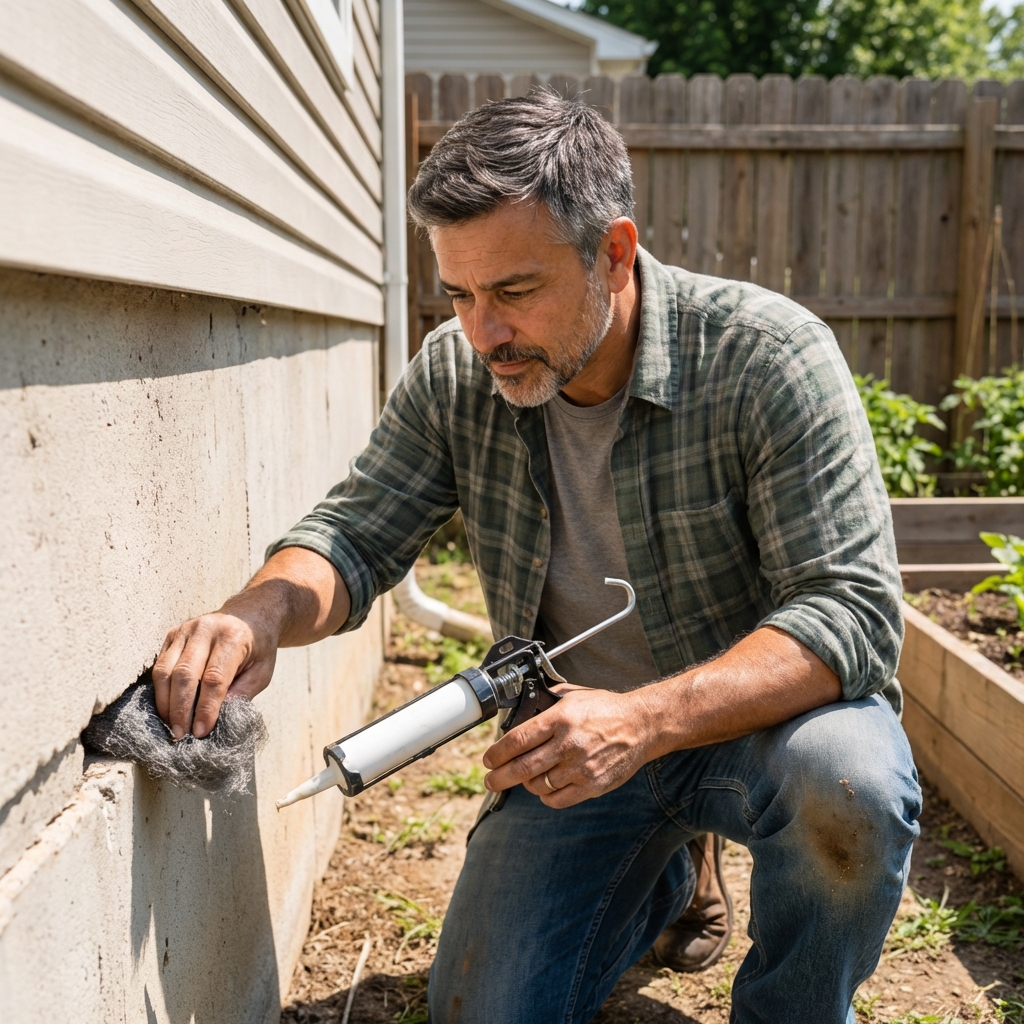
First, make sure it is rats (not mice)
This matters because rats are stronger, more cautious, and can squeeze through different-sized gaps than mice.
- Droppings: Rat droppings are larger and more capsule-shaped. Mouse droppings are smaller and pointed.
- Sounds: Rats tend to be heavier and louder in walls or ceilings, often at night.
- Gnaw marks: Rats leave bigger gnawing damage on wood, plastic, and some softer metals (for example, thin aluminum).
- Tracks and rub marks: Look for dark, greasy smudges along baseboards or entry routes where fur oils rub off.
Quick size rule: A mouse can fit through a hole about 1/4 inch (about the size of a dime). A rat can fit through about 1/2 inch (about the size of a quarter).
If you have a lot of droppings, daytime activity, or pets acting obsessed with one wall or corner, treat it as an active infestation and move quickly.
Stop rats at the door: find entry points
Most long-term rat problems are really “open door” problems. Your job is to do a slow walk around the outside of your home and look for any spot a rat can exploit. A bright flashlight helps even in daylight.
Helpful clue: Norway rats usually stick low and burrow near foundations. Roof rats are climbers and often show up in attics, rooflines, and trees touching the house. You can have either depending on region, and sometimes both.
Where to look outside
- Foundation gaps: Cracks, missing mortar, or gaps where siding meets concrete.
- Utility penetrations: Pipes, AC lines, cable, and conduit entering the house.
- Garage: Gaps at the bottom corners of garage doors and side door thresholds.
- Vents: Dryer vents, crawlspace vents, roof vents, and soffit openings.
- Roofline access: Tree limbs, fences, trellises, and vines that give rats a “ladder” to your roof and eaves.
- Decks and porches: Rats love to run under them and then find a way into walls.
Where to look inside
- Behind appliances: Stove, fridge, dishwasher, washer and dryer.
- Under sinks: Plumbing holes are common highways into cabinets and walls.
- Attic and basement: Look near eaves, corners, and around ductwork.
- Sewer and drain routes (where relevant): In some areas, rats travel through damaged sewer lines and can enter through plumbing pathways. If you have recurring issues plus drain problems, a plumbing inspection can be worth it.
Tip: If you suspect a hole but cannot confirm traffic, lightly dust flour or baby powder near it at night. In the morning, check for tracks and tail drags.
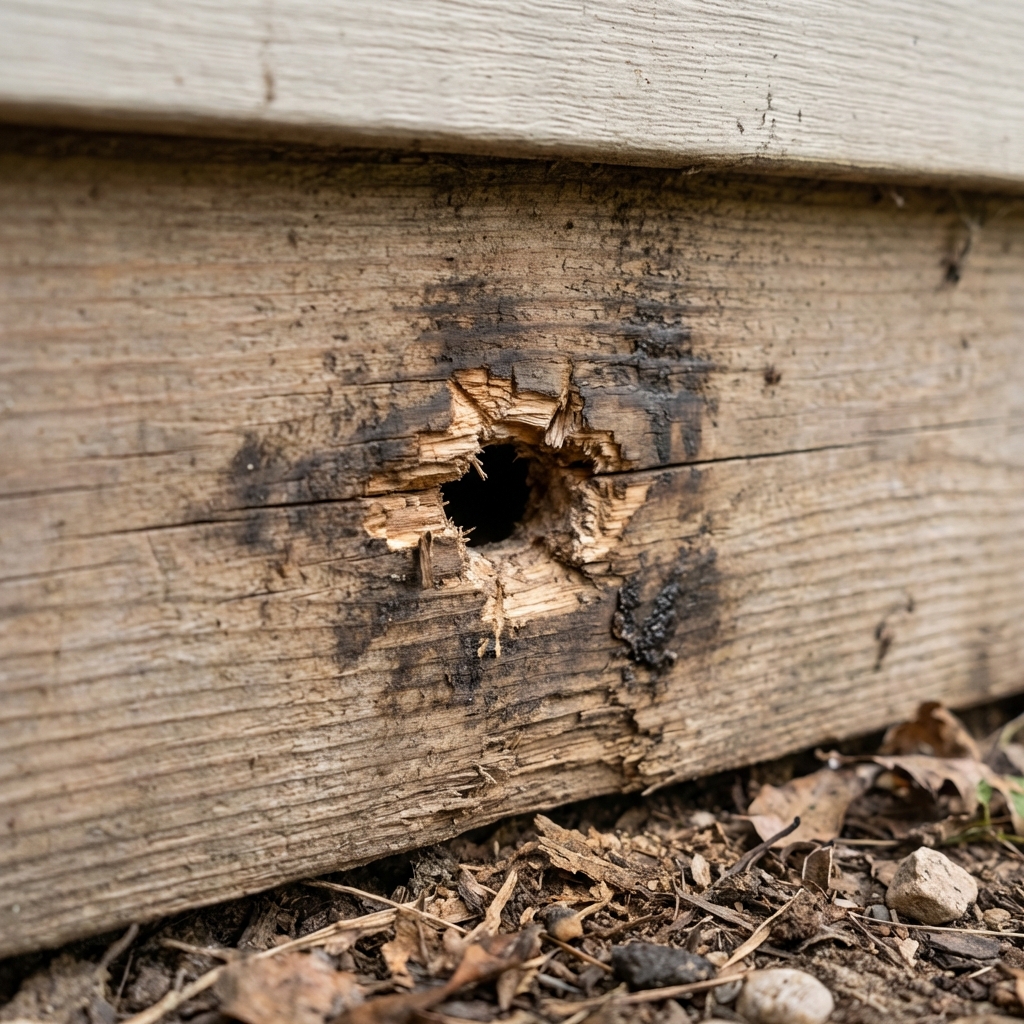
Seal it right: materials that actually hold up
Rats can chew through foam, soft wood, plastic, and weak patch jobs. The goal is to combine a chew-resistant barrier with a durable seal.
What to use
- Steel wool (coarse) plus sealant: Pack steel wool tightly into small gaps, then seal over it with exterior-grade caulk. Steel wool is best in dry areas since it can rust over time.
- Copper mesh or stainless steel wool: Similar idea, but more durable in damp spots. Great for crawlspaces and exterior gaps that stay wet.
- Hardware cloth: Use 1/4-inch galvanized hardware cloth for vents and larger openings. Choose a heavier gauge if possible so it holds up to chewing and weather.
- Sheet metal flashing: Ideal for big chew zones like door corners or damaged wood.
- Mortar or hydraulic cement: Best for foundation cracks and masonry gaps.
- Door sweeps and thresholds: A tight-fitting sweep is one of the highest return fixes you can make.
What to avoid
- Expanding spray foam alone: It is easy to chew through. Use it only with a metal barrier behind it.
- Plastic vent covers: Swap to metal.
- “Quick patch” tape fixes: They fail fast outdoors.
Important timing note: You do not want to seal rats into walls. At the same time, you do want to stop new rats from moving in.
- Do seal the exterior envelope promptly: Close obvious exterior entry holes, repair vents, and add door sweeps so you are not getting a constant influx.
- Do not block access to active interior zones until trapping is underway: If rats are active in an attic, crawlspace, or garage, keep your access points usable so you can trap and remove them. Once activity drops, finish sealing remaining gaps and any “secondary” openings you left for monitoring.
Remove the buffet: food, water, and shelter
Exclusion works best when the yard and kitchen are not offering easy meals. Rats are opportunists. If the food source disappears, they are much more likely to leave and far less likely to return.
Inside the house
- Store food in hard containers: Use glass or thick plastic bins with tight lids for cereal, pet food, bird seed, and pantry staples.
- Clean under appliances: Grease and crumbs behind the stove are rodent gold.
- Nightly kitchen reset: Do not leave dirty dishes, open food, or standing water out overnight. If you have an active issue, pick up pet bowls at night.
- Fix leaks: Dripping pipes and sweating condensate lines provide steady water.
Outside and around the yard
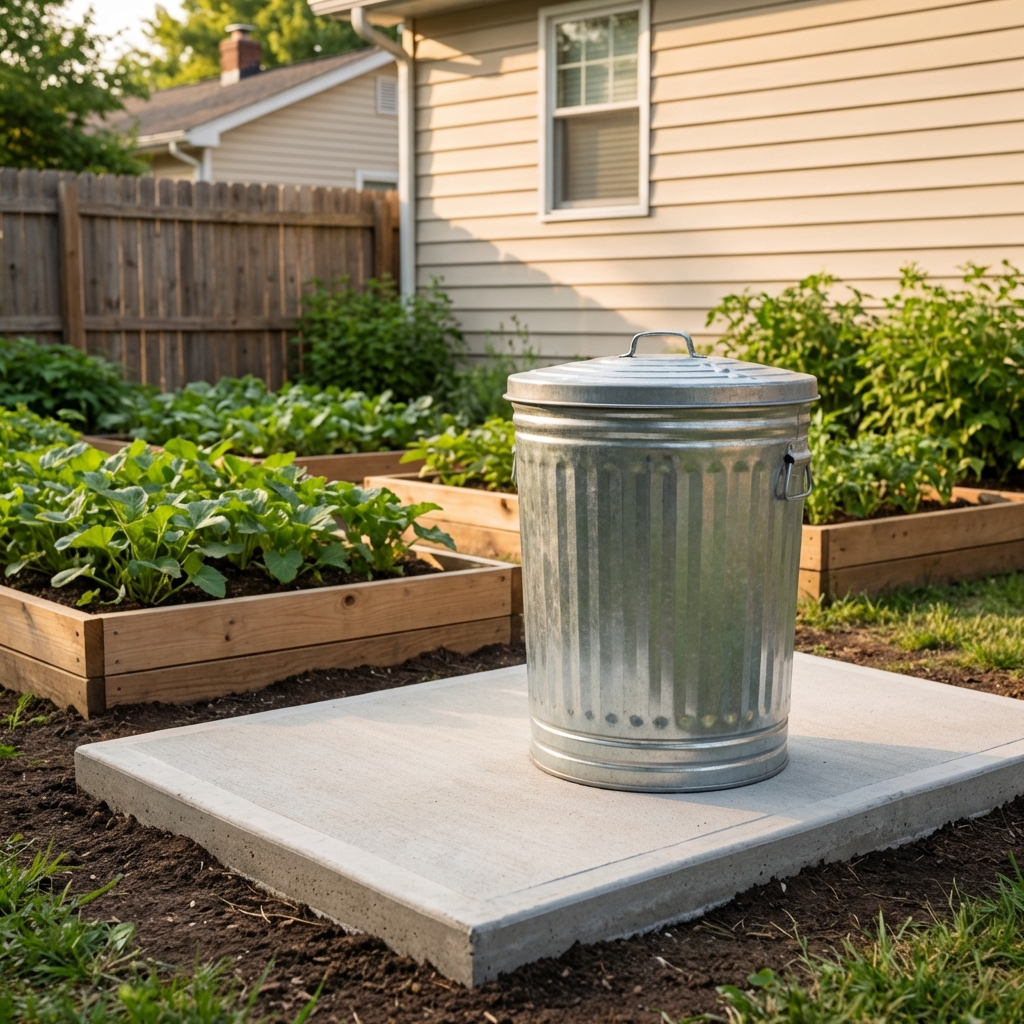
- Secure trash: Use lidded cans and keep them clean. If raccoons can open it, rats can benefit too.
- Pick up fallen fruit: Citrus, apples, and stone fruit under trees attract rodents fast.
- Feed pets wisely: Bring pet food indoors, and clean up spilled kibble.
- Bird feeders: Use seed catchers, feed less, or pause feeding while you address rats.
- Compost management: Avoid meat, grease, and dairy. Use a rodent-resistant bin with a secure lid and bottom.
- Trim vegetation: Keep shrubs off the house, trim tree limbs away from the roof, and reduce cover near foundations.
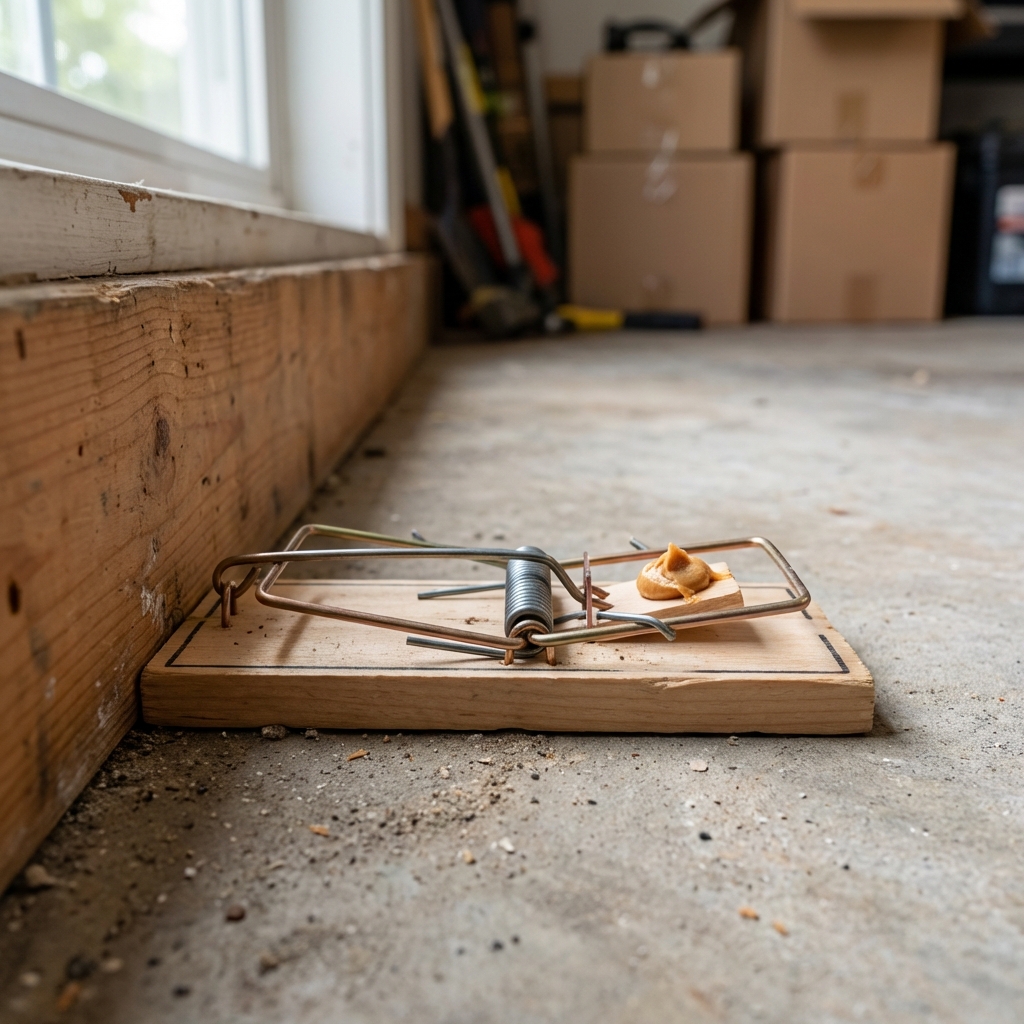
Trapping: the most reliable way to remove rats already inside
If rats are currently in your home, traps are usually the fastest, most controllable solution. Poison can create serious problems like rats dying in walls, secondary poisoning of pets or wildlife, and in some cases bait avoidance. If rodenticides are used, they must be used according to the label and local regulations, and ideally as part of a bigger exclusion plan.
Best trap types
- Snap traps (rat-sized): Highly effective when placed correctly.
- Enclosed bait stations with snap traps: Adds safety if you have kids or pets.
- Live traps: Work, but relocating rats can be illegal in some areas and often does not end well for the animal. It also does not solve the entry problem.
Placement that actually works
- Along walls: Rats travel edges. Place traps perpendicular to the wall with the trigger end close to the wall.
- Near evidence: Droppings, rub marks, gnawing, or sounds indicate traffic.
- Use multiple traps: One trap is rarely enough. For active areas, set several traps spaced a few feet apart.
- Optional but effective for cautious rats: Pre-bait for 1 to 2 nights by placing baited traps unset so rats get comfortable, then set them.
Baits rats go for
- Peanut butter (a classic, but use a small amount)
- Chocolate spread
- Nuts, dried fruit, or a small piece of bacon tied on
Safety note: Wear gloves when handling traps and cleanup. Keep traps away from children, pets, and non-target wildlife. Dispose of rats in a sealed bag, follow local disposal rules if applicable, wash hands, and sanitize the area.
Sanitation and cleanup: do this safely
Rat droppings and urine can carry pathogens. The safest cleanup is slow and damp, not dusty.
Quick safe cleanup steps
- Ventilate: Open windows or doors for 30 minutes if possible.
- Wear protection: Gloves at minimum. For heavy droppings, attics, or crawlspaces, add an N95 or better respirator and eye protection.
- Do not sweep or vacuum dry droppings: That can put particles into the air.
- Spray to wet: Use a disinfectant or a bleach solution (follow label directions) to thoroughly wet droppings and nesting material. Never mix bleach with ammonia or other cleaners.
- Pick up with paper towels: Bag everything and seal it.
- Disinfect again: Wipe surfaces, then wash hands and change gloves.
If you find heavy nesting in insulation, HVAC ducts, or a large amount of droppings in an attic or crawlspace, it can be worth bringing in a professional for safe removal and odor control. If you want a benchmark, use CDC-style guidance: ventilate, wet disinfect, and avoid creating dust.
Keep rats from coming back: a simple maintenance checklist
Rats are persistent, especially in fall and winter when they look for warmth. This checklist keeps your “rat pressure” low year-round.
- Monthly: Walk the perimeter and check door sweeps, vents, and any past problem spots.
- Seasonally: Trim shrubs and groundcover away from the house, trim tree limbs away from the roof, and reduce clutter near the foundation.
- After storms: Check for new gaps, broken vent covers, or shifted siding.
- Ongoing: Keep bird seed and pet food sealed, and keep trash secure.
- Confirm success: You are usually in the clear when you see no new droppings, tracks, or fresh gnawing for 1 to 2 weeks.
When to call a pro
You can handle many rat problems yourself, but professional help is smart when the risk or complexity jumps.
- You see rats in daytime repeatedly or in multiple rooms
- You cannot locate the entry points after a thorough inspection
- You suspect rats in HVAC, walls, or attic with widespread droppings
- You have young children, immune-compromised household members, or safety concerns
- Trapping for 7 to 10 days shows no reduction in activity
Look for a company that emphasizes exclusion and sanitation, not just baiting. Sealing and habitat changes are what prevent repeat visits.
Fast action plan (do this in order)
- Tonight: Set multiple rat-sized snap traps along walls where you see droppings or hear activity. If rats seem cautious, pre-bait with traps unset for 1 to 2 nights.
- Tomorrow: Do a full exterior walk and mark gaps, vents, roofline access points, and door issues.
- This weekend: Seal obvious exterior entry points (steel wool in dry areas, copper mesh or stainless in damp areas) plus caulk, cover vents with 1/4-inch hardware cloth, and install door sweeps.
- Same day: Lock down food storage, remove outdoor attractants, and clean safely.
- Next 2 weeks: Keep trapping until activity stops, then finish sealing any remaining openings and re-check for new gaps.
If you do those five steps, you are not just “chasing rats.” You are removing the reason they picked your home in the first place.

Jose Brito
I’m Jose Britto, the writer behind The Country Store Farm Website. I share practical, down-to-earth gardening advice for home growers—whether you’re starting your first raised bed, troubleshooting pests, improving soil, or figuring out what to plant next. My focus is simple: clear tips you can actually use, realistic expectations, and methods that work in real backyards (not just in perfect conditions). If you like straightforward guidance and learning as you go, you’re in the right place.