Let’s start with the most important gardening truth about snakes: most of the time, they are not “coming for you” or your pets. They are following food (usually rodents, frogs, insects, or other small prey) and looking for cool, protected places to hide. If you take away cover and easy meals, you make your yard a whole lot less appealing.
This page focuses on easy, realistic steps that work in typical neighborhoods and backyards. No gimmicks, no scare tactics, just solid prevention.
Quick note: Snake species, activity seasons, and legal protections vary by region. If you want hyper-local guidance, check your state wildlife agency or cooperative extension resources.

Why snakes come near houses
Snakes are most likely to hang around your home when one or more of these conditions are present:
- Rodents are active (mice, rats, chipmunks, voles)
- There is dense cover (tall weeds, brush piles, boards, clutter)
- Water and shade are close together (leaky spigots, damp crawlspaces, thick groundcover)
- Easy entry points exist (gaps under doors, torn vents, cracks in the foundation)
Remove those “snake-friendly” features and you will often reduce sightings, sometimes quickly and sometimes over time depending on the season and what habitat sits next to your yard.
Step 1: Remove the hiding spots snakes love
Most snakes avoid being seen. If your yard has lots of safe hiding places, you’re basically offering them a comfortable waiting room.
Do these quick yard fixes
- Cut tall grass and weeds, especially along fences, sheds, and the house foundation.
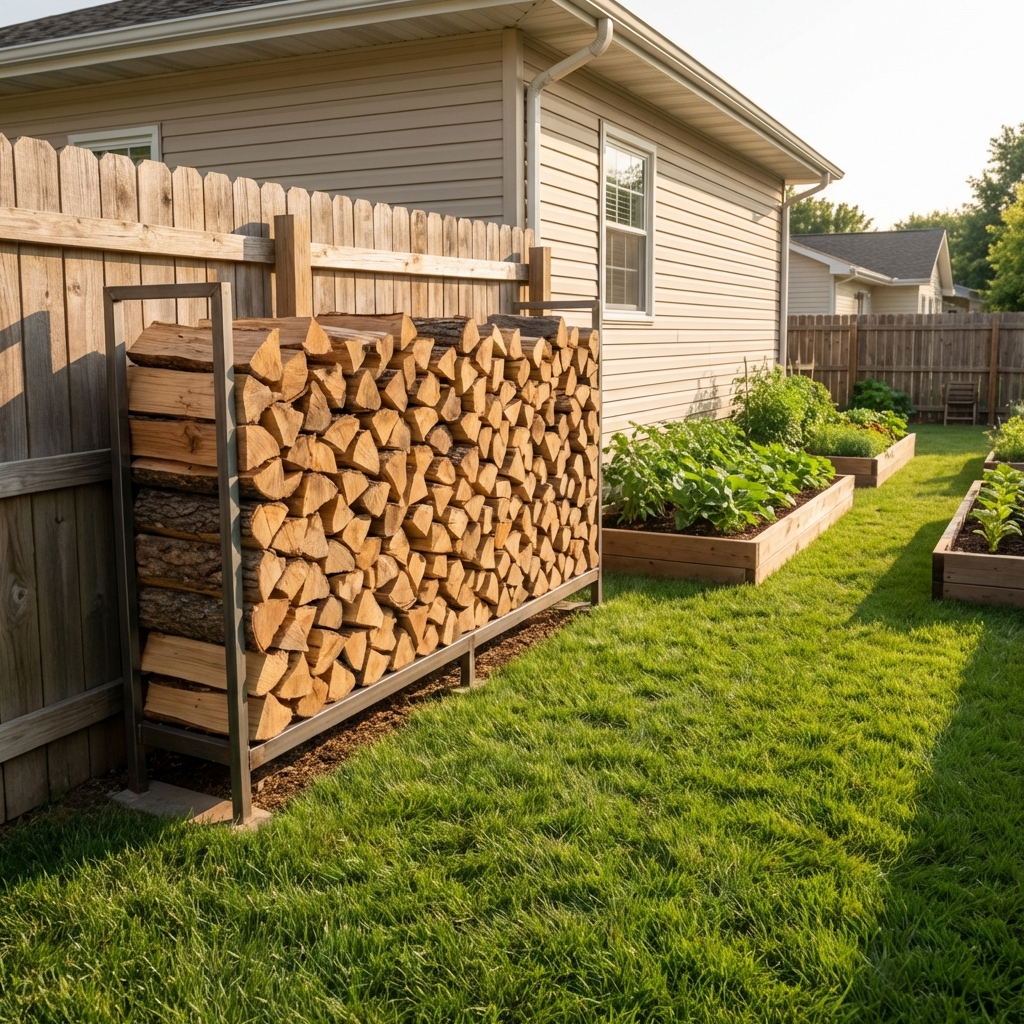
- Move woodpiles at least 20 to 30 feet away from the house, and store them raised off the ground on a rack or pallet.
- Clean up brush, leaf piles, and fallen branches. Leaf piles are a big one in fall and spring.
- Remove ground clutter like old pots, boards, tarps, and unused garden supplies sitting on soil.
- Trim low shrubs so you can see beneath them. If you cannot see beneath it, it is a great hiding spot.
Garden tip: If you like a natural look, you do not have to strip your yard bare. Just keep the “wild” area away from the house and maintain a cleaner perimeter near your foundation.
Step 2: Create a clear buffer zone
A simple way to reduce surprise encounters is to keep a few feet of open space around your home (about 2 to 3 feet is a practical starting point). Wider is even better where you have room. This makes the area less attractive as a pathway and makes snakes easier to spot before you get close.
What to use for a buffer
- Short, maintained grass or a narrow, regularly weeded bed
- Gravel or stone (works well because it reduces cover, but keep it weed-free)
- Simple mulch can work, but avoid very thick, damp mulch right against the foundation
Heads up: You may see advice saying snakes hate mulch, or snakes hate gravel, or snakes hate pine straw. In reality, snakes hate being exposed. So the best “material” is the one you keep clean and visible.
Step 3: Control rodents
If you have mice, you have snake potential. Snakes go where food is. Rodent control is often the biggest difference-maker.
Do this first
- Secure trash cans with tight lids and clean spilled seed or pet food nearby.
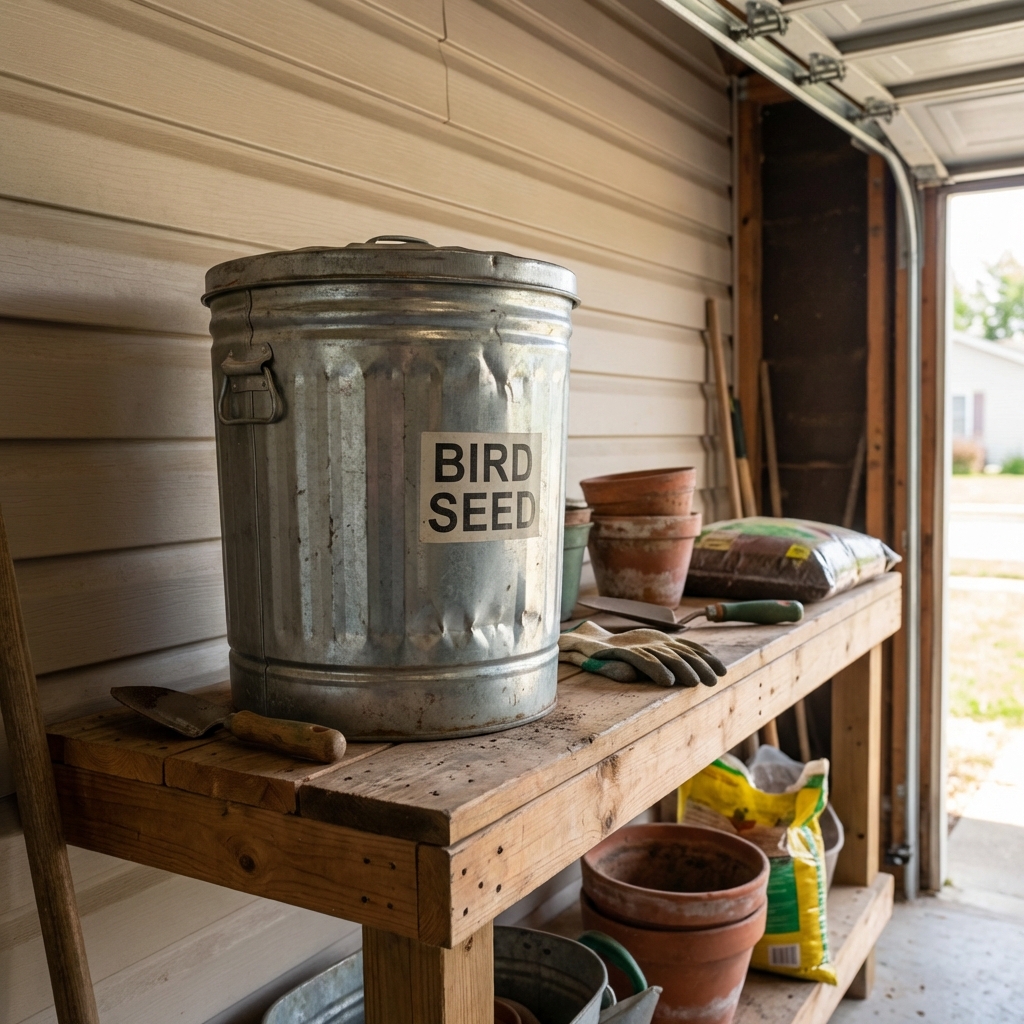
- Store bird seed and animal feed in sealed metal containers.
- Pick up fallen fruit from trees and clean up compost spills.
- Keep chicken coops and runs clean and store feed properly if you have poultry.
Traps and baits: safety note
If you use rodent bait, you can unintentionally harm pets and wildlife through secondary poisoning. If you’re not sure what’s safest in your area, ask a local licensed pest pro about options that reduce risk to owls, hawks, and neighborhood pets.
Step 4: Seal entry points
Even if your yard is perfect, a single gap can let snakes end up under a porch, in a crawlspace, or inside a garage. This is especially common during extreme heat or drought when they look for cooler spots.
Home perimeter checklist
- Door sweeps on exterior doors, including the garage entry door
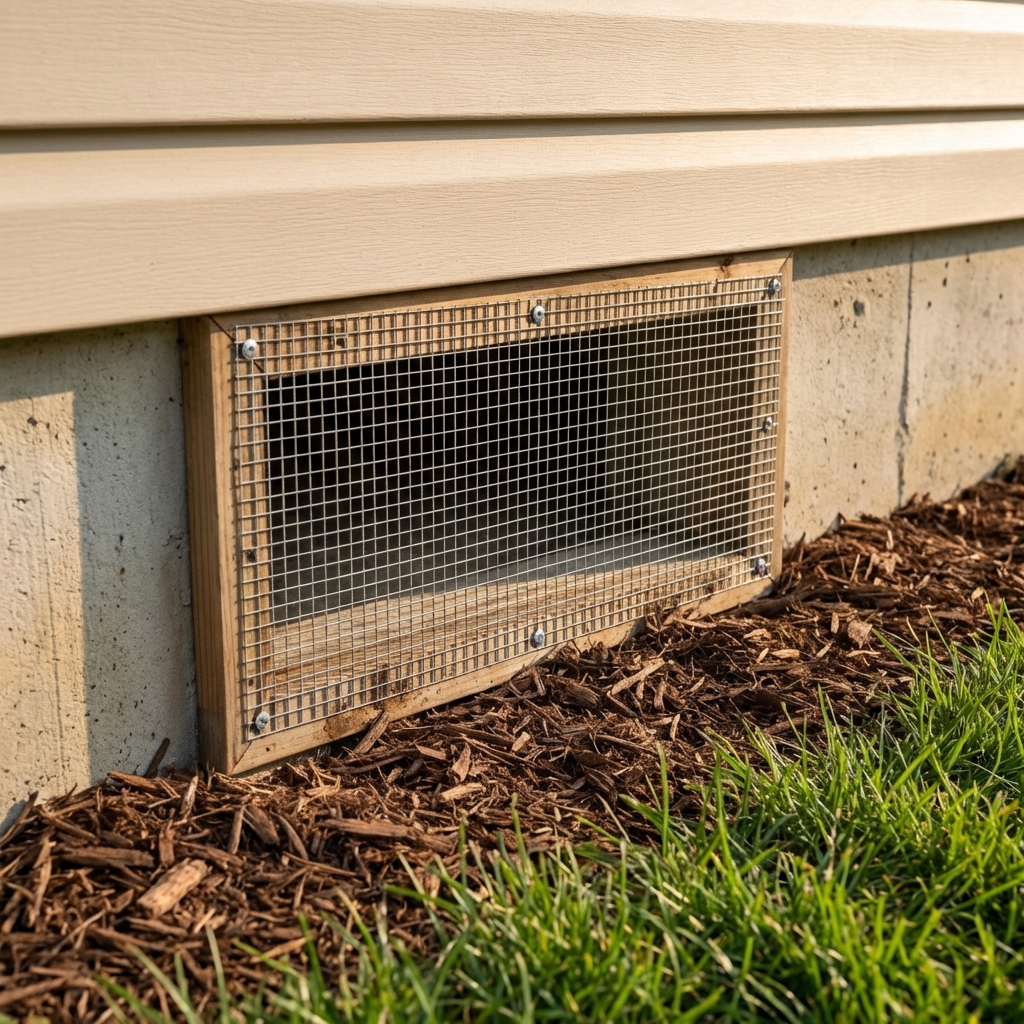
- Repair torn screens on vents and crawlspace openings
- Seal gaps around plumbing, AC lines, and utility penetrations
- Fix foundation cracks and gaps where siding meets masonry
- Close gaps under sheds or use hardware cloth along the base
What works well: 1/4 inch hardware cloth for vents and larger openings. Juveniles can slip through surprisingly small gaps, so do not ignore the little ones.
Step 5: Make your garden less snake-friendly
You can still have a productive, lush garden. The goal is to remove the tight, damp hiding spots near where you walk and work.
Garden tweaks that help
- Keep pathways open and weeded so you can see where you step.
- Avoid stacking boards and pavers next to beds. Store them vertically or off the ground.
- Manage irrigation leaks and soggy corners that attract frogs and insects.
- Harvest low-hanging produce regularly (overgrown squash patches can become cover).
- Prune dense groundcovers near doors, patios, and play areas.
Raised beds help because they reduce ground clutter and define walkways. Just keep the space around and under them tidy.
Pet and kid safety basics
If snakes are a concern where you live, a few simple habits reduce the chances of a bad surprise.
- Supervise pets in brushy areas and keep dogs leashed near woodpiles, tall grass, and creek edges.
- Do a quick yard scan before letting pets out at night, early morning, and after mowing or weeding.
- Teach kids to freeze, back up, and call an adult if they see a snake.
- Use a flashlight on evening walks to the shed, compost, or coop.
Do snake repellents work?
People reach for repellents because they’re easy. The problem is that most snake repellents have mixed results in real yards, especially after rain, irrigation, and mowing.
What to know before you buy
- Strong smells do not equal reliable control. Mothballs, sulfur products, and essential oils might smell intense, but results are inconsistent.
- Many “home remedies” are risky. Mothballs are toxic and not a safe outdoor solution. In many places, using them outdoors is not label-approved.
- Repellents do not fix the root cause. If rodents and cover are still there, snakes will still have a reason to visit.
If you want the easiest “deterrent” that actually holds up, focus on habitat changes and exclusion (sealing gaps). That is the boring answer, but it’s the one that works.
Snake fencing: when it’s worth it
If you live near woods, water, rocky areas, or you have frequent sightings, a physical barrier can be a good long-term solution.
Basic snake fence rules
- Use 1/4 inch hardware cloth or a purpose-made snake barrier.
- Fence height should be at least 30 to 36 inches.
- Bury the bottom 4 to 6 inches or bend it outward into an L shape under soil.
- Angle the fence outward slightly if possible.
- Seal gaps at gates and corners. A small opening defeats the whole plan.
These specs work well in many areas, but species and terrain matter. For best results, check local extension or wildlife guidance for your region.
If you see a snake
Many bites happen when someone tries to catch, corner, or kill a snake. Your safest move is to give it space and let it leave.
Do
- Back up slowly and keep pets and kids away.
- Watch from a distance so you know where it goes, then address the hiding spot later.
- Call a local wildlife professional if it’s inside, trapped, or you cannot safely leave it alone.
Don’t
- Do not try to handle it with a shovel, rake, or your hands.
- Do not corner it or “poke it to move.”
- Do not assume you can identify it under stress. Many harmless snakes get mistaken for venomous ones.
Also worth remembering: Many non-venomous snakes are helpful in a garden because they eat rodents and other pests. The goal is fewer surprise encounters, not panic.
Snake bite first aid: what not to do
If you ever have a bite emergency, treat it as urgent medical care. Keep the person calm, limit movement, and seek immediate help.
- Do not cut the bite or try to suck out venom.
- Do not apply a tourniquet.
- Do not apply ice.
- Do not try to catch the snake for identification.
Quick checklist: weekend plan
These steps work best as a package. You are trying to remove cover, remove food, and block easy access all at once.
- Weed and mow along fences, sheds, and the foundation.
- Remove leaf piles, brush piles, and clutter touching the ground.
- Move wood and scrap piles away from the house and raise them up.
- Secure trash, feed, bird seed, and clean up fallen fruit.
- Add door sweeps and screen vents with hardware cloth.
- Create a clean open buffer strip around the home.
If you do only two things, do rodent control and hideout removal. That combination solves most “snakes near the house” problems.
When to call for help
Call a licensed wildlife removal or pest professional if:
- You have repeated sightings in the same spot (possible denning area or steady food source).
- A snake is in your home, garage, or crawlspace.
- You suspect a venomous snake and you cannot keep a safe distance.
- You need a snake fence installed correctly.
Bottom line
The easiest way to keep snakes away from your house is to make the area less useful to them: fewer rodents, fewer hiding spots, and fewer entry points. You do not need fancy products, just consistent yard maintenance and a tighter home perimeter.

Jose Brito
I’m Jose Britto, the writer behind The Country Store Farm Website. I share practical, down-to-earth gardening advice for home growers—whether you’re starting your first raised bed, troubleshooting pests, improving soil, or figuring out what to plant next. My focus is simple: clear tips you can actually use, realistic expectations, and methods that work in real backyards (not just in perfect conditions). If you like straightforward guidance and learning as you go, you’re in the right place.