Strawberries are one of those fruits that go from “perfect” to “fuzzy and leaking” in what feels like a single afternoon. The good news is you do not need fancy gadgets or special sprays to stretch their shelf life. You just need to control three things: moisture, bruising, and temperature swings.
Below are natural solutions that actually work in real kitchens and real backyards, whether berries are homegrown, farmers market fresh, or supermarket clamshell berries that already have a few soft spots.
Why strawberries spoil so fast
Strawberries have thin skin, a lot of surface moisture, and they bruise easily. Once a berry is nicked or squeezed, juice leaks out, and mold has an easy place to start. Add a closed container and a little condensation, and you have the perfect mold environment.
- Moisture speeds mold and softening.
- Bruising creates quick rot spots.
- Warmth speeds softening and microbial growth.
- One bad berry can spoil the whole batch.
Start with better berries
If you are buying strawberries
- Choose berries that are dry in the container. Wet berries usually will not last as long.
- Avoid clamshells with juice stains in the bottom.
- Check for one moldy berry. If you see fuzz, skip that pack.
- Look for mostly even red color. Very pale berries are often less sweet and may not keep as well.
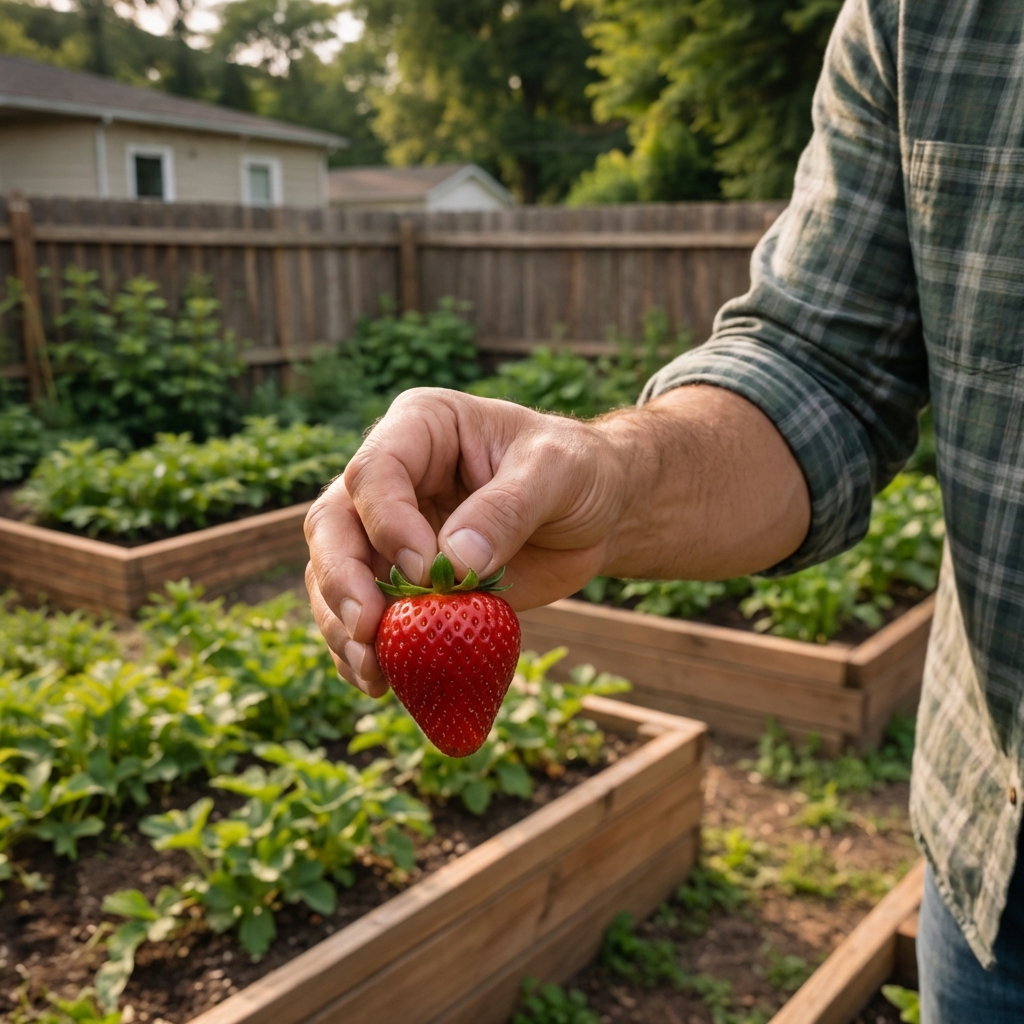
If you are picking from your garden
- Pick in the cooler part of the morning after dew has dried.
- Handle berries by the cap and stem, not the sides.
- Use a shallow container so berries do not crush each other.
- Do not wash them until you are ready to store or eat them.
The golden rule: keep them dry
If you only remember one thing, make it this: strawberries last longer when they are dry. Moisture is what kicks mold into gear, especially in the fridge where condensation builds up.
That is why most “miracle” tips work. They are basically different ways of getting berries clean without leaving them wet, and storing them so water does not pool under them.
Natural cleaning options (pick one)
You have three realistic approaches, depending on how fast you will eat the berries and how cautious you want to be about mold. No matter which route you choose, do not try to save moldy berries. If you see fuzzy mold, discard that berry and check the ones touching it closely.
Option 1: Do not wash until you eat
If the berries look clean, this is the simplest method and often the longest-lasting. Store them dry, and rinse right before eating. Less water now equals less mold later.
Typical fridge life: about 3 to 5 days (sometimes longer if they start very firm and dry).
Option 2: Quick water rinse + thorough drying
This is a good everyday approach if you want to rinse off field dust but still keep berries in good shape.
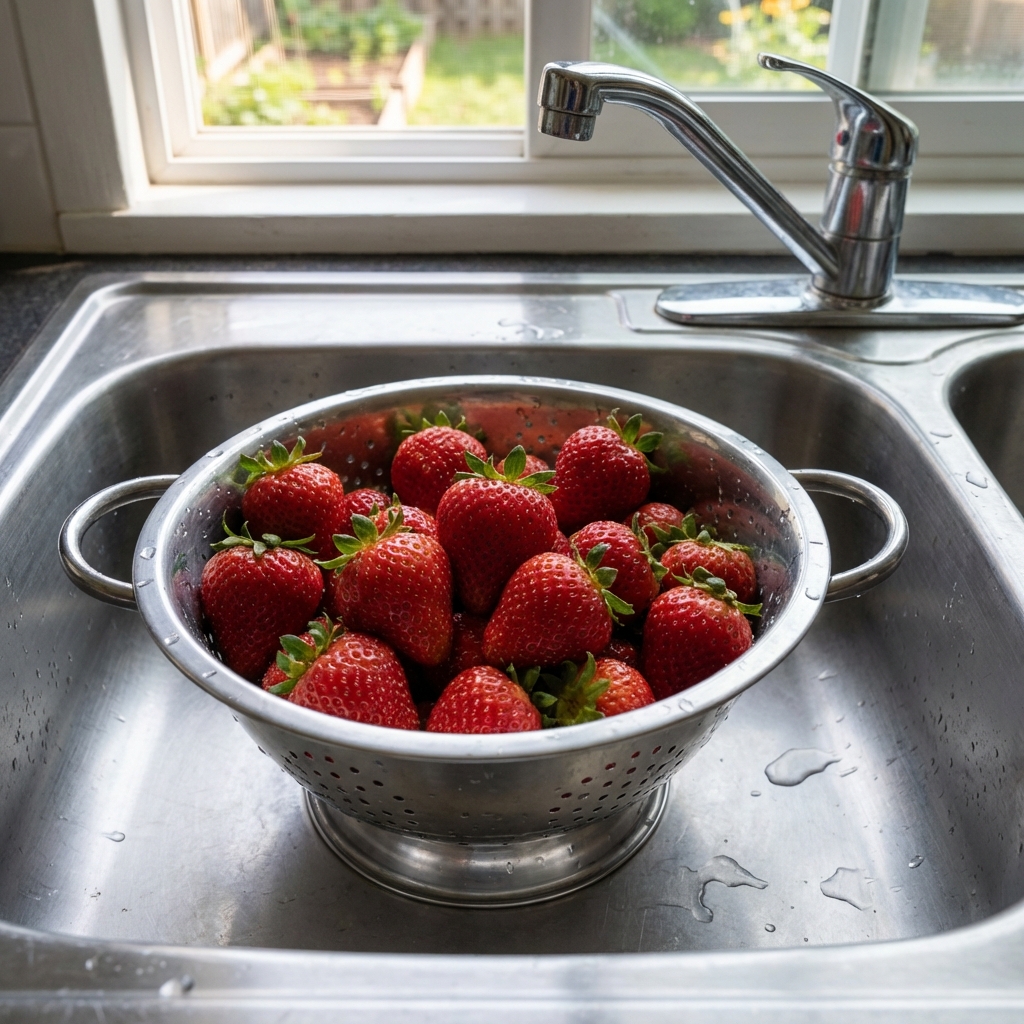
- Rinse strawberries quickly under cool water in a colander.
- Spread on a clean towel or paper towels in a single layer.
- Pat dry gently and let them air-dry 10 to 20 minutes.
Tip: Do not soak strawberries. Soaking makes them waterlog and shortens their life.
Typical fridge life: about 2 to 4 days, depending on how thoroughly they dry and how they started.
Option 3: Vinegar rinse
A vinegar rinse is a common kitchen method that can help slow mold growth by reducing surface spores. It does not sterilize fruit, but it often buys you extra time if the berries were on the edge.
- Mix 1 part white vinegar with 3 parts cool water in a bowl.
- Dip berries for 30 seconds to 2 minutes, swishing gently.
- Drain and rinse quickly with cool water.
- Dry extremely well on towels before storing.
If you still smell vinegar after they dry, do a brief fresh-water rinse and dry again. Next time, shorten the dip or keep it closer to 30 seconds.
Typical fridge life: about 4 to 7 days, depending on starting quality and how dry they are before storage.
Best fridge storage setup
Your goal is airflow plus dryness, without crushing the fruit.
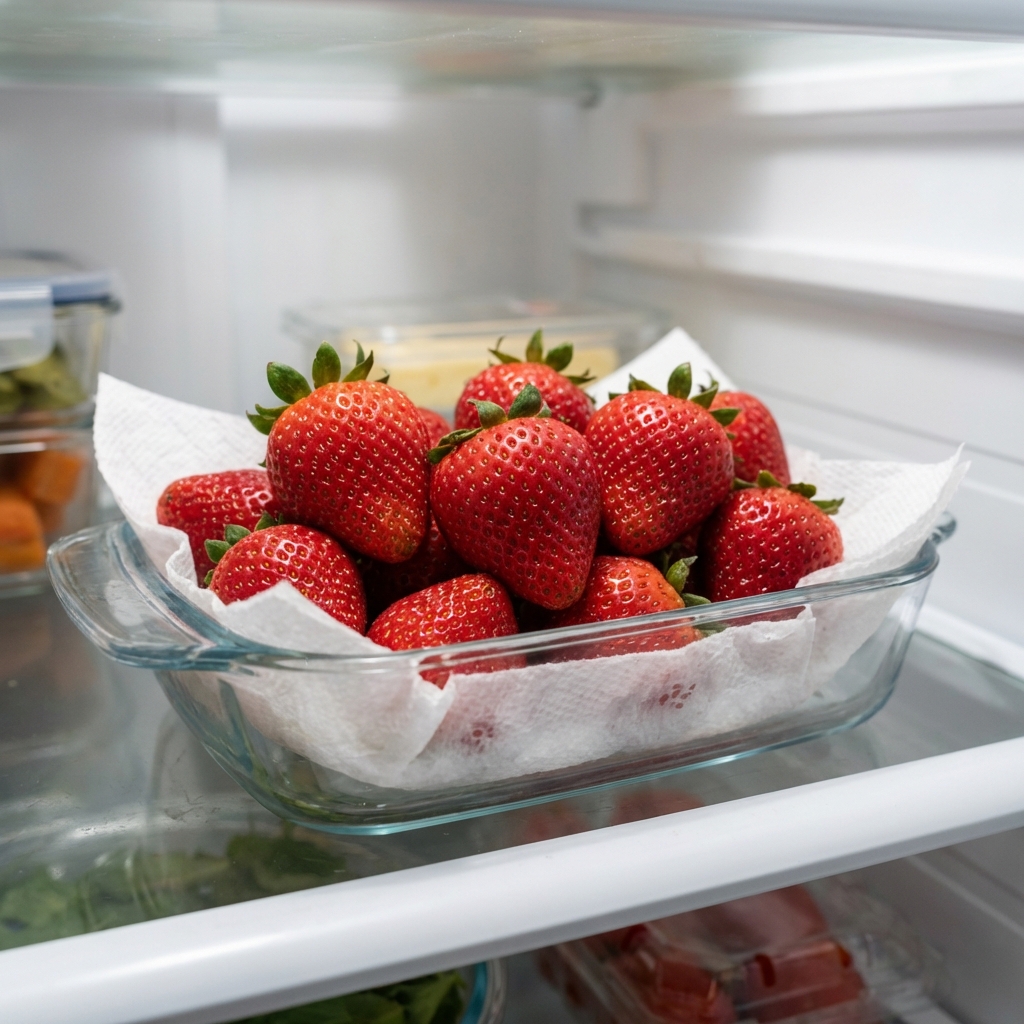
Paper towel container method
- Line the bottom of a container with paper towels or a clean kitchen towel.
- Add strawberries in a single layer if possible, or two layers max.
- Place another paper towel on top if you have a second layer.
- Use a container with a lid that is not airtight, or leave the lid slightly cracked.
This method catches condensation and juice, which keeps berries from sitting in moisture.
Should you store strawberries in the original clamshell?
Sometimes it works fine, especially if the berries are already very dry and you will eat them in 1 to 2 days. For longer storage, transfer to a container with paper towels. The bottom of clamshells is where moisture pools.
Best spot in the fridge
- Keep strawberries in the main part of the fridge, not the door.
- If your crisper runs very humid, store berries on a shelf instead of the drawer. If your drawer has a humidity slider, a lower-humidity setting often works better for berries.
- Aim for a steady, cold temperature. Frequent warming and cooling adds condensation.
What not to do
- Do not hull strawberries before storing. Removing the cap opens the fruit and speeds leaking and mold.
- Do not stack them deep. Weight causes bruising and crushed spots.
- Do not seal them airtight while damp. Trapped humidity is mold fuel.
- Do not leave them on the counter unless you will eat them the same day.
- Do not slice them ahead of time unless you are eating them soon. Cut surfaces break down fast.
Daily 30-second check
Once a day, do a quick sort:
- Remove any berry that is soft, leaking, or moldy.
- Replace damp paper towels.
- Rotate the top berries to the bottom if you have two layers.
This is one of the simplest ways to prevent “one bad berry” from taking out the rest.
Use them before they go soft
Even with perfect storage, strawberries are still delicate. If they are starting to soften but are not moldy, use them quickly in ways that do not rely on a firm texture.
- Slice and freeze for smoothies.
- Roast at 375°F for 20 to 25 minutes to concentrate flavor for yogurt or pancakes.
- Make quick macerated strawberries with a sprinkle of sugar or honey and a squeeze of lemon.
- Blend into a sauce for oatmeal or chia pudding.
How to freeze strawberries
Freezing is the best “no waste” move when you have too many berries at once, which happens fast during peak season.
Steps
- Rinse quickly and dry very well.
- Hull after drying.
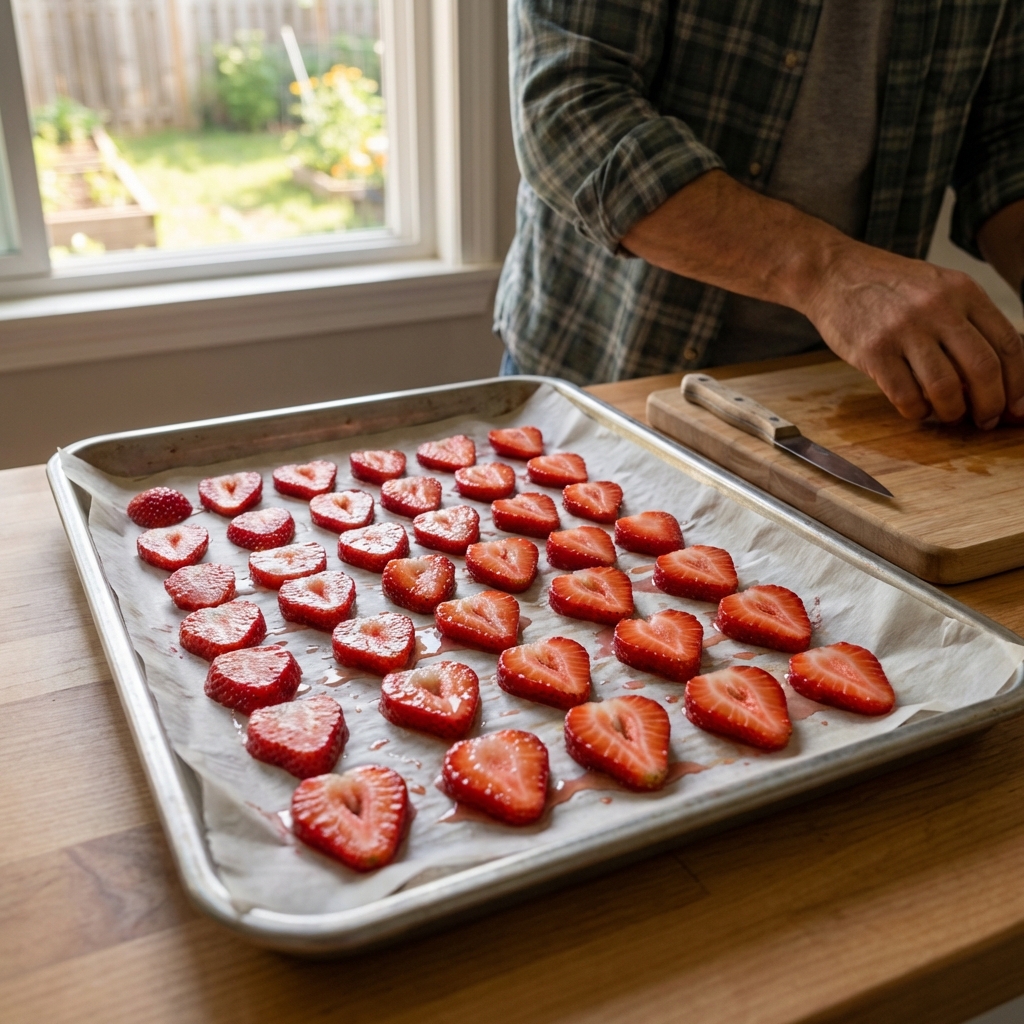
- Slice or leave whole.
- Freeze in a single layer on a tray for 2 to 3 hours.
- Transfer to a freezer bag or container and remove as much air as you can.
Note: Frozen strawberries thaw soft. They are best for smoothies, baking, sauces, jam, and oatmeal.
Quick troubleshooting
My strawberries taste bland after storing
Cold temps dull sweetness. Let a serving sit at room temperature for 15 to 30 minutes before eating. They will taste more like strawberries again.
They get moldy even when I do everything right
That usually means the berries were already carrying spores and micro-bruises when you got them. Use the vinegar rinse next time, and buy the driest, firmest berries you can find. Also, do the daily sort so one fuzzy berry does not spread the problem.
They are drying out and shriveling
Your container might be too open in a very dry fridge. Close the lid more, but keep paper towels in place and make sure berries are fully dry before sealing.
A simple routine that works
- Day 1: Sort, remove any damaged berries, and store dry on paper towels in a shallow container.
- Days 2 to 4: Check once daily, replace damp towels, and eat the softest berries first.
- Day 4+: Freeze what you will not finish soon.
That is it. Dry berries, gentle handling, and a quick daily check will stretch your strawberries further than most “secret hacks.”

Jose Brito
I’m Jose Britto, the writer behind The Country Store Farm Website. I share practical, down-to-earth gardening advice for home growers—whether you’re starting your first raised bed, troubleshooting pests, improving soil, or figuring out what to plant next. My focus is simple: clear tips you can actually use, realistic expectations, and methods that work in real backyards (not just in perfect conditions). If you like straightforward guidance and learning as you go, you’re in the right place.