A bee sting can go from “ouch” to “why is it still throbbing?” in a hurry, especially if you are out in the yard and keep moving around. The good news is most stings are manageable at home. The trick is doing the right things in the right order: get the stinger out (if it is there), cool the area, and calm the itch and swelling before it ramps up.
Quick note: Most of this advice works for common bee, wasp, hornet, and yellowjacket stings. Fire ant stings are different and often form small blister-like pustules later.
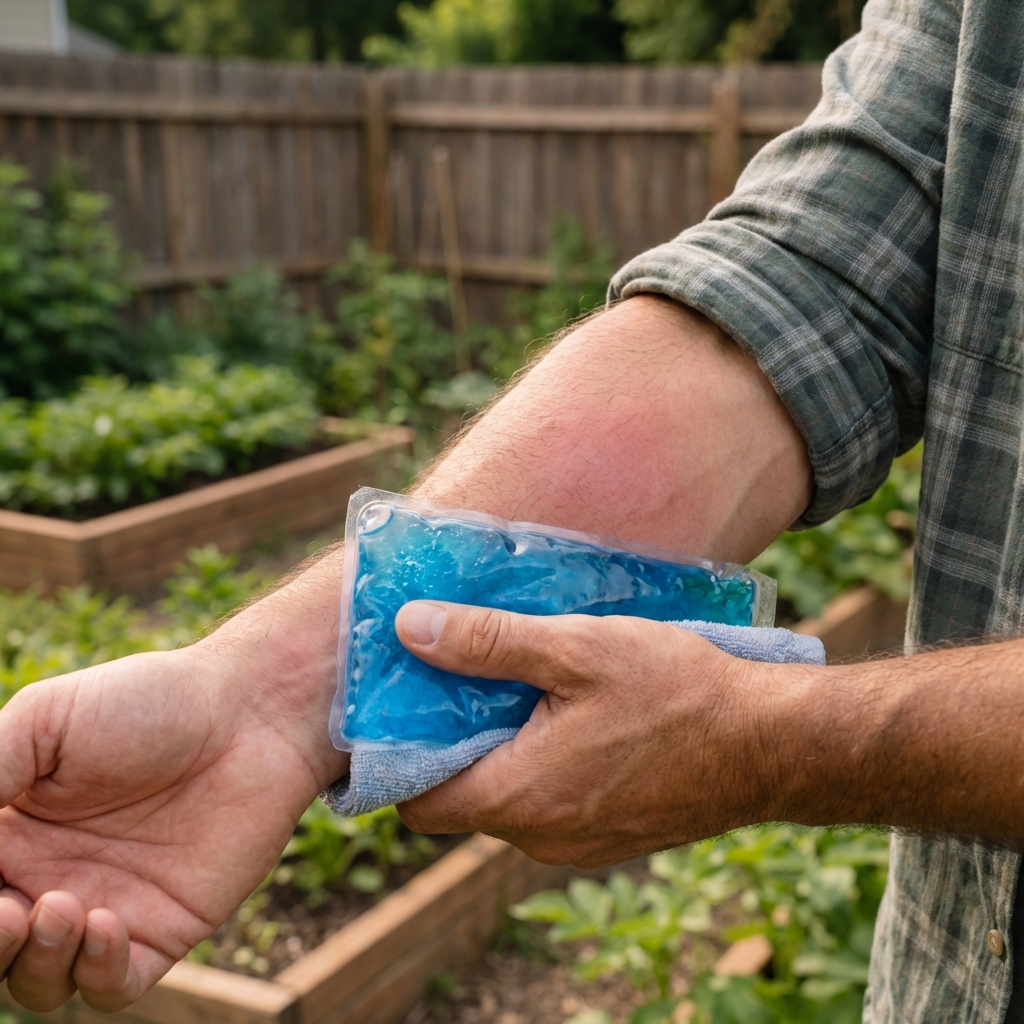
First 2 minutes: immediate steps
1) Get away from the area
If you got stung near a hive, flowering shrub, or a spot where stinging insects are active, take a few steps away. With some insects (including honeybees and yellowjackets), alarm scents and commotion can draw more attention, and you do not want a second sting while you are dealing with the first.
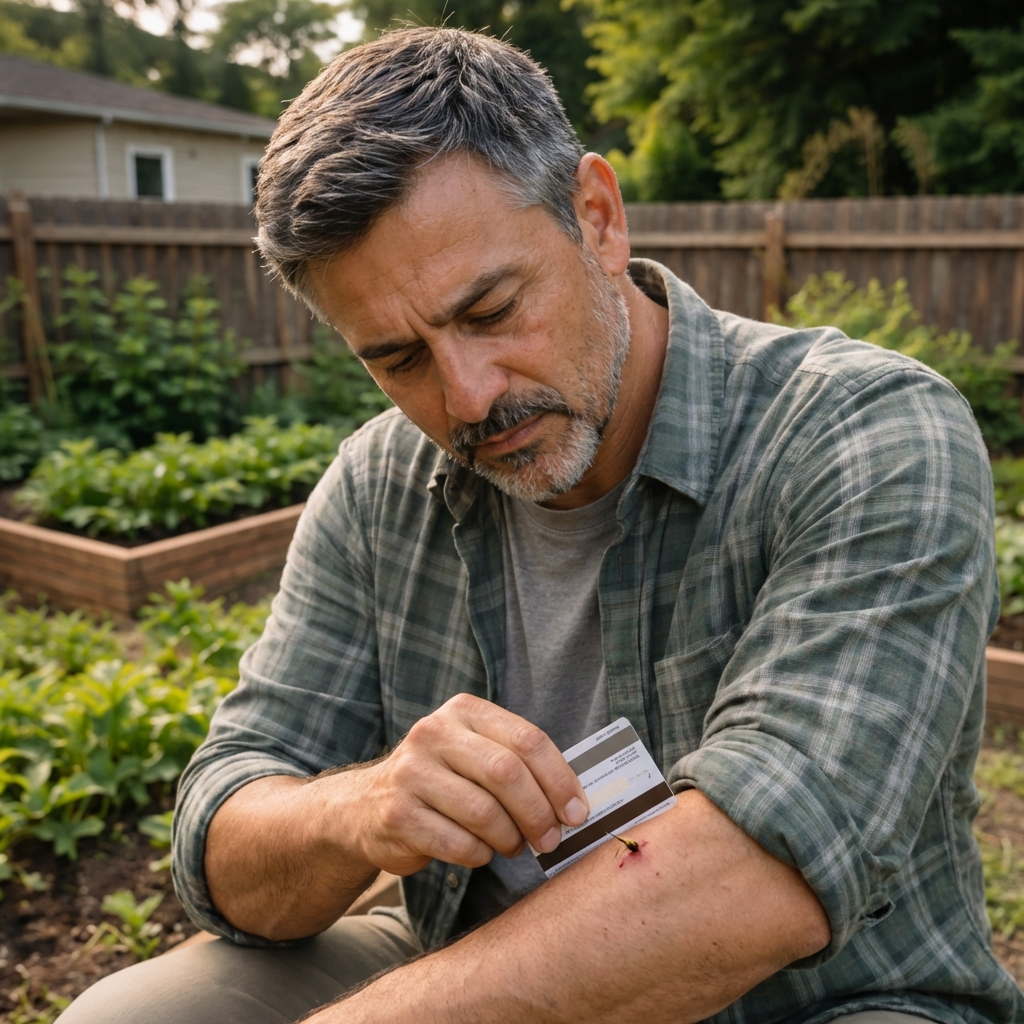
2) Remove the stinger fast, but do not overthink it
Honeybees often leave a stinger behind. Wasps and hornets usually do not, but check anyway.
- Best approach: use your fingernail, the edge of a credit card, or a clean dull knife edge to scrape it out.
- If you only have tweezers: use them. Speed matters more than technique in real life. If you can, grab the stinger itself and avoid pinching the attached venom sac.
Why it helps: the stinger can keep delivering venom for a short time. The sooner it is out, the less venom gets in.
3) Wash with soap and water
Clean skin lowers the chance of infection later, especially if you end up scratching.
4) Take off rings, watches, or tight gear nearby
If the sting is on a hand, wrist, foot, or ankle, remove anything snug before swelling makes it hard.
Stop the pain: what works in the first hour
Cold compress, 10 minutes on and 10 minutes off
Cold is your best first tool. It helps numb pain and slows swelling.
- Wrap ice in a thin towel, or use a cold pack.
- Do not put ice directly on skin for long periods.
Elevate the area if you can
If the sting is on an arm or leg, raising it a bit helps reduce throbbing and swelling.
Over-the-counter pain relief (optional)
If it is really sore, an OTC pain reliever can help. Follow label directions and consider any personal medical restrictions.
- Ibuprofen can help pain and inflammation.
- Acetaminophen can help pain if you cannot take NSAIDs.
Stop the itch and swelling: best options for the next 24 hours
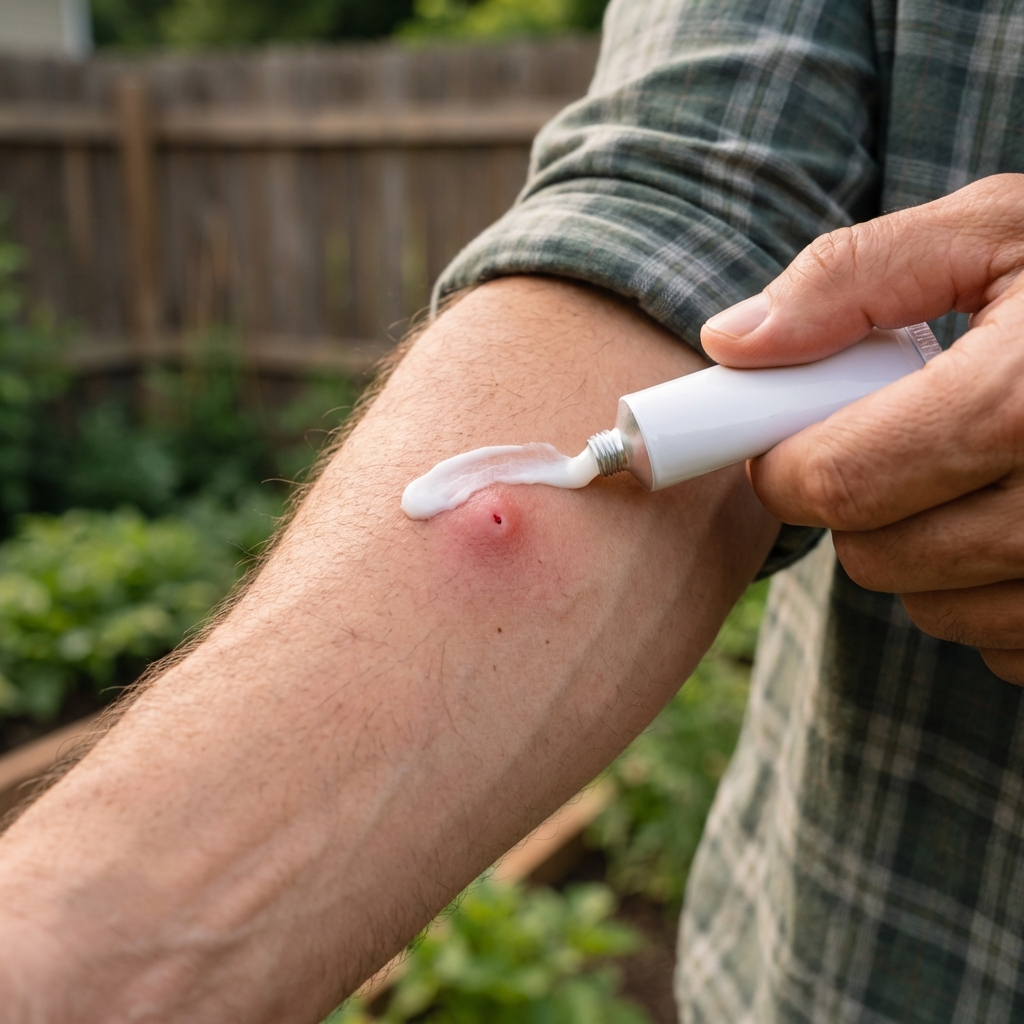
Hydrocortisone cream (1%)
A thin layer can calm inflammation and itching. It is one of the most reliable options for typical stings.
Oral antihistamine for itching
If itching is the main problem, an antihistamine can help. Non-drowsy options like cetirizine or loratadine are common choices. Diphenhydramine can work too, but it often makes people sleepy, so plan accordingly.
Calamine or colloidal oatmeal lotion
These are good “scratch control” options, especially for kids or anyone who tends to pick at stings.
Keep it clean and protected
If the sting keeps rubbing on clothing or you cannot stop touching it, cover it with a clean bandage after applying a small amount of appropriate cream. Change the bandage daily.
Home remedies: what is worth trying and what to skip
You will hear a lot of backyard remedies. Some are harmless comfort measures. Others can irritate skin and make things worse.
Worth trying (generally low risk)
- Baking soda paste: mix baking soda with a few drops of water, apply for 10 to 15 minutes, then rinse. Some people find it soothing.
- Cool wet tea bag: a cold, damp black tea bag can feel soothing. Tannins may help a bit with irritation.
Use caution or skip
- Vinegar, lemon juice, or other acids: can sting and irritate already inflamed skin.
- Meat tenderizer: sometimes suggested, but can irritate skin and is not a sure fix.
- Essential oils straight on skin: a common cause of contact irritation. If you use any, dilute properly and stop if it burns.
What not to do
- Do not scratch. Scratching increases swelling and raises infection risk.
- Do not apply heat early. Heat can increase blood flow and make swelling and itching worse at first.
- Do not press or squeeze the sting area. It can worsen irritation, and if a stinger and venom sac are still present it may push more venom in.
- Do not ignore worsening symptoms. A normal sting improves over time, even if it is annoying.
Normal vs not normal
Typical reaction
- Sharp pain at first, then a sore, itchy bump.
- Redness and swelling right around the sting.
- Itching that can last 1 to 3 days.
How long it lasts: Most mild swelling starts to ease within 24 to 48 hours.
Large local reaction (common, uncomfortable, usually not dangerous)
Some people get swelling that spreads several inches beyond the sting area over 24 to 48 hours. It can be warm and tight. This can be an allergic-type reaction, but it is not the same as anaphylaxis.
- Continue cold compresses.
- Use hydrocortisone and an antihistamine if needed.
- Mark the edge of redness with a pen to see if it keeps spreading.
Large local reactions can take several days to settle and sometimes linger up to a week or so.
Signs of infection (call a clinician)
- Increasing pain after the first day instead of gradual improvement
- Pus, crusting, or red streaking
- Fever
When to seek emergency help
Call emergency services right away if you suspect a severe allergic reaction. Do not try to “wait it out.”
- Trouble breathing, wheezing, or throat tightness
- Swelling of lips, tongue, face, or throat
- Hives spreading beyond the sting area
- Dizziness, fainting, confusion, or a fast weak pulse
- Repeated vomiting or severe stomach cramps
If you have an epinephrine auto-injector prescribed for allergies, use it as directed and then get emergency care.
If you have had anaphylaxis before: treat any new sting seriously. Use epinephrine right away if your plan says to, and call emergency services.
If someone is stung in the mouth or throat (even without obvious allergy), treat it as urgent because swelling can block airways.
Special situations
Stung on the hand, finger, foot, or near a joint
These spots often swell more and feel tighter because the skin and tissue are less forgiving. Remove rings fast, ice early, and keep the area elevated.
Stung near the eye
A sting near the eye can swell dramatically. Use a cool compress and avoid rubbing. If the sting is on the eyelid or very close to the eye, or if you have any vision changes, get medical advice the same day. If you think the sting hit the eyeball itself (the cornea), treat it as urgent or emergency care.
Multiple stings
Multiple stings can cause more intense symptoms even without an allergy. If you have many stings (especially dozens), feel unwell, or are caring for a child or older adult with multiple stings, contact urgent care or a clinician.
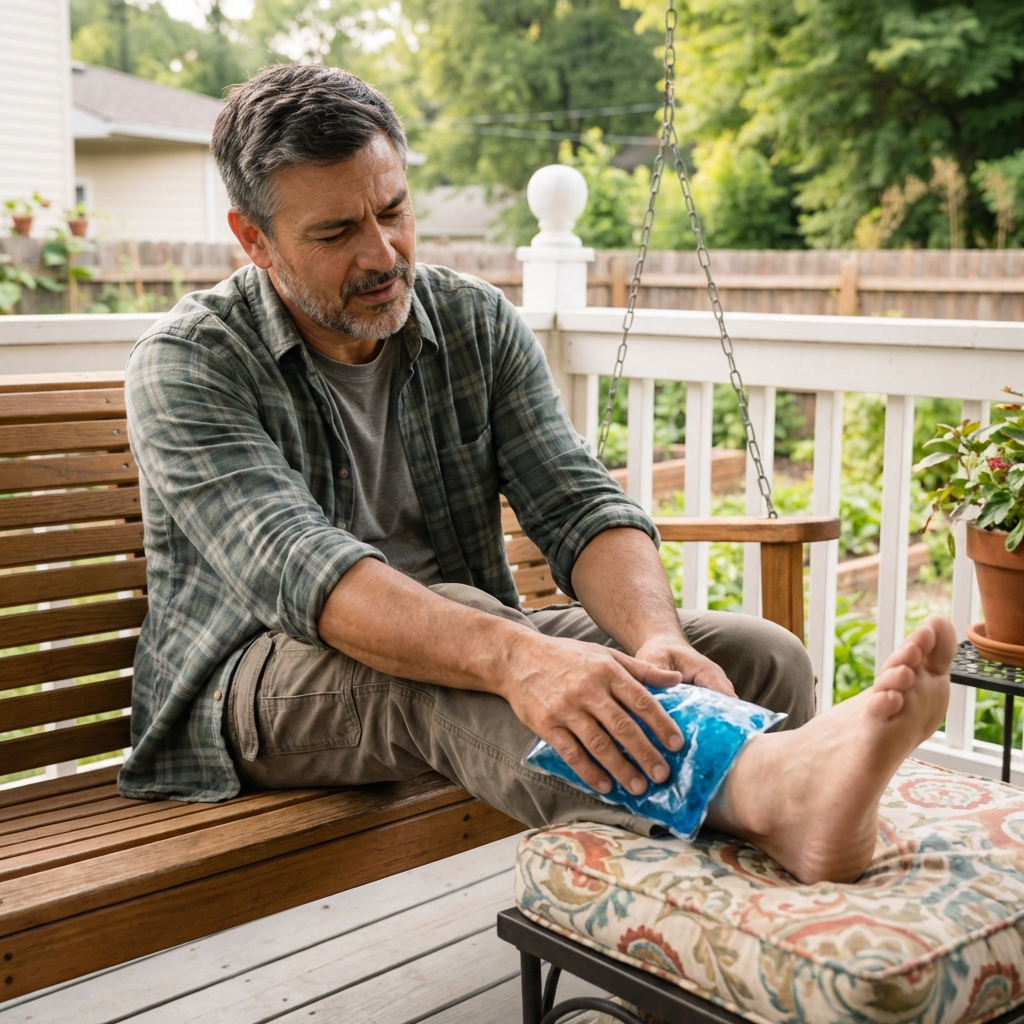
Quick checklist: my go-to sting routine
- Scrape stinger out fast
- Wash with soap and water
- Cold compress 10 on, 10 off for the first hour
- Hydrocortisone for redness and itch
- Antihistamine if itching is intense
- Elevate and protect the area
- Watch for allergic reaction warning signs
How to prevent the next sting in the garden
You should not have to choose between gardening and getting stung. A few habits lower the odds a lot.
- Wear closed-toe shoes and avoid stepping barefoot near clover or flowering groundcovers.
- Use gloves when reaching into dense plants or harvesting near blooms.
- Avoid strong fragrances while working outside. Perfume and scented lotions can attract attention.
- Check before you grab. Peek under ledges, inside watering cans, and around hose reels where wasps like to build.
- Move slowly around pollinator plants. Most bees are not aggressive. Quick swats and sudden movements cause problems.

Jose Brito
I’m Jose Britto, the writer behind The Country Store Farm Website. I share practical, down-to-earth gardening advice for home growers—whether you’re starting your first raised bed, troubleshooting pests, improving soil, or figuring out what to plant next. My focus is simple: clear tips you can actually use, realistic expectations, and methods that work in real backyards (not just in perfect conditions). If you like straightforward guidance and learning as you go, you’re in the right place.