Bed bugs are not a cleanliness problem. They are a hitchhiker problem. They most often ride in on luggage, used furniture, and from nearby units in apartments. In rarer cases, they can come in on items that have been stored or handled in an infested environment. The good news is that prevention is mostly about a few repeatable habits that do not take much time once you get the routine down.
This guide focuses on quick, realistic steps you can use at home and while traveling, plus the fastest way to respond if you think bed bugs might be present.

Know what you are trying to stop
Bed bugs are small, flat insects that hide in tight cracks near where people sleep. They come out mostly at night to feed. They do not jump or fly, but they crawl well and can hide in seams and screw holes you would never think to check.
Common signs (so you can act early)
- Rusty or reddish spots on sheets or mattress seams (often from crushed bugs or droppings)
- Small dark specks along seams, tufts, or headboard cracks
- Shed skins that look like pale, papery shells
- Musty, sweet odor in heavier infestations
- Bites that show up in clusters or lines (not proof by itself, since bites vary a lot)
If you only remember one thing: the earlier you catch them, the easier and cheaper it is to solve.
Quick ID note
Not every small bug is a bed bug. Carpet beetles and fleas are common lookalikes. If you can, capture a sample with clear tape or in a small sealed container and get it identified by a licensed pest professional or a local extension service.
Quick prevention checklist for home
These steps block the most common pathways bed bugs use to get established.
1) Reduce hiding places near beds
- Keep the area under the bed as clear as possible.
- Move the bed slightly away from the wall if you can.
- Avoid bed skirts that touch the floor if you are actively trying to prevent or monitor.
2) Use mattress and box spring encasements
A quality bed-bug-proof encasement does two helpful things: it traps any existing bugs inside and removes a huge number of hiding spots on the outside.
- Choose encasements labeled for bed bugs with a secure zipper and zipper lock.
- If you are responding to a suspected exposure, keep encasements on long term (often 12 months or more) because bed bugs can survive many months without feeding.
3) Install simple monitors
Interceptor cups under bed legs can catch bugs trying to climb up or down. They are inexpensive and give you an early warning.
- Place interceptors under each bed leg.
- Keep bedding from draping onto the floor, or it can act like a bridge.
4) Vacuum with intention
Vacuuming is not a complete solution, but it helps reduce the odds of a few hitchhikers turning into a problem.
- Vacuum mattress seams, bed frame joints, baseboards, and carpet edges.
- Immediately empty the vacuum canister into a bag, seal it, and take it outside.
- If you use a bagged vacuum, remove the bag right away and seal it before disposal.
5) Be cautious with visitors and sleepovers
This is awkward, but it matters. If you know someone is dealing with bed bugs, avoid bringing soft items back and forth.
- Limit shared blankets and pillows traveling between homes.
- After guests, wash and dry bedding on high heat if you want peace of mind.
Travel routine that actually works
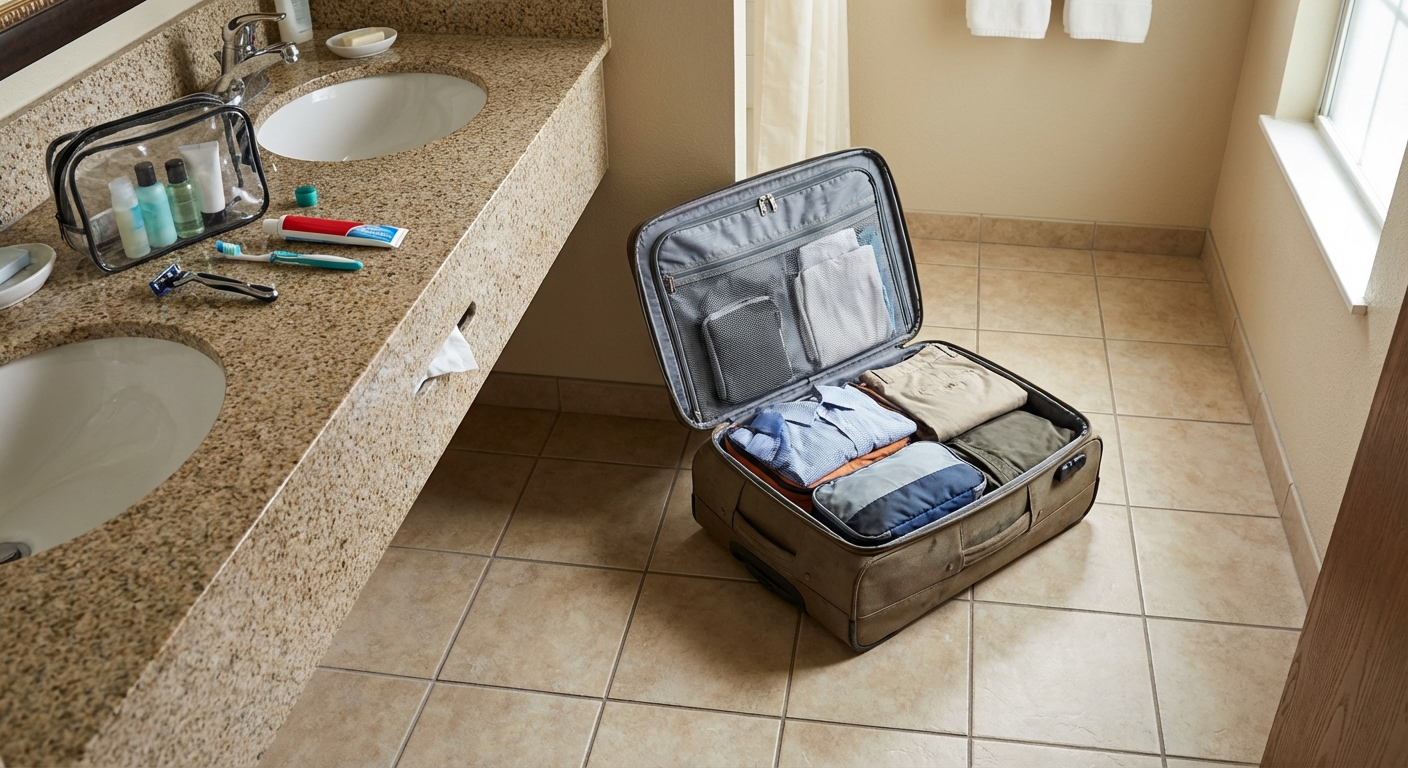
Hotels and rentals are one of the most common ways people pick up bed bugs. A simple 5-minute routine reduces your risk a lot.
When you first arrive
- Keep luggage in the bathroom while you inspect, ideally in the tub or on bare tile (not on bath mats or fabric).
- Pull back the sheets and check the mattress corners and seams near the head of the bed.
- Check the headboard area if possible, especially where it meets the wall.
- Look at the luggage rack straps and joints before placing your bag.
During the stay
- Use the luggage rack, not the bed.
- Keep clothes in packing cubes or sealed bags if you want an extra layer of protection.
When you get home
- Do not bring luggage straight to the bedroom. Unpack in a garage, entryway, laundry room, or bathroom if you can.
- For dryer-safe items, heat first. Place items directly in the dryer on high heat to kill bugs and eggs, then wash afterward only if the item is machine washable.
- Follow labels and use common sense on timing. Many households use about 30 to 60 minutes on high heat for typical loads, but the goal is for items to reach and stay at full heat. Heavier loads and dense fabrics can take longer.
- For dry-clean-only or heat-sensitive items, skip the hot dryer. Keep them sealed and use professional dry cleaning or ask a pest professional for safe options.
- Vacuum the suitcase and store it away from bedrooms if possible.
If you travel often, consider a purpose-built heat chamber designed for luggage and small items. Use only products made for that purpose and follow safety directions closely.
Secondhand items: the biggest risk at home
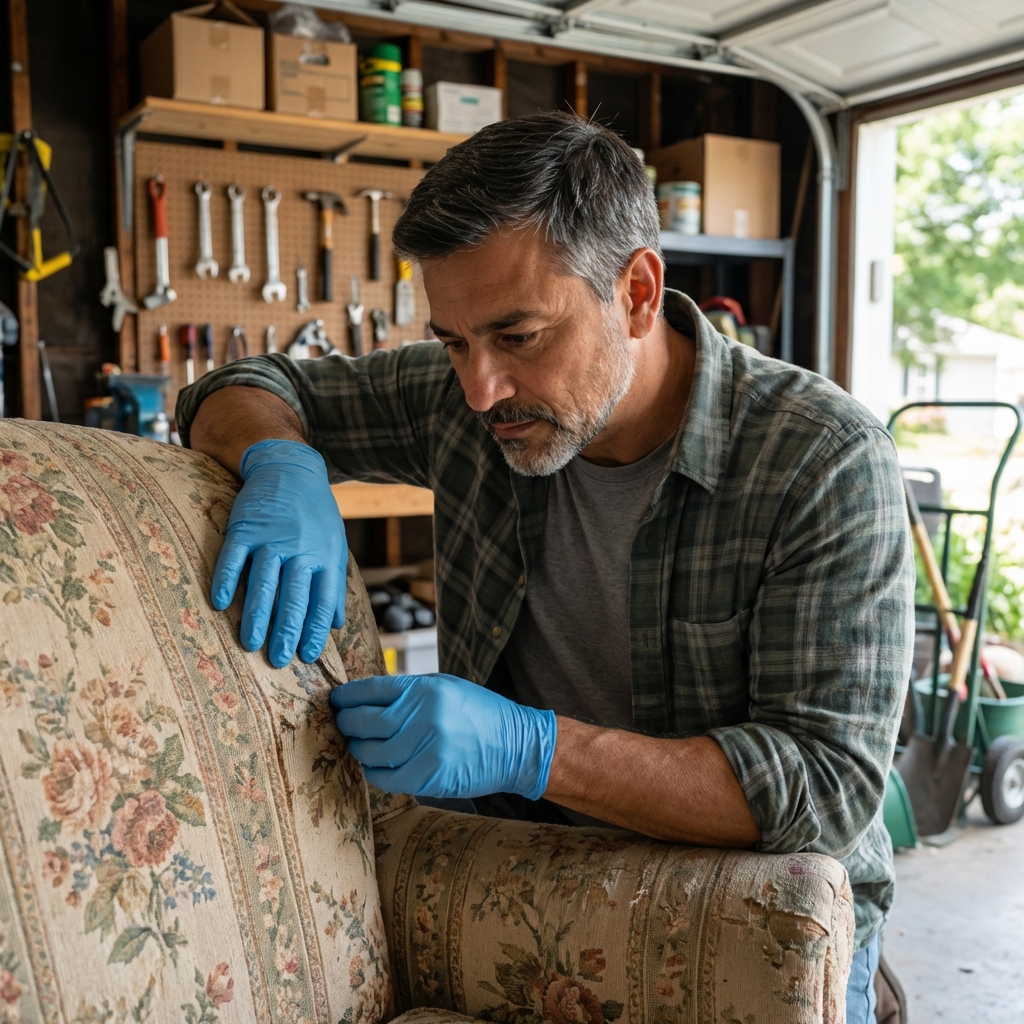
Used furniture and textiles are a common source of introductions. The key is to isolate, inspect, and treat before the item enters living spaces.
Furniture (especially beds, couches, upholstered chairs)
- Avoid picking up mattresses or upholstered furniture from the curb.
- Inspect seams, tufts, under stapled fabric, and screw holes with a flashlight.
- If you are unsure, keep it in a garage or outside area while you decide. Do not bring it into a bedroom.
Clothes, linens, stuffed items
- Transport in sealed bags.
- For dryer-safe items, heat in the dryer on high before putting them away.
- For items that cannot be heated, isolate in a sealed container and consider professional guidance.
If you are buying secondhand, hard-surface items like solid wood furniture are generally easier to inspect and clean than upholstered pieces.
A simple cleaning and laundry plan
You do not need to disinfect your whole house. Focus on heat (when safe), containment, and reducing places bugs can hide.
Laundry basics
- Use the dryer on high heat when fabric allows. Heat is the workhorse.
- Carry laundry in sealed plastic bags or bins if you are dealing with a suspected exposure.
- After drying, put clean items into a clean bag or lidded bin until you are confident there is no issue.
Declutter without creating chaos
Clutter does not cause bed bugs, but it gives them more places to hide. If you are decluttering as prevention:
- Use clear bins with tight lids instead of open baskets.
- Do not move piles from room to room. Bag first, then move.
- Seal donation items in bags until you can drop them off.
Apartment and multi-unit buildings
In apartments, bed bugs can spread between units through wall voids, baseboards, and shared hallways. Prevention is still possible, but it requires extra attention.
Steps that help in multi-unit homes
- Use interceptors on beds and upholstered furniture if possible.
- Seal obvious gaps around pipes and baseboards with appropriate sealant.
- Keep beds slightly off walls and avoid bedding touching the floor.
- If you suspect bed bugs, notify management early. Waiting usually makes treatment harder for everyone.
If your building has a history of issues, ask about their pest management plan before a problem starts. A coordinated approach works better than isolated treatments.
What to do immediately if you suspect bed bugs
If you see a suspicious bug, spots, or repeated bites, do not panic. Do a few targeted steps right away. Fast, calm action is the difference between a small problem and a long one.
Step-by-step
- Confirm. Capture a specimen with clear tape or in a small sealed container for identification.
- Isolate the bed. Pull it a few inches from the wall. Keep bedding from touching the floor.
- Launder and heat-dry bedding and nearby clothes (when safe for the fabric). Bag items as you transport them.
- Vacuum cracks and seams around the bed and baseboards, then dispose of vacuum contents outside.
- Install interceptors to monitor activity.
Common mistakes to avoid
- Do not move the mattress or furniture to another room. That can spread the problem.
- Do not spray pesticides on bedding or anything that touches skin.
- If you discard furniture, wrap and seal it before moving it through the building so you do not spread bugs to hallways or other units.
Be careful with DIY pesticides
Over-the-counter foggers are a common mistake. They are ineffective for bed bugs and may push them into deeper cracks and nearby areas. If you use any product, follow the label exactly and focus on targeted applications labeled for bed bugs.
For many households, the most reliable path is a licensed pest professional using an integrated approach (inspection, targeted treatment, and follow-up).
Non-chemical tools can help too. For example, careful use of a steamer on seams and cracks can kill bed bugs on contact, but it has to be used slowly and safely, and it does not replace a full treatment plan.
Prevention do and do not list
Do
- Inspect hotel beds and keep luggage off beds.
- Use encasements and interceptors for early warning.
- Heat-dry travel clothing when you get home (for dryer-safe items).
- Inspect and treat secondhand items before bringing them inside.
Do not
- Assume bites mean bed bugs without checking for physical signs.
- Bring unknown used mattresses or upholstered items into the house.
- Rely on foggers to solve or prevent infestations.
- Move items from an affected room to other rooms without sealing them first.
When to call a professional
Call for help if you confirm bed bugs, see multiple signs, or live in a multi-unit building where spread is more likely. A professional can also help if you have tried basic steps and still see activity after a couple of weeks.
When you call, ask about:
- How they confirm bed bugs (visual inspection, monitors, canine teams)
- Whether they use an integrated plan (non-chemical plus targeted products)
- Follow-up visits and what preparation they need from you
- How they handle adjacent units in apartments
FAQ
Can bed bugs live in a clean house?
Yes. Cleanliness does not prevent bed bugs. Prevention is about limiting hitchhikers and reducing hiding spots.
Do bed bugs stay only in beds?
No. They prefer to hide near where people rest, but they can live in couches, recliners, baseboards, nightstands, and cracks in walls.
What temperature kills bed bugs?
High heat is effective. In practical home terms, a hot dryer cycle is one of the best tools you have for dryer-safe fabrics. Exact time depends on load size and material. The goal is for items to reach lethal heat throughout, not just to run a quick cycle.
Will essential oils prevent bed bugs?
They are not a reliable prevention method. Focus on inspection, heat when safe, encasements, interceptors, and careful handling of travel and secondhand items.

Jose Brito
I’m Jose Britto, the writer behind The Country Store Farm Website. I share practical, down-to-earth gardening advice for home growers—whether you’re starting your first raised bed, troubleshooting pests, improving soil, or figuring out what to plant next. My focus is simple: clear tips you can actually use, realistic expectations, and methods that work in real backyards (not just in perfect conditions). If you like straightforward guidance and learning as you go, you’re in the right place.