Bee stings happen quickly, especially when you are spending more time outside in spring and summer. The good news is that most stings are manageable at home if you act fast and use a few reliable steps to bring swelling down.
Below are practical first aid steps you can do right away, simple home options that may help, and clear signs it is time to get medical care.
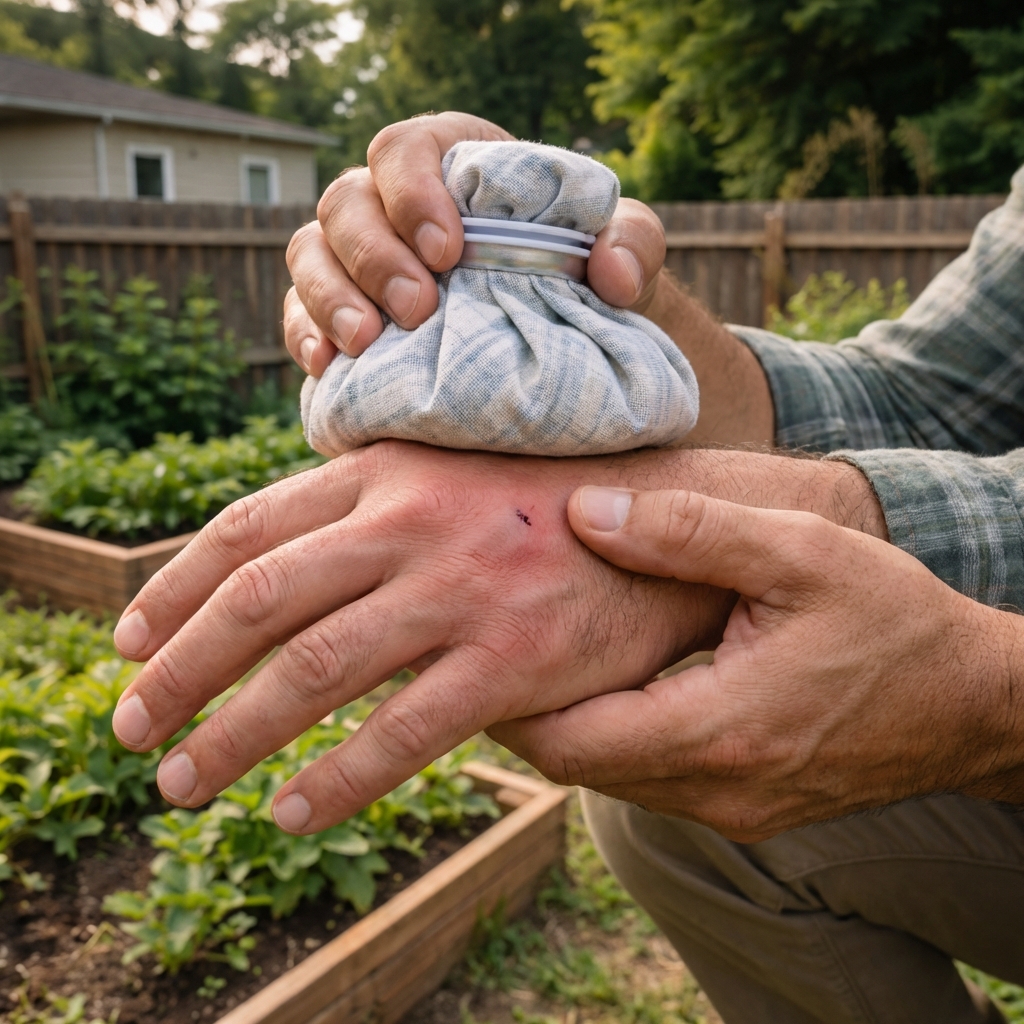
First: make sure it is safe
Before you focus on the sting itself, get to a safe spot. If a bee or wasp is still around, calmly move away. If you were stung while gardening, step away from flowering plants and any area where insects are actively foraging.
If you have any signs of a severe allergic reaction like trouble breathing, swelling of the lips or tongue, widespread hives, dizziness, or vomiting, skip home care and call emergency services. If you have an epinephrine auto-injector, use it right away as directed.
Even if symptoms start mild, get help immediately if they are progressing or spreading beyond the sting site. Severe reactions usually happen within minutes, but they can rarely evolve over a few hours.
Do this in the first 2 minutes
Most local reactions are self-limited, and quick first aid can make the next few hours much easier.
1) Remove the stinger quickly (if it is a honeybee)
Honeybees often leave a stinger behind. If it stays in the skin, it can continue releasing venom briefly, so speed matters.
- Scrape it out with a fingernail, credit card edge, gauze, or the dull side of a knife.
- If tweezers are what you have, that is usually fine. The key is removing it quickly. Try not to squeeze the venom sac if you can.
2) Wash the area
Use soap and water. This helps keep the area clean and can reduce infection risk if the skin breaks later (often from scratching) or if the sting happened around soil, mulch, or compost.
3) Take off tight items
Remove rings, watches, or tight bracelets if the sting is on a hand or wrist. Swelling can make them hard to remove later.
4) Know what stung you (if you can)
Honeybees usually sting once and leave a stinger. Wasps and hornets typically do not leave a stinger behind and can sting more than once. The first aid steps are the same either way.
Best at-home care to reduce swelling
For many people, swelling and redness improve over 1 to 3 days. A mild sting may feel noticeably better within a few hours, but it is normal for some swelling and itch to linger.
Cold compress (the simplest and often the best)
Cold reduces inflammation and numbs pain and itching.
- Apply a cold pack or a bag of ice wrapped in a thin towel for 10 minutes on, then 10 minutes off.
- Repeat for the first hour, then as needed.
Elevation
If the sting is on an arm, hand, leg, or foot, keep it elevated above heart level when possible. This can noticeably reduce swelling.
Pain relief (if you need it)
If the sting is painful, over-the-counter pain relievers can help.
- Ibuprofen or naproxen can reduce pain and inflammation.
- Acetaminophen can help with pain.
Follow the label directions and avoid NSAIDs if you have been told not to take them (for example, due to certain ulcers, kidney disease, blood thinners, or pregnancy).
Hydrocortisone cream or calamine (for itching and inflammation)
If you have these on hand, a thin layer can help calm itching and redness. Follow label directions.
Oral antihistamine (for itching and larger local reactions)
For itching, hives near the sting, or bigger swelling, an over-the-counter antihistamine can help. Some cause drowsiness, which matters if you are driving or using tools.
Baking soda paste (may soothe for some people)
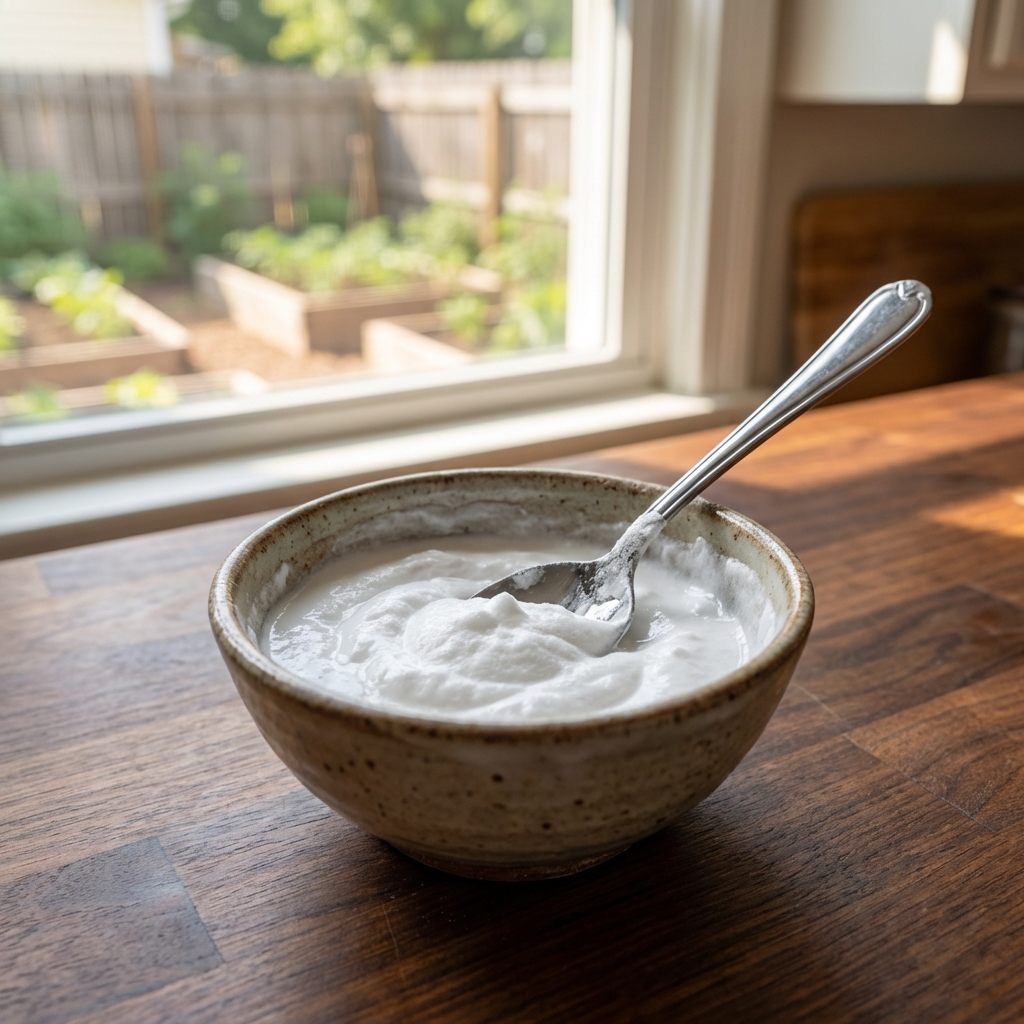
Mix baking soda with a little water to make a thick paste. Apply to the sting for 10 to 15 minutes, then rinse. Some people find it helps with itch and irritation, especially soon after the sting, but research support is limited.
Colloidal oatmeal soak (helpful for sensitive skin)
If you have widespread itchiness or sensitive skin, a lukewarm bath with colloidal oatmeal can be soothing. Keep water cool to lukewarm since hot water can worsen itching.
Honey (optional, use clean honey and keep it clean)
Some people use honey as a soothing topical option. If you try it, use a small amount of clean honey and keep the area clean and covered if needed. Avoid using it on large open wounds, and skip it if you are likely to get dirt on the site (for example, while gardening). Evidence for sting relief is mixed, so consider it optional rather than a go-to.
What not to do
- Do not scratch. Scratching increases swelling and raises the risk of a secondary skin infection.
- Avoid heat early on. Hot compresses and hot showers can intensify itching for many people.
- Skip harsh chemicals. Avoid applying bleach, ammonia, gasoline, or other irritating products.
- Do not ignore tight jewelry. Swelling can become a problem fast on fingers.
How long does swelling last?
For most people, swelling and redness improve over 1 to 3 days.
A large local reaction can look dramatic, with swelling spreading several inches from the sting site. That can peak around 24 to 48 hours and take up to a week to settle. It is uncomfortable but does not necessarily mean you will have anaphylaxis in the future. Still, monitor symptoms closely and check in with a clinician if it is worsening instead of improving.
Seasonal tips for avoiding stings
Spring
- Watch for early-season bees around fruit tree blossoms and flowering weeds.
- Move slowly when weeding near blooms. Many stings happen from accidental contact.
Summer
- Wear closed-toe shoes when mowing or trimming. Ground nests and hidden insects are a common surprise.
- Avoid strong fragrances and floral-scented lotions when working around flowers.
- Keep a cold pack and an antihistamine in your home first-aid spot so you are not hunting for supplies.
Fall
- Wasps can get more aggressive as food sources drop off. Be cautious near fallen fruit, compost bins, and outdoor trash.
- Check under eaves, sheds, and rails for nests before doing end-of-season cleanup.
Winter
- Use winter as prep time: restock your first-aid kit and learn where stinging insects nest around your yard.
When to get medical help
Seek urgent care or emergency help if any of the following happen:
- Trouble breathing, wheezing, chest tightness, or throat tightness
- Swelling of the face, lips, tongue, or throat
- Fainting, dizziness, confusion, or a rapid weak pulse
- Widespread hives or rash far from the sting site
- Repeated vomiting or severe stomach cramps
- Stings inside the mouth or throat
- Multiple stings, especially in children, older adults, or anyone with heart or lung conditions (a high number of stings can be toxic and needs medical guidance)
Also contact a healthcare professional if:
- Redness is spreading quickly, the area becomes very warm and painful, or you see pus
- You develop fever
- Swelling keeps worsening after 48 hours
- You were stung near the eye or your vision feels affected
If there is significant skin injury or you are not sure about your tetanus vaccine status, consider asking a clinician whether you are due for a booster.
A simple step-by-step plan
Move away from the area.
Remove the stinger quickly if present.
Wash with soap and water.
Cold compress 10 minutes on, 10 minutes off.
Elevate the limb if you can.
Use itch control like hydrocortisone or an antihistamine if needed.
Use pain relief if needed and safe for you.
Monitor for severe allergy symptoms for the next hour and seek help if symptoms progress.
Quick FAQ
Does vinegar reduce swelling from a bee sting?
Some people use diluted vinegar for insect stings, but results are mixed and it can irritate sensitive skin. If you try it, test a small amount and stop if it stings or worsens redness. Cold compresses and antihistamines tend to be more reliably helpful.
What if I do not see a stinger?
Many stinging insects do not leave a stinger behind. Still wash the area, use cold, and treat symptoms the same way.
Why does the sting itch more at night?
Itch can feel worse when you are warm, under blankets, or simply paying more attention to it. Cool compresses and an appropriate antihistamine can help you sleep.
Garden first aid checklist
If you garden often, it helps to keep a few basics ready:
- Instant cold pack or a small gel pack in the freezer
- Soap and clean water access
- Hydrocortisone cream or calamine
- Oral antihistamine
- Tweezers (useful for splinters and thorns)
- Bandages and antiseptic wipes

Jose Brito
I’m Jose Britto, the writer behind The Country Store Farm Website. I share practical, down-to-earth gardening advice for home growers—whether you’re starting your first raised bed, troubleshooting pests, improving soil, or figuring out what to plant next. My focus is simple: clear tips you can actually use, realistic expectations, and methods that work in real backyards (not just in perfect conditions). If you like straightforward guidance and learning as you go, you’re in the right place.