Mosquito control is one of those garden chores that feels never-ending until you approach it like a system. Mosquitoes need water to reproduce, shade to rest, and carbon dioxide to find you. When you cut off their needs in your yard, you stop fighting a losing battle with random sprays.
This guide walks you through the steps that make the biggest difference, starting with the fastest wins and moving into longer-term fixes. Pick what fits your space and budget and stack a few methods together for the best results.

Know your enemy
Most backyard mosquitoes are born right on your property or next door. The most common culprit is standing water. In warm weather, some species can go from egg to biting adult in as little as 7 to 10 days, sometimes longer depending on temperature and species.
Common mosquito hotspots
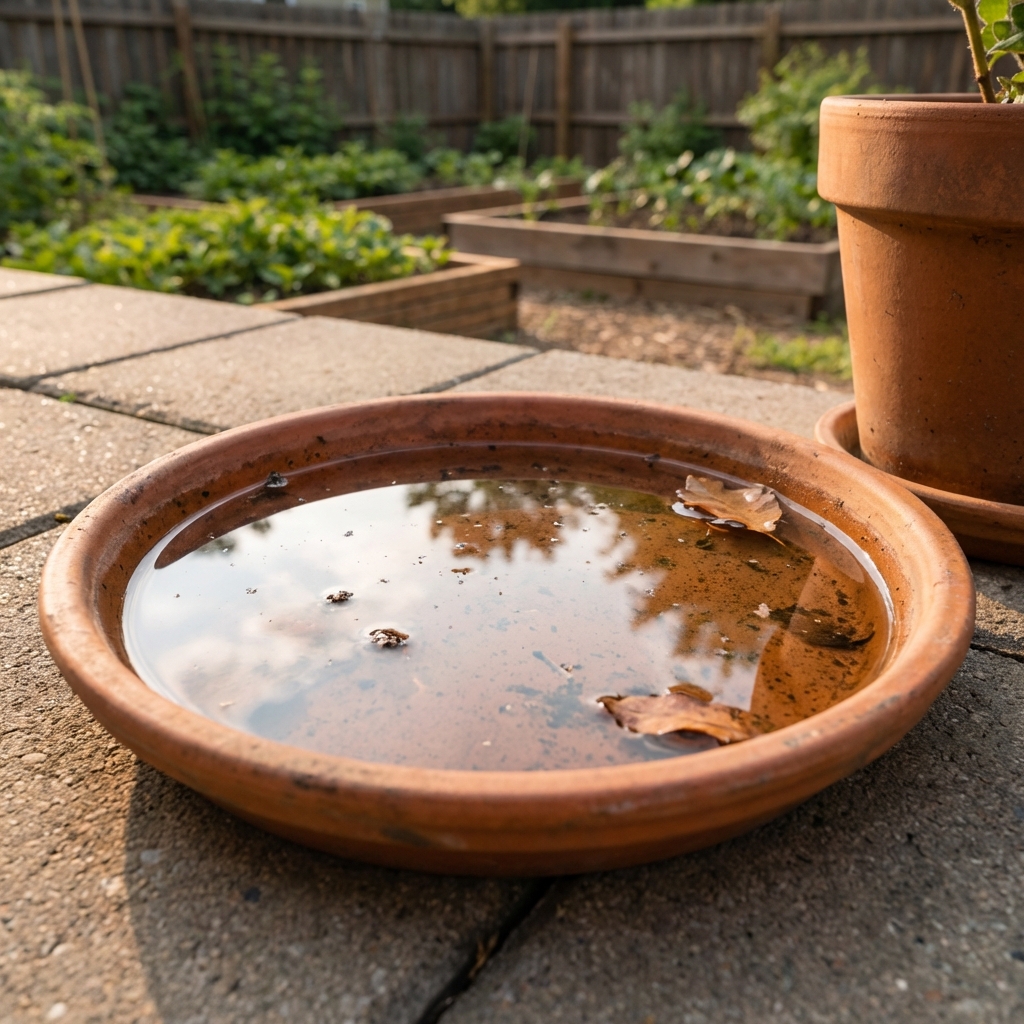
- Plant saucers under pots
- Birdbaths and fountain basins
- Clogged gutters and downspout extensions (corrugations and low ends can trap water)
- Kids’ toys, wheelbarrows, tarps, and bucket lids that hold rain
- Old tires or compost lids that puddle
- Low spots in the lawn that stay soggy
- Rain barrels without tight screens
If you do only one thing from this entire page, do a water check once a week. It is the simplest and most effective way to reduce mosquitoes.
Fast results: 30-minute reset
When mosquitoes are bad, you want relief today, not next month. This quick reset helps immediately and sets you up for longer-term control. If mosquitoes are breeding in a nearby yard or unmanaged area, you may still see activity, but this will cut a lot of the pressure coming from your space.
1) Dump, scrub, refill
Empty anything that can hold water. For birdbaths and pet bowls, do not just dump and refill. Give it a quick scrub first. Mosquito eggs can stick to the sides near the waterline.
2) Refresh birdbaths every 2 to 3 days
Even better, add a small bubbler or fountain pump. Mosquitoes prefer still water, and agitation makes it harder for larvae to survive and develop.
3) Walk the hidden water loop
Check behind the shed, under decks, and in the corner where you stash pots. A single forgotten bucket can produce a lot of mosquitoes.
4) Aim for airflow where you sit
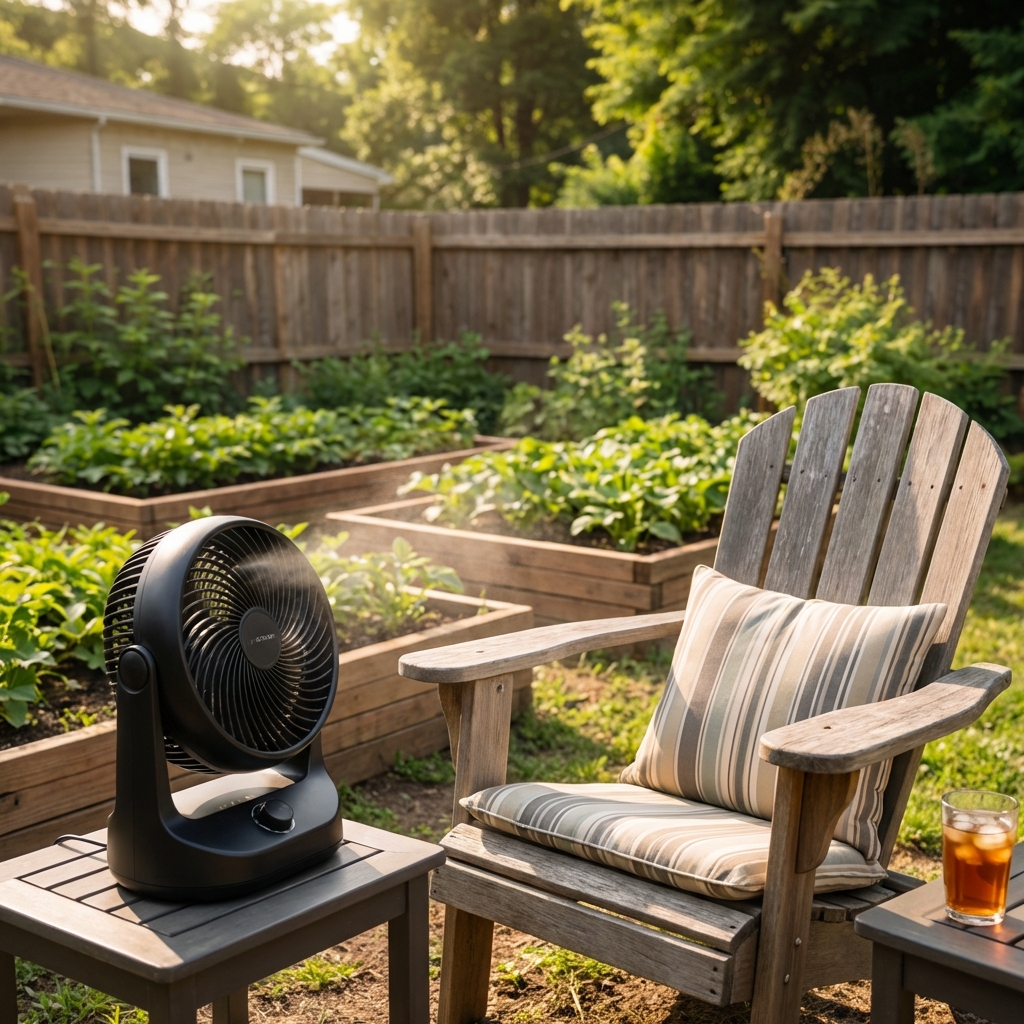
If you garden or relax in one main spot, set up a box fan or outdoor-rated fan. Mosquitoes are weak flyers. A steady breeze can reduce landings dramatically.
Long-term fixes
Fix standing water at the source
- Fill low spots in lawn or pathways with topsoil and reseed, or create a slight slope to drain.
- Clean gutters and make sure downspouts drain away from the house and sitting areas.
- Screen rain barrels with fine mesh and keep lids tight.
- Store containers upside down, especially in rainy seasons.
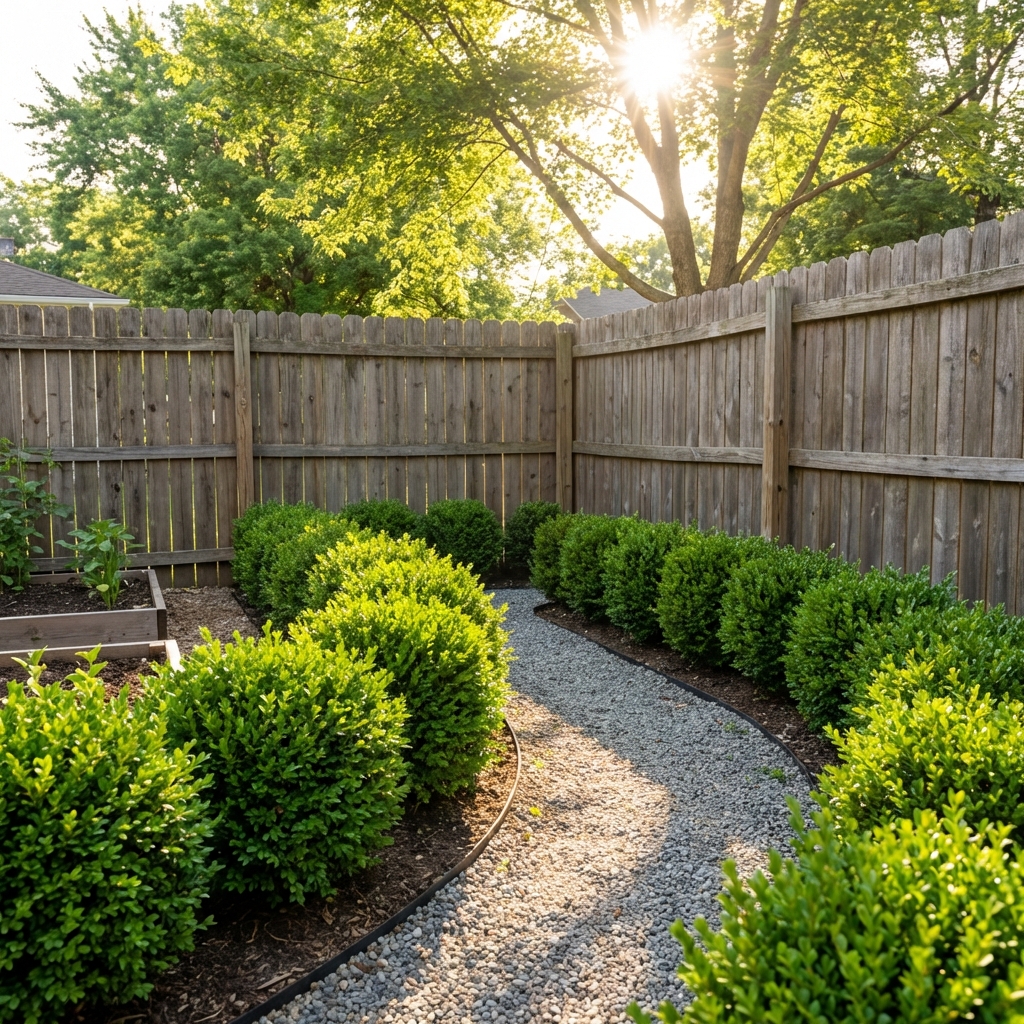
Prune for light and airflow
Mosquitoes rest in shady, humid areas. You do not need to strip your garden bare. Just open up dense corners:
- Thin overgrown shrubs near patios and doors
- Keep grass trimmed around seating areas
- Stake or trellis vining plants to reduce ground-level shade pockets
Water smarter
Overwatering does not just hurt plants. It also creates damp, protected zones mosquitoes like.
- Water early in the morning so surfaces dry faster
- Fix leaky hoses, spigots, and drip lines
- Use mulch, but avoid keeping it constantly soggy
Do repelling plants work?
Here is the honest version: most mosquito repellent plants do not create a strong enough cloud of scent to protect you just by sitting in the ground. You typically need to crush the leaves or use the essential oil to get noticeable repellent action.
That said, plants can still help as part of a bigger plan. They can be useful near seating areas, and many are great culinary herbs anyway.
Plants worth growing
- Lemongrass (source of citronella compounds, loves heat)
- Basil (especially near doors and patios, also great for cooking)
- Rosemary (tough, drought-tolerant once established)
- Mint (grow in pots or it will take over)
- Lavender (likes sun and well-drained soil)
Better than plant and pray
Put fragrant herbs in pots right where you sit, not across the yard. Brush them while you work, harvest them often, and consider using them as part of a DIY rub or bouquet you keep on the table.

Backyard-safe treatments
When mosquito pressure is high, you may need something that targets larvae or reduces adults around your main hangout area. The key is choosing treatments that fit your garden and using them correctly.
BTI dunks or granules (larvae)
BTI (Bacillus thuringiensis israelensis) is a biological larvicide used to control mosquito larvae in water. It is not a spray-everything product. You put it in water that cannot be dumped, like:
- Rain barrels (screened), water features, and other containers that hold water
- Ponds or pond edges only if you are treating a known mosquito breeding area, and only as the label directs
- Tree holes or other spots where water reliably stands for several days
Follow the label for timing and reapplication. It works best when you stay consistent through peak season. Used as directed, BTI is commonly considered compatible with ponds and wildlife, but always use it exactly as labeled.
Fans, screens, timing (adult control without chemicals)
- Fans: one of the most underrated mosquito tools.
- Screened gazebo or pop-up canopy: great for evening garden hangs.
- Timing helps, but do not rely on it: many mosquitoes are most active around dawn and dusk, but some common backyard types (including day-biters like Aedes) will bite in broad daylight.
Traps: helpful, but manage expectations
CO2 or lure-based traps can reduce local populations, especially in larger yards. But they are not instant, and placement matters. Keep traps away from where people sit so you are not drawing mosquitoes toward you.
A note on yard sprays and foggers
It is tempting to reach for a yard fogger. Broad, frequent spraying can also hit beneficial insects, including pollinators. If you choose any insecticide, pick a targeted option, follow the label exactly, and avoid treating blooms and times when pollinators are most active.
Repellents that work
For personal protection, you want products that have solid evidence behind them and are used according to the label.
Most effective active ingredients
- DEET: long track record, strong protection.
- Picaridin: effective and often preferred for feel and odor.
- IR3535: commonly used in some lotions and sprays.
- Oil of lemon eucalyptus (OLE): effective for many adults, but not recommended for children under 3 (follow product guidance).
Application tips gardeners overlook
- Apply to exposed skin and clothing as directed, not just ankles or wrists.
- Reapply after heavy sweating or watering sessions.
- Wash treated skin after you come indoors.
- For kids, follow label instructions carefully and avoid hands, eyes, and mouth areas.
Clothing strategy
- Wear long sleeves and pants when mosquitoes are intense.
- Consider permethrin-treated clothing for high-bite areas. Permethrin is for clothing and gear, not skin. Follow the label closely and keep it away from cats while wet.
What about natural sprays?
Some essential oil blends can help for short windows, but they usually require more frequent reapplication. If you go this route, treat them like a short-duration tool for quick tasks, not an all-evening solution.
Make your garden less inviting
Lighting
Mosquitoes are driven more by CO2, body heat, and scent than by light. That said, very bright porch lights can pull more insects toward your doors and seating areas, which makes the whole space feel buggier. If bugs swarm your porch light, switch to warm or yellow-toned LEDs and aim bright lights away from where people sit.
Seating location
Set your favorite chair where you get a little breeze and more sun. Shaded corners near dense shrubs are mosquito magnets.
Encourage natural predators (as a bonus)
Birds, bats, dragonflies, and some fish species can help, but they will not solve a heavy mosquito problem alone. Think of predators as a bonus, not your primary strategy.
Mosquito checklist
If you want a simple routine that keeps the problem from creeping back, this is it.
Weekly (10 minutes)
- Dump standing water and scrub birdbaths
- Check pot saucers and trays
- Walk fence lines and storage areas for hidden containers
Monthly (30 minutes)
- Clear gutters and check downspouts
- Trim dense shrubs near doors and patios
- Inspect irrigation for leaks and soggy zones
Before an outdoor get-together
- Run a fan where people will sit
- Move seating into a breezier, sunnier spot
- Have a proven repellent available and apply before you head out
Common myths
Myth: Citronella candles solve it
They can help a little in still air at close range, but they are not a yard-wide solution. Use them as an add-on, not the main plan.
Myth: Bug zappers reduce mosquitoes
Most zappers kill lots of beneficial insects and relatively few mosquitoes. Not a great trade for a garden.
Myth: One spray fixes everything
Mosquitoes rebound quickly if water sources remain. Source control plus personal protection is where the real results come from.
When to call a pro
If you have done the water sweep, improved drainage, and you are still getting swarmed, it may be time for professional help. Consider a local mosquito control service when:
- Your property borders wetlands, drainage ditches, or unmanaged water
- Neighbors have chronic standing water you cannot address
- You have persistent mosquitoes even in open, breezy areas
Ask what methods they use, how often they treat, and how they handle pollinator safety. A good provider should be able to explain timing and targeted application clearly.
Bottom line
You do not need a perfect yard to reduce mosquitoes. You need consistency with water control, a little pruning for airflow, and a reliable personal repellent for peak times. Stack a few of these steps together and you will notice a real difference, often within a week, depending on weather and nearby breeding sites.
If you want the biggest payoff, start with this order: dump standing water, add airflow, treat unavoidable water with BTI, and use a proven repellent when you are outside.

Jose Brito
I’m Jose Britto, the writer behind The Country Store Farm Website. I share practical, down-to-earth gardening advice for home growers—whether you’re starting your first raised bed, troubleshooting pests, improving soil, or figuring out what to plant next. My focus is simple: clear tips you can actually use, realistic expectations, and methods that work in real backyards (not just in perfect conditions). If you like straightforward guidance and learning as you go, you’re in the right place.