If you wake up to your lawn looking like someone took a small rototiller to it, raccoons are a top suspect. The good news is you usually do not have to fight raccoons directly. You win by removing the reason they are digging and making your yard more hassle than it is worth.
Quick safety and legal note: Do not handle raccoons or attempt DIY trapping unless you know local rules. Wildlife laws vary, and many products or methods are illegal or unsafe if they are not specifically labeled for the use. If you find droppings (especially a latrine site), avoid direct contact.
Below are straightforward steps that work in real backyards, including what to do tonight, what to change this week, and how to repair the damage so your lawn bounces back.
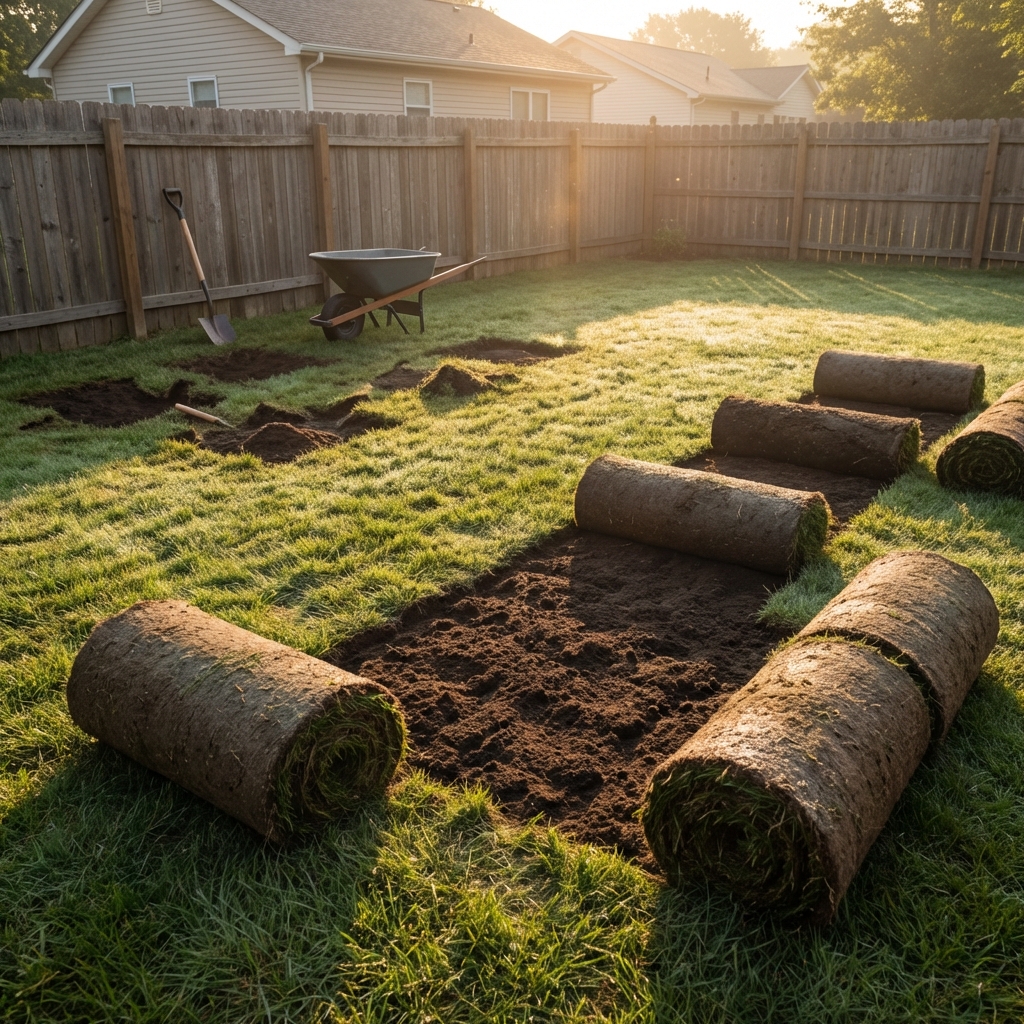
Why raccoons dig up lawns
Raccoons are not digging to be destructive. They are hunting. Most lawn damage happens when they smell easy food right under the surface.
- Grubs (scarab beetle larvae) are the number one reason. Raccoons peel back sod like a flap to get to them.
- Earthworms can attract raccoons, especially in moist lawns after watering or rain. That said, worms are more likely to cause general foraging than the classic “rolled-back carpet” look, which is usually grub-related.
- Other lawn pests like cutworms, billbugs, and other larvae can be part of the menu.
- Food sources in the yard such as fallen fruit, compost, pet food, bird seed, or overflowing trash make your property a regular stop.
Translation: if you fix the food situation, the digging usually slows down fast.
Seasonal note: Damage often spikes in late summer and fall when grubs are larger and animals are feeding hard before winter, but it can happen anytime conditions are right.
Confirm it is raccoons
Different animals dig differently. It matters because the best fix depends on the cause and the critter.
Signs it is raccoons
- Large areas of turf rolled back, like someone pulled up carpet.
- Damage overnight, often showing up in the morning.
- Tracks that look like small human hands. Both front and hind feet usually show 5 toes, with the front often looking especially “hand-like.”
- Droppings in a consistent spot. Raccoons sometimes use communal latrines, often on flat surfaces like wood piles, decks, roofs, or near fence lines.
Signs it might be skunks instead
- Small cone-shaped holes, 1 to 3 inches across, like little divots all over.
- Less sod flipping, more “poking” for grubs.
Quick check
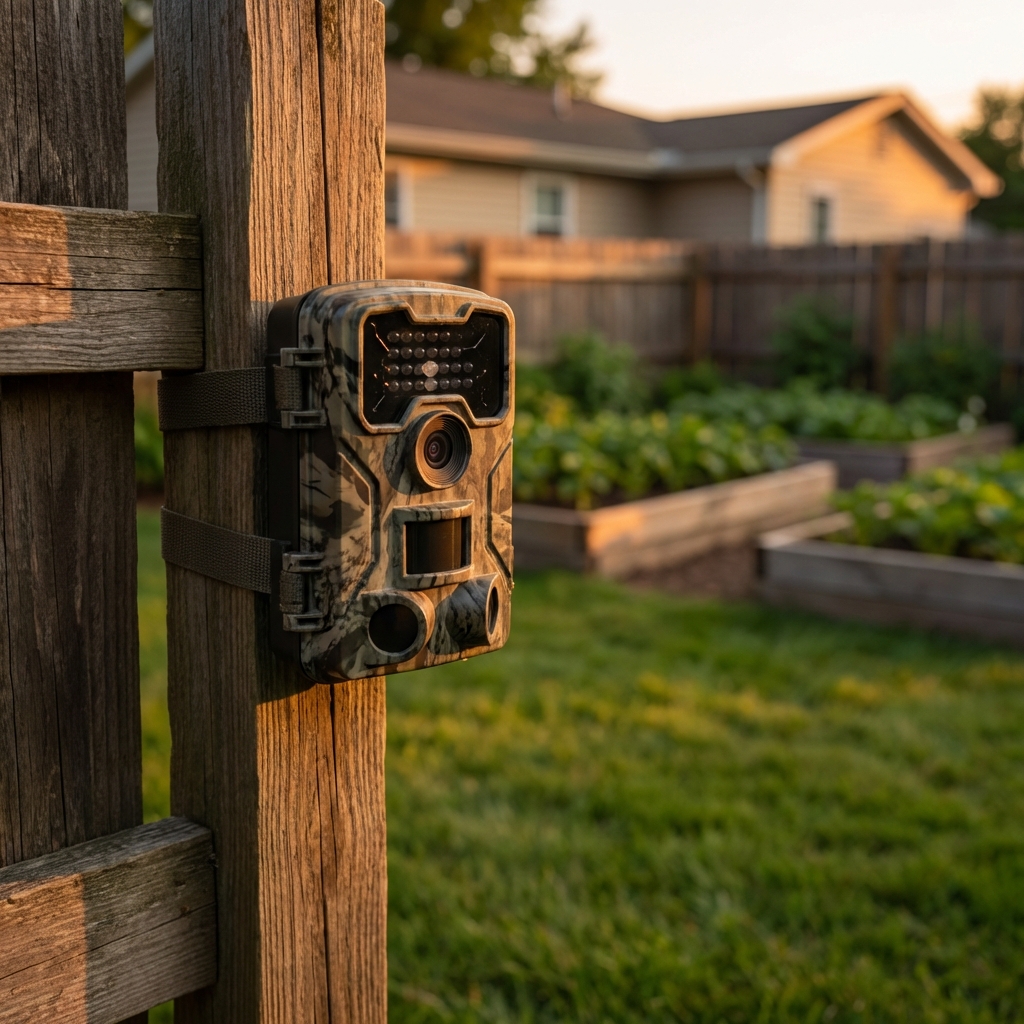
Set a motion-activated light or camera facing the damaged area for 1 to 2 nights. Knowing for sure saves you time and money.
Do this tonight
If the lawn is getting hit nightly, start with quick steps that reduce repeat visits. These are not magic, but they often buy you time while you handle the root cause.
1) Remove easy food
- Bring pet food and water bowls inside before dusk.
- Lock trash in a garage or use a tight lid with a bungee strap.
- Pause bird feeding for a week or switch to a raccoon-resistant feeder setup.
- Pick up fallen fruit and clean up under fruit trees.
2) Use light and water strategically
Raccoons prefer dark, quiet yards. Motion lighting helps, especially near the area being dug. Motion sprinklers are even better because they add a harmless surprise.
- Motion-activated sprinklers work best when aimed at the approach path, not just the damaged spot.
- Motion lights help most when combined with other changes. Raccoons can get used to light alone.
3) Temporary cover to stop fresh digging
If they already started peeling sod, cover the area for a few nights so they cannot keep harvesting.
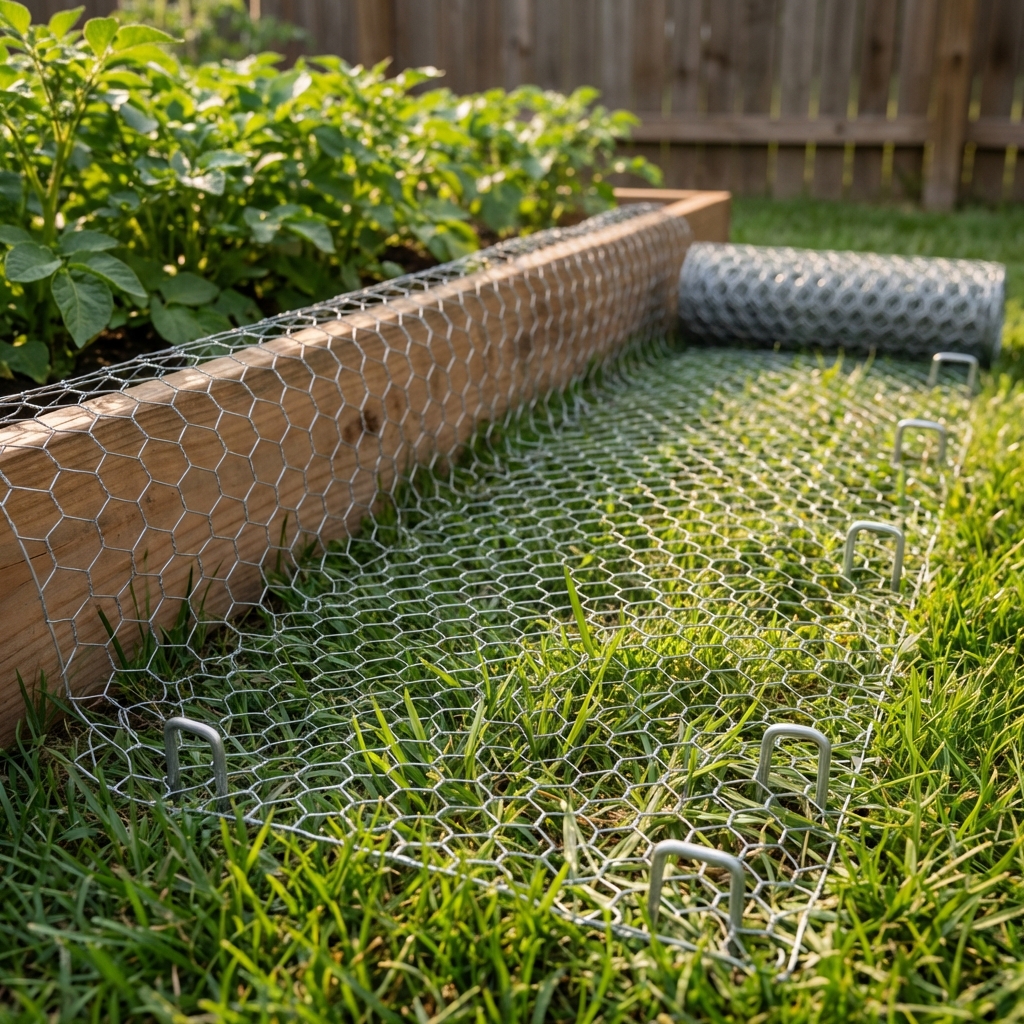
- Lay down chicken wire or hardware cloth flat on the lawn and stake it with landscape staples.
- Alternatively, place heavy boards or weighted tarps over the worst areas overnight.
This is a simple move that often stops the “same spot” obsession.
The real fix: treat grubs
If raccoons are digging for grubs, you can chase raccoons forever and still lose. Solve the buffet.
How to check for grubs
Pick one of the damaged spots and cut a square of sod about 12 inches by 12 inches. Peel it back and look in the top 1 to 3 inches of soil.
- If you see more than 5 to 10 grubs per square foot, that is an often-cited threshold where damage and animal digging become more likely.
- Real thresholds vary by grub species (for example, Japanese beetle vs. masked chafer), turf type, soil, and region. If you are on the fence, your local extension office is the best tie-breaker.
Grub control options (simple and effective)
Timing matters more than people think.
- Preventive control: Products with chlorantraniliprole are commonly used as preventives. They work best when applied before young grubs get big.
- Curative control: Products with trichlorfon are often used for active infestations, but they are more time-sensitive and label-specific. Availability and restrictions vary by location, and safety and environmental precautions matter. Follow the label and local rules carefully.
- Biological option: Beneficial nematodes (like Heterorhabditis bacteriophora) can help when applied correctly to moist soil and protected from sun. They are not instant, but they are a solid lower-impact route.
Watering note: Many grub treatments require watering in to move the product into the root zone where grubs feed. If you skip that step, results are often disappointing.
If you are unsure what to use in your area, your local extension office or a reputable garden center can help match timing to your region and lawn type.
If you do not have grubs
If your inspection shows few or no grubs, do not panic. Raccoons may be after worms in wet turf, spilled bird seed, compost, or other easy calories. In that case, focus on making the yard less rewarding.
- Dial back nighttime watering. If you irrigate, water early morning so the lawn is not soaked overnight.
- Clean up attractants daily for a week: fallen fruit, open compost, grill drippings, and bird seed under feeders.
- Block access at the usual entry points (gaps under gates, loose fence boards).
- Keep using temporary covers (hardware cloth or chicken wire) on the favorite digging areas until they break the habit.
Barriers that work
Raccoons are smart and persistent. A good barrier does two things: it blocks access and it removes the “easy win” feeling.
Protect small areas with hardware cloth
For small lawns, newly seeded areas, or specific trouble spots, hardware cloth is one of the most reliable fixes.
- Use 1/2-inch hardware cloth.
- Lay it flat and secure it with staples, or bury edges 2 to 4 inches to prevent lifting.
- Remove after the grub issue is resolved and the lawn is rooted again.
Fence upgrades for repeat offenders
If raccoons are entering from a consistent route, a fence upgrade can help.
- Repair gaps under fences and gates.
- Add an L-shaped apron of hardware cloth at the base (buried a few inches and extending outward) in problem corners.
- In high-pressure areas, a properly installed electric fence (where legal) can be very effective. It is often used around gardens, coops, and ponds.
Focus on the entry point first. Blocking one or two “highways” into the yard can make a big difference.
Repellents: what helps
Repellents can help, but they work best as part of a plan, not as the entire plan.
Repellents that can help short-term
- Motion sprinklers are one of the best deterrents because they do not rely on smell and do not wash away like many sprays.
- Commercial repellents labeled for raccoons can help if you reapply after rain and mowing. Follow label directions and keep them off edible plants unless the label says otherwise.
Common ideas that usually disappoint
- Mothballs: not recommended. They are a pesticide and can be hazardous to pets, kids, and wildlife when used outdoors.
- Homemade pepper sprays: they wash off, can irritate you more than the raccoon, and can damage plants.
- Ultrasonic devices: mixed results at best in real yards, especially once animals acclimate.
If you use any scent-based repellent, treat it like a temporary tool while you remove food and address grubs.
Fixing the lawn after damage
Once digging stops, repair quickly. Loose sod dries out fast, and that turns a nuisance into a dead patch.
Step-by-step lawn repair
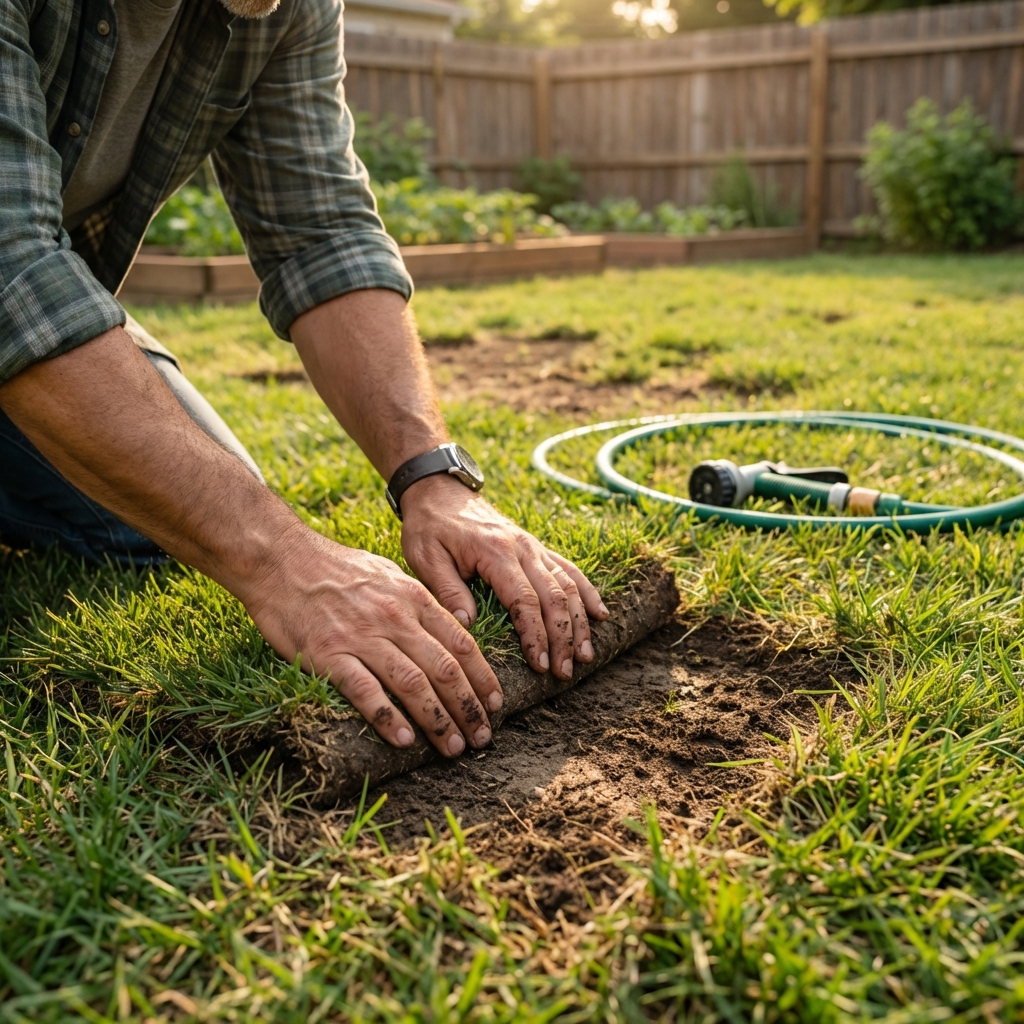
- Lift and clean: Pull back torn sod gently and remove rocks or clods underneath.
- Loosen soil: Lightly rake or loosen the soil surface to help roots reconnect.
- Press sod back down: Fit pieces like a puzzle and press firmly with your hands or the back of a rake.
- Topdress: Add a thin layer of compost or screened topsoil to fill gaps.
- Water: Keep the area evenly moist for 1 to 2 weeks.
- Overseed if needed: If chunks are missing, add grass seed matched to your lawn type and cover lightly with soil.
Tip: If raccoons keep returning, pin chicken wire over the repaired area at night until the soil firms up again.
Long-term prevention
Raccoon control is mostly yard management. When your property stops being rewarding, they move on.
- Keep the lawn healthy: Thick turf tolerates some insect activity and is less likely to get grub outbreaks.
- Water smart: Avoid overwatering at night. Moist lawns can increase worm activity and nighttime foraging.
- Clean up routinely: Fallen fruit, open compost, and accessible trash are invitations.
- Secure crawl spaces and sheds: If raccoons are denning nearby, you will see repeat visits. Close off access points legally and humanely, and only after you are sure no animals are inside.
When to call a pro
If you are seeing raccoons nightly, finding a latrine area, or suspect they are living on your property, it can be worth calling a licensed wildlife control operator. Pros can help with exclusion work, den removal, and local rules. In many places, relocation is restricted, so “trap and move” is not always an option.
If you have pets or kids, take droppings seriously. Raccoon latrines can carry parasites such as raccoon roundworm (Baylisascaris). Avoid stirring up dust, keep children and pets away, and consider professional cleanup for heavy latrine sites.
Quick plan
- Tonight: remove food sources, set up motion light or sprinkler, cover damaged areas with chicken wire.
- This week: confirm grubs, treat if needed, block entry points.
- Next 2 weeks: repair sod, keep it moist, keep deterrents active until digging stops completely.
If you want, tell me what your lawn damage looks like and your general region. I can help you narrow down whether you are dealing with grubs, worms, or a different nighttime visitor.

Jose Brito
I’m Jose Britto, the writer behind The Country Store Farm Website. I share practical, down-to-earth gardening advice for home growers—whether you’re starting your first raised bed, troubleshooting pests, improving soil, or figuring out what to plant next. My focus is simple: clear tips you can actually use, realistic expectations, and methods that work in real backyards (not just in perfect conditions). If you like straightforward guidance and learning as you go, you’re in the right place.