Bed bugs are one of those problems you want to catch early. The tricky part is they are small, great at hiding, and a lot of other issues can look similar at first glance. The good news is you do not need special tools to do a solid first check. You just need to know what evidence matters and where to look.
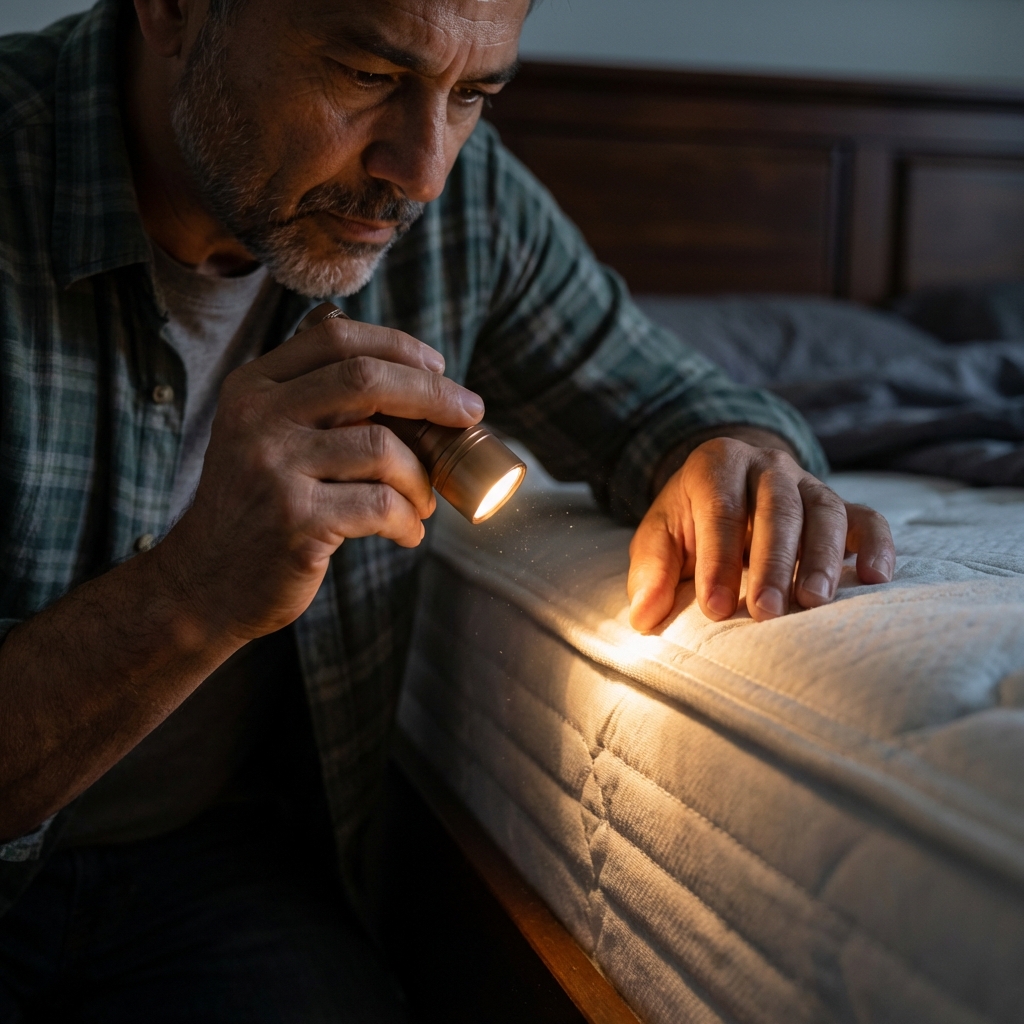
First, what bed bugs look like
Knowing the basics helps you avoid false alarms.
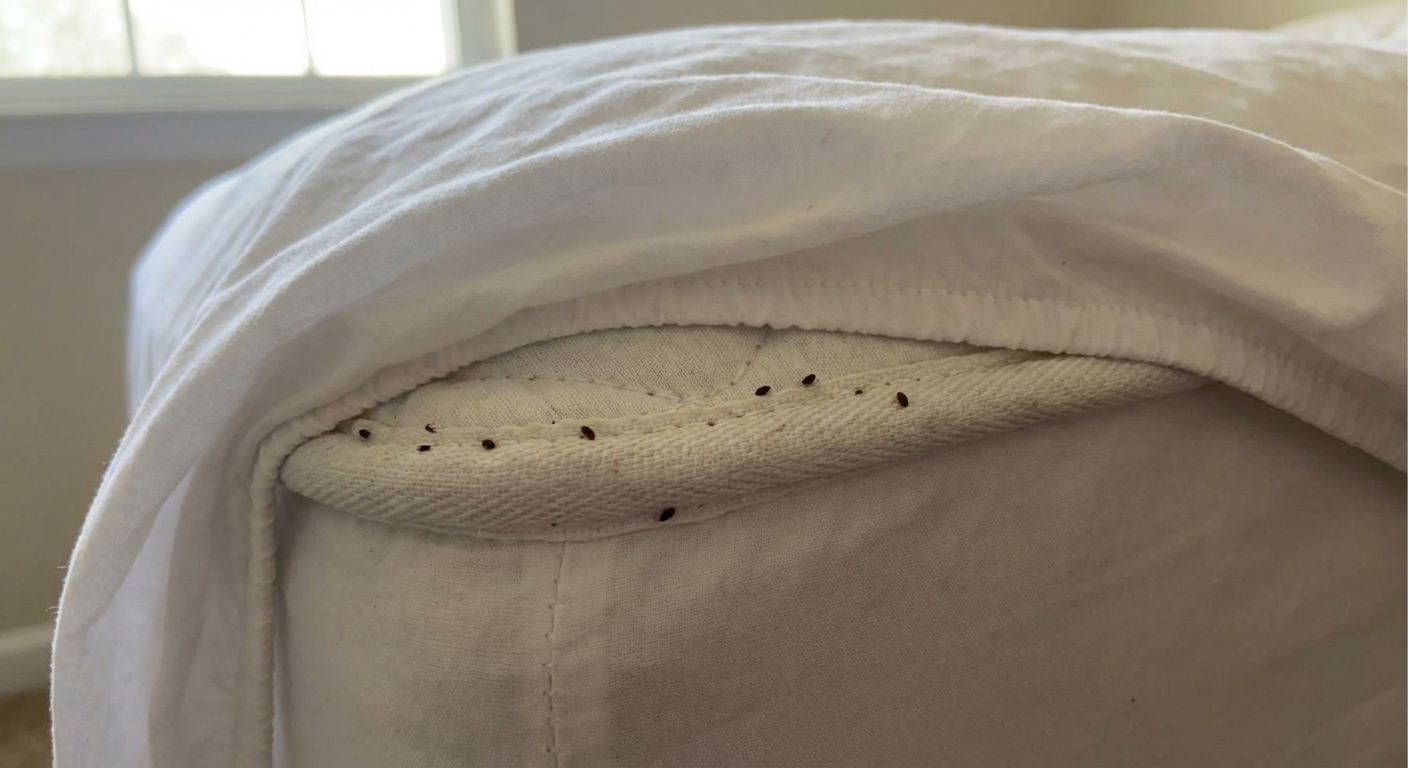
- Adult bed bugs: Roughly 4 to 7 mm long (about the size of an apple seed), flat, oval, reddish-brown. After feeding they look more swollen and darker.
- Nymphs (young bed bugs): Smaller, paler, and harder to see. After a blood meal they can look reddish.
- Eggs: Tiny, white, and about 1 mm long (more like a rice-grain tip than a pinhead), often tucked into cracks and seams.
If you only remember one thing, remember this: most people find signs of bed bugs before they find a live one.
Quick signs you might have bed bugs
1) Small dark spots on sheets or mattress seams
These can look like pepper specks or ink dots. Bed bug droppings often soak into fabric and can smear a bit if you wipe with a damp cotton swab.
2) Rusty or reddish stains on bedding
These can be from crushed bugs or small blood spots after feeding. A few random spots are not proof by themselves, but they are a strong reason to inspect more closely.
3) Shed skins
As bed bugs grow, they molt. You might see pale, papery shells near seams, edges, or tucked areas of the bed frame.
4) A musty odor in heavier infestations
Some people describe it as musty, sweet, or even coriander-like. This is not reliable for early infestations, but if the room smells unusual plus you have other signs, take it seriously.
5) Bites that appear after sleeping
Bites are common, but they are not a sure diagnosis. People react differently, and other insects can cause similar marks. Use bites as a clue, not the final answer.
Bed bug bites: what is typical
Many articles oversell “perfect” bite patterns. Real life is messier. Here are patterns that can happen with bed bugs, but none are guaranteed.
- Clusters or lines: Sometimes bites show up in a row or a tight cluster, often on exposed skin.
- Common areas: Arms, shoulders, neck, hands, and lower legs.
- Timing: Bites may appear hours or even days after the feeding. Some people do not react at all.
Important: Do not assume you do not have bed bugs just because you are not getting bites. Also, do not assume you have bed bugs just because you are getting bites.
Where to look
Bed bugs like tight, protected spaces close to where people sleep. Start near the bed and work outward.
Mattress and bed frame
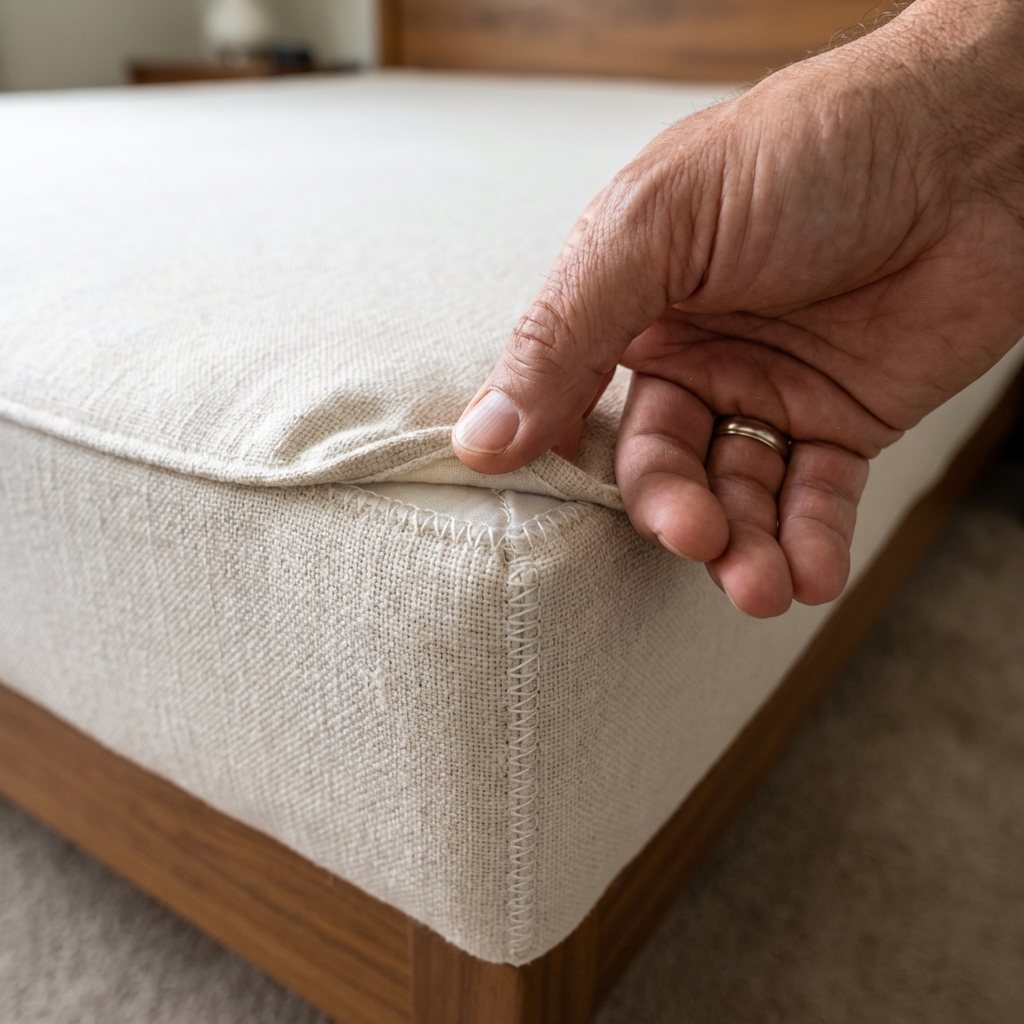
- Mattress piping and seams, especially at corners
- Under the mattress tag area and around stitching
- Box spring seams, stapled fabric edges, and inside the frame if accessible
- Headboard joints and mounting points
- Cracks and screw holes in the bed frame
Nearby bedroom spots
- Nightstand joints, drawer corners, and underneath
- Baseboards and carpet edges near the bed
- Behind picture frames, mirrors, and wall hangings close to the bed
- Curtain folds and the top seam near the rod
- Electrical outlets and switch plates (inspect around the cover only. Do not spray or probe inside. If you remove a cover, turn off power at the breaker first.)
If you are short on time, check in this order: mattress seams, box spring edges, headboard, and nightstand.
Quick 10-minute inspection
You do not need fancy equipment. A flashlight and something thin like an old credit card help you open seams and cracks.
- Strip the bed: Pull back sheets and look for dark specks or reddish stains around where you sleep.
- Inspect mattress seams: Use the flashlight at a low angle. Run the card along the seam to expose hiding spots.
- Check the box spring edge: Focus on stapled areas and corners.
- Look at the headboard: Especially where it meets the wall and where brackets attach.
- Nightstand check: Look inside drawer corners and underneath the unit.
Put anything you find (a bug, a shed skin) into a small sealed bag or container for identification. Try not to crush suspected bugs on fabric, which can create stains and makes ID harder. A clear photo helps if you plan to call a professional.
Bed bugs or something else?
Misidentification is common. Here are a few quick comparisons:
- Fleas: More common if you have pets. Fleas jump and often bite around ankles and lower legs. You may see “flea dirt” in pet bedding.
- Mosquitoes: Bites can be random and larger. You usually do not find dark fecal spots concentrated in mattress seams.
- Carpet beetles: Adults are small and mottled. Their larvae can cause skin irritation from hairs, but they do not leave the same ink-like fecal spotting on beds.
- Skin irritation or allergies: Rashes can look like bites but will not come with bed bug evidence in the sleeping area.
If you are unsure, the deciding factor is evidence near where you sleep: spots, shed skins, eggs, or a confirmed bug.
What to do if you find signs
Do this right away
- Reduce clutter: Fewer hiding places make treatment easier.
- Wash and dry on high heat: Bedding, pajamas, and nearby clothing. Heat from a hot dryer cycle is key.
- Bag items after drying: Use sealed bags or bins so clean items stay clean.
- Vacuum carefully: Mattress seams, bed frame cracks, baseboards. Empty the vacuum into a sealed bag and take it outside.
- Use a mattress encasement: A bed bug rated encasement can trap bugs inside and simplify monitoring.
- Set interceptors under bed legs: These can help confirm activity and reduce climbing when the bed is isolated (pulled slightly from the wall, and bedding not touching the floor).
- Isolate the bed: Pull the bed a few inches from the wall and remove “bridges” like blankets, skirts, or stored items touching the floor.
Avoid these common mistakes
- Do not move to another room to sleep: You can spread bugs to new areas.
- Do not drag infested bedding through the house: Bag it before moving it to the washer.
- Do not rely on foggers: Many “bug bombs” do not reach where bed bugs hide and can drive them into harder-to-treat hiding spots.
- Do not throw away the bed immediately: Unless it is badly infested and you can dispose of it properly, it often makes things harder and can spread bugs through the home.
One expectation to set: washing, vacuuming, encasements, and interceptors are great for reducing and monitoring activity, but they rarely eliminate an established infestation by themselves.
When to call a pro
DIY can work for very early detections, but bed bugs are persistent. Consider professional help if:
- You found live bugs, eggs, or multiple signs in more than one spot.
- Bites or evidence continue after you have washed, dried, vacuumed, and encased.
- You live in a multi-unit building (apartments, condos, dorms). Bed bugs can travel between units.
- Anyone in the home has health concerns that make repeated bites or pesticide exposure risky.
If you rent or live in a building with shared walls, notify your landlord or property manager early. Coordinated inspection and treatment matters.
When you call, ask what their plan includes: inspection method, number of visits, and what preparation they require. Bed bug work is often a process, not a one-and-done spray.
Simple prevention
- After travel: Unpack in a laundry area if possible, dry travel clothes on high heat, and inspect luggage seams.
- Secondhand furniture: Be extremely cautious with mattresses, upholstered chairs, and headboards. Inspect seams and underside before bringing items indoors.
- Reduce hiding spots: Keep the area around the bed less cluttered and seal obvious cracks in baseboards once you are confident there is no active issue.
FAQ
Can I see bed bugs with the naked eye?
Adults are visible, yes. Nymphs and eggs are much harder to spot. Most people notice stains, spots, or shed skins first.
Do bed bugs only live in beds?
No. Beds are a favorite because they are close to a food source, but they can also hide in furniture, baseboards, wall cracks, and items near where people rest.
If I found one bed bug, does that mean I have an infestation?
It is possible. One bug can mean a hitchhiker, but it can also mean there are more hiding. Treat it as a serious warning and do a thorough inspection.

Jose Brito
I’m Jose Britto, the writer behind The Country Store Farm Website. I share practical, down-to-earth gardening advice for home growers—whether you’re starting your first raised bed, troubleshooting pests, improving soil, or figuring out what to plant next. My focus is simple: clear tips you can actually use, realistic expectations, and methods that work in real backyards (not just in perfect conditions). If you like straightforward guidance and learning as you go, you’re in the right place.