Dust mites are one of those problems that can make a perfectly clean-looking home feel uncomfortable. The tricky part is you almost never see them. What you notice instead is the pattern: symptoms that flare up in certain rooms, at certain times, and especially around soft, cozy stuff like beds, pillows, and carpets.
This guide walks you through what dust mites are, how to tell if they are likely the culprit, and what you can do to reduce them without turning your house into a chemical zone.

What dust mites are (and why they bother you)
Dust mites are microscopic arachnids (relatives of ticks and spiders). Common household dust mites do not bite humans. The issue is their waste and body fragments, which become part of household dust and can trigger allergies and asthma.
They thrive where we shed skin cells and hold onto warmth and moisture, like:
- Mattresses and pillows
- Blankets, comforters, and upholstered furniture
- Carpets and rugs
- Stuffed animals and fabric storage bins
If you live in a humid area or keep indoor humidity high, dust mites tend to multiply faster.
Signs you might have a dust mite problem
You cannot confirm dust mites just by looking at a room. Instead, pay attention to symptoms and when they show up.
1) Symptoms are worse in bed or at night
A classic dust mite clue is feeling mostly fine during the day, then getting congested when you lie down. Common symptoms include sneezing, runny nose, postnasal drip, itchy eyes, and coughing that ramps up overnight.
2) Morning congestion that improves after you leave the bedroom
If you wake up stuffy and it fades within an hour or two, your bedding, mattress, or bedroom carpet may be the trigger.
3) Year-round “allergies” that do not match pollen season
Seasonal allergies tend to come and go. Dust mite issues often feel steady through the year, though some people notice worse symptoms during more humid months or when the home is closed up.
4) Flare-ups when cleaning, making the bed, or vacuuming
Shaking sheets, fluffing pillows, or vacuuming can kick dust into the air. If you sneeze or itch right after these chores, that is a useful clue.
5) Eczema or irritated skin that is worse after sleeping
Dust mite allergens can aggravate eczema and sensitive skin, especially if pillowcases and sheets are not washed frequently.
6) Asthma symptoms or wheezing indoors
If asthma feels worse at home or at night, dust mites are one of the most common indoor triggers worth investigating.
How to confirm it is dust mites (not something else)
Many things can cause similar symptoms: pet dander, mold, scented products, pollen brought indoors, or even dry air. Here are practical ways to narrow it down.
Try a simple “bedroom test” for 7 to 14 days
- Wash all bedding weekly in hot water (around 130°F/55°C if the fabric allows).
- Reduce clutter and fabrics near the bed (extra throw blankets, decorative pillows, stuffed animals).
- Keep bedroom humidity in a dust-mite-unfriendly range (see below).
If symptoms noticeably improve, dust mites are a strong suspect.
Pay attention to location
Do you feel better in rooms with hardwood floors and minimal upholstery? Worse in carpeted bedrooms or on fabric couches? That pattern points toward dust mites or other dust-based allergens.
Medical confirmation
If you want a clear answer, an allergist can run a skin prick test or a blood test (specific IgE) for dust mite allergy. If asthma is involved, talk to a clinician sooner rather than later.
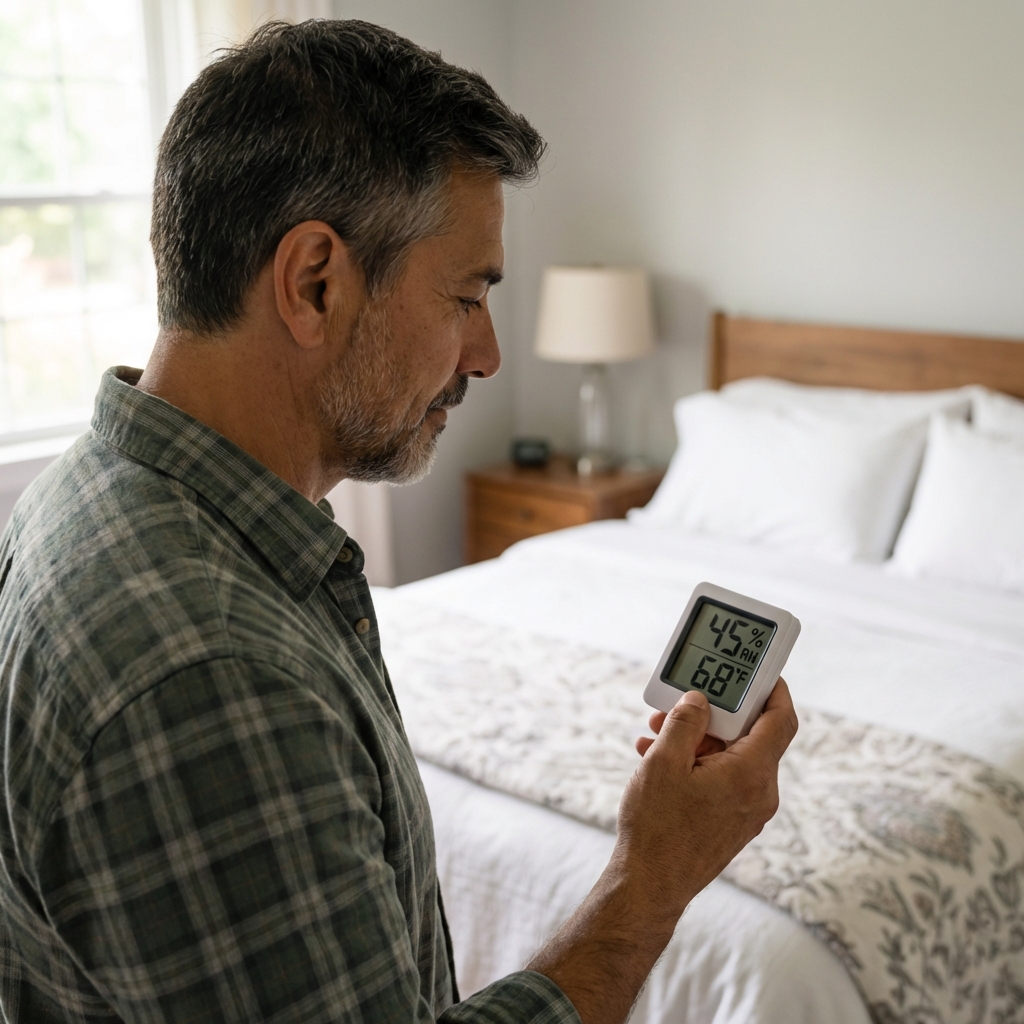
Eco-friendly ways to reduce dust mites fast
The goal is not perfection. It is creating conditions where dust mites struggle to survive, then removing the allergens they leave behind.
1) Control humidity (this is the big one)
Dust mites do best in humid homes. Aim for 30% to 50% relative humidity. Try not to push much below 30%, since very dry air can irritate airways and skin.
- Use a dehumidifier in damp bedrooms or basements.
- Run bathroom and kitchen exhaust fans, especially after showers and cooking.
- Fix small leaks and address damp corners where condensation forms.
2) Wash bedding the right way
- Weekly washing is a good baseline for allergy households.
- Use the hottest water your fabric allows. Many guidelines suggest around 130°F/55°C for best mite reduction, but regular washing plus thorough drying also helps.
- Dry thoroughly, and use high heat where it is safe and allowed by the care label.
If your sheets cannot handle hot washes, you can still make progress by washing regularly and focusing on humidity control and mattress protection.
3) Use allergen-proof encasements
Eco-friendly does not mean doing nothing. A good mattress and pillow encasement reduces exposure by keeping allergens contained. Look for tightly woven, zippered covers designed for dust mites.
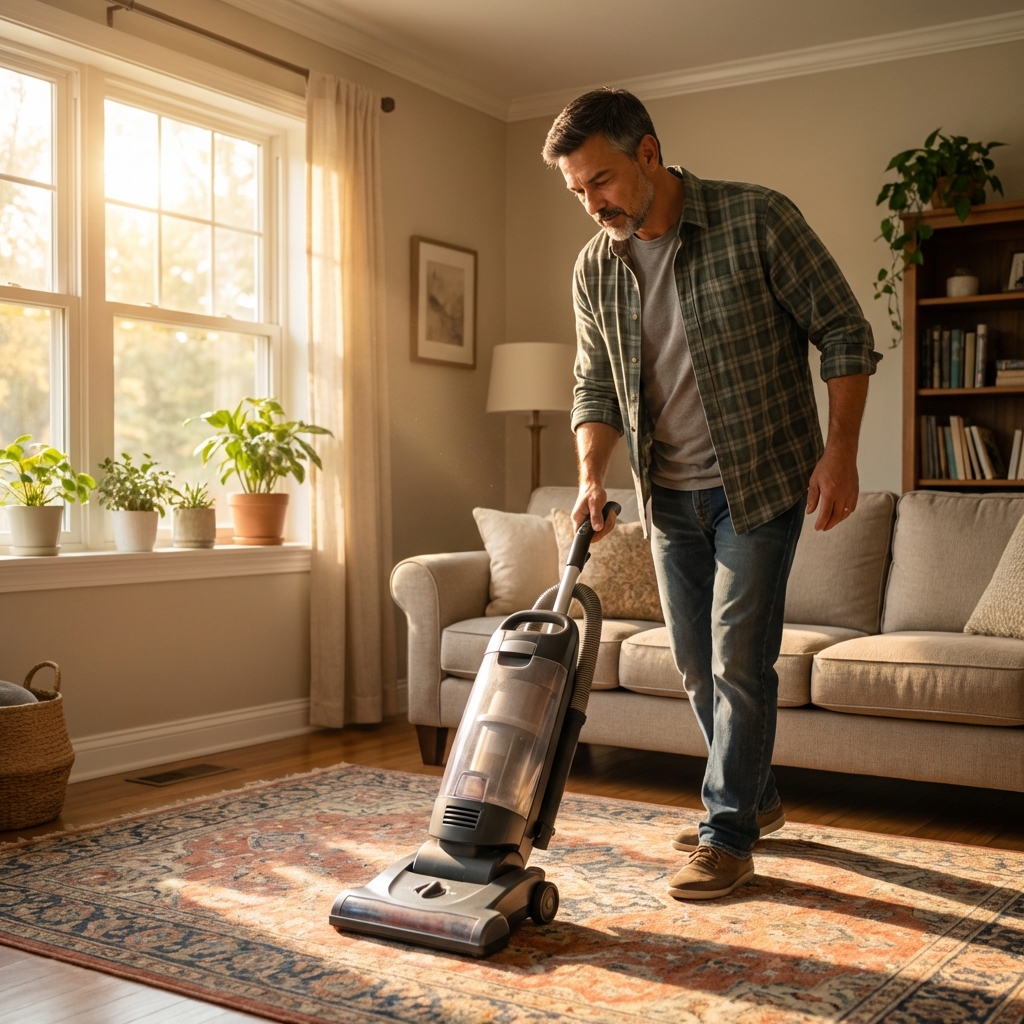
4) Vacuum smarter, not harder
Vacuuming helps, but only if your vacuum is not just blowing fine particles back into the air.
- Use a vacuum with a sealed system and HEPA filtration if you can.
- Go slow on carpets and rugs to lift more dust.
- If symptoms spike while vacuuming, wear a well-fitting mask and ventilate the room after.
5) Reduce dust collectors near sleeping areas
You do not have to make your bedroom look like a showroom. Just be honest about what holds dust.
- Limit decorative pillows and extra blankets that rarely get washed.
- Keep under-bed storage in closed containers instead of open baskets.
- Wash curtains regularly, or switch to washable curtains or simple blinds if heavy drapes seem to hold onto dust.
6) Handle stuffed animals and delicates
Stuffed animals and delicate items can be sneaky allergen reservoirs.
- If washable, wash weekly or as often as practical.
- If not easily washable, try a hot dryer cycle where safe, or freeze for 24 to 48 hours (in a sealed bag) to reduce mites, then wash or tumble dry to remove allergens.
7) Skip scented sprays and “air freshener fixes”
Fragrances can irritate airways and do nothing for dust mites. Instead, focus on removing allergens (washing, vacuuming, damp-dusting) and controlling moisture.
8) Damp-dust instead of dry dusting
Dry dusting often just moves allergens around. Use a microfiber cloth that is lightly damp (not soaking) to trap dust, then rinse or wash the cloth.
9) Use HVAC filters to cut airborne dust
Dust mites live mostly in fabrics, but their allergens travel in household dust. If you have forced-air heating or cooling, use a good-quality filter (often MERV 11 to 13 if your system can handle it) and change it on schedule.
What does not help much (and what to avoid)
- Foggers, “bombs,” and most sprays: they do not solve the main problem in bedding and fabrics, and they can add irritating residues.
- Essential oil hacks: they may add fragrance without meaningful mite control, and scents can trigger symptoms for some people.
- Ozone generators and some ionizers: ozone can irritate lungs and is not a safe “fresh air” solution.
If a product claims it will “kill all mites instantly,” be skeptical. Long-term control is mostly about humidity, barriers, and removing dust.
Bedroom checklist (highest impact room)
- Keep humidity in the 30% to 50% range.
- Wash sheets and pillowcases weekly.
- Wash duvet covers and blankets every 2 to 4 weeks.
- Use dust-mite-proof encasements for mattress and pillows.
- Vacuum floors weekly and consider reducing wall-to-wall carpet if allergies are severe.
- Damp-dust nightstands, headboards, and window sills.
When to worry (and when to get help)
Get medical advice if you have:
- Wheezing, tight chest, or shortness of breath
- Asthma flare-ups at night or increasing inhaler use
- Symptoms that persist despite basic home changes
If your home has a musty smell, visible dampness, or recurring condensation, consider checking for mold as well. Dust mites love humidity, and moisture problems often come with more than one indoor trigger.
Quick answers
Can I see dust mites?
No. They are too small to see without magnification. You are reacting to allergens in dust, not spotting the mites themselves.
Do dust mites mean my house is dirty?
No. Even clean homes have dust mites because they feed on shed skin cells and live in soft materials. The biggest driver is usually humidity and fabric surfaces, not “mess.”
What is the most eco-friendly way to reduce dust mites?
Lower indoor humidity, wash bedding regularly, and use physical barriers like allergen-proof encasements. These steps reduce the problem without relying on sprays.

Jose Brito
I’m Jose Britto, the writer behind The Country Store Farm Website. I share practical, down-to-earth gardening advice for home growers—whether you’re starting your first raised bed, troubleshooting pests, improving soil, or figuring out what to plant next. My focus is simple: clear tips you can actually use, realistic expectations, and methods that work in real backyards (not just in perfect conditions). If you like straightforward guidance and learning as you go, you’re in the right place.