Bed bug bites are one of those problems that feel small until you are the one scratching at 2 a.m. The good news is most bites are more annoying than dangerous, and you can usually calm the itch with basic, natural steps. The not-so-fun truth is this: treating the bites helps your skin, but it does not stop new bites unless you also deal with the bed bugs.
This page walks you through practical natural solutions, what to avoid, and when it is time to call a doctor.
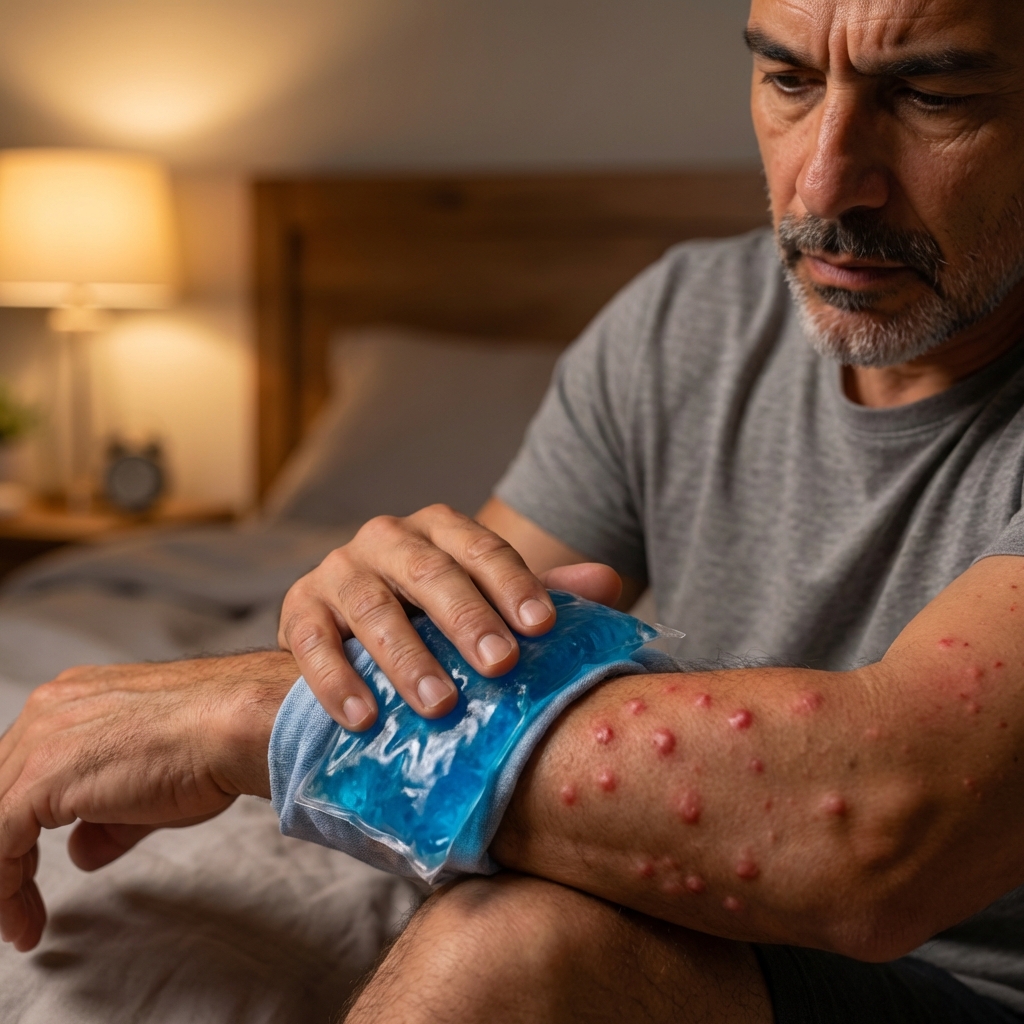
First, make sure it really is bed bug bites
Lots of things can cause itchy bumps, including mosquitoes, fleas, scabies, and allergic or contact dermatitis. Bite patterns can help, but clues in your home matter more than the way a rash looks.
Bed bug bites often show up as small red welts that:
- Appear in clusters or a loose line (sometimes called “breakfast, lunch, dinner”)
- Show up on exposed skin like arms, neck, face, hands, and lower legs
- Itch more at night or first thing in the morning
- May take hours or even a couple days to appear, depending on your reaction
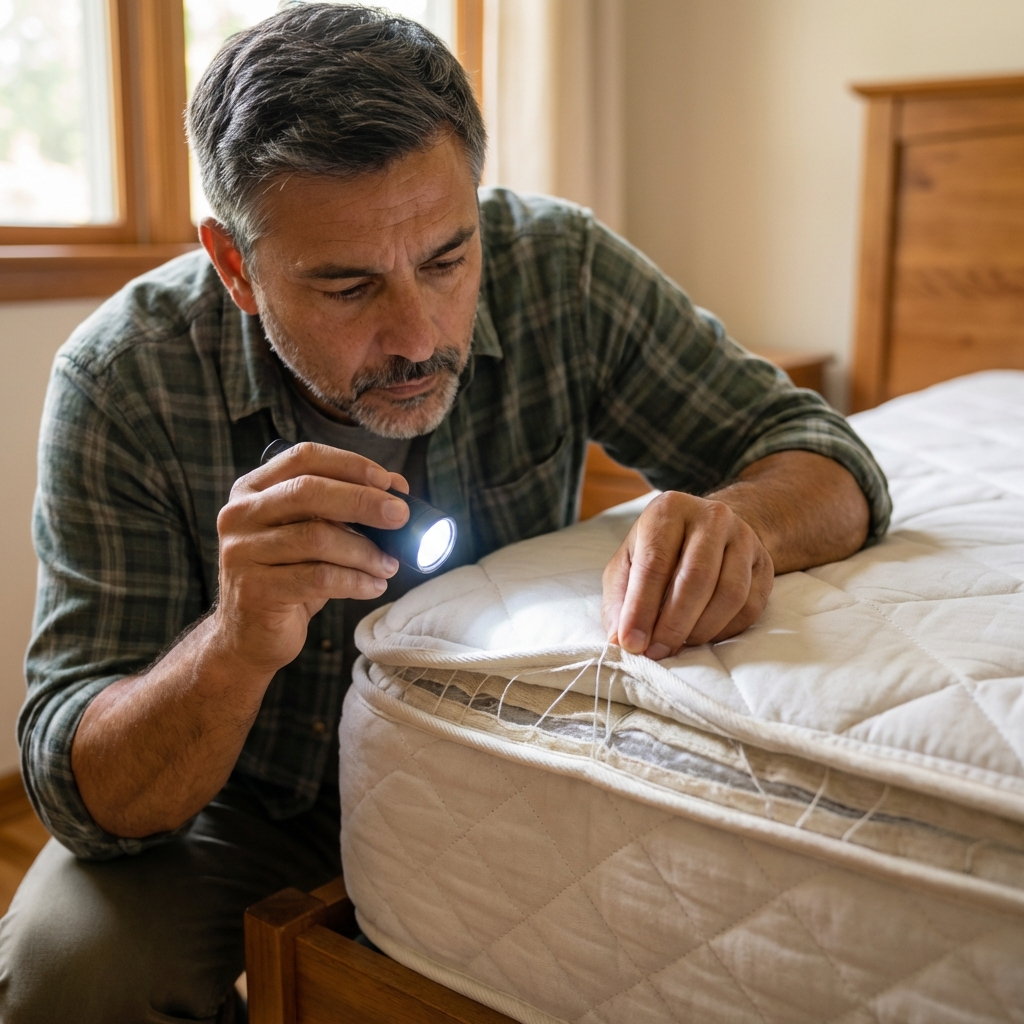
Check for signs of bed bugs: tiny rust-colored spots on sheets, shed skins, and small flat bugs hiding in mattress seams, headboards, or cracks. In heavier infestations, you may notice a sweet, musty odor, but it is not always present.
Natural treatment plan that works for most people
If you do nothing, bed bug bites often improve within 1 to 2 weeks. Some people, especially those with stronger allergic reactions, can itch longer. Your goal is to reduce itching, protect the skin barrier, and prevent infection from scratching.
Step 1: Wash the area gently
Use mild soap and cool or lukewarm water. Pat dry instead of rubbing. This removes surface bacteria and sweat that can worsen irritation.
Step 2: Cool it down (fast itch relief)
A cold compress is the simplest “natural” tool that reliably helps.
- Wrap ice or a cold pack in a clean cloth.
- Hold it on the bites for 10 minutes.
- Repeat a few times a day as needed.
Cooling helps reduce swelling and temporarily numbs the itch so you are less likely to scratch.
Step 3: Use a simple soothing paste or gel
Pick one option and keep it consistent for a day or two. More products at once often means more irritation.
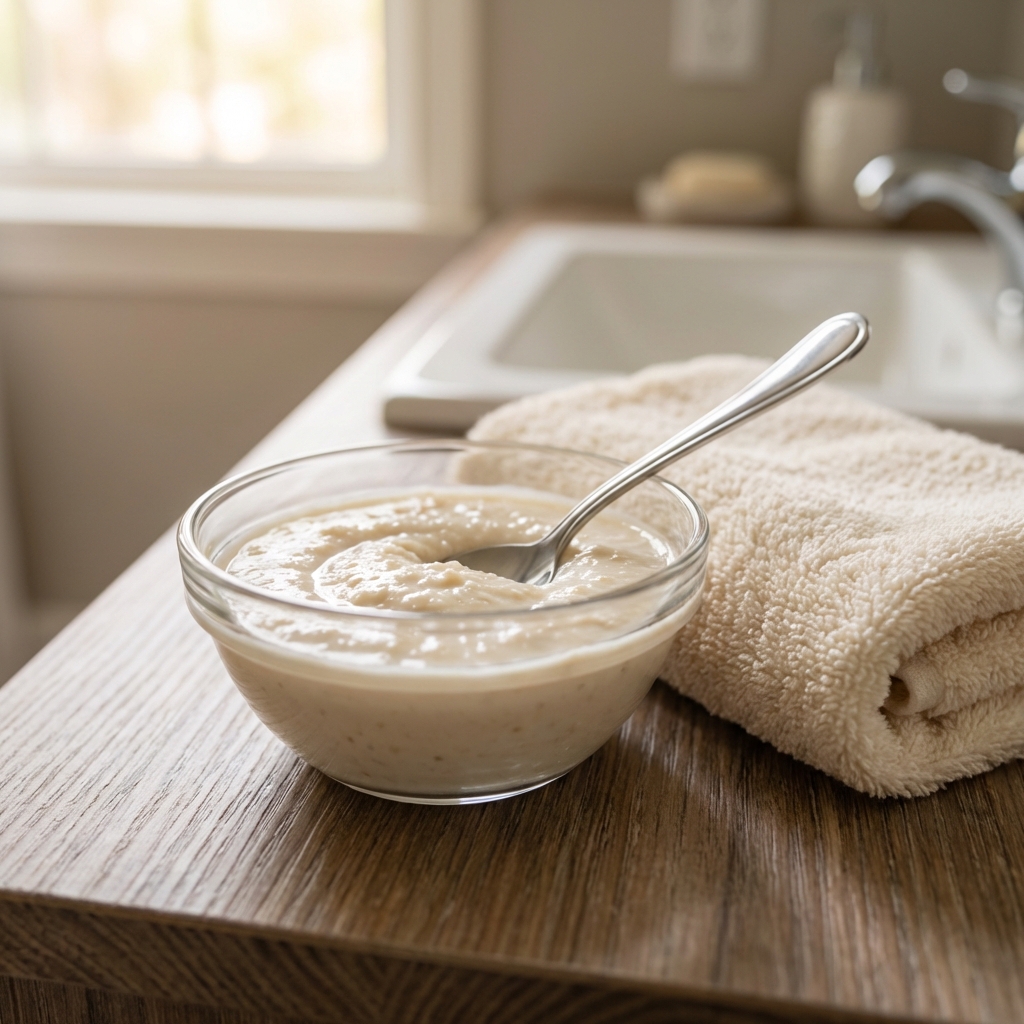
- Colloidal oatmeal: Mix colloidal oatmeal with water to make a thin paste, or use an oatmeal bath. Great for widespread bites and sensitive skin.
- Baking soda paste: Mix baking soda with a little water into a paste and apply for 10 minutes, then rinse. Helpful for itch, but can be drying, so follow with moisturizer.
- Aloe vera gel (pure): Choose plain aloe gel with minimal additives. It can calm inflammation and feels cooling.
- Honey (thin layer): Honey has some antimicrobial properties and can feel soothing, but evidence for bite relief is limited. Do not use if you have a bee or pollen allergy, stop if it stings or irritates, and avoid using honey on or near an infant’s mouth. Use a small amount, cover with gauze if needed, and wash off later to avoid stickiness.
Step 4: Seal in moisture
Dry, irritated skin itches more. After cooling or rinsing off a paste, apply a plain, fragrance-free moisturizer. If you want the simplest option, petroleum jelly works well as a barrier, especially if you tend to scratch in your sleep.
Step 5: Stop the scratch cycle
Scratching is what turns a bite into a lingering problem. A few low-effort tricks help:
- Trim nails short.
- Wear thin cotton gloves or socks on hands at night if you scratch while asleep.
- Cover clusters with a breathable bandage if you keep catching them on clothing.
Herbal and “natural” options: use with care
Some natural products can help, but they can also cause reactions in certain people. If you have sensitive skin, test a tiny amount on the inside of your arm first.
Witch hazel
May reduce irritation for some people. Choose alcohol-free witch hazel if possible to avoid extra dryness.
Calendula
Often used in skin salves for irritation. Use a simple formula without heavy fragrance.
Tea tree oil and other essential oils
Do not apply essential oils directly to bites. They can cause contact dermatitis, and the last thing you need is a rash on top of bites. If you want to use an essential oil product, only use one that is properly diluted and made for skin. Avoid use in children, during pregnancy, and for anyone with asthma or fragrance sensitivity unless a clinician says it is OK.
What not to do
- Do not scratch, even though it feels impossible. Scratching breaks the skin and invites infection.
- Do not use rubbing alcohol on bites. It dries and irritates skin and does not “kill” anything living under your skin.
- Do not apply undiluted essential oils. Burns and rashes are common.
- Do not use topical antibiotics “just in case”. Many can cause skin reactions. Save them for situations where a clinician recommends them or when there are clear signs of infection.
- Do not “treat the mattress” with random DIY sprays while you are still sleeping on it. Many homemade mixes do not work, and some can be unsafe to breathe in.
When OTC help makes sense
If itching is keeping you from sleeping, it is OK to use basic over-the-counter options alongside natural care.
- Hydrocortisone 1% cream: A small amount on bites for a short period can reduce inflammation.
- Oral antihistamine: Helps some people sleep and reduces itching, especially at night.
If you have medical conditions, are pregnant, or are treating a child, check with a pharmacist or clinician first.
Red flags: when to see a doctor
Most bed bug bites can be treated at home, but get medical advice if you notice any of the following:
- Signs of infection: increasing redness, warmth, swelling, pain, pus, or red streaks
- Fever or feeling ill
- Severe swelling, hives, or widespread rash
- Breathing trouble, lip or face swelling, or throat tightness (seek emergency care)
- Bites that are not improving after 1 to 2 weeks, or are worsening
Prevent new bites while you heal
Natural bite care is only half the battle. If bed bugs are still in your space, you will keep getting bitten. These steps can help right away, even before professional treatment.
Wash and heat-dry textiles
- Wash bedding, pajamas, and recently worn clothing.
- Use the hottest dryer setting the fabric can safely handle. A 30 to 60 minute high-heat cycle is commonly recommended, but the key is getting items hot all the way through. Avoid overstuffing the dryer so heat can circulate.
- Put cleaned items in sealed bags or bins so they stay clean.
Reduce hiding spots
- Declutter the area around the bed.
- Vacuum mattress seams, bed frame cracks, and baseboards. Empty the vacuum outside immediately.
- Do not carry loose items room to room. Bag them first so you do not spread bugs.
Isolate the bed
- Pull the bed a few inches away from the wall.
- Keep blankets from touching the floor.
- Use bed bug interceptors under bed legs if you can get them.
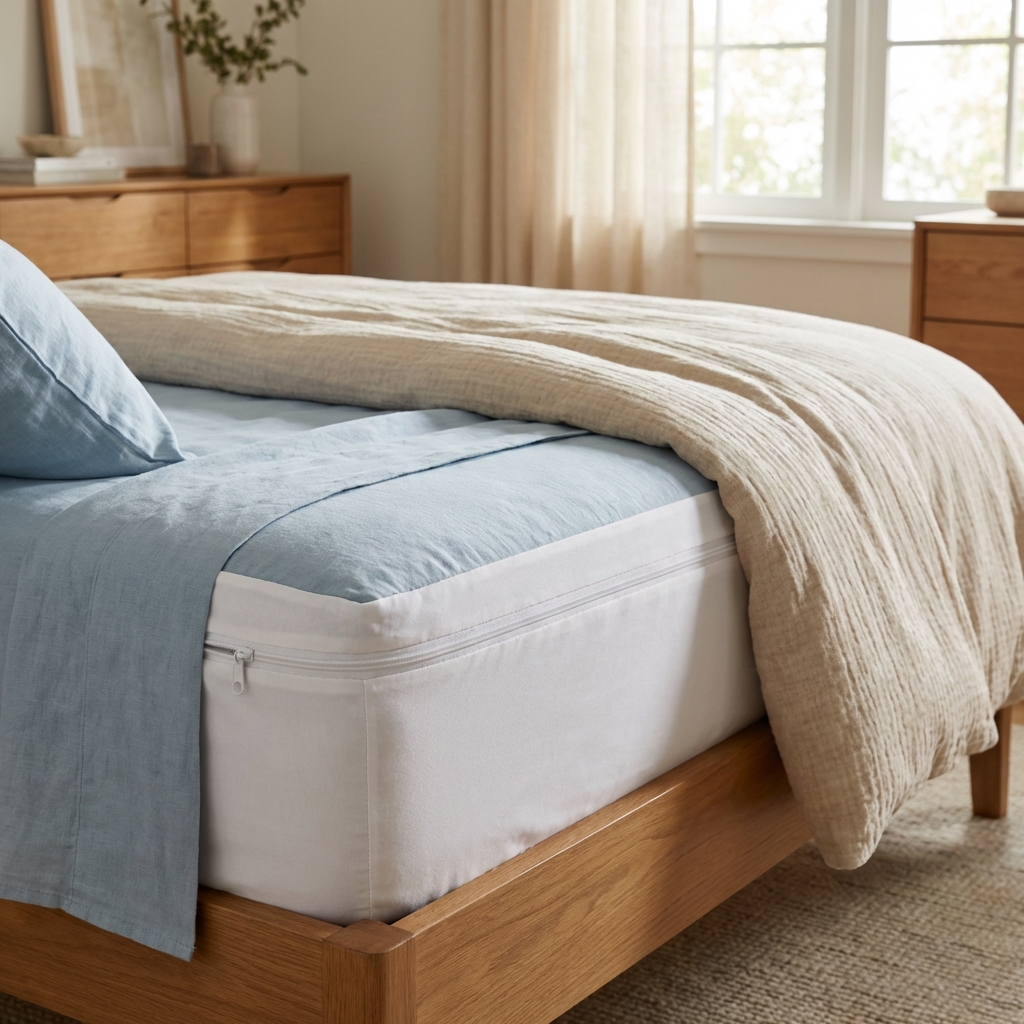
Consider a mattress encasement
A bed-bug-proof encasement traps bugs inside and removes hiding places. It does not solve an infestation alone, but it helps a lot as part of a bigger plan. Plan to keep it on long-term, since bed bugs can survive for a long time without feeding.
Know when it is time to call a pro
If you are seeing bugs, finding fresh spots on sheets, or getting new bites despite these steps, professional treatment is usually the fastest way to stop the cycle. Be cautious with DIY insecticides and foggers. Misuse can be hazardous and often makes infestations harder to control.
Quick natural remedy checklist
- Wash bites gently with mild soap and water
- Cold compress 10 minutes at a time
- Choose one: colloidal oatmeal, aloe gel, baking soda paste, or a thin layer of honey
- Moisturize to protect the skin barrier
- Trim nails and cover bites if you scratch at night
- Wash and heat-dry bedding and clothing to help stop new bites
Common questions
How long do bed bug bites itch?
For many people, itching improves in a few days. The bumps often linger 1 to 2 weeks, sometimes longer if you scratch or if your skin reacts strongly.
Does vinegar help bed bug bites?
Apple cider vinegar and white vinegar are popular online, but they can sting and irritate already inflamed skin. For most people, a cold compress and oatmeal or aloe are safer first choices.
Can I pop bed bug bites?
No. If a bite turns into a small blister, keep it clean and leave it intact. Opening it increases infection risk.
Why do I have bites but my partner does not?
Reactions vary. Some people barely react or do not itch at all, even when bitten.

Jose Brito
I’m Jose Britto, the writer behind The Country Store Farm Website. I share practical, down-to-earth gardening advice for home growers—whether you’re starting your first raised bed, troubleshooting pests, improving soil, or figuring out what to plant next. My focus is simple: clear tips you can actually use, realistic expectations, and methods that work in real backyards (not just in perfect conditions). If you like straightforward guidance and learning as you go, you’re in the right place.