Rats are not showing up because your yard is “dirty.” They show up because the yard is easy. Easy food, easy water, easy hiding spots, and a safe travel route along fences, sheds, or shrubs. The good news is that organic rat control is mostly about making your space less convenient.
This page focuses on low-effort, high-impact fixes. You do not need harsh poisons or constant battles. You need a simple system that removes what rats want and blocks the routes they use.
First, confirm it is rats
Before you change anything, make sure you are targeting the right pest. Most “rat problems” are actually a mix of rodents and other wildlife.
Quick context: Norway rats are usually burrowers and ground-level travelers. Roof rats are better climbers and may nest in dense shrubs, vines, attics, or trees. The strategy below works for both, but you will pay extra attention to burrows for Norway rats and to climbing access for roof rats.
- Droppings: Rat droppings are larger than mouse droppings, often about 1/2 to 3/4 inch long (size varies by species and diet). Fresh droppings are dark and slightly shiny. Droppings alone are not definitive, so look for multiple signs.
- Burrows: Open holes near foundations, under sheds, along retaining walls, or under dense shrubs. Norway rat burrow entrances are often 2 to 4 inches wide. Roof rats may not burrow much at all and may nest above ground.
- Runways: Smooth, packed paths in grass or mulch along fences and walls. You may see greasy rub marks on wood or siding.
- Night activity: Rustling in ivy, under decks, or around compost at dusk and after dark.
If you are seeing daytime activity, the population is often higher or food is scarce. Either way, your first move is the same: remove the easy resources.
Safety note: If you are cleaning droppings or nesting material, wear gloves and a mask, wet the area first (so you do not kick up dust), then bag and dispose. Wash hands and tools after.
The simple framework: remove food and water, remove shelter, block access
Organic control works best when you do it in this order. Deterrents help, but they do not beat a buffet, a reliable drink, and a cozy nest.
1) Remove food and water (this is the big one)
- Bird feeders: If rats are active, pause feeding for 2 to 3 weeks. If you keep feeding, switch to a feeder with a tray that does not spill and clean up seed daily.
- Pet food: Feed pets indoors when possible. If you feed outside, pick up bowls right after meals.
- Pet water: If possible, bring water bowls in at night and do not leave overflowing bowls out 24/7.
- Standing water: Dump and refresh anything holding water (saucers, buckets, tarps, toys). Fix low spots that puddle after irrigation.
- Leaks: Check dripping hose bibs, irrigation leaks, AC condensate lines, and leaky spigots. Rats need regular water, and a slow drip is enough.
- Fallen fruit and nuts: Pick up daily during peak drop. A few days of fallen fruit can support a lot of rodents.
- Trash: Use tight-lid cans. If lids are loose, add a bungee cord or clamp.
- Grill grease: Scrape trays and wipe drips. Grease is a surprisingly strong attractant.
2) Remove shelter and nesting material
- Reduce dense groundcover: Ivy, tall weeds, thick ornamental grasses, and junky corners are prime rat housing. Open the area up so it is less protected.
- Raise woodpiles: Store firewood at least 12 inches off the ground and away from the house. Keep the area under it visible.
- Declutter: Cardboard, stacked pots, and tarp piles become nesting neighborhoods.
3) Block access and travel routes
- Seal gaps: Rats can squeeze through openings as small as 1/2 to 3/4 inch. Seal anything that size or larger. A quarter-size gap is definitely a problem. Use hardware cloth and metal flashing where chewing could happen.
- Close off under structures: Under decks, sheds, and porches, add 1/4 inch hardware cloth, buried 6 to 12 inches down with a small outward bend to discourage digging. In very soft or diggable soils, go deeper.
- Trim back “rat highways”: Rats love tight cover along fences. Keep shrubs lifted and remove branches touching the ground near structures.
- For climbers: Trim tree limbs back from the roof and keep vines off fences and walls so roof rats have fewer ladders.
Rat-proof your compost without chemicals
Compost is one of the most common reasons rats move in. You can keep compost and keep it organic. You just need to make it harder to access and less rewarding.
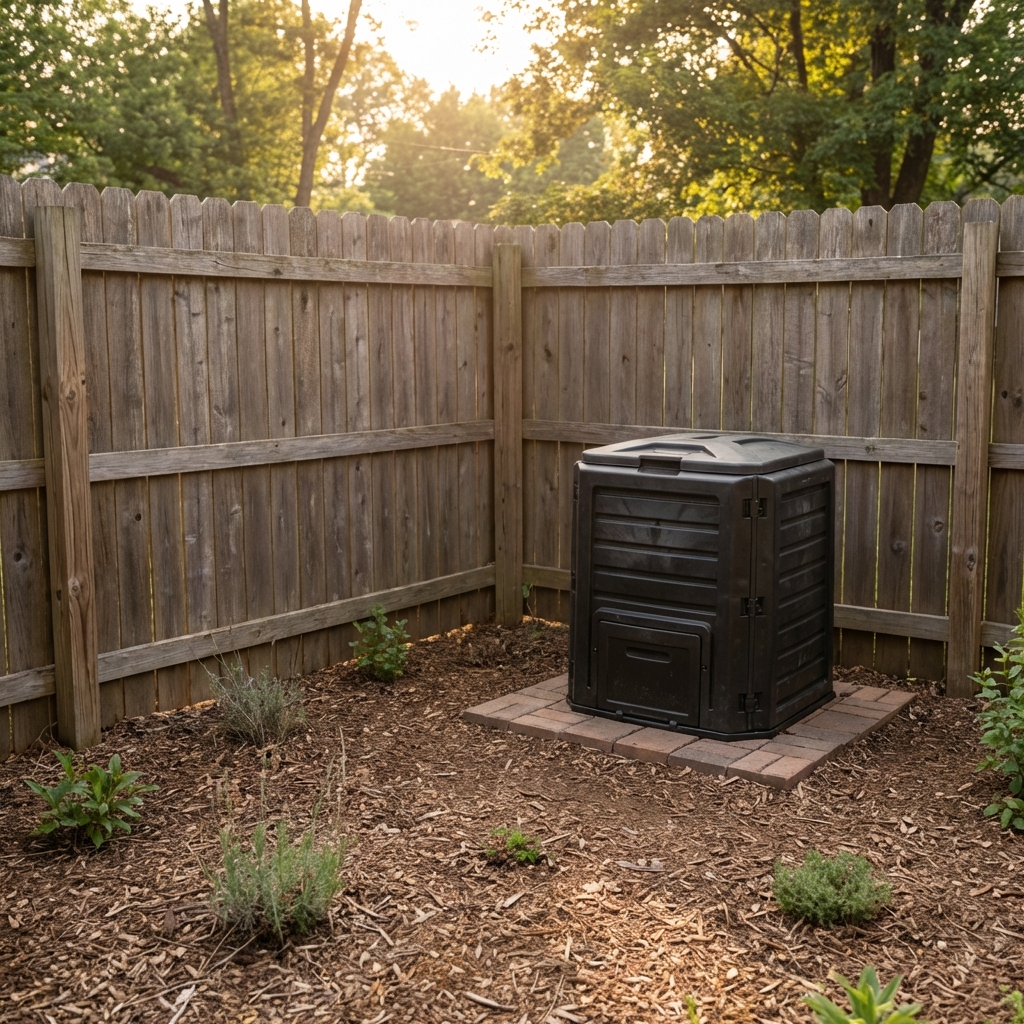
Use a bin that closes
- Choose a bin with a lid that latches or fits tightly.
- If using a pallet bin or open pile, line the base and sides with 1/4 inch hardware cloth.
- Keep the bin on pavers or compacted ground. Avoid bare, diggable soil under it.
Skip the rat-magnet inputs
- Avoid meat, fish, bones, grease, and dairy.
- Be cautious with large amounts of bread, pasta, and oily leftovers.
- Bury kitchen scraps in the center of the pile and cover with 3 to 6 inches of browns like shredded leaves or straw.
Quick rule: If you can smell it nearby, it is more likely to attract pests. Add more browns and cover, then mix it in.
Protect vegetable beds and fruit trees the organic way
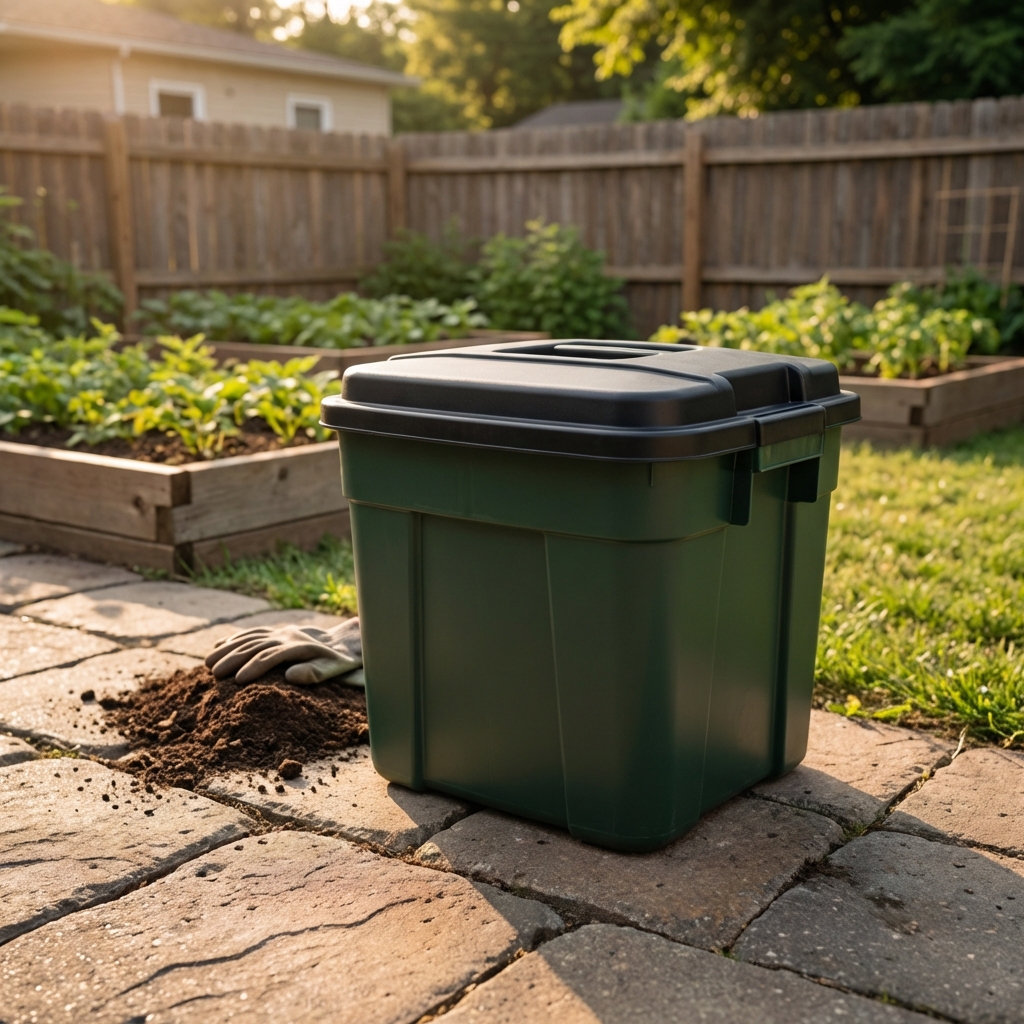
Rats will eat ripe tomatoes, strawberries, melons, stone fruit, and anything they can reach consistently. The trick is to remove the easy access points.
Make harvest boring for rats
- Harvest earlier and more often: Slightly under-ripe is better than half-eaten.
- Remove fallen produce daily: This is the simplest habit that pays off fast.
- Keep beds tidy: Heavy mulch and jungle-like growth can hide runways. You can still mulch, just avoid a thick, undisturbed blanket right against fences and sheds.
Physical barriers that actually work
- Hardware cloth guards: Wrap young tree trunks or vulnerable areas with 1/4 inch hardware cloth, leaving space so the trunk can grow.
- Raised beds: If rats are burrowing into beds, add hardware cloth under the bed when building, or install an internal liner along the lower sides where digging happens.
- Netting on a frame: If you use netting, keep it taut and supported with hoops or a simple frame so rats cannot push under it easily.

Organic deterrents: what helps and what is mostly hype
Deterrents can be useful as a second layer after you cut off food, water, and shelter. If you start with deterrents only, rats usually just work around them.
Worth trying
- Motion-activated lights or sprinklers: These can reduce nighttime comfort along common pathways, especially near trash, compost, and garden beds.
- Peppermint oil: Evidence is mixed, but it can help in small, enclosed spaces for short periods. Refresh frequently and do not rely on it as the main solution.
- Clean gravel strips: A 12 to 18 inch strip of gravel along a shed or fence line can make travel routes feel exposed.
Usually not worth your time
- Ultrasonic plug-ins: Results are inconsistent outdoors and rodents often adapt.
- Random predator urine products: In real yards, wind, rain, and time make these unreliable. Focus on habitat instead.
If you have chickens
Chicken feed is basically a rat feeder. Use a treadle feeder or feed small portions and remove leftovers. Store feed in a metal can with a tight lid, not in a bag in the shed.
Burrows: how to deal with them without poison
If you have active burrows, you need to break the cycle. The most organic approach is a combination of habitat changes plus targeted trapping. Trapping is not “chemical,” and it can be the fastest way to reduce numbers while you fix the attractants.
Step-by-step
- Locate active holes: Lightly cover openings with loose soil or leaves. Check the next day. Reopened holes are active.
- Place traps along runways: Rats travel edges. Put traps parallel to fences, walls, and dense shrub lines.
- Use safer setups: In most home yards, snap traps placed inside a protective trap box help reduce risk to kids, pets, and wildlife.
- Check frequently: Check traps at least daily and follow local rules for disposal.
- After activity drops, close burrows: Pack with soil and use hardware cloth barriers where needed, especially near structures.
Follow local guidelines and keep traps away from kids and pets. If you are uncomfortable trapping, a local wildlife control professional can help. Ask specifically for exclusion and sanitation focused work, not just bait boxes.
A simple weekly routine that keeps rats from coming back
Once you get ahead of the problem, staying ahead is easier than it sounds. Here is a realistic routine for normal people with busy schedules.
Twice a week (5 to 10 minutes)
- Pick up fallen fruit, nuts, and garden harvest leftovers.
- Quick check around compost and trash lids.
- Dump standing water and spot-check for fresh puddles from irrigation.
- Scan fence lines for new runways or digging.
Once a week (10 to 20 minutes)
- Trim back any fresh overgrowth touching the ground near the house, shed, or fence corners.
- Stir compost and cover scraps with browns.
- Remove clutter from dead corners behind pots, lumber, and stored materials.
- Check hoses and spigots for slow leaks.
Once a season
- Inspect the base of decks, sheds, and fences for gaps and chewing.
- Refresh hardware cloth barriers if soil erosion exposed edges.
- Re-evaluate bird feeding during high-rodent months.
- Trim back climbing access points (tree limbs near roofs, dense vines near fences).
When to call in help
If rats are entering the home, if you see heavy daytime activity, or if burrows are undermining structures, it is time to get support. Organic solutions still apply, but you may need faster population reduction and professional exclusion work.
- Choose providers who prioritize sealing entry points and removing attractants.
- Avoid over-reliance on poison, especially outdoors. Secondary poisoning is a real risk for owls, hawks, cats, and other predators.
Most yards improve dramatically once food and water sources are controlled and hiding spots are reduced. The goal is not perfection. The goal is making your yard the place rats pass through, not the place they settle.

Jose Brito
I’m Jose Britto, the writer behind The Country Store Farm Website. I share practical, down-to-earth gardening advice for home growers—whether you’re starting your first raised bed, troubleshooting pests, improving soil, or figuring out what to plant next. My focus is simple: clear tips you can actually use, realistic expectations, and methods that work in real backyards (not just in perfect conditions). If you like straightforward guidance and learning as you go, you’re in the right place.