People search for “kill rats with salt” for the same reason they search for any home remedy: they want something cheap, easy, and less toxic than poison. I get it. But when it comes to rats, salt is one of those ideas that sounds simple and usually turns into a messy, unsafe, or ineffective situation.
Below are the facts on what salt actually does, why it is not a humane or reliable method, and what to do instead if you need rats gone from your house, garage, chicken run, compost area, or garden beds.
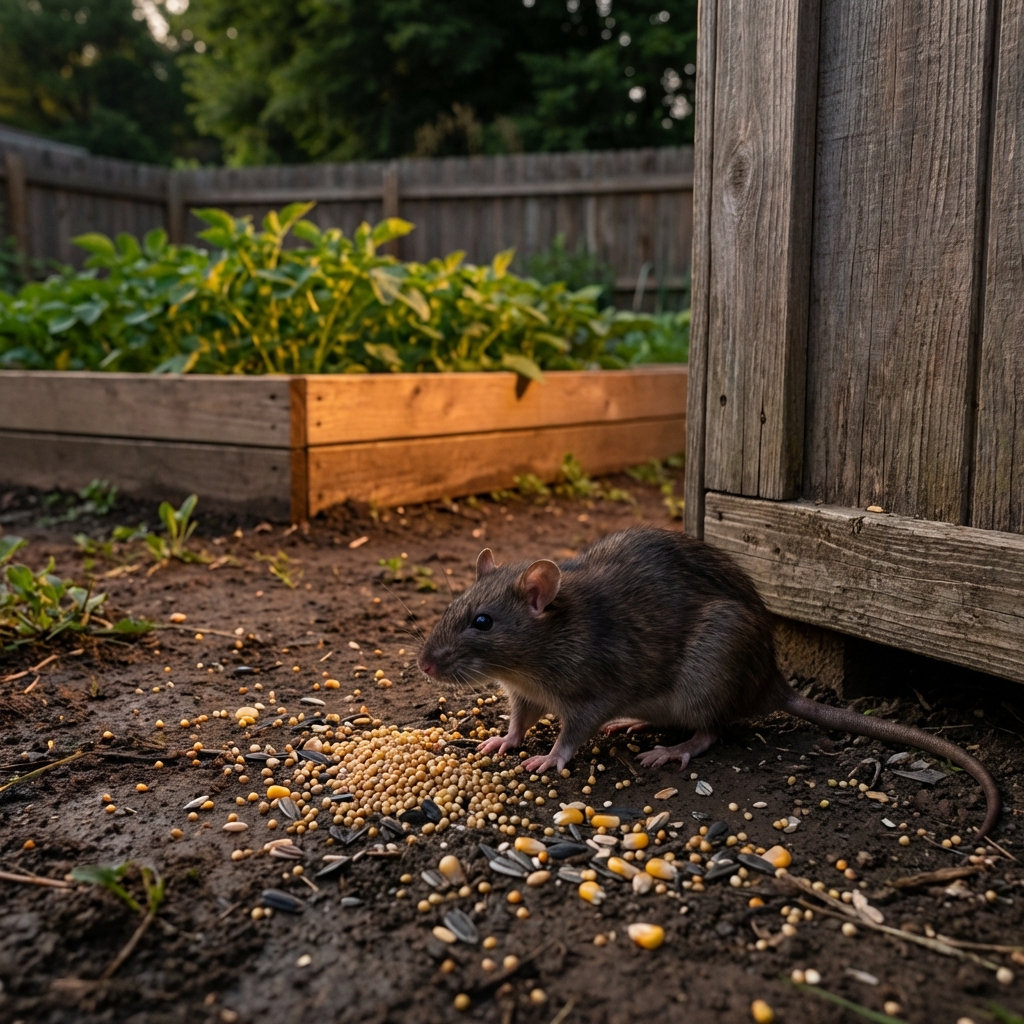
Does salt kill rats?
In theory, large amounts of salt can harm animals because it disrupts fluid balance and can lead to dehydration and electrolyte problems. In real-world home settings, using salt to kill rats is not dependable, and it is not something I recommend.
Why it usually does not work
- Most rats will not eat a consistently lethal dose of salt on purpose. They are cautious eaters around new foods, and the amount needed varies by body size and how much water they can drink.
- They usually have access to water (pet bowls, condensation, irrigation, leaky spigots, puddles, toilets), which can blunt the “dehydration” effect people assume will happen.
- DIY “salt bait” recipes are uncontrolled. That invites trial-and-error dosing around kids, pets, and wildlife, which is a safety problem.
Why it is not “safe” even if it did work
- Non-target risk: Pets, birds, squirrels, and other wildlife can eat salty bait.
- Messy outcomes: If a rat dies in a wall, crawlspace, or attic, you can end up with odor, flies, and a difficult removal job.
- Inhumane outcome: Salt toxicity can cause distress and a slow decline rather than a quick, controlled kill.
Salt myths to ignore
Myth: “Salt kills rats instantly.”
It does not. Even with significant salt intake, effects are not instant. That delay increases the chance the rat retreats into an inaccessible space, creating odor and insect issues indoors.
Myth: “Salt is natural, so it’s harmless.”
Plenty of “natural” substances are dangerous when misused. A salty bait pile is still a hazard, especially around kids, dogs, chickens, and songbirds.
Myth: “Mix salt with peanut butter, flour, or baking soda and it’s guaranteed.”
These DIY combinations are popular online because they are easy to repeat, not because they are consistently effective. What they can do well is attract animals you did not intend to harm.
What to do instead
If rats are on your property, the goal is simple: remove food, remove water, block access, then trap. This is the core of IPM, and it is what actually holds up in real homes and backyards.
Here is the pivot I want you to make: stop trying to “poison” rats with kitchen ingredients, and start making your property hard to use.
1) Fix the rat buffet
- Secure feed: Store bird seed, chicken feed, and pet food in metal containers with tight lids.
- Clean up fallen fruit: Citrus, figs, stone fruit, and fallen nuts are rat magnets.
- Compost smart: Keep compost in a bin with a lid. Avoid meat, grease, and oily foods. Bury fresh scraps in the center.
- Reduce cover: Pull weeds, clear brush piles, and lift ground-covering boards or tarps.
2) Eliminate water sources
- Repair leaky hoses, spigots, and irrigation lines.
- Dump standing water in trays and buckets.
- Do not leave pet water outside overnight if rats are active.
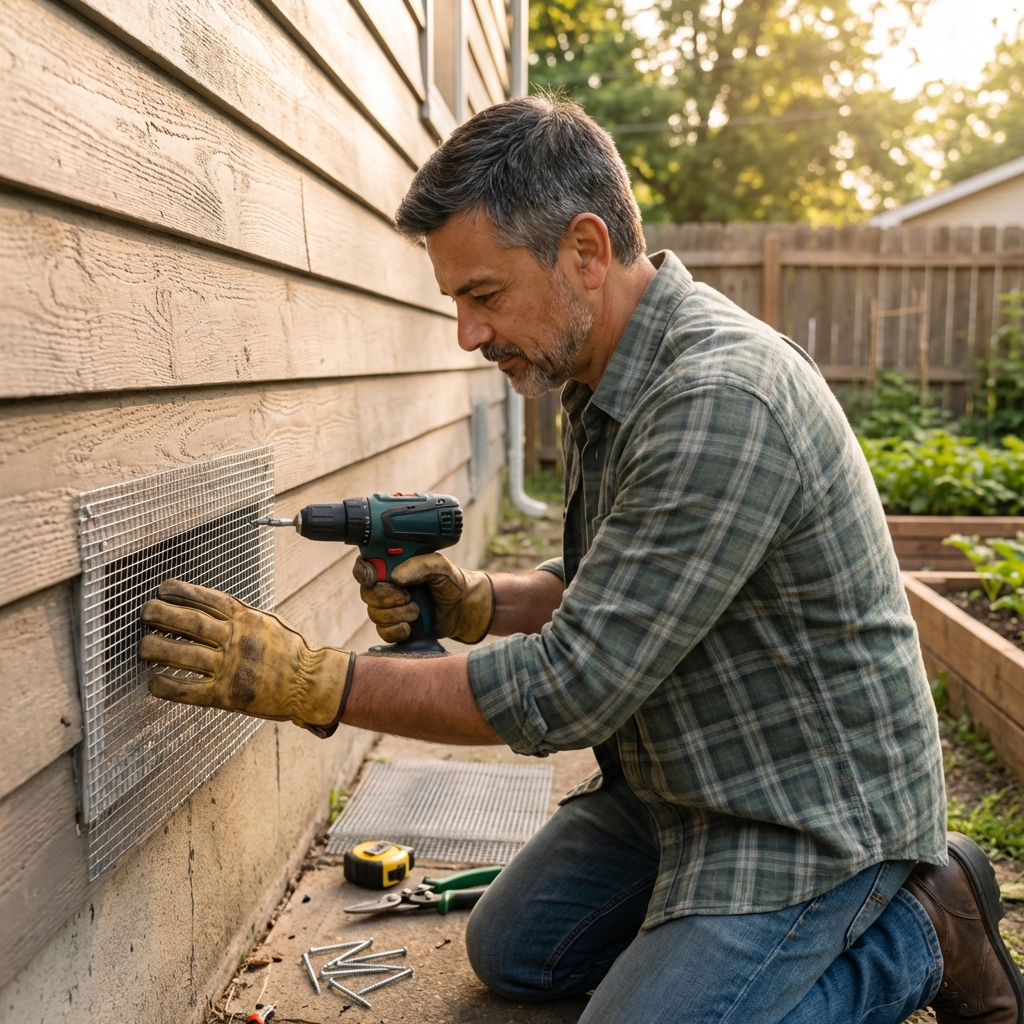
3) Seal entry points
Rats can squeeze through surprisingly small gaps. A practical guideline is that rats can enter openings around 1/2 to 3/4 inch depending on species and size (mice can fit through much smaller gaps).
- Use hardware cloth (1/4 inch) over vents and openings.
- Seal gaps around pipes with steel wool plus a proper sealant or mortar.
- Install door sweeps on exterior doors and garage doors.
4) Trap in a way you can verify
For most homeowners, rat-rated snap traps are the fastest, most controllable option when used correctly.
- Choose the right size: Use rat-rated snap traps, not mouse traps.
- Place along walls: Rats run edges, not open centers.
- Trigger end to the wall: Set the trap so the trigger is closest to the wall where they travel.
- Use enough traps: One trap is rarely enough. Start with 4 to 8 for a typical problem area, more if you are seeing heavy activity.
- Space them reasonably: A simple guideline is 5 to 10 feet apart along runways, with extra traps at corners, behind appliances, and near burrow entrances.
- Bait simply: Peanut butter, a small piece of dried fruit, or a nugget of pet kibble can work. Use a small amount so they must trigger the trap.
- Shy-rat tip: If they are ignoring traps, place them baited but unset for one night, then set them the next night.
- Check daily: Morning is ideal. Reset or replace as needed.
Important: If you have kids, dogs, cats, or curious wildlife, use tamper-resistant trap boxes designed to cover snap traps.
5) If you use rodenticide, do it the safest way possible
I generally steer backyard gardeners toward exclusion and trapping first. If an infestation is severe, and you are considering poison, the safest approach is:
- Use tamper-resistant bait stations (never loose bait).
- Follow the label exactly and place stations where non-target animals cannot access them.
- Check local rules: Some areas restrict certain rodenticides (especially some second-generation anticoagulants) due to wildlife risk.
- Work with a licensed professional if you are unsure. Misuse is common and risky.
Rodenticide can harm pets and wildlife directly or indirectly, so it is not a casual DIY tool.
6) Live traps and relocation
A lot of people ask about live trapping. It sounds kinder, but relocating rats is often illegal or restricted in many areas, and it can be inhumane if the animal is released into territory where it cannot survive. If you choose live traps, check local rules, and have a realistic plan for humane handling.
7) When to call a pro
- You are hearing rats in walls, ceilings, crawlspaces, or the attic.
- You are seeing rats during the day, or seeing frequent fresh droppings even after cleanup.
- You have multiple burrows, repeated sightings, or traps are not making a dent after 7 to 14 days.
- You cannot safely seal entry points (roofline gaps, complex vents, damaged sewer lines).
Rats or mice?
This matters because trap choice and placement differ.
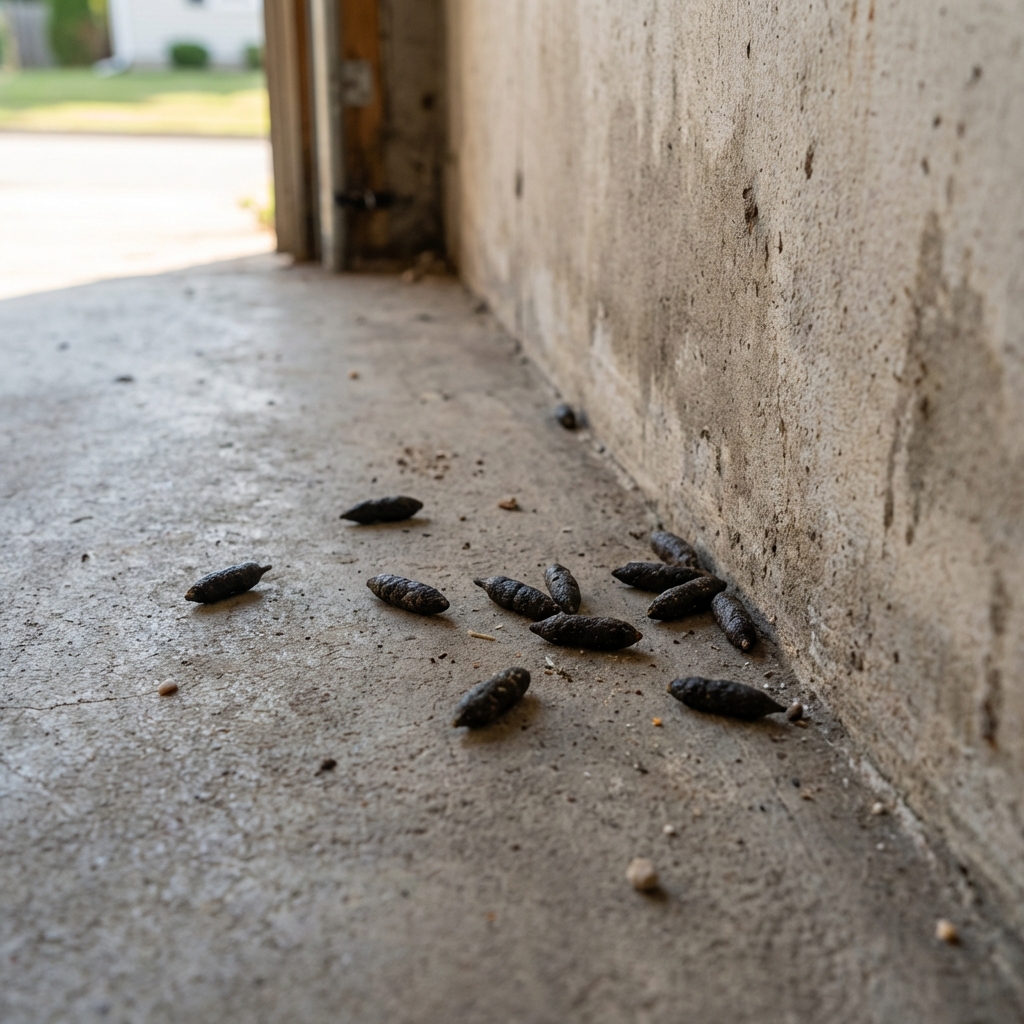
- Droppings: Rat droppings are larger (often about 1/2 to 3/4 inch), but size can overlap by species and age. Shape can help too: Norway rats tend to leave blunter ends, roof rats often leave more spindle-shaped droppings. Mouse droppings are smaller and rice-like.
- Sounds: Rats are heavier and can sound like thumping or scrambling in walls or ceilings.
- Gnaw marks: Rats leave bigger chew marks and can damage thicker materials.
- Burrows: Outdoors, rats often create burrows near foundations, under slabs, or in dense ground cover.
If you tried salt
If you put out salty bait or piles of salt, clean up carefully so you do not create new problems.
- Remove all bait material and dispose of it in a sealed bag.
- Rinse hard surfaces to remove salt residue that might attract pets or wildlife.
- Check for secondary attractants: spilled bird seed, compost scraps, open trash, and pet food.
- Start a simple trapping plan for 7 to 14 days while you seal entry points.
Dead rats and cleanup
Whether you trap or a rat dies elsewhere, cleanup is part of doing this safely.
Safe handling basics
- Wear disposable gloves.
- Ventilate the area if indoors.
- Do not sweep or vacuum dry droppings. That can aerosolize particles.
- Spray droppings or the carcass with an EPA-registered disinfectant, or use a bleach solution of 1 part bleach to 10 parts water. Let it sit for about 5 minutes.
- Use paper towels to pick up waste, then double-bag.
- Wash hands thoroughly afterward.
If the smell is in a wall or ceiling and you cannot locate the source, it may be worth calling a professional to avoid tearing into unsafe areas.
Quick plan for tonight
- Tonight: Put away food sources, remove outdoor pet water, and set 4 to 8 rat snap traps in covered trap boxes along walls where you see activity (trigger to the wall).
- This week: Seal gaps, cover vents, fix leaks, and trim vegetation away from the house line.
- Next 2 weeks: Keep trapping until you get several nights with no activity, then continue monitoring with a couple of traps in key spots.
FAQ
Can saltwater kill rats?
Saltwater is not a reliable or humane control method, and putting out salty liquids can attract pets or wildlife. Focus on exclusion and trapping instead.
Is there any safe homemade rat poison?
In a yard with pets, kids, or wildlife, homemade poison is rarely truly safe because dosing and exposure cannot be controlled. Traps in protective boxes plus sealing entry points is the better route for most homeowners.
What is the most humane way to kill rats?
When lethal control is necessary, properly set rat-rated snap traps can provide a fast kill. Place them correctly, check them daily, and use covered boxes to reduce non-target harm.

Jose Brito
I’m Jose Britto, the writer behind The Country Store Farm Website. I share practical, down-to-earth gardening advice for home growers—whether you’re starting your first raised bed, troubleshooting pests, improving soil, or figuring out what to plant next. My focus is simple: clear tips you can actually use, realistic expectations, and methods that work in real backyards (not just in perfect conditions). If you like straightforward guidance and learning as you go, you’re in the right place.