Little flying bugs in the house are one of those problems that feel mysterious at first and then suddenly obvious once you know what to look for. The good news is you usually do not need a professional spray. Many of the common small indoor fliers trace back to a very specific source: overwatered houseplants, ripe or forgotten produce, drains, trash, or occasionally a dead rodent or bird in a hidden spot. Sometimes they also drift in from outdoors, or come from stored products or an attic or wall void.
This beginner’s guide helps you identify the bug, find the breeding source, and use simple DIY fixes that break the life cycle, not just catch a few adults.
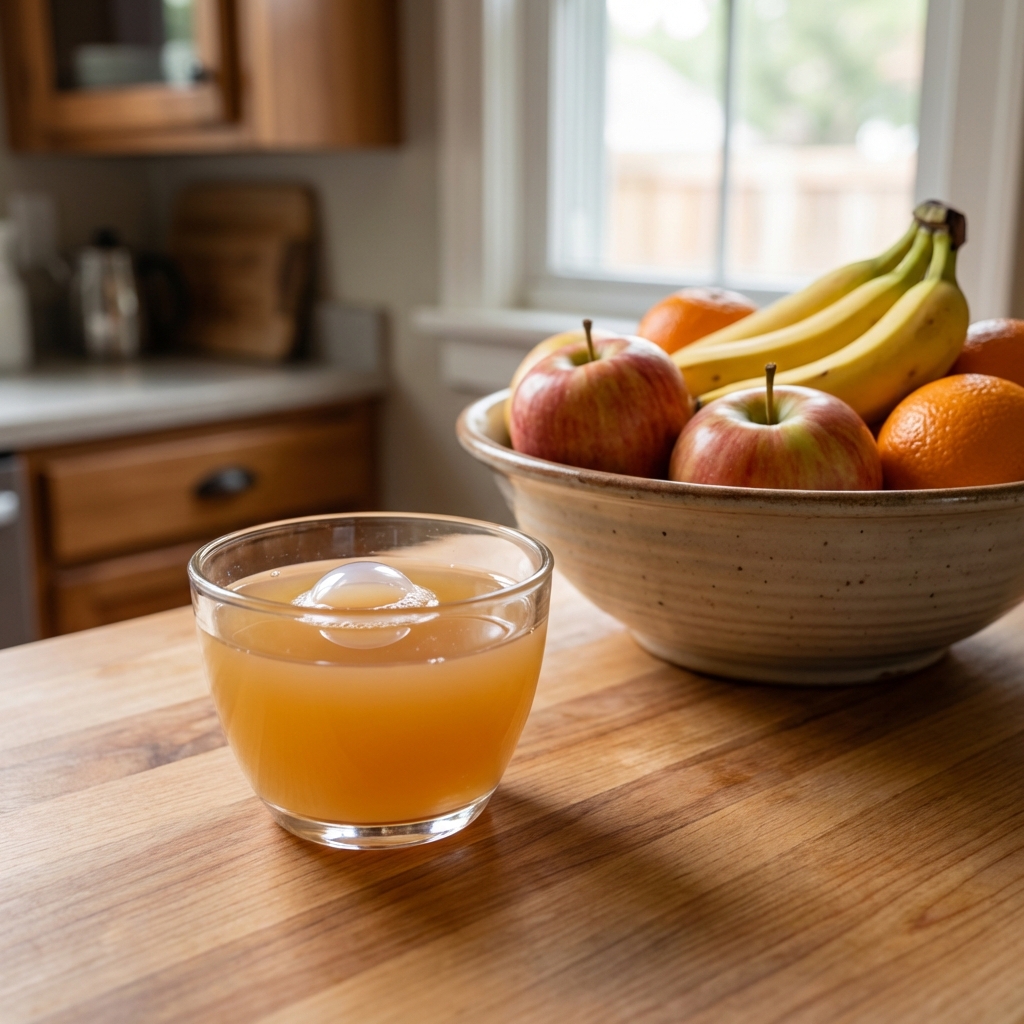
Quick ID: what kind of tiny flying bug is it?
You do not need a microscope. Use these quick clues to narrow it down.
Most common indoor suspects
- Fungus gnats: tiny, dark, mosquito-like flies that hover around houseplants and windows. Often worse after watering.
- Fruit flies: tan or brown, fast fliers that hang around fruit, recycling, bottles, and trash.
- Drain flies: fuzzy, moth-like tiny flies that rest on bathroom or kitchen walls near sinks. Usually linked to slimy buildup in drains.
- Phorid flies (humpbacked flies): small dark flies that run on surfaces more than they fly. Often from trash, drains, leaks, or hidden moisture.
- Cluster flies: slightly larger, sluggish flies that show up at windows, often in cooler months. They come in from outdoors to overwinter and may gather in wall voids or attics.
Fast tests you can do today
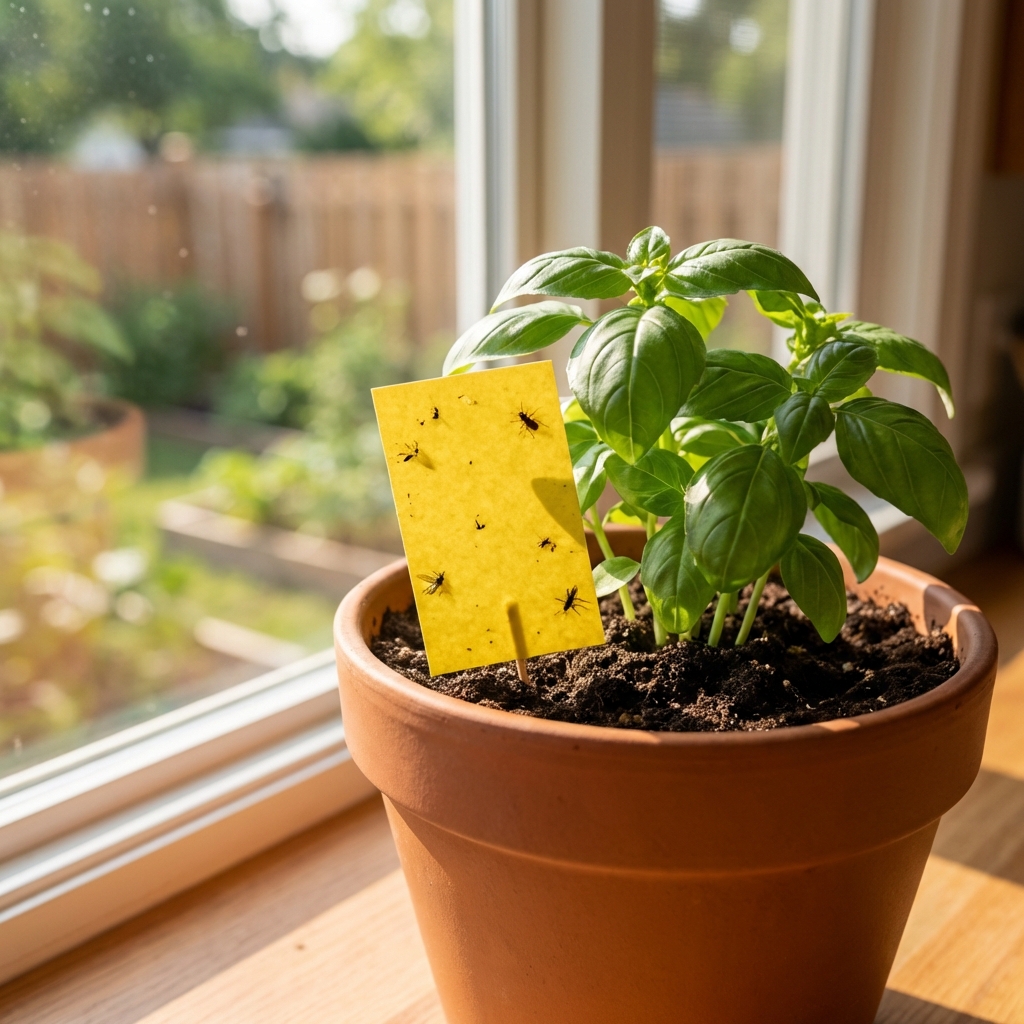
- Plant test: Place a yellow sticky card in a pot and water as usual. If you catch a bunch in 24 to 48 hours, it is likely fungus gnats.
- Vinegar test: Set out a cup trap (instructions below). If it fills up quickly, it is usually fruit flies.
- Drain test: Put clear tape over a drain overnight. If flies stick to it in the morning, your drain is the source.
Before you treat: find the source
Sprays and zappers feel satisfying, but small flies come back if the breeding site stays wet or dirty. Spend 10 minutes doing a quick “source check”:
- Kitchen: fruit bowl, potatoes/onions, recycling bin, empty bottles, trash can rim, compost container, mop bucket, wet sponges.
- Houseplants: soggy soil, water sitting in saucers, algae on soil surface, pots with no drainage.
- Bathroom/laundry: sink overflow holes, shower drain, floor drain, wet lint near washer, standing water in trays.
- Odd but real: leaky pipe under a cabinet, wet wall from a slow leak, forgotten bag of produce, pet food left out overnight.
If you can remove or dry the source, you are already most of the way there.
DIY fixes by bug type
1) Fungus gnats (houseplants)
Fungus gnats are the classic “I only see them near my plants” bug. Adults are annoying, but the larvae are in the top couple inches of moist soil. Your goal is to dry the surface and interrupt the larval stage.
- Let the soil dry more than usual: For most common houseplants, allow the top 1 to 2 inches to dry before watering again.
- Bottom-water when possible: Put water in the tray for 20 to 30 minutes, then dump the extra. Keeping the soil surface drier helps a lot.
- Remove standing water: Empty saucers and cachepots. Never let pots sit in water for days.
- Sticky traps: Yellow sticky cards catch adults so they cannot keep laying eggs.
- Top-dress the soil (optional helper): A thin layer of coarse sand or fine gravel can make the surface less inviting, but it works best as support alongside better watering habits.
- Use BTI for larvae: BTI (often sold as mosquito dunks/bits) can be soaked in water and used to water plants. It targets larvae and is a go-to DIY option for indoor plant gnats.
- Worst-case reset: If the potting mix stays soggy or smells swampy, repot into fresh mix and a pot with proper drainage.
What to expect: You often see a big improvement in 7 to 14 days, but full cleanup can take 3 to 4 weeks because eggs keep hatching for a while.
2) Fruit flies (kitchen and recycling)
Fruit flies breed in tiny bits of fermenting sugar. Even a small amount left in the bottom of a bottle, can, or trash liner can keep them breeding.
DIY trap that works
- Put apple cider vinegar in a cup (about 1/4 to 1/2 cup).
- Add one drop of dish soap and gently swirl. The soap breaks the surface tension so they sink.
- Set it near the busiest area (fruit bowl, trash, recycling).
DIY source cleanup checklist
- Remove ripe fruit or store it in the fridge for a week.
- Scrub the trash can, especially under the rim and around the lid.
- Rinse recycling and take it out more often until the problem is gone.
- Check for hidden produce: potatoes, onions, bananas, and fallen fruit behind appliances.
- Wipe sticky spots: juice spills, beer or wine drips, syrup, and pet food areas.
What to expect: Traps catch adults fast, but if you do not remove the breeding source, the trap just becomes a side show. Once the source is gone, numbers often drop sharply within a few days.
3) Drain flies (bathroom and sink drains)
Drain flies are often called “moth flies” because they look fuzzy and rest with their wings held like a tiny moth. They breed in the slimy film inside drains, not the water itself.
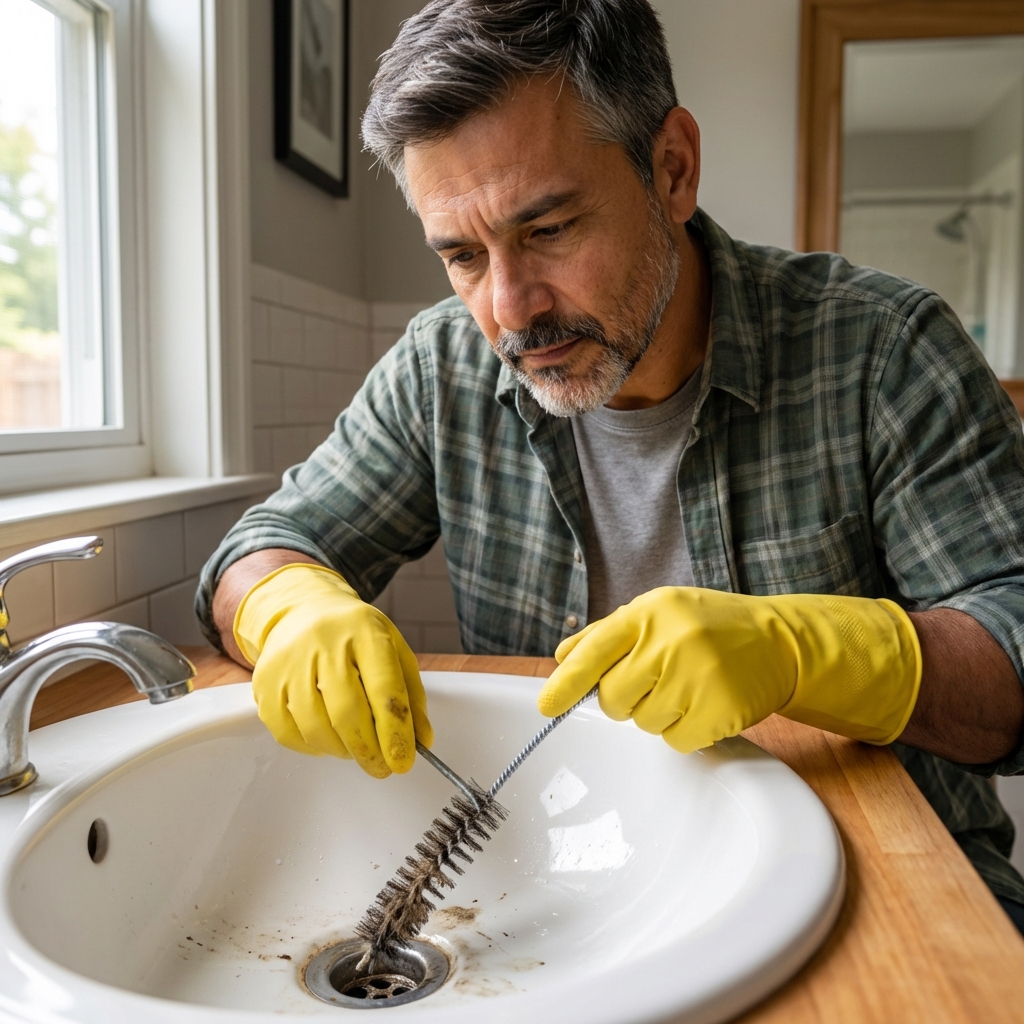
- Confirm the drain: Tape test overnight as mentioned earlier.
- Physically clean: Use a drain brush to scrub the inside of the drain and the P-trap area if accessible.
- Flush with hot water: After scrubbing, pour very hot water down the drain. Avoid boiling water if you are unsure about your plumbing.
- Enzyme drain gel: Use an enzyme-based drain cleaner for several nights. Enzymes help break down organic buildup where larvae live. Follow the label.
- Do not rely on bleach alone: Bleach might kill some adults, but it often does not remove the biofilm that keeps producing more.
What to expect: If you scrub well, you can see improvement within a few days. Stubborn drain issues often take 1 to 2 weeks of consistent cleaning.
4) Phorid flies (often moisture or gunk related)
Phorid flies can look like fruit flies at a glance, but they often dart and run on counters. They are usually tied to wet organic material: trash residue, drains, leaks, or even a dirty garbage disposal.
- Deep-clean disposal: Ice cubes and a little dish soap, then run it, and follow with hot water. Scrub the rubber splash guard.
- Check for leaks: Under-sink plumbing and behind dishwashers. Even slow leaks keep a breeding site alive.
- Clean floor edges: Especially around trash cans and under cabinets where liquid can seep.
- Use traps as a helper: Vinegar traps may reduce some adults, but source removal is what ends phorids.
Beginner DIY plan: a simple 7-day reset
If you are not sure what you have, do this week-long plan. It covers the most common sources without going overboard.
Day 1: Identify and place monitors
- Put out 1 vinegar trap in the kitchen.
- Put yellow sticky cards in any plant that has gnats.
- Tape-test one suspect drain overnight.
Day 2: Kitchen cleanup
- Refrigerate fruit, take out trash, rinse recycling.
- Wipe counters, especially sticky spots and around the sink.
Day 3: Drain cleaning
- Scrub the drain and flush hot water.
- Start enzyme gel nightly if needed.
Day 4: Plant adjustment
- Let the top of the soil dry. Empty saucers.
- Bottom-water only if the plant needs it.
Day 5: Recheck and tighten
- See what your traps caught. This usually tells you the main culprit.
- Target that source harder (more drain scrubbing or stricter plant watering).
Days 6 to 7: Keep pressure on
- Replace traps if full.
- Repeat drain treatment or BTI watering for gnats.
Tip: Most people quit too early. If you stay consistent for one full week, you often break the cycle.
Common mistakes that keep bugs coming back
- Overwatering plants because you are trying to “help” them. Many houseplants prefer to dry slightly between waterings.
- Only using traps without removing the breeding source.
- Skipping the trash can rinse. The bottom sludge is a major breeding site.
- Pouring chemicals into drains but never scrubbing. Mechanical cleaning matters.
- Ignoring a small leak. Constant moisture equals constant bugs.
If none of these match
- You are getting bites: Fungus gnats, fruit flies, and drain flies do not bite. If you have bites, look for mosquitoes (standing water), fleas, or biting midges, and consider getting an ID with a clear photo or a captured specimen.
- They are coming from dry foods: If you see insects around flour, cereal, rice, pet food, or spices, you might have a pantry pest instead of “little flies.” Inspect packages and store food in sealed containers.
- You mostly see them at windows: Some small flies are simply outdoor visitors, especially in seasonal swings. Check screens and window gaps and watch for patterns tied to weather.
Safety notes
- Do not mix drain cleaners: Never combine bleach with other cleaners. Use one product at a time and follow the label.
- Be careful with very hot water: If you are unsure about pipe type or condition, use hot tap water rather than boiling water.
- Ventilate: When cleaning drains or using any product, run the fan and open a window if possible.
When to worry (and when to call for help)
Most little flying bugs are a DIY fix. Consider extra help if:
- You cleaned, dried, and treated for 2 to 3 weeks with no real reduction.
- You suspect a hidden plumbing leak or water damage.
- You notice a strong odor or find flies coming from a wall or vent, which can point to a dead animal or a bigger moisture problem.
In those cases, a plumber or pest professional can be worth it because they can locate the source fast.
Prevention that actually works
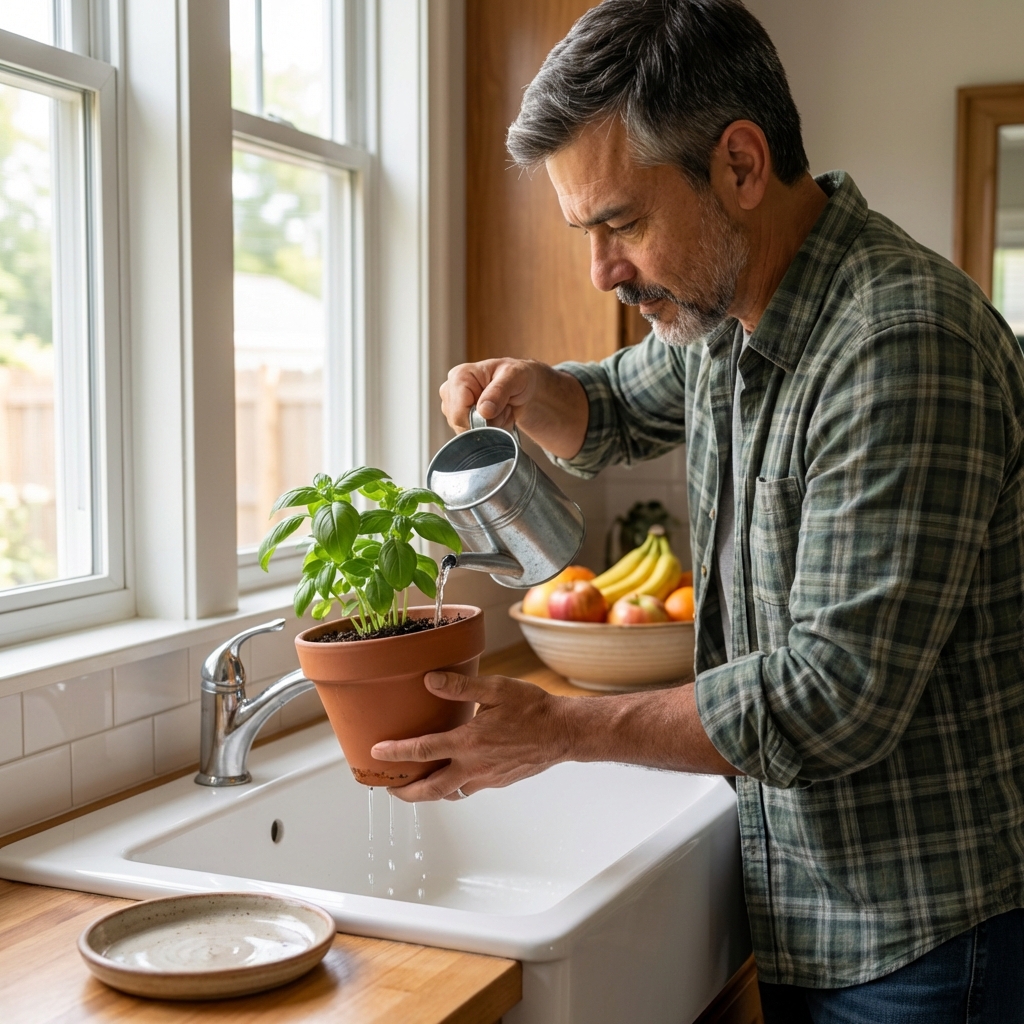
- Water smarter: Let the top layer dry for most houseplants, and do not let pots sit in water.
- Keep drains clean: A quick scrub monthly and occasional enzyme treatment helps prevent buildup.
- Handle produce differently: Rinse fruit, refrigerate ripe items, and check potatoes and onions weekly.
- Rinse recycling and take it out on a schedule.
- Fix moisture quickly: Leaks, wet rags, damp mop heads, and standing water are all invitations.
FAQ
Are these tiny flying bugs harmful?
Usually they are more annoying than dangerous. Fungus gnats can stress seedlings and young plants, but most indoor infestations are manageable. If you have bites, welts, or the bugs are not small flies (for example, mosquitoes), reassess the ID and look for standing water.
Why do I suddenly have them even though my house is clean?
You can have a clean home and still get them. A single overwatered plant, a little drain biofilm, or one forgotten potato is enough to start a cycle.
Does cinnamon on soil get rid of fungus gnats?
Cinnamon is often suggested, but results are hit or miss. Drying the soil surface, sticky traps, and BTI are more reliable.
How long until they are gone?
Fruit flies can drop in a few days once the source is removed. Fungus gnats and drain flies often take 2 to 4 weeks because you are dealing with eggs and larvae.

Jose Brito
I’m Jose Britto, the writer behind The Country Store Farm Website. I share practical, down-to-earth gardening advice for home growers—whether you’re starting your first raised bed, troubleshooting pests, improving soil, or figuring out what to plant next. My focus is simple: clear tips you can actually use, realistic expectations, and methods that work in real backyards (not just in perfect conditions). If you like straightforward guidance and learning as you go, you’re in the right place.