Hydrangeas look fancy, but the upkeep does not have to be complicated. A lot of common trouble comes down to watering, pruning timing, and light. Get those right, and your hydrangea can be one of the lowest-stress shrubs in the yard. That said, hungry deer, late frosts, and leaf-spot diseases can also throw a wrench in things, so it helps to know what to look for.
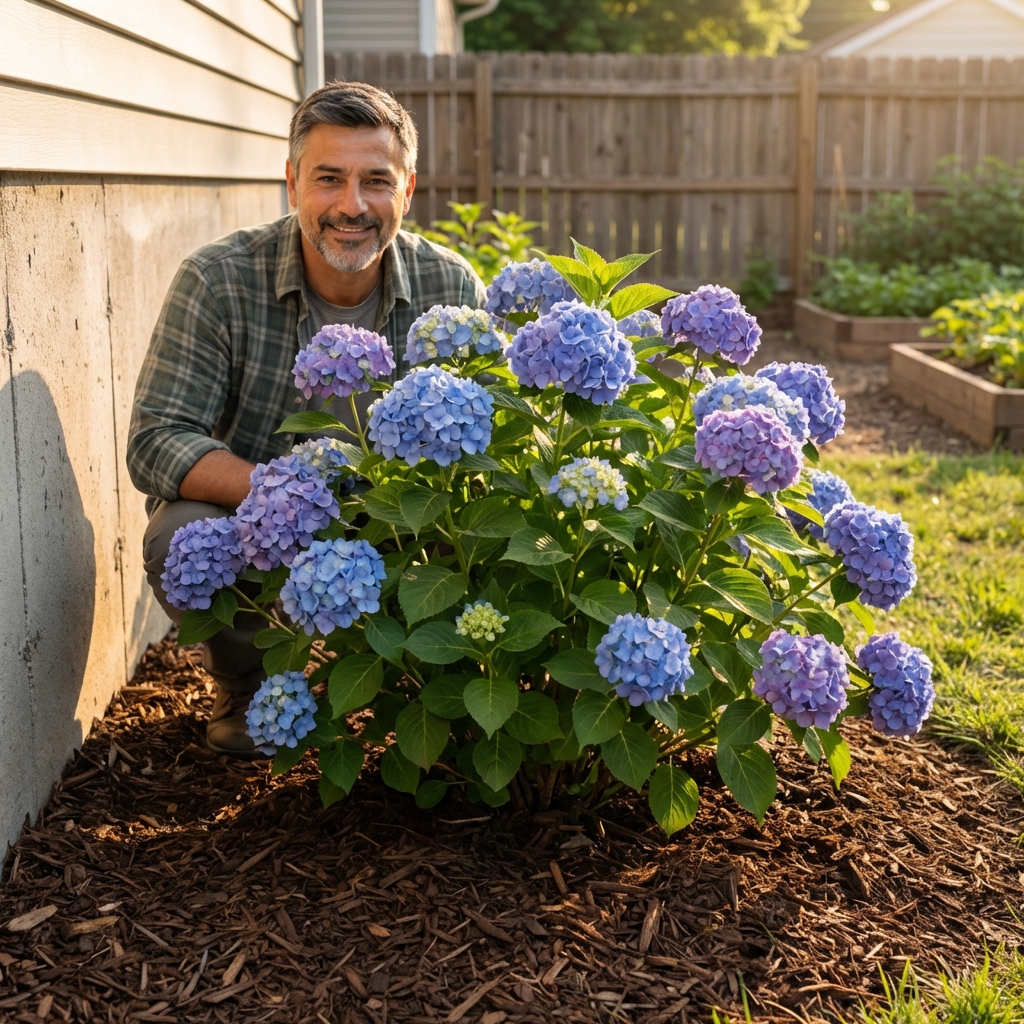
Know what kind you have
Pruning and bloom timing depends on the type. If you do not know the name, you can still make a good ID guess by bloom shape and when it flowers. Also worth knowing: some bigleaf-looking hydrangeas are actually mountain hydrangea (Hydrangea serrata). Care and pruning rules are very similar.
- Bigleaf (Hydrangea macrophylla): round mophead or lacecap blooms, often pink or blue. Many bloom on old wood, and many newer cultivars rebloom on new growth too.
- Panicle (Hydrangea paniculata): cone-shaped blooms, often white turning pink. Blooms on new wood.
- Smooth (Hydrangea arborescens): round white or greenish blooms like ‘Annabelle’. Blooms on new wood.
- Oakleaf (Hydrangea quercifolia): oak-shaped leaves, cone blooms, great fall color. Blooms on old wood.
Quick clue: If it blooms late summer even after a hard winter, it is often panicle or smooth. If it blooms early summer and sometimes skips a year after cold weather, it is often bigleaf, mountain, or oakleaf.
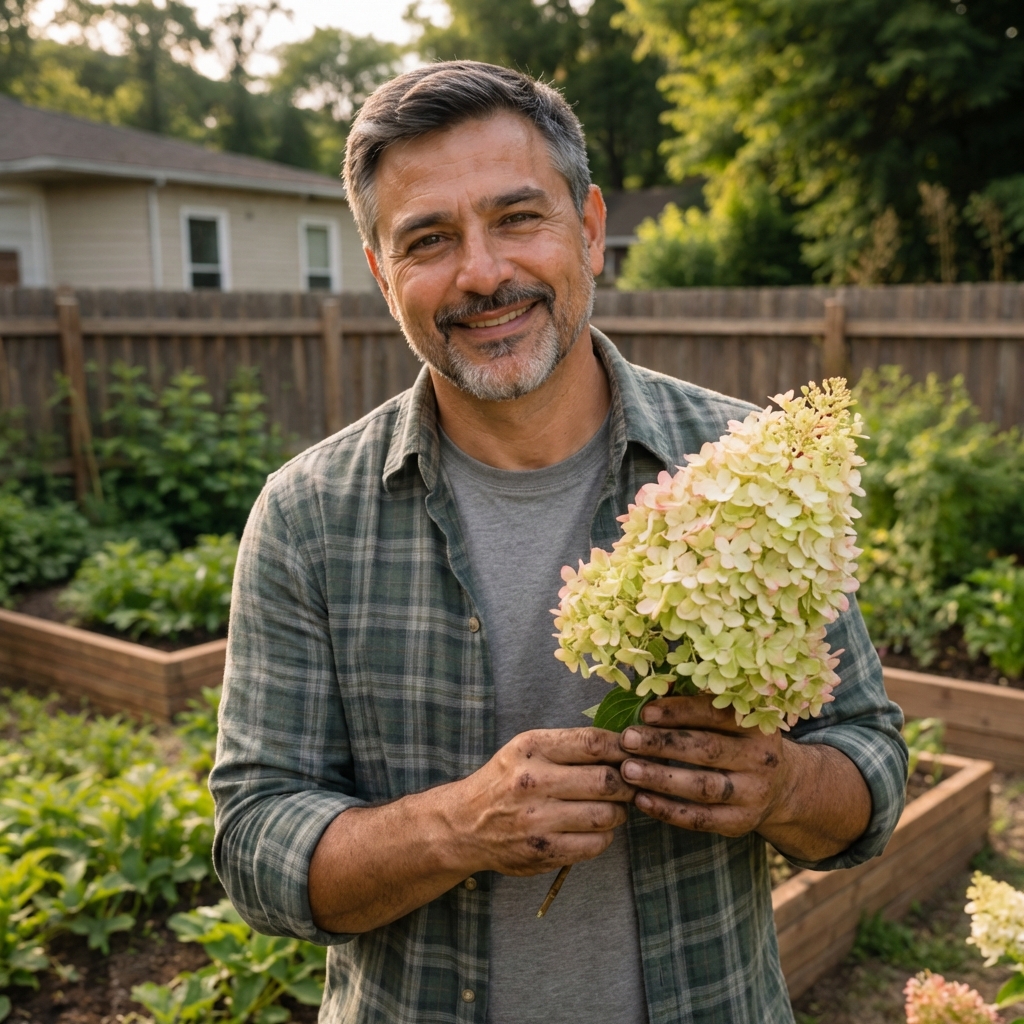
Light and placement
Light is one of the easiest ways to make hydrangea care feel simple. Many hydrangeas love morning sun and afternoon shade, especially bigleaf and oakleaf. Panicles are the exception more often than not.
Simple guidelines
- Bigleaf and oakleaf: morning sun, shade after lunch is ideal. In hot climates, more shade usually means happier leaves.
- Panicle: often performs best with more sun. In cooler climates it can handle, and often prefers, full sun. In hotter climates, a bit of afternoon shade helps prevent stress.
- Smooth: part sun is great. Some afternoon shade helps in hotter climates.
Pro tip: Windy spots dry plants fast. If your hydrangea droops by midday, the issue is often heat plus wind, not just “needs more water.”
Watering made easy
Hydrangeas like consistent moisture, not soggy roots. The goal is to water deeply so roots grow down, then let the top inch or two of soil dry slightly before watering again.
How often?
- New plant (first growing season): check every 1 to 2 days during hot weather. Water when the top 1 to 2 inches feel dry.
- Established plant: 1 to 2 deep waterings per week in dry spells. More often in heat, wind, or sandy soil.
What “deep watering” means
- Soak the root zone slowly until the soil is moist several inches down (aim for about 6 to 8 inches). As a baseline, many gardens need around 1 inch of water per week in summer, more during heat waves.
- Water at the base, slow and steady, so it soaks in.
- Morning is best. Evening is okay if you keep leaves dry.
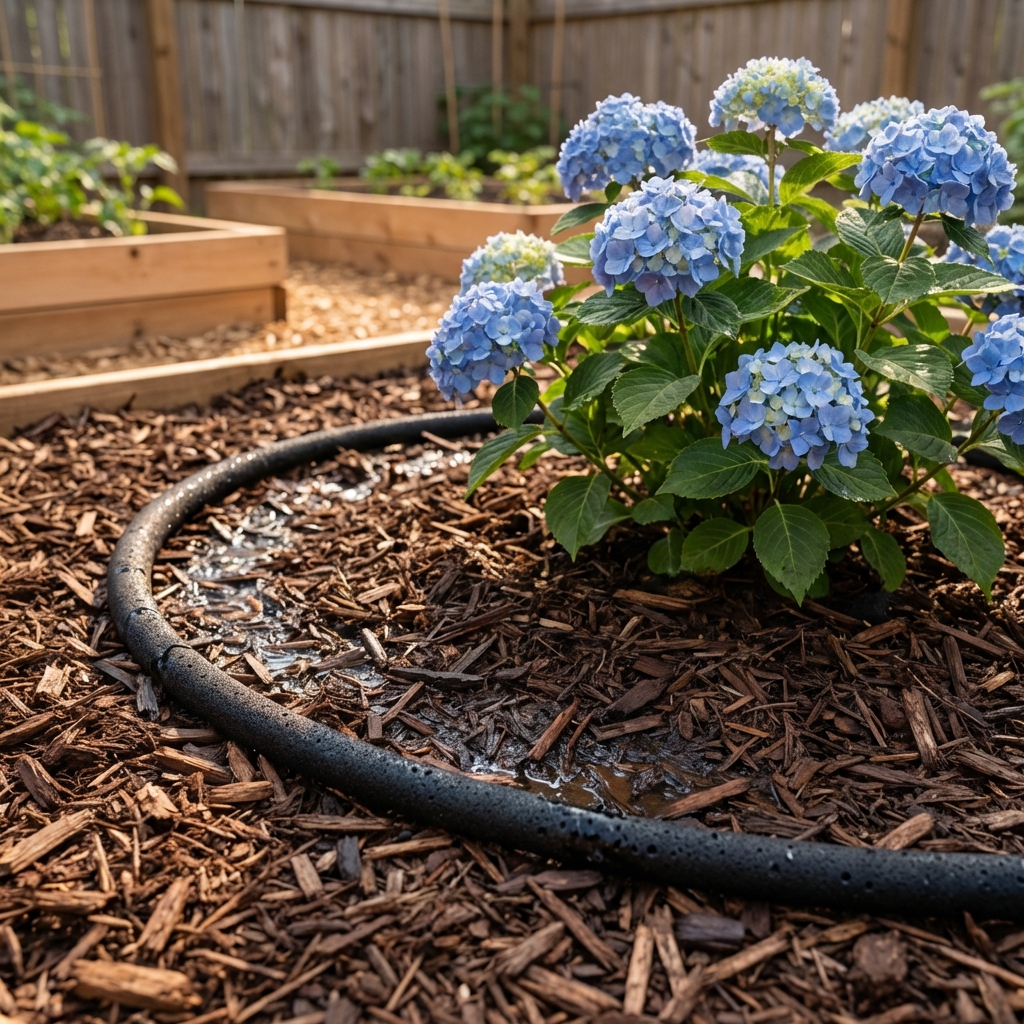
- A soaker hose under mulch is a set-it-and-forget-it win.
Wilting check: Hydrangeas can wilt in midday heat even when soil is moist. If the plant perks up in the evening, it is usually heat stress. If it stays limp, check the soil before watering again. Dry soil means it needs water, but wet, heavy soil plus wilting can point to drainage problems or root stress.
Mulch and soil
Mulch is hydrangea maintenance on autopilot. It keeps roots cool, reduces watering, and improves soil over time.
- Use 2 to 3 inches of shredded bark, leaf mold, or compost.
- Keep mulch a few inches away from the stems to prevent rot.
- Top up once a year, usually in spring or early summer.
Hydrangeas like rich soil that drains well. If your soil is heavy clay, add compost. For new plantings, you can mix compost into the planting area. For established shrubs, it is usually safer to top-dress with compost and refresh mulch instead of digging around the root zone.
Feeding basics
Hydrangeas are not heavy feeders, and too much nitrogen can create big leaves with fewer blooms. If your plant looks healthy, you can often skip fertilizer and just add compost.
Easy feeding plan
- Spring: apply a light, balanced slow-release fertilizer (something close to 10-10-10) or top-dress with compost.
- Early summer: optional second light feeding for bigleaf and smooth if growth is weak.
- Late summer and fall: avoid fertilizing. You do not want tender new growth going into cold weather.
Container hydrangeas: use a slow-release fertilizer in spring and supplement with a liquid feed as needed through mid-summer. Follow label rates, since products vary.
Pruning without losing blooms
This is where most people get burned. The key is pruning based on whether your hydrangea blooms on old wood or new wood. Cultivar matters, so when in doubt, prune minimally for one season and watch how it responds.
Bigleaf and oakleaf (often old wood)
- Best time: right after flowering.
- What to remove: dead wood, weak stems, and spent blooms if you want a tidier look.
- Avoid: hard pruning in late fall, winter, or early spring. That can remove flower buds.
Note on reblooming bigleaf: Many newer macrophylla cultivars set buds on both old and new growth, which makes them more forgiving. Even then, heavy pruning at the wrong time can still reduce flowers.
Panicle and smooth (new wood)
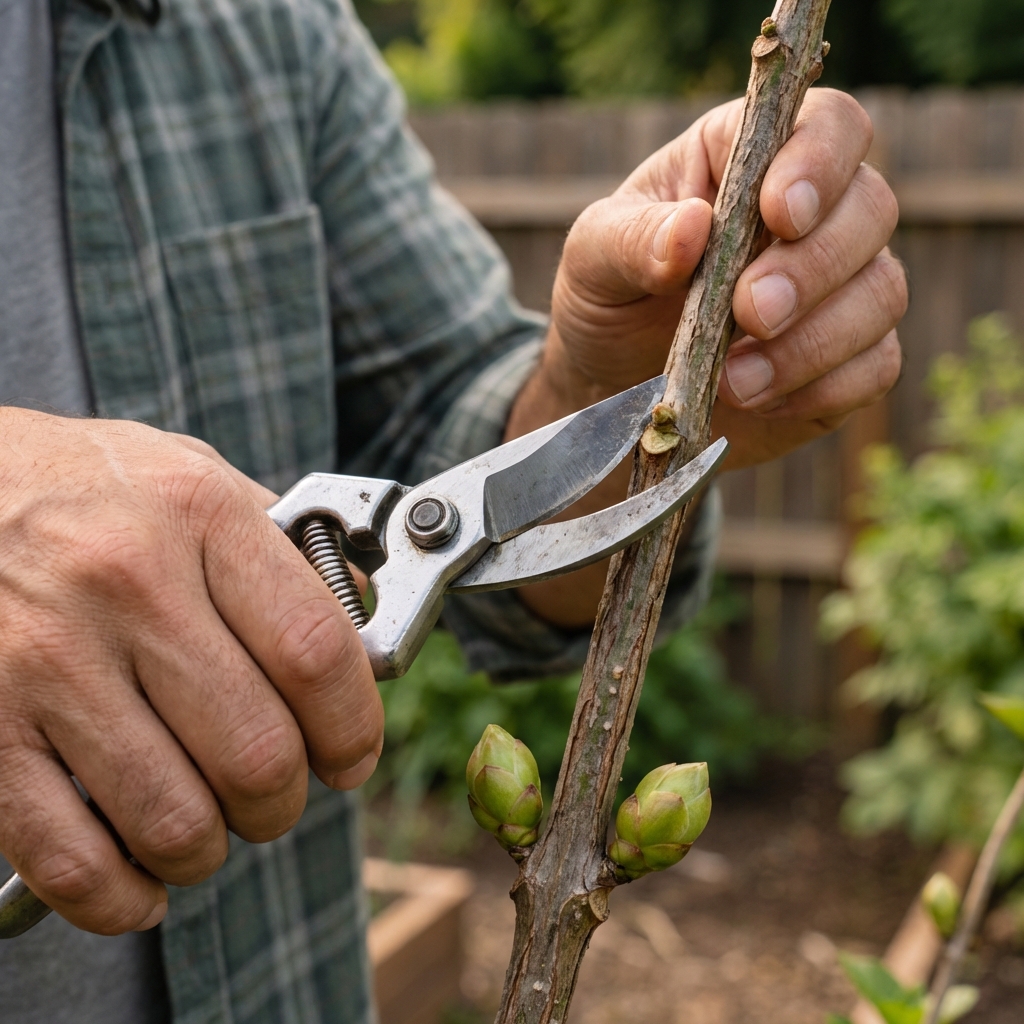
- Best time: late winter to early spring before new growth takes off.
- How much: prune back by about one-third for shape and stronger stems.
- Smooth types like ‘Annabelle’: you can cut back harder, but leaving 12 to 18 inches often helps reduce flopping. Some cultivars still need support, especially after heavy rain.
Deadheading tip: Snip spent blooms just above the first set of healthy buds. If you are unsure, wait until spring and remove dead blooms then.
More blooms, less mess
Some bigleaf varieties are rebloomers, meaning they flower on both old and new growth. They still benefit from correct care, but they are more forgiving if winter kills buds.
- Support heavy blooms: if stems flop, use a plant ring or a few stakes early in the season before it gets tall.
- Remove weak stems: fewer, stronger stems often means bigger blooms and less flopping.
- After storms: cut broken stems cleanly back to healthy growth to prevent disease.
Bloom color changes
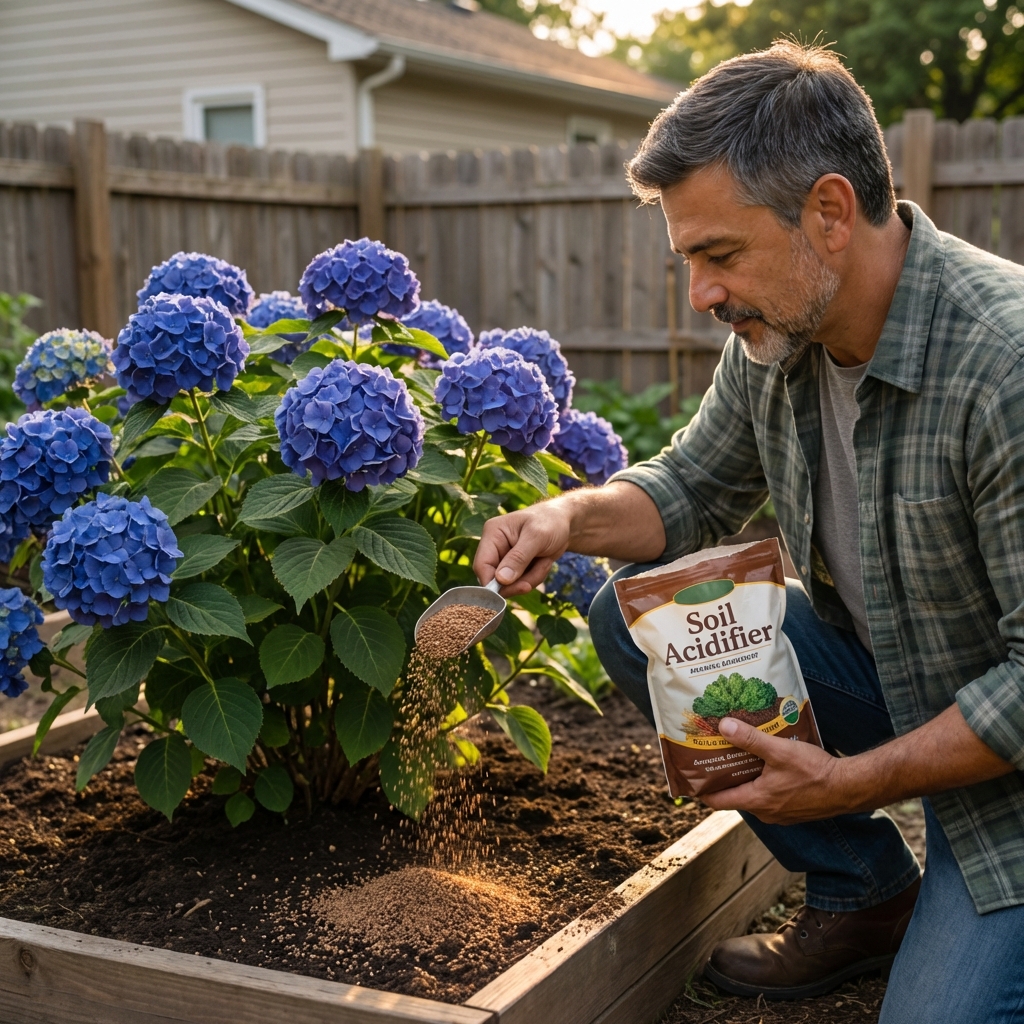
If you have a bigleaf hydrangea with pink or blue blooms, color depends mostly on soil pH and aluminum availability. Some cultivars shift dramatically, others only a little.
- Bluer blooms: more acidic soil and available aluminum. Garden sulfur and aluminum sulfate are commonly used.
- Pinkier blooms: higher pH. Garden lime is commonly used.
Important: White hydrangeas (many panicle and smooth) do not change color the same way. Also, color change takes time. Expect gradual shifts over a season or two, not overnight results. Soil testing helps. One more tip: high-phosphorus fertilizers can reduce aluminum uptake, which can make it harder to push blooms blue.
Common problems and fixes
Leaves are yellow
- Most likely: too much water, poor drainage, or nutrient lockout in high pH soil.
- Try this: improve drainage, add compost, and consider a soil test. For chlorosis (yellow leaves with green veins), an iron supplement can help short-term.
No blooms
- Most likely: wrong pruning time, winter bud damage, late frost, too much shade, or too much nitrogen.
- Try this: identify type and adjust pruning, move to more morning sun if possible, and go easy on high-nitrogen lawn fertilizer near the plant. If you have bigleaf in a cold zone, winter protection can make a big difference.
Wilting even after watering
- Most likely: heat stress, compacted soil, or roots staying too wet.
- Try this: add mulch, water deeply in the morning, and check that soil is not staying soggy.
Brown edges on leaves
- Most likely: sun scorch, drought stress, or salt buildup from heavy fertilizing.
- Try this: provide afternoon shade, water consistently, and flush soil with a deep watering if you suspect fertilizer salts.
Spots on leaves
- Most likely: leaf spot diseases like Cercospora or anthracnose, especially in warm, humid weather.
- Try this: avoid overhead watering, improve airflow, clean up fallen leaves, and remove heavily spotted leaves. If it returns every year, talk with a local extension office about timing and options for preventative sprays.
Chewed leaves or damaged buds
- Most likely: deer or rabbits, or insects like Japanese beetles and aphids.
- Try this: look for browsing height and clean bite marks (deer), or ragged lower damage (rabbits). Use fencing or repellents as needed. For insects, start with a strong water spray for aphids and hand-pick beetles in the morning.
Powdery mildew
- Most likely: humid weather plus poor airflow.
- Try this: thin crowded stems, avoid overhead watering, and remove heavily affected leaves. It is usually cosmetic, not deadly.
Winter and cold tips
Bigleaf and oakleaf hydrangeas can lose next year’s blooms when buds are damaged by cold or late frost. Panicle and smooth are usually more reliable in colder winters because they bloom on new wood.
- Protect buds: in harsh winters, add mulch over the root zone and consider a breathable windbreak. The goal is to reduce wind and temperature swings and protect buds that sit above the snow line.
- Skip plastic: avoid wrapping in plastic that traps moisture.
- Do not prune hard: on old-wood bloomers in fall, winter, or early spring.
Seasonal checklist
Spring
- Remove winter-damaged stems.
- Top up mulch and add compost.
- Fertilize lightly if needed.
Summer
- Water deeply during dry spells.
- Deadhead for a cleaner look.
- Watch for droop in heat and adjust water, wind exposure, or shade if necessary.
Fall
- Stop fertilizing.
- Keep watering until the ground cools if it is dry.
- Leave some blooms for winter interest if you like.
Winter
- For bigleaf in cold areas, protect buds with mulch and a breathable windbreak if winters are harsh.
- Avoid heavy pruning on old-wood bloomers.
My easy mode routine
If you want the simplest plan that works for most home gardens, do this:
- Mulch every year.
- Water deeply once or twice a week in dry weather.
- Prune only after bloom for bigleaf and oakleaf, and in late winter for panicle and smooth.
- Feed lightly in spring, or just use compost.
Stick with that for one full season and you will learn what your specific plant wants in your yard. When something looks off and the easy fixes are not working, a soil test or a call to your local extension office can save you a lot of guessing.

Jose Brito
I’m Jose Britto, the writer behind The Country Store Farm Website. I share practical, down-to-earth gardening advice for home growers—whether you’re starting your first raised bed, troubleshooting pests, improving soil, or figuring out what to plant next. My focus is simple: clear tips you can actually use, realistic expectations, and methods that work in real backyards (not just in perfect conditions). If you like straightforward guidance and learning as you go, you’re in the right place.