Fleas are tiny, stubborn, and annoyingly good at hiding. The good news is you can make a big dent in an indoor flea problem with natural methods, as long as you do two things: treat the pet (or whatever animal the fleas are feeding on) and treat the home (where most of the flea life cycle is happening).
This guide walks you through practical, down-to-earth steps that work in real houses with real schedules. No fancy gear required.
First, confirm it is fleas
Before you go all-in, make sure you are not battling something else like bed bugs, carpet beetles, or mosquitoes.
- On pets: Look for “flea dirt” (tiny black specks) around the base of the tail, belly, and neck. Put specks on a damp paper towel. If they smear reddish-brown, that is digested blood.
- On you: Flea bites often show up as small itchy bumps on ankles and lower legs, sometimes in clusters.
- In the home: White sock test: walk slowly on carpet in white socks. Fleas can jump onto the fabric and be easier to spot.
If someone in the home has severe reactions, signs of infection, or you suspect bed bugs, it is worth confirming with a professional.
Know what you are up against
Here is why fleas feel impossible: the adults you can see are just one slice of the problem. Most of the population is usually in earlier stages in your home.
- Adults: Bite pets and people.
- Eggs: Fall off pets into carpets, cracks, bedding, and furniture.
- Larvae: Hide deep in fibers and feed on flea dirt.
- Pupae: Protected in a sticky cocoon. This stage can “wait” and hatch when it senses vibrations, warmth, and nearby hosts.
That is why you need repeated cleaning over a couple weeks. You are not just killing adults. You are breaking the cycle.
What to do today (first-hour priorities)
In many homes this will take more than 60 minutes, especially if you have multiple rooms or lots of laundry. These are the highest-impact steps to start with.
1) Confine pets to one area
If your dog or cat is roaming room-to-room, they are distributing eggs everywhere. Pick one easy-to-clean area (tile is best) and keep bedding washable. Use a baby gate, crate, playpen, or a single room, whatever is realistic for your pet.
2) Wash what can be washed
Gather pet bedding, throw blankets, slipcovers, and any fabric your pet sleeps on.
- Wash on hot if the fabric allows.
- Dry on high heat for at least 30 to 40 minutes if safe for the item.
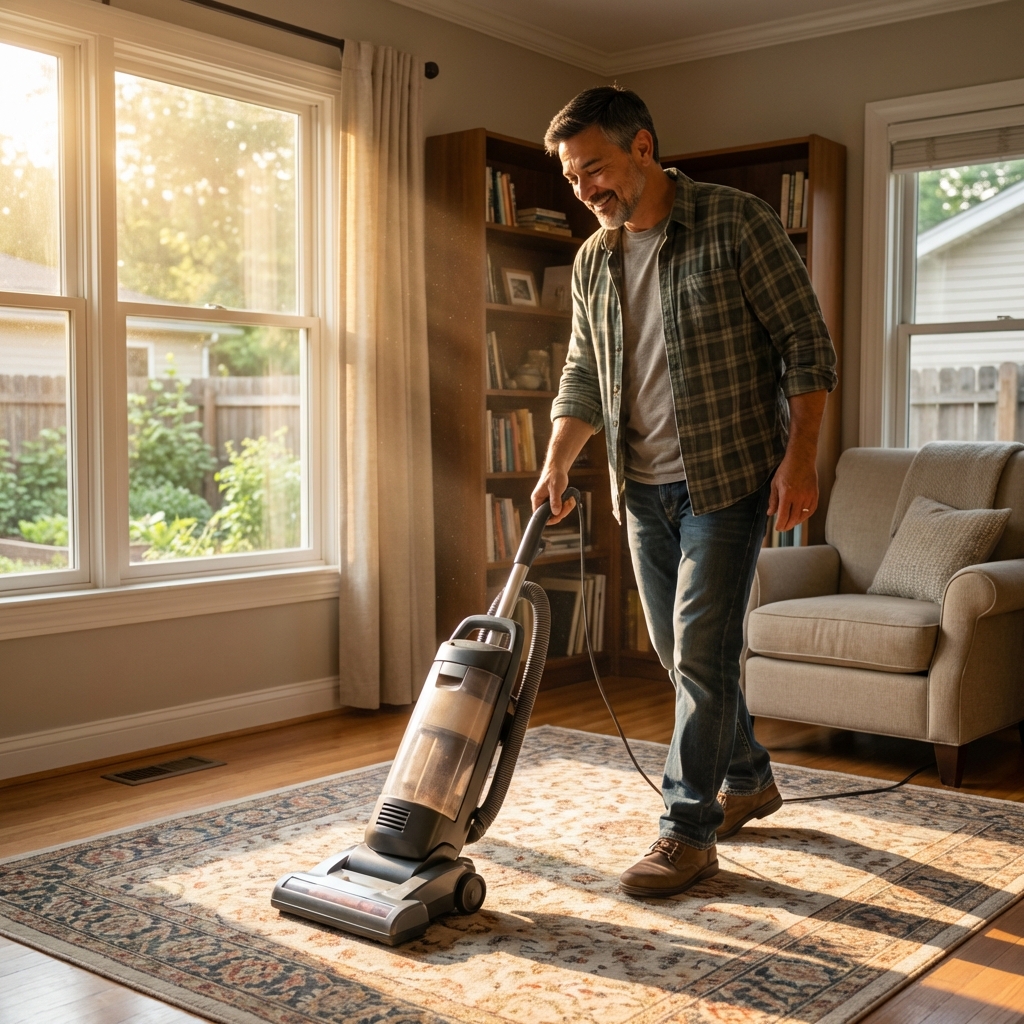
3) Vacuum like you mean it
Vacuuming is one of the most effective natural tools you have because it removes adults, eggs, and larvae. It may also help trigger pupae to emerge (vibration and activity can be a cue), which is one reason repeated vacuuming matters.
- Hit carpets, rugs, baseboards, under furniture, and cushion seams.
- Use crevice tools along edges and cracks.
- After vacuuming: empty the canister outdoors or seal the bag in a plastic bag and toss it.
- Bagless vacuums: wash or wipe the canister, and clean or replace filters as the manufacturer allows. This helps prevent surviving fleas from crawling back out.
Natural home treatments that help
Diatomaceous earth (food-grade)
Food-grade diatomaceous earth can help dry out and damage insects. It is not an instant knockout, but it can support your cleaning routine.
- Use a very light dusting in carpet edges, pet resting areas, and floor cracks.
- Let it sit 24 to 48 hours, then vacuum thoroughly.
- Safety: even food-grade dust can irritate lungs (people and pets). Wear a mask or respirator while applying, avoid creating clouds of dust, and keep pets and kids out until the dust settles. Do not use pool-grade products.
- Vacuum tip: a HEPA-filter vacuum (or a HEPA-rated shop vac) is ideal if you have one.
If anyone in the home has asthma or respiratory sensitivity, skip dusty powders and focus on vacuuming and laundering.
Baking soda and salt (optional)
Some people use fine salt or baking soda worked into carpets, left overnight, then vacuumed. Evidence is mixed, so treat this as optional and somewhat anecdotal. It can act as a drying aid in some situations, but it is not a stand-alone solution.
- Use a light sprinkle, brush in with a broom, leave overnight, vacuum well.
- Vacuum care: fine powders can clog filters, and salt can be mildly abrasive. Plan to empty the vacuum, clean the canister, and check or replace filters afterward.
- Do not rely on this alone if you have a heavy infestation.
Steam for rugs and upholstery
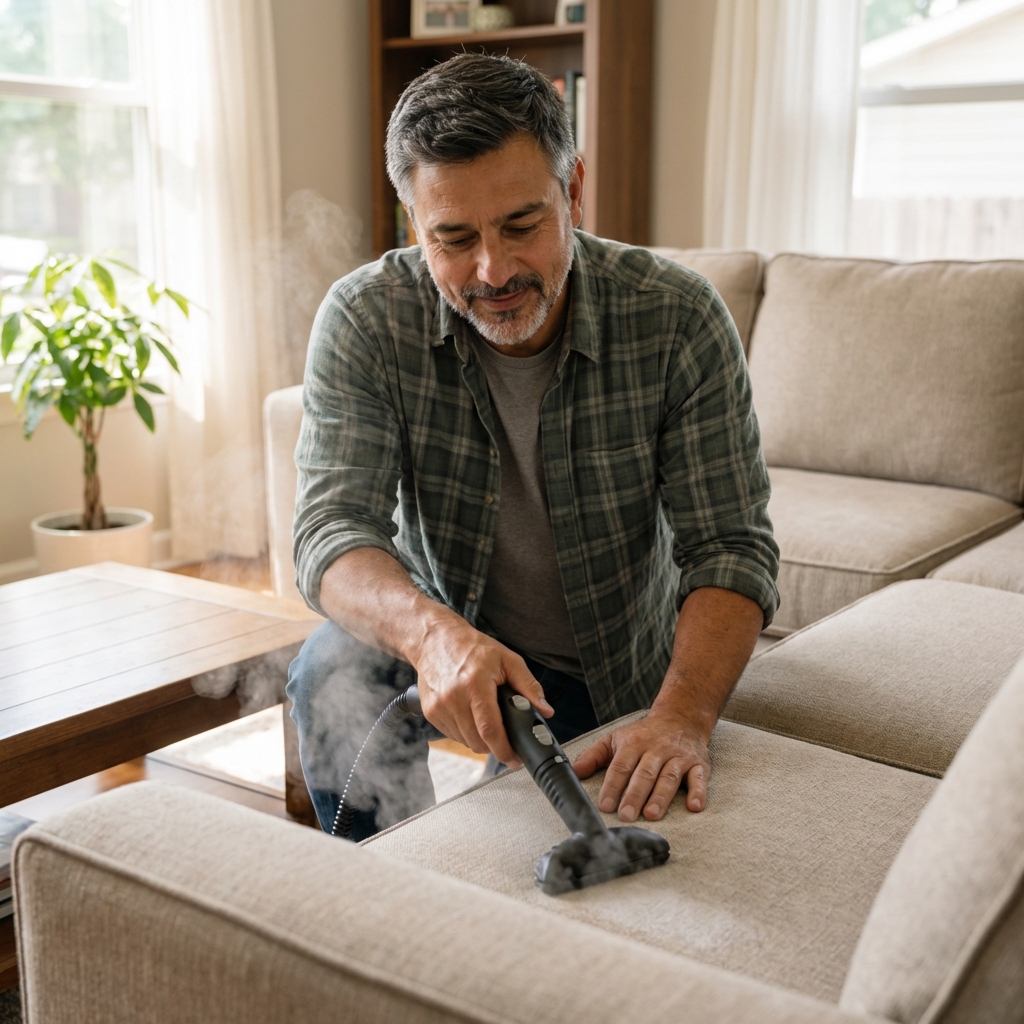
Heat is a natural enemy of fleas. If you have a steam cleaner, use it on rugs, pet beds (if safe), and upholstered furniture. Move slowly so heat has time to penetrate.
- Use the hottest setting that is safe for the material, and aim for good contact time at the surface.
- Avoid over-wetting carpets and cushions. Too much moisture can cause odors or mold, especially in humid climates.
Sticky traps to monitor activity
Place flea traps or sticky pads near pet sleeping areas. This will not solve the infestation by itself, but it tells you where activity is highest and whether your plan is working week to week.
Natural pet steps (do not skip)
If your pet is untreated, your house treatment becomes an endless loop. Treat all pets in the household at the same time, even indoor-only pets. Otherwise fleas can bounce between animals and drag the problem out.
Comb and bathe strategically
- Use a flea comb daily for a week, focusing on neck, tail base, and belly.
- Dip the comb in a bowl of warm water with a little dish soap to trap fleas.
- For dogs, a bath can remove fleas. Dish soap can work in a pinch, but it can also dry out skin, so do not use it as a routine plan. If you bathe, use a pet-safe shampoo when possible.
- For cats, do not bathe unless you know your cat tolerates it safely, and only use products labeled for cats.
Talk to your vet if it is heavy
“Natural only” sounds nice, but it can fall short when fleas are entrenched. Many modern vet-recommended flea preventatives are highly effective and can quickly stop egg-laying, which makes your natural home cleaning finally work. If your pet has flea allergy dermatitis, anemia risk, is very young or elderly, or you have multiple pets, it is worth a quick call.
Skip essential oil DIYs
Be careful with essential oils. Some are toxic to pets, especially cats. Tea tree oil is a common example of something that can cause serious problems for animals. If a remedy involves applying oils to your pet, pause and verify with a veterinarian.
Quick health note
Fleas can bite humans, trigger allergic reactions, and spread tapeworms to pets (usually when a pet swallows an infected flea while grooming). If itching is severe, bites look infected, or your pet seems lethargic or pale, get medical or veterinary advice.
Your 14-day natural flea plan
Days 1 to 3
- Vacuum daily (carpets, edges, furniture, under beds).
- Wash and heat-dry pet bedding and throws.
- Flea comb pets daily.
- Optional: apply food-grade diatomaceous earth lightly in problem areas and vacuum it up after 24 to 48 hours.
Days 4 to 10
- Vacuum every other day (or daily if bites continue).
- Keep washing bedding twice per week.
- Use steam on upholstery and rugs once if possible.
- Check traps to see where activity remains.
Days 11 to 14
- Vacuum twice during the week.
- Do a final deep wash of pet bedding.
- Reassess: if you still see adult fleas regularly, you may be dealing with pupae hatching in waves or a reinfestation source.
Realistic expectation: even with strong cleaning, it can take 2 to 4 weeks to fully break the cycle in carpeted homes.
Find the source
Check outdoor hot spots
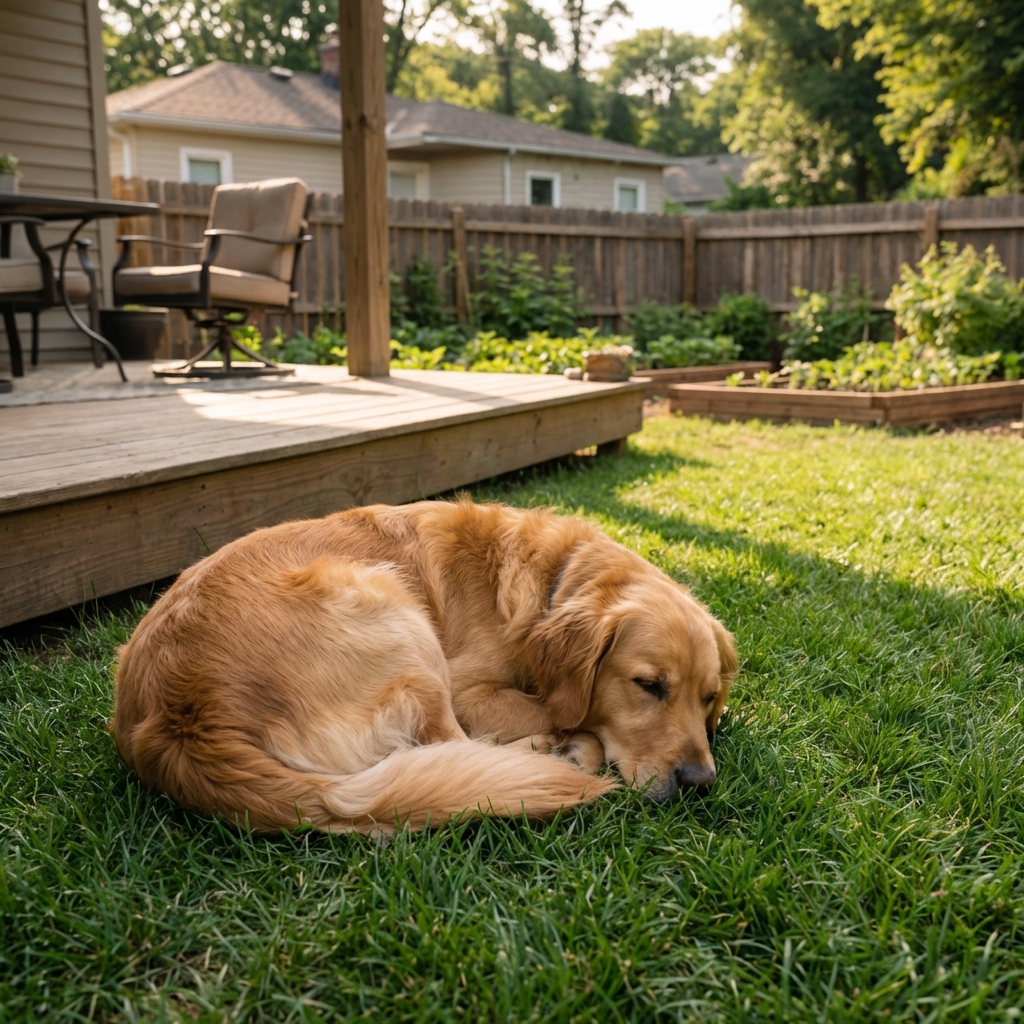
If pets spend time outside, fleas may be coming from shady, humid areas like under decks, along fences, or where animals rest.
- Mow and remove yard debris where pets lounge.
- Limit wildlife attractants (pet food outside, open trash).
- Wash outdoor pet bedding too.
Seal and clean indoor hiding places
- Vacuum along baseboards and under radiators.
- Reduce clutter on floors for two weeks so you can clean properly.
- If you have old hardwood with gaps, focus on crevices and consider a very light dusting of food-grade diatomaceous earth in cracks followed by vacuuming.
If you rent or share walls
In apartments and multi-unit buildings, fleas can sometimes move between units via pets, shared laundry areas, or hallways. If the problem keeps returning, coordinate with property management so you are not fixing the same issue in a loop.
When natural methods are not enough
If you are doing the plan above and still getting bitten daily after two weeks, consider one of these issues:
- Pets are not fully protected and fleas keep feeding and reproducing.
- Pupae are hatching in waves, especially in carpet and upholstery.
- A wildlife source (stray cat, raccoon, rodents) is reintroducing fleas.
- Multiple pets are not treated together, which creates a reinfestation ping-pong.
If you still see fleas on your pet after 7 to 10 days of consistent combing and cleaning, or if your pet is small, very young, elderly, or seems unwell, loop in your veterinarian promptly. Pairing your cleaning routine with a vet-approved pet treatment or consulting a reputable pest professional can be the fastest, most humane option for everyone in the house.
Quick FAQ
Can I get rid of fleas naturally without chemicals?
You can often control light to moderate infestations with vacuuming, hot washing, heat, and consistent pet care. Heavy infestations usually need extra help, especially for the pet side of the problem.
Does vinegar kill fleas?
Vinegar can repel or irritate fleas, but it is not a reliable killer for an infestation. It is better used as a cleaning aid, not your main strategy.
How long until fleas are gone?
Expect 2 to 4 weeks in many homes, especially with carpet. The goal is fewer bites and fewer fleas each week, not overnight perfection.

Jose Brito
I’m Jose Britto, the writer behind The Country Store Farm Website. I share practical, down-to-earth gardening advice for home growers—whether you’re starting your first raised bed, troubleshooting pests, improving soil, or figuring out what to plant next. My focus is simple: clear tips you can actually use, realistic expectations, and methods that work in real backyards (not just in perfect conditions). If you like straightforward guidance and learning as you go, you’re in the right place.