Flies are not picky. If they can find moisture, food, and a warm place to land, they will show up. The good news is you do not need harsh chemicals to get them under control. Most fly problems come down to two things: what is attracting them and where they are breeding.
Below are straightforward, natural fly killers and prevention steps you can actually keep up with. Pick one quick solution for today, then add one prevention habit so the problem does not restart next week.
Know your flies first
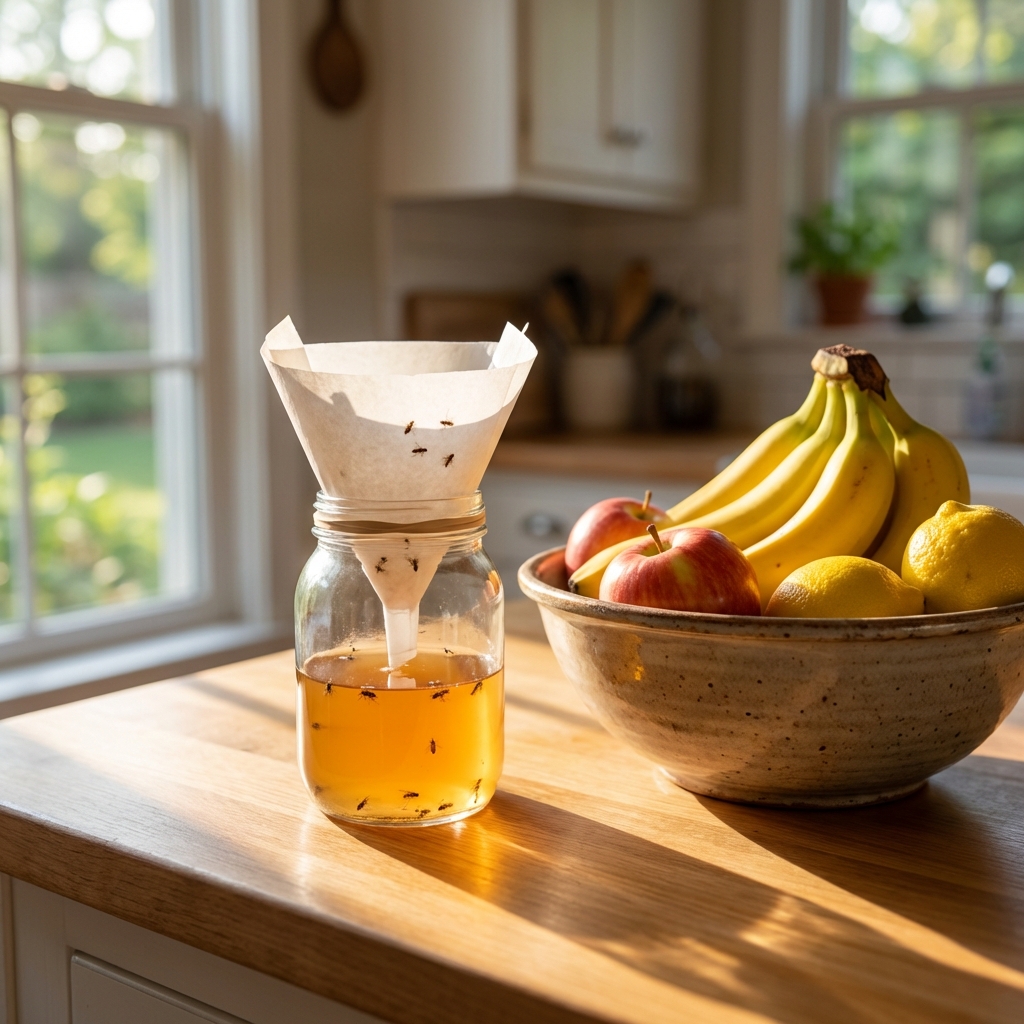
Different flies respond to different baits. If you match the trap to the fly, you will catch more with less effort.
- Fruit flies: tiny, tan, hover around fruit bowls, recycling, drains, and anything fermenting.
- House flies: larger, gray, hang around windows, near trash, pet food, and outdoor grilling areas.
- Drain flies (moth flies): small with fuzzy, moth-like wings, often spotted near sinks, tubs, and floor drains. They are handled the same way as the drain cleanup steps below.
- Fungus gnats: tiny, dark, float around houseplants and damp potting soil.
- Blow flies: bigger and louder, often metallic green or blue, usually tied to outdoor trash or something dead nearby.
If you are seeing large numbers suddenly, do a quick check for a source: trash can drips, compost, recycling, pet waste, a forgotten onion bag, or a clogged drain.
Fast natural fly killers (pick one)
1) Dish soap fly spray (quick knockdown)
This is one of the simplest ways to deal with flies indoors when you need fast relief.
- Mix 2 cups warm water with 1 teaspoon liquid dish soap in a spray bottle.
- Spray directly on flies (aim to really saturate them) or on high-traffic landing spots (window sills, near trash).
- Wipe surfaces afterward, especially around food areas.
Why it works: soap can break surface tension and can smother insects. Results vary by species and how directly you hit them, but it can kill or immobilize on contact when sprayed thoroughly. It is not a long-term repellent, but it is handy when you need immediate help.
2) Vinegar fruit fly trap (best for kitchens)
For fruit flies, you want fermentation smells. This trap is cheap and surprisingly effective.
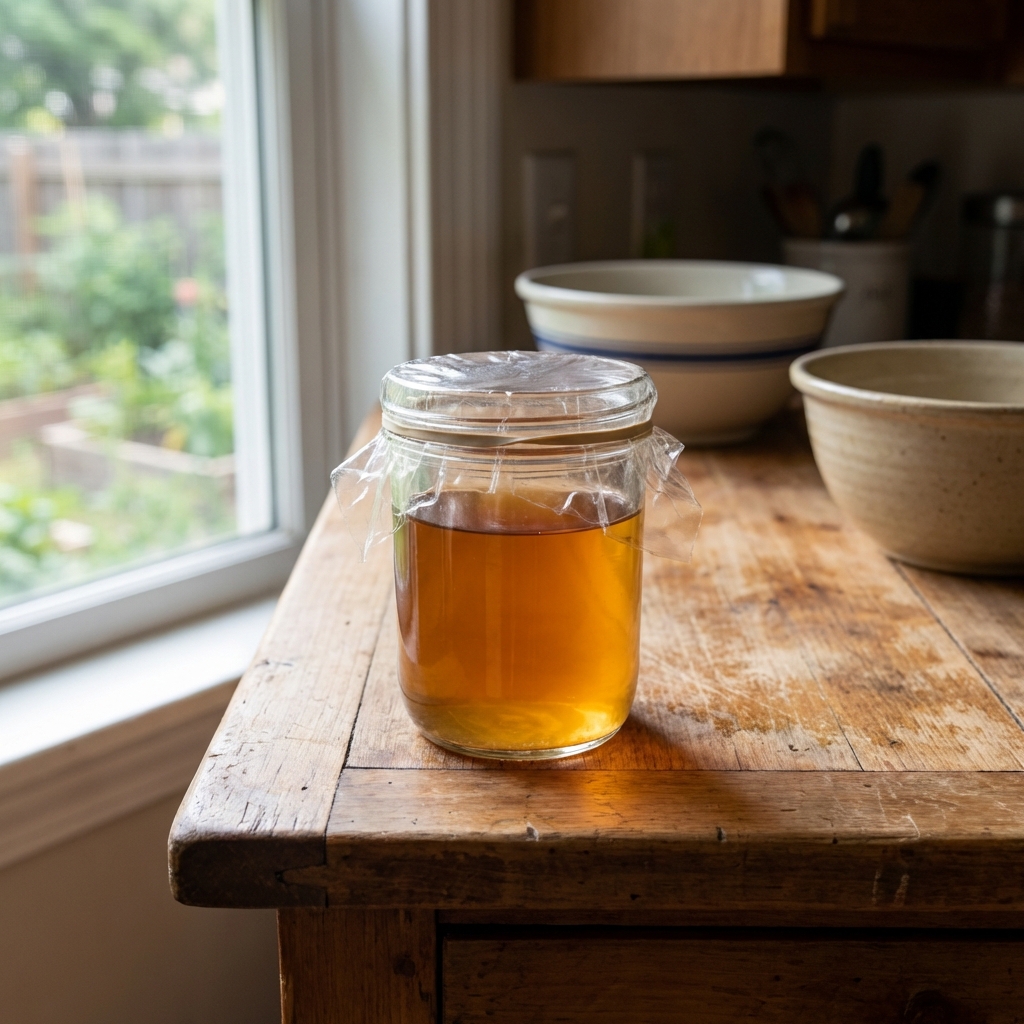
- Put 2 to 4 tablespoons apple cider vinegar in a small jar or cup.
- Add 1 drop dish soap (important).
- Cover with plastic wrap and poke a few small holes, or leave uncovered if pets and kids are not an issue.
If it is slow: try a splash of wine or beer, or add a tiny pinch of sugar to boost the smell.
Why it works: vinegar pulls them in, soap keeps them from escaping.
3) Sugar and yeast bottle trap (best for fruit flies)
This trap is most reliable for fruit flies, but it can also catch the occasional larger fly depending on what you have around.
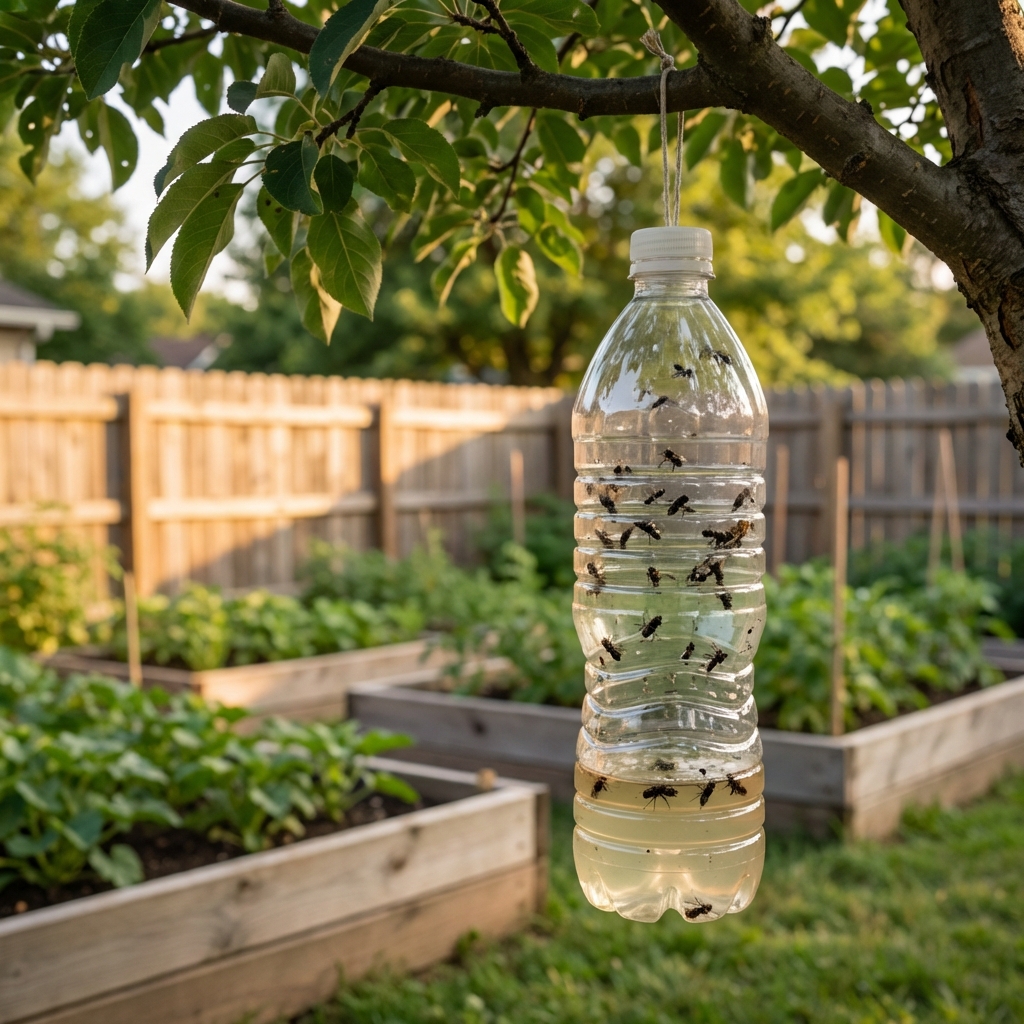
- Warm 1 cup water and dissolve 2 tablespoons sugar.
- Add 1 teaspoon active dry yeast (do not stir much).
- Pour into a bottle with the top cut off and inverted like a funnel.
- Set near problem areas, away from where you eat.
Tip: Replace every 2 to 4 days. Rinse the bottle well between batches.
Note for house flies: house flies are often more interested in garbage, pet food, and protein smells than yeast. For heavy house-fly pressure, sticky traps indoors plus sanitation helps most. Outdoors, consider a commercial baited fly trap placed well away from doors and seating.
4) Sticky traps (low effort, high payoff)
Sticky fly ribbons or discreet sticky window traps are not glamorous, but they work. Use them when you need a noticeable reduction fast.
- Hang ribbons near windows, trash, or doors where flies gather.
- Use window sticky traps for house flies without a dangling strip.
- Replace when covered with dust or insects.
Safety note: keep sticky traps out of reach of kids and pets, and avoid placing them where a curious cat can brush against them.
Best practice: Pair sticky traps with one sanitation step, or you will keep catching flies forever.
Natural repellents that help (not magic)
Repellents can reduce landing and hovering, but they rarely solve an infestation alone. Think of these as support tools.
Essential oils (use carefully)
Many people have good luck with peppermint, eucalyptus, lemongrass, and lavender. If you use oils, keep expectations realistic and keep safety in mind.
- Add 10 to 15 drops essential oil to 1 cup water plus 1 teaspoon rubbing alcohol or a tiny drop of dish soap to help it mix.
- Spray on door frames, window frames, and trash can exterior.
- Do not spray directly on countertops where you prep food.
Important: essential oils can irritate pets and can be toxic if ingested. Cats are especially sensitive. Use good ventilation, keep oils out of reach, and skip oils entirely if you have birds or a pet that licks surfaces.
Herbs near entry points
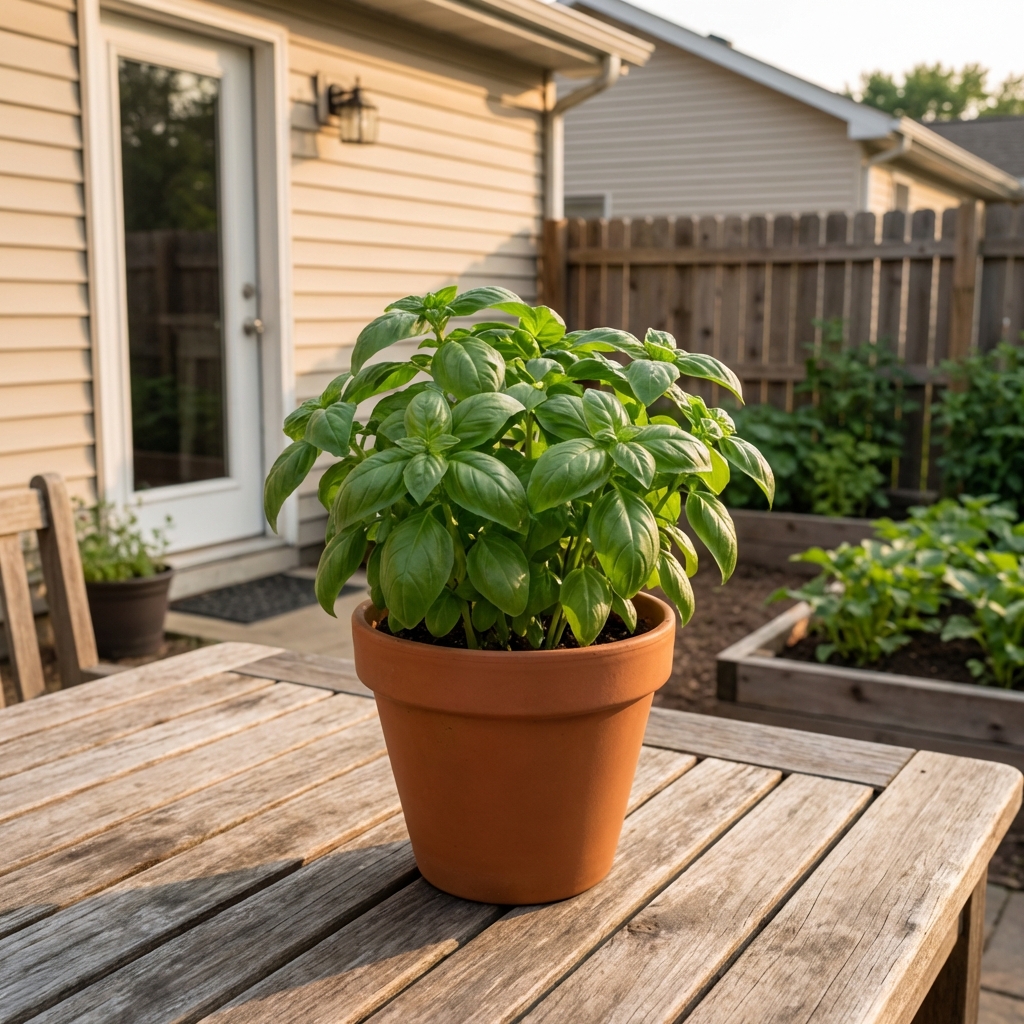
Basil, mint, rosemary, and lavender can help around doors and patios. They will not eliminate flies by themselves, but they make areas less inviting.
Stop flies at the source
If you do only one prevention thing, do this: remove what is feeding or breeding them. Most fly problems disappear when you cut off their easy meals.
Kitchen and indoor checklist
- Fruit and produce: store ripe fruit in the fridge, wipe fruit bowls daily, and toss overripe produce quickly.
- Trash: rinse cans and bottles, use a tight lid, and take trash out more often during warm weather.
- Recycling: sticky residues are fruit fly heaven. A quick rinse goes a long way.
- Drains: scrub the drain and disposal rubber flap. Fruit flies and drain flies breed in drain slime.
- Sponges and rags: wring dry, swap frequently, and do not leave wet cloths in a pile.
- Pet areas: pick up food bowls after meals and clean around litter boxes and crates.
Drain treatment that actually helps
Pouring vinegar alone down the drain does not remove the biofilm. Scrubbing does.
- Use a drain brush to scrub inside the drain and just under the lip.
- Flush with hot water.
- For stubborn gunk, use an enzyme drain cleaner labeled for kitchen drains and follow directions.
Tip: If you keep catching fruit flies or drain flies near the sink, the drain is often the real nursery.
Keep them from getting in
- Repair torn window and door screens.
- Add a door sweep if you have a gap at the bottom of an exterior door.
- Seal small gaps around pipes and under sinks where flies can slip in and hide.
Outdoor fly control for patios and gardens
Outside, the goal is to make your yard less attractive and create a couple of fly sink zones where traps do the work away from where you sit.
What pulls flies outdoors
- Open compost, especially kitchen scraps on top
- Dog waste, chicken coops, or manure
- Outdoor trash cans with sticky lids
- Wet organic matter and trash can leachate
- Fallen fruit under trees
Simple outdoor fixes
- Compost: bury food scraps in the center, keep a browns layer on top, and cover the pile during heavy rain.
- Trash cans: hose out the can, sprinkle baking soda in the bottom, and keep the lid closed.
- Pet waste: pick up daily in warm months. That alone can cut flies dramatically.
- Fallen fruit: collect and dispose or compost properly. Do not let it ferment on the ground.
Set traps away from people
If you hang a baited trap next to your patio table, you are basically inviting flies to your meal. Place traps 10 to 20 feet away, downwind if possible.
Fungus gnats in houseplants
If your flies are tiny and hovering around pots, you are likely dealing with fungus gnats. The fix is mostly about drying the top layer of soil and stopping the larvae.
- Let the top 1 to 2 inches of soil dry between waterings.
- Use yellow sticky cards to catch the adults.
- Top-dress with a thin layer of coarse sand or fine gravel. This can help, but it works best when you also fix overwatering and use traps.
- If the issue is bad, use Bti (Bacillus thuringiensis israelensis) (mosquito bits) in water according to label directions.
Common mistakes that keep flies coming back
- Only trapping, no cleanup: traps help, but the breeding site wins if you leave it.
- Using the wrong bait: fruit flies want fermentation, house flies often want garbage or protein smells.
- Putting traps in the wrong place: set traps where flies already gather, but not right where you sit and eat.
- Ignoring one wet spot: a leaky trash bag, a mop bucket, or a slimy drain can support a whole population.
What to expect
Most traps reduce adult flies within a couple of days, but breaking the breeding cycle usually takes 1 to 2 weeks. If you keep removing the source, the results snowball in your favor.
When to worry and what to do
Natural methods handle most everyday fly problems. But if you are seeing a sudden explosion of large flies, or you notice a strong odor and cannot find the source, you may have something hidden like a dead rodent in a wall, attic, or crawl space. In that case, focus on locating and removing the source first. Traps alone will not solve it.
Also, if flies are sluggish at windows in spring or fall, they may be cluster flies (often confused with blow flies). The priority is exclusion (screens, sealing entry points) and vacuuming. If the problem is large or repeats each year, a local pro can help identify entry points.
If you want the simplest plan, here it is: set one trap today, clean one source area (trash, drain, or fruit bowl) tonight, and keep that one habit going for a week. That is usually enough to break the cycle.

Jose Brito
I’m Jose Britto, the writer behind The Country Store Farm Website. I share practical, down-to-earth gardening advice for home growers—whether you’re starting your first raised bed, troubleshooting pests, improving soil, or figuring out what to plant next. My focus is simple: clear tips you can actually use, realistic expectations, and methods that work in real backyards (not just in perfect conditions). If you like straightforward guidance and learning as you go, you’re in the right place.