Flies are not picky. If there is food, moisture, or something stinky nearby, they will show up. The good news is you do not need harsh chemicals to make your space a whole lot less appealing to them. The best natural fly repellent plan is a two-part approach: repel what is already around and remove what is attracting them.
One quick reality check: repellents help, but they do not fix breeding sources. If flies are developing in a drain, trash residue, compost, or a forgotten piece of produce, you will keep seeing them until that source is cleaned up.
This page covers practical, homeowner-friendly natural remedies for house flies, fruit flies, and the usual outdoor crowd on patios and around compost.
First, figure out what kind of flies you have
Different flies respond to different baits and prevention steps. Before you mix a spray or set a trap, take 30 seconds to identify the problem.
- House flies: Larger gray flies that hang around trash, pet areas, compost, and doors.
- Fruit flies: Small tan flies hovering around fruit bowls, recycling, beer or wine, and drains.
- Fungus gnats: Tiny black flies near houseplants and seedling trays. They love damp potting mix.
- Drain flies: Tiny fuzzy-looking flies that rest near sinks, shower drains, or floor drains.
If you are seeing lots of flies indoors all of a sudden, check for a hidden source. A forgotten potato, a sticky recycling bin, a damp mop bucket, or a clogged drain can keep the problem going no matter what you spray.
Natural fly repellents you can use right away
1) Essential oil fly spray (can help, short-lived)
Some plant oils can make an area less appealing to flies, especially peppermint, eucalyptus, lemongrass, tea tree, and lavender. Results vary by fly type, concentration, and airflow, so think of this as a helper, not a one-and-done fix.
Basic recipe:
- 1 cup water
- 1 tablespoon vodka or rubbing alcohol (helps disperse the oils)
- 15 to 25 drops essential oil (single oil or a blend)
Shake before each use. Separation is normal. If you want it to stay mixed a bit longer, add 1/4 to 1/2 teaspoon of unscented liquid castile soap and shake again.
Mist around door frames, window sills, trash can area, and outdoor seating. Avoid spraying directly on food surfaces. Spot test on painted or finished wood first.
Reapply: every 1 to 2 days indoors, and after rain or heavy watering outdoors.
My go-to blend: 10 drops peppermint + 10 drops eucalyptus.
2) Vinegar wipe-down for fly hot spots
Vinegar is not a reliable repellent for every fly, but it is excellent for removing the food smells that bring them in. Use it as a cleaning step, not just a spray-only fix.
- Mix equal parts white vinegar and water.
- Wipe trash can lids, counters near fruit, compost pails, and recycling bins.
3) Citrus and cloves (small space helper)
This is an old-school trick. Evidence is mixed, but many people find it can help in a small area like a picnic table or countertop.
- Cut a lemon or orange in half.
- Push whole cloves into the cut side.
- Set it where flies gather.
It works best as a short-term helper, especially during meals outdoors.
4) Fans are a natural repellent, too
Not a “remedy,” but it is one of the most effective fly controls on patios. Flies struggle in strong, steady airflow. A fan aimed across a table makes it hard for them to land on food and people.
Tip: Run it continuously during meals.

5) Herbs that help repel flies (when used the right way)
Basil, mint, rosemary, and lavender can help, but do not expect a couple of tiny pots to protect a whole yard. For best results, place them right where you sit or near doors, and brush the leaves occasionally to release the scent.
Good placements:
- Mint in pots near the patio (keep it contained, it spreads)
- Basil by the kitchen door
- Rosemary near grill or outdoor kitchen area

Natural fly traps that lower the numbers
Repellents help, but traps are what bring the population down. Here are the ones that consistently work.
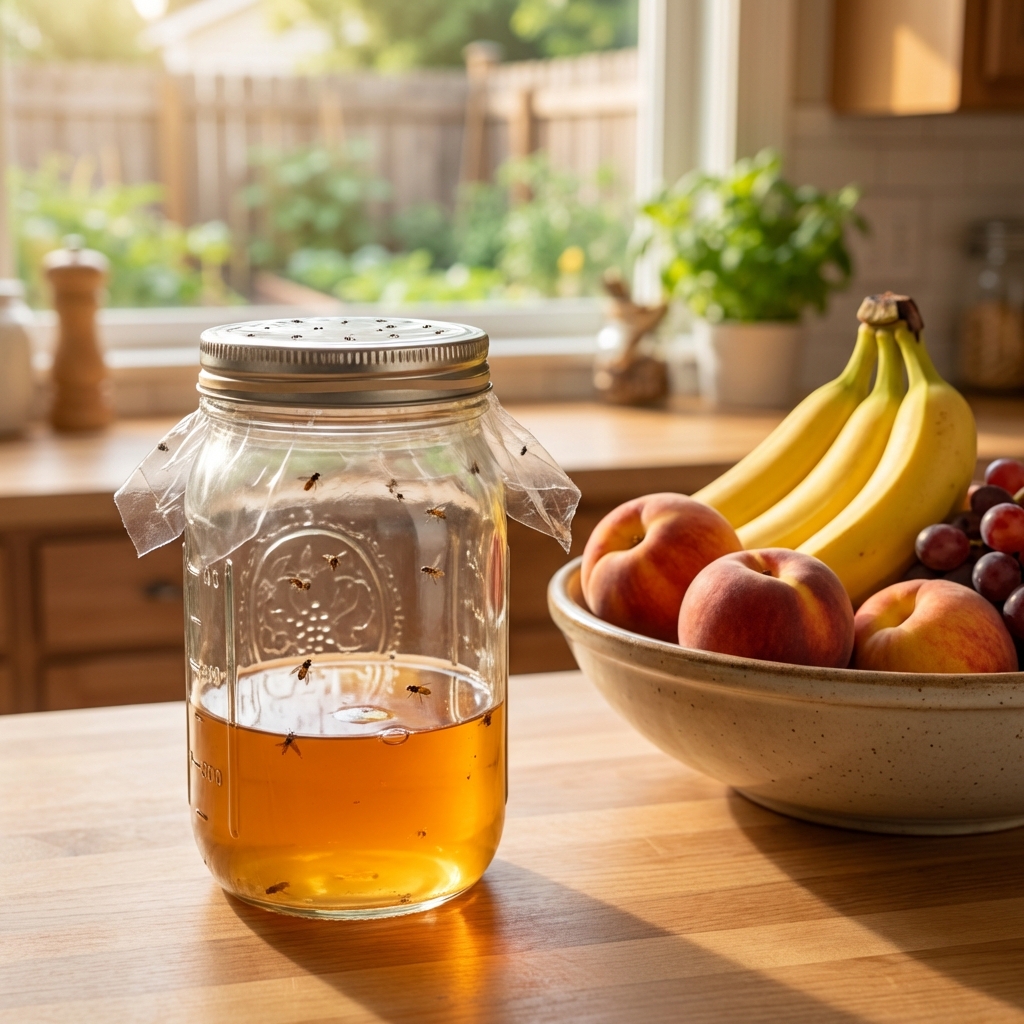
Apple cider vinegar trap (best for fruit flies)
- Add 1 to 2 inches of apple cider vinegar to a small jar.
- Add 1 drop of dish soap (breaks surface tension).
- Leave open or cover with plastic wrap and poke a few small holes.
Place near the fruit bowl, recycling, or wherever you see them hovering. Refresh every couple of days.
Overripe fruit trap (when vinegar is not enough)
If fruit flies are ignoring vinegar, they may be keyed in on another food source. Try baiting with what they already want.
- Put a small piece of overripe banana or peach in a jar.
- Make a paper cone with a small opening at the bottom and set it in the jar.
DIY bottle trap (better bet for house flies outdoors)
For garages, patios away from the table, or near trash and compost, a simple bottle trap can help pull flies out of the area.
- Cut the top off a plastic bottle and invert it to form a funnel.
- Add 1 cup warm water + 1 tablespoon sugar + 1/4 teaspoon yeast.
- Set it outside and away from where people sit.
Refresh every few days. If you want more pulling power outdoors, commercial baited bag traps can work well, but they smell. Hang them far from doors and seating areas.
Sticky traps (simple, low effort)
Sticky traps are not fancy, but they are reliable, especially for fungus gnats and house flies near windows. Use them where flies naturally land, like sunny window corners.
Prevention: the real secret to fewer flies
Natural fly repellent works best when you also cut off the reason flies are there. These steps do more than any spray.
Kitchen and indoor habits
- Rinse recycling immediately, especially cans and bottles.
- Take out trash often and wipe the lid and rim. That is where residue builds up.
- Store fruit smart. If fruit flies are active, refrigerate ripe fruit for a week to break the cycle.
- Clean drains. Flush with very hot tap water (not boiling), then scrub the sides with a drain brush. For ongoing issues, use an enzyme drain cleaner at night.
- Check for forgotten produce in pantry corners and potato bins.
Block entry points
- Repair torn window screens.
- Add or replace door sweeps and weatherstripping.
- Keep doors closed when possible, especially near trash and pet areas.
Outdoor and garden prevention
- Pick up pet waste daily. This is a major house-fly magnet.
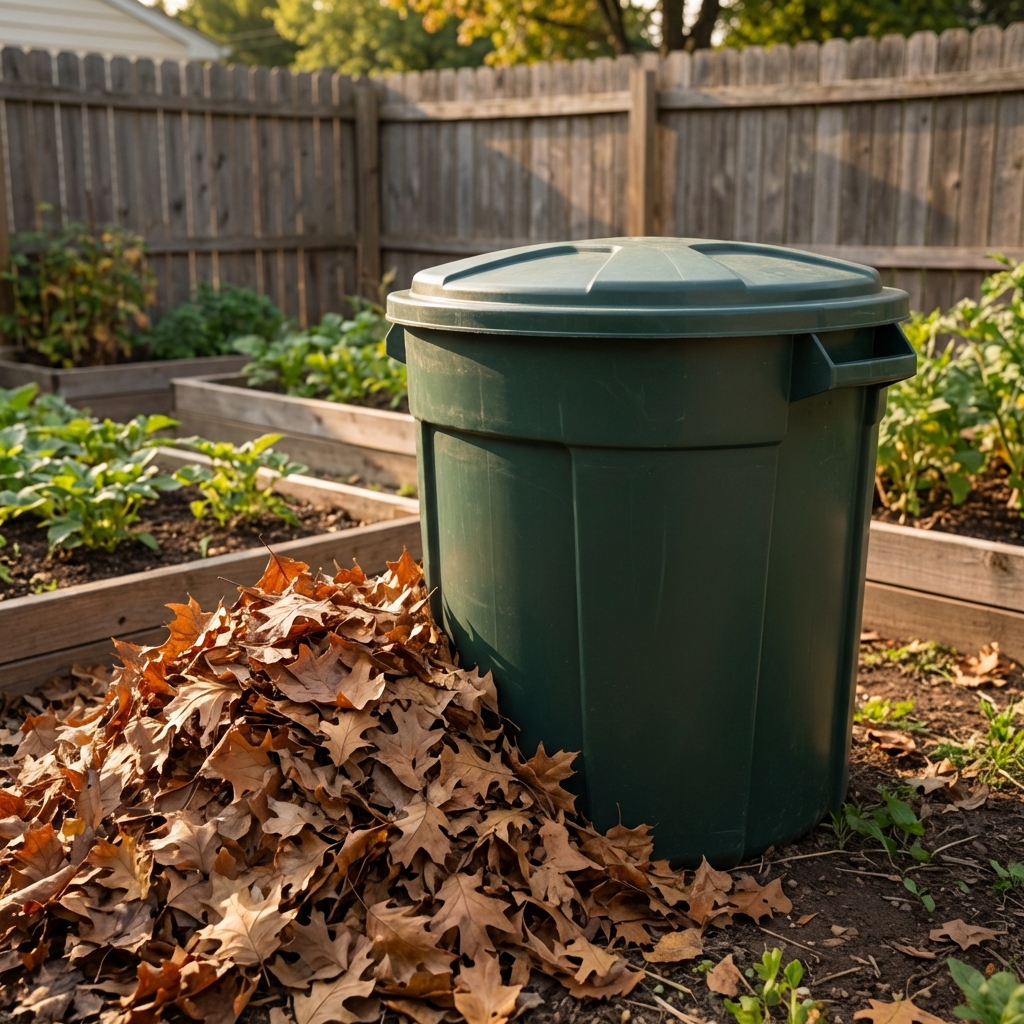
- Manage compost. Bury kitchen scraps, keep it covered, and balance wet greens with dry browns like shredded leaves or straw.
- Rinse bins. A quick hose-out of the outdoor trash can makes a big difference.
- Fix standing water. Even small, slimy puddles can draw flies and other pests.
Natural remedies by problem area
Flies in the kitchen
- Start with a vinegar wipe-down and take out trash.
- Set an apple cider vinegar trap near the sink or fruit.
- Use essential oil spray around window frames and doors (reapply every 1 to 2 days).
Flies on the patio during meals
- Run a fan aimed across the table the whole time.
- Use lemon and clove halves on the table.
- Keep food covered and wipe spills right away.
Flies around compost or trash cans
- Rinse the can and sprinkle a little baking soda in the bottom after it dries.
- Keep compost covered and bury scraps.
- Move the bin farther from doors if possible.
- Consider a baited bag trap hung far from the house (they work, but they stink).
Little flies around houseplants (fungus gnats)
- Let the top inch of soil dry out between waterings.
- Use yellow sticky traps near the plant.
- If they keep coming back, use a BTI drench (Mosquito Bits or dunks soaked in water) to target larvae. Beneficial nematodes (Steinernema feltiae) are another solid option.
- Top-dressing with sand or fine gravel can help in some pots, but if it keeps the soil too wet, skip it and focus on drying and BTI instead.
Drain flies (the fuzzy ones by sinks or showers)
- Scrub first. Use a drain brush to remove slime and biofilm from the drain walls.
- Do not forget overflow holes (bathroom sinks often have them). Clean there too.
- Flush with very hot tap water after scrubbing.
- If you can safely access it, clean the P-trap, since gunk can collect there.
- Use an enzyme drain cleaner at night for 5 to 7 days to break the life cycle.
Safety notes
Natural does not automatically mean harmless. A few quick guardrails:
- Keep essential oil sprays away from pets, especially cats, and avoid spraying on pet bedding. Some essential oils can be toxic through contact or grooming. If you are unsure, check with your vet.
- Do not spray oils directly on herbs or vegetables you plan to eat soon.
- Test sprays on surfaces first to avoid staining.
- If flies are coming from a suspected dead animal in a wall or attic, or you have a severe infestation, it is worth calling a professional.
Quick checklist for fewer flies this week
- Clean: trash lid, recycling, counters, and drains.
- Trap: vinegar jar for fruit flies, sticky traps near windows, and a bottle trap outdoors away from seating.
- Repel: peppermint or eucalyptus spray at doors and windows (reapply every 1 to 2 days).
- Block: repair screens, add a door sweep, and use a fan on the patio during meals.
- Remove: compost management and pet waste pickup.
If you want the biggest payoff, do the cleaning and the traps first. Repellents work better when you are not competing with an attractive smell source nearby.

Jose Brito
I’m Jose Britto, the writer behind The Country Store Farm Website. I share practical, down-to-earth gardening advice for home growers—whether you’re starting your first raised bed, troubleshooting pests, improving soil, or figuring out what to plant next. My focus is simple: clear tips you can actually use, realistic expectations, and methods that work in real backyards (not just in perfect conditions). If you like straightforward guidance and learning as you go, you’re in the right place.