Mice are tiny, persistent, and incredibly good at finding the one bag of bird seed you forgot in the garage. The good news is you can deter them naturally, but it works best when you think in layers. First you block access, then you remove food and shelter, then you add a few deterrents to make your space less appealing.
This page focuses on natural remedies that are practical for regular homes, sheds, garages, and garden areas. No perfection required, just a solid plan you can stick with.
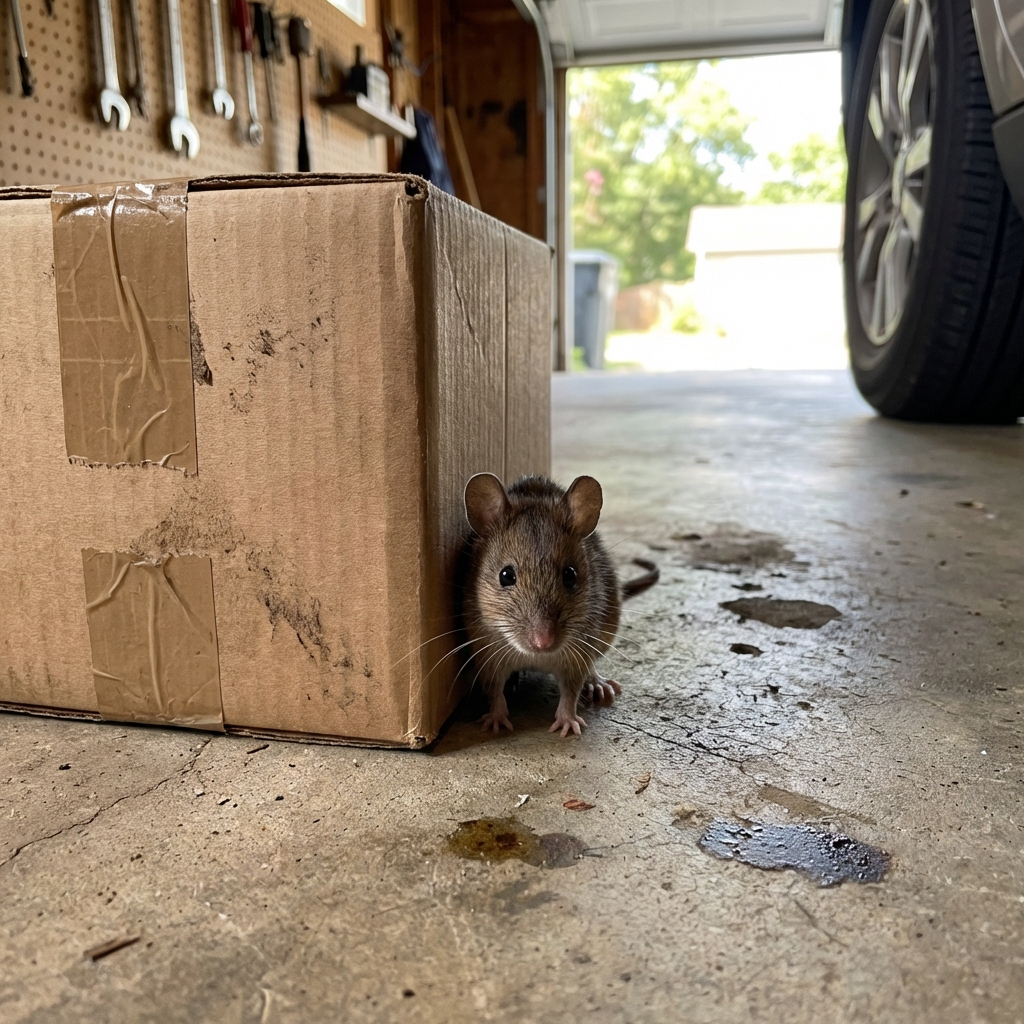
What actually deters mice naturally
Natural deterrents work when they hit the reasons mice move in:
- Food access (crumbs, pet food, bird seed, compost, fruit)
- Warm shelter (clutter, insulation, stored fabric, tall grass)
- Easy entry (tiny gaps around pipes, doors, foundation cracks)
- Safe travel routes (brush piles, dense groundcover tight to the house)
Scent repellents can help, but if food and entry points stay wide open, the smell alone usually will not win that fight.
Start with the two biggest natural remedies: exclusion and cleanup
1) Seal entry points (this is the deal-breaker)
Mice can squeeze through holes as small as 1/4 inch, about the width of a pencil. Walk the exterior and garage slowly and methodically like you are looking for water leaks. Anywhere you see daylight, feel a draft, or spot gnaw marks is a likely entry point.
- Door sweeps: Add a tight sweep to exterior doors and the garage side door. Replace worn weatherstripping.
- Pipes and wires: Pack gaps with copper mesh or steel wool, then seal over it with caulk or expanding foam rated for pest blocking.
- Vents: Use 1/4-inch hardware cloth on vents and openings (not window screen, it is too weak). If you have persistent issues or very small gaps, 1/8-inch hardware cloth can add extra insurance.
- Foundation cracks: Patch with mortar or concrete repair where needed.
If you do one thing, do this. Natural repellents last longer when mice cannot simply walk around them.
2) Remove food and water
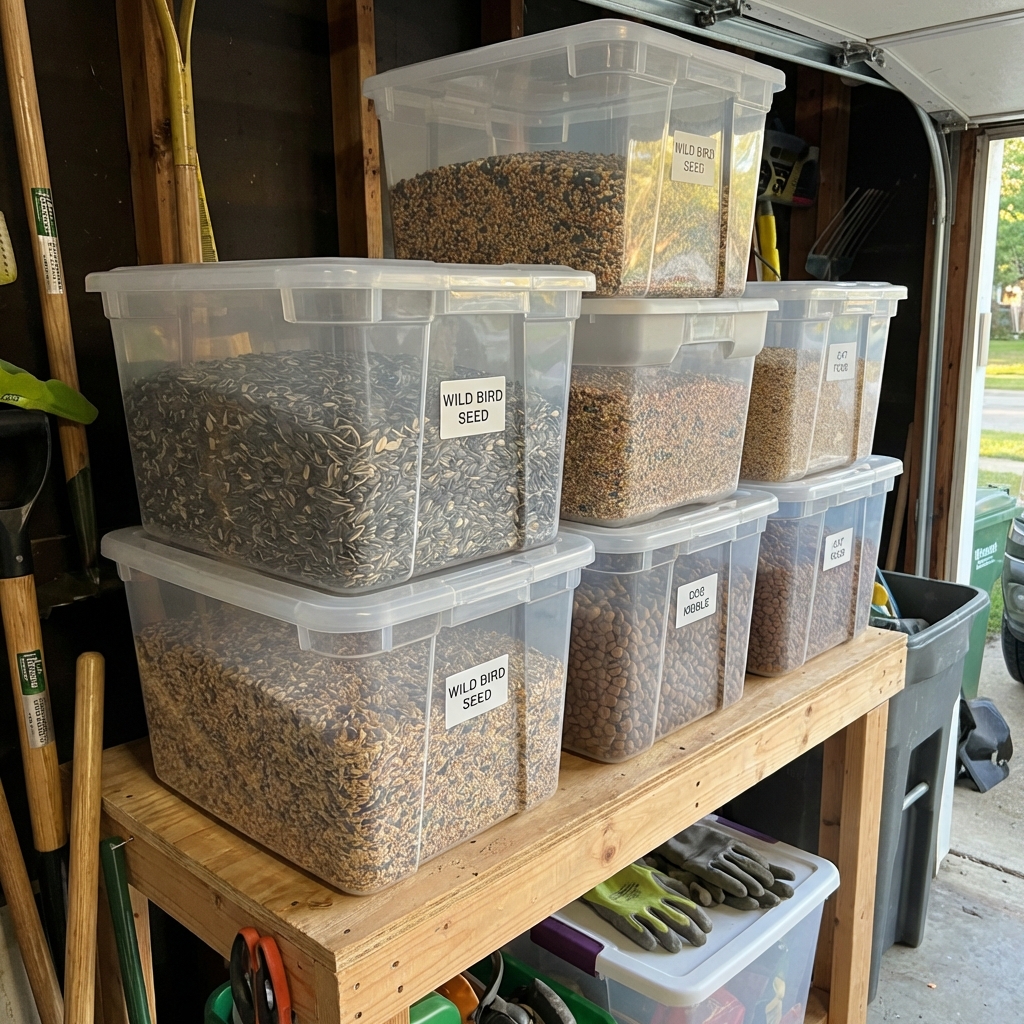
- Store dry goods, pet food, and bird seed in metal or thick glass containers when possible. Heavy-duty plastic bins with tight lids can work too, but thin plastic is chewable if a mouse is motivated.
- Keep counters and floors crumb-free, especially at night.
- Bring fallen fruit in from under trees regularly.
- Do not leave pet bowls out overnight if mice are active.
- Fix drips and damp areas in basements and crawl spaces.
Natural scent repellents: what helps and how to use them
Scent deterrents work best in small enclosed areas, along known travel routes, and near entry points. They need refreshing. If the smell is gone, the deterrent is basically gone. Also, evidence is mixed, so think of scents as a backup layer, not a stand-alone fix.
Peppermint oil
Peppermint is the most common natural mouse repellent. Some homeowners see good results, especially when used as part of a bigger plan.
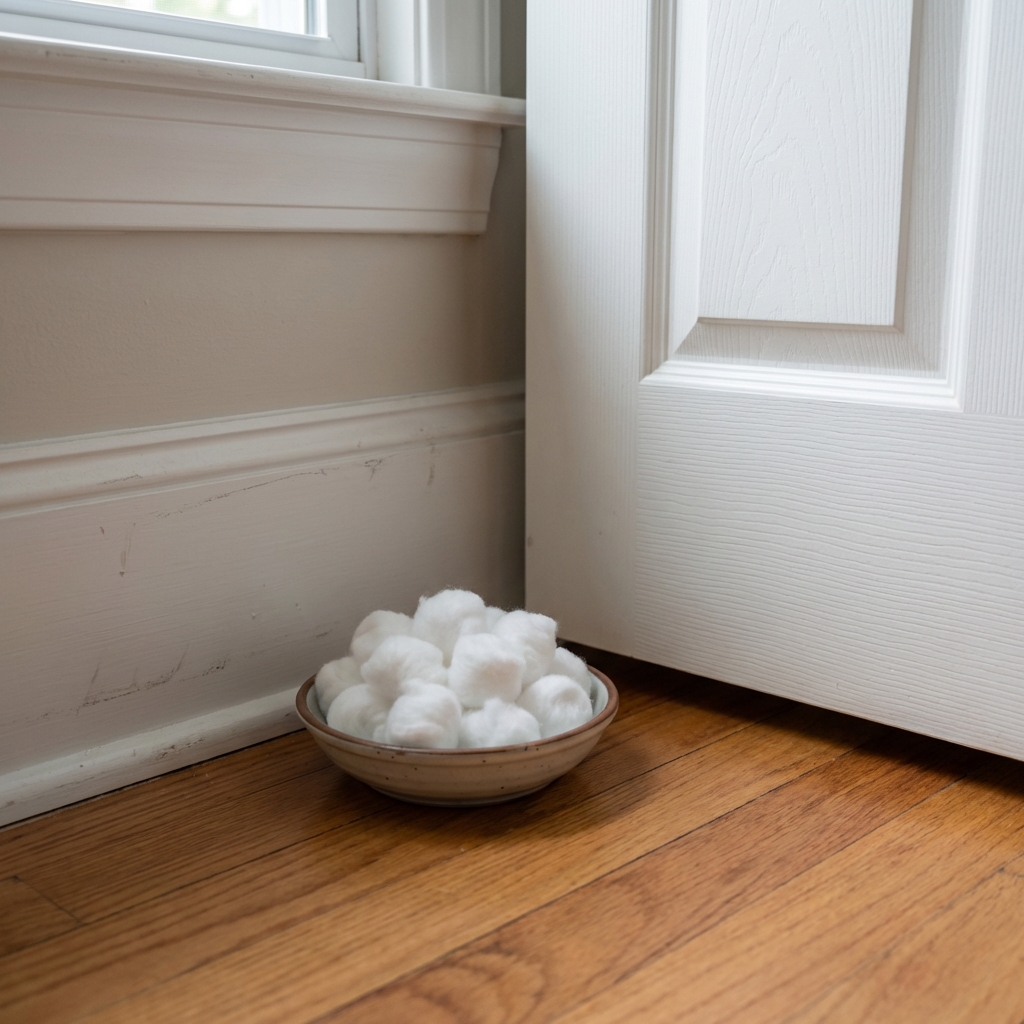
- How to use: Add 10 to 20 drops of peppermint essential oil to cotton balls and place them in shallow trays near entry points, behind appliances, in cabinets, and along garage walls.
- Refresh: Every 2 to 4 days at first, then weekly if activity drops.
- Important: Keep oils away from pets and kids. Concentrated essential oils can irritate skin and noses.
Clove, cinnamon, and eucalyptus oils
These strong scents can be rotated with peppermint. Rotation may help in some situations, but do not count on it if mice are finding food nearby.
- Use the same cotton ball method.
- Do not pour oils directly on wood or painted surfaces, they can stain.
Vinegar (short-term helper)
White vinegar is useful for cleanup. It can help reduce lingering odors on hard surfaces, which may make repeat traffic less likely in the short term.
- Where it helps: Floors, baseboards, inside empty cabinets, trash can areas.
- Limit: The smell fades quickly, so think of it as cleanup plus a temporary deterrent.
Natural deterrents that do not rely on scent
Declutter and reduce nesting material
If mice can build a nest, they will. This is especially true in garages, sheds, and basements.
- Move cardboard storage to sealed bins. Cardboard is both shelter and chew toy.
- Store fabric, paper, and seasonal decor in lidded containers.
- Keep items at least a few inches off the floor when possible.
Outdoor habitat cleanup (your yard matters)
Most mouse problems start outside. Make the area around the home less comfortable:
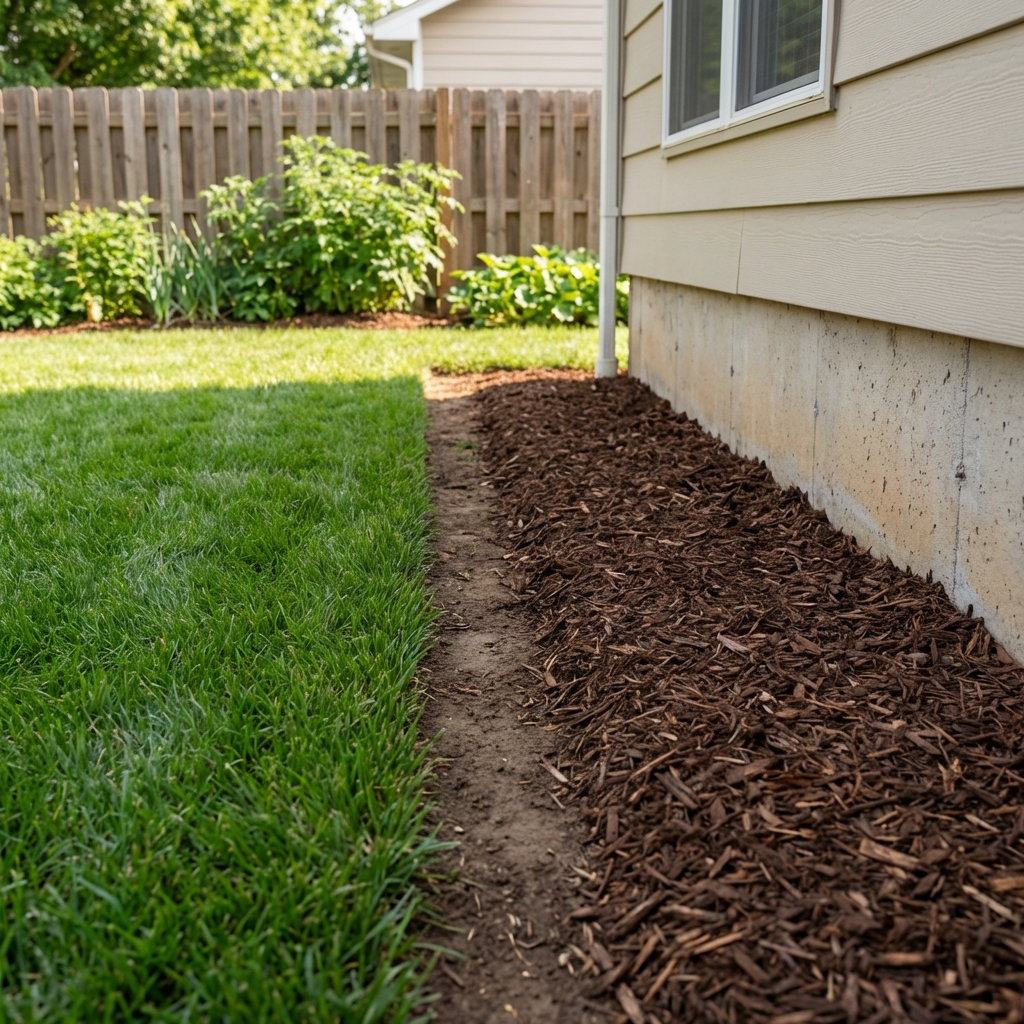
- Trim tall grass and weeds within a few feet of the foundation.
- Keep mulch thinner near the house. Deep mulch is cozy cover.
- Move woodpiles and brush piles away from buildings.
- Harvest garden beds regularly and remove dropped produce.
What about natural predators?
Cats, owls, and snakes can reduce outdoor mouse pressure, but they are not a reliable indoor solution. A cat may help, but you still want to seal entry points and lock down food. Also, avoid using rodenticides if you are trying to encourage natural predators, secondary poisoning is a real risk.
Garden-specific natural mouse deterrents
Protect seeds and seedlings
- Use hardware cloth as a temporary cover over newly seeded areas.
- For raised beds, line the bottom with 1/4-inch hardware cloth before filling if burrowing is an issue.
- Keep the area around beds weeded so mice have fewer hiding places.
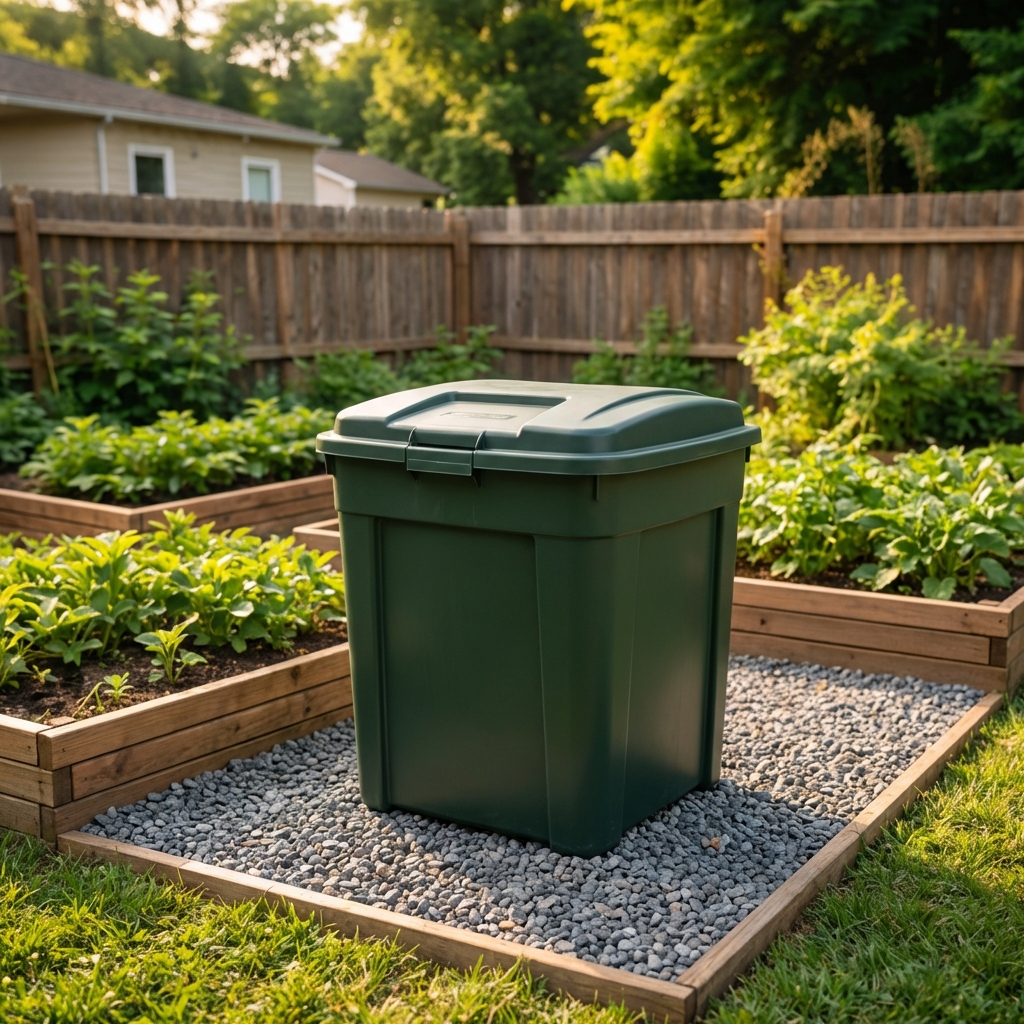
Compost the smart way
Compost can attract rodents if it becomes an easy buffet.
- Use a bin with a secure lid if possible.
- Bury kitchen scraps in the center of the pile.
- Avoid adding meat, grease, or large amounts of cooked food.
Natural remedies people try that often disappoint
- Ultrasonic plug-ins: Mixed results. In many homes they do not make a meaningful difference, especially with clutter and multiple rooms.
- Mothballs: Not recommended. They are toxic and not a safe natural option for living spaces.
- Loose spices sprinkled everywhere: They lose potency fast and make a mess. Use oils on cotton balls instead if you want to try scent deterrents.
- One and done peppermint: If you place it once and forget it, the effect fades quickly.
If you already have mice inside
Deterrents are best for prevention. If mice are already active indoors, use a two-track approach: seal and sanitize, plus removal.
Clean up safely first
Mouse droppings and nesting material can spread germs. Before you clean:
- Ventilate the area for at least 30 minutes if you can.
- Wear gloves. A mask is a good idea in dusty spaces.
- Spray droppings with disinfectant or a bleach solution and let it soak, then wipe up with paper towels. Avoid dry sweeping or vacuuming droppings.
- Wash hands after cleanup.
Use traps (fast, effective, and no chemicals)
- Snap traps are fast and effective when placed along walls where mice travel. Bait lightly with peanut butter, oats, or a small bit of chocolate.
- Place traps perpendicular to the wall with the trigger end toward the wall.
- Set multiple traps at once. One or two rarely keeps up. Spacing of 5 to 10 feet along a runway is a solid starting point.
- After activity stops, keep a few traps set in low-traffic areas for monitoring, or use non-toxic monitoring blocks.
Make sure it is actually mice
Mouse and rat problems overlap, but the details change. In general, mouse droppings are small and rice-like, while rat droppings are larger. If you suspect rats or see heavy gnawing damage, it is worth adjusting your plan and getting help sooner.
If you are seeing droppings daily, hearing scratching in walls, or finding chewed wiring, consider calling a professional. There is no shame in getting help when the problem is established or when you suspect hidden entry points.
Quick checklist: the natural plan that works
- Seal gaps down to 1/4 inch with copper mesh or steel wool plus caulk or foam
- Add door sweeps and fix weatherstripping
- Store food and seed in metal, glass, or heavy-duty sealed containers
- Declutter and remove nesting materials like cardboard
- Clean up yard edges, brush piles, and fallen fruit
- Use peppermint or other oils on cotton balls and refresh regularly
- Monitor and remove with properly placed traps if you suspect active mice indoors
If you want the simplest version: block entry, remove food, then use scent deterrents as backup. That is the order that gives you the best odds in real-life conditions.

Jose Brito
I’m Jose Britto, the writer behind The Country Store Farm Website. I share practical, down-to-earth gardening advice for home growers—whether you’re starting your first raised bed, troubleshooting pests, improving soil, or figuring out what to plant next. My focus is simple: clear tips you can actually use, realistic expectations, and methods that work in real backyards (not just in perfect conditions). If you like straightforward guidance and learning as you go, you’re in the right place.