Peonies are one of those “plant it once, enjoy it for decades” flowers. The trick is getting the planting right and knowing what to do when the usual issues show up, like ants on buds, gray mold after a rainy week, or plants that never seem to bloom. This page walks you through natural planting basics and realistic remedies that fit a home garden.
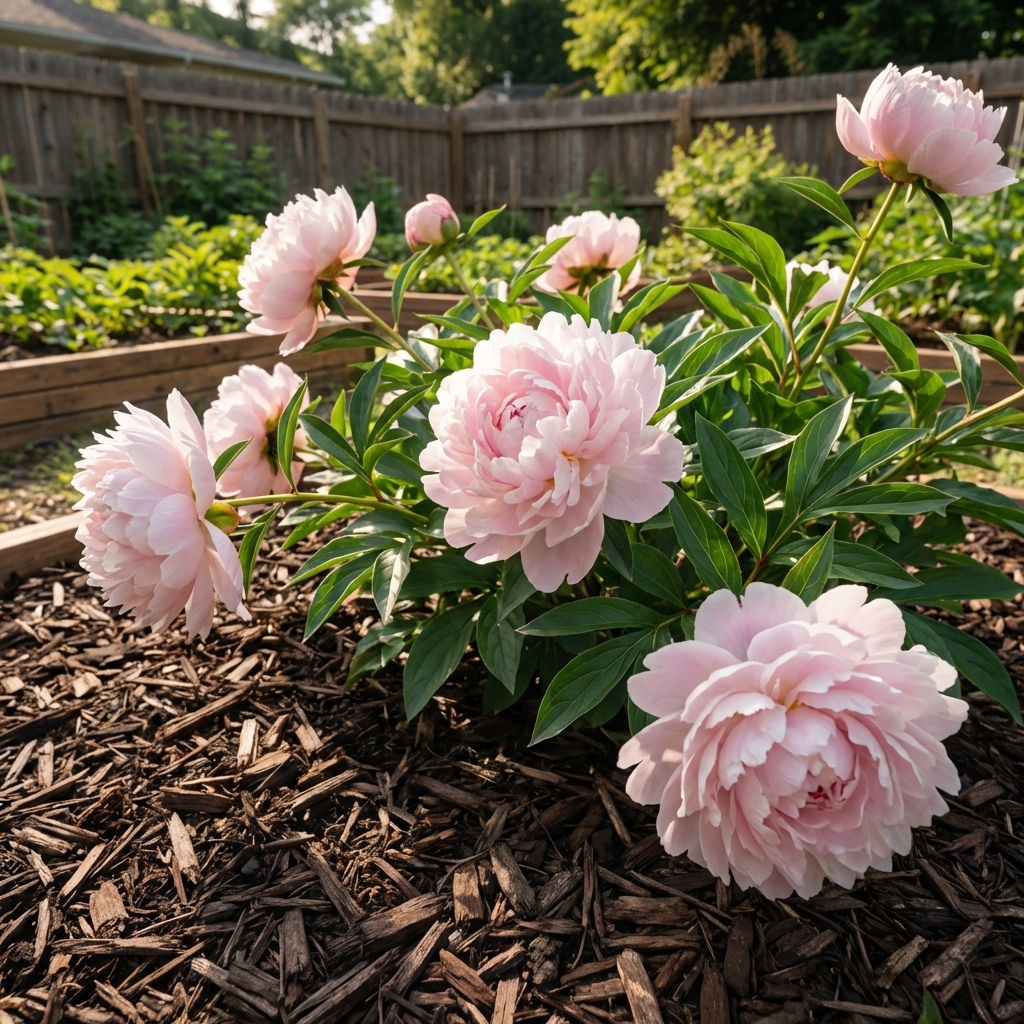
Start with the basics: what peonies want
If you give peonies the conditions they like, you will need far fewer “treatments” later. Most problems come back to shade, soggy soil, or planting too deep.
- Sun: Full sun is best. Aim for at least 6 hours, and 8 is even better for strong blooms.
- Soil: Loose, well-draining soil. Peonies hate wet feet more than they hate cold.
- Airflow: Space plants so leaves dry out quickly after rain.
- Patience: New peonies often take 2 to 3 years to really hit their stride.
Quick type check (this matters for pruning and planting depth): Most backyard peonies are herbaceous, meaning they die back to the ground each winter. Tree peonies have woody stems that stay year-round. Itoh (intersectional) peonies act mostly like herbaceous peonies and are cut back in fall like herbaceous types.
Planting method to prevent problems later
Here is my no-nonsense peony planting approach. It is not fancy, but it works.
1) Pick the right spot first
Choose a spot that will not be disturbed. Peonies can live for decades and do not enjoy being moved. Avoid areas near downspouts, low spots that stay wet, and tight corners with poor airflow.
2) Plant at the right depth (this is the big one)
Planting depth is the number one reason peonies fail to bloom.
- Herbaceous peonies (the common garden type): Set the “eyes” (buds on the crown) about 1 to 2 inches below the soil surface.
- Warm climates: Stay closer to 1 inch.
- Cold climates: Many gardeners do best closer to 1 to 1.5 inches.
- If you bury them deeper than 2 inches: Expect lots of leaves and few to no flowers.
Local note: Depth recommendations vary a bit by region and cultivar. If your local extension office or a trusted local nursery gives different guidance, follow that.
Tree peonies are different: Most tree peonies are grafted and are typically planted with the graft union buried several inches so the plant can root on its own. If you have a tree peony, follow the tag or supplier instructions rather than the “eyes 1 to 2 inches” rule.
3) Build drainage into the hole
Dig a wide hole, not just a deep one. Mix the native soil with compost to improve texture, but do not turn the planting hole into a rich “pot” surrounded by heavy soil. You want roots to move outward.
- Compost: 20 to 30% by volume is plenty.
- If your soil is heavy clay: Widen the hole, add compost, and consider planting slightly high and mulching around the plant, not on top of the crown.
- Skip the gravel layer: Adding gravel at the bottom of the hole is a common myth. It can create a perched water table effect and keep roots wetter, not drier. Better fixes are widening the hole, improving soil structure, or planting a little high.
4) Water deeply, then back off
After planting, water deeply to settle soil. After that, keep soil lightly moist while roots establish (often the first 2 to 6 weeks, depending on heat, wind, and rainfall), then shift to deep watering only when the top few inches are dry. Overwatering encourages rot and fungal issues.
5) Mulch the right way
Mulch helps with weeds and moisture, but keep it off the crown.
- Apply 2 to 3 inches of mulch around the plant.
- Leave a bare ring right at the base so the crown stays dry.
When to plant
- Best time for bare-root: Fall is ideal. Cool soil and steady moisture help roots establish before winter.
- Spring planting: Container peonies can go in spring, but keep expectations realistic. They may sulk or bloom lightly while they settle in.
- Very warm climates: Some areas do not get enough winter chill for reliable bloom. If you are in a warm-winter region, choose varieties recommended for your zone and plant as shallowly as your local guidance suggests.

Natural remedies for common peony problems
Peonies are generally tough, but a few repeat issues pop up in most yards. Here are natural fixes that focus on prevention first, then gentle treatments if needed.
Ants on peony buds
Ants are usually there for the sugary nectar on buds. They do not “cause” buds to open or fail to open. In most cases, you can ignore them.
- Do nothing: The simplest option. Ants are not harming the plant.
- One small caveat: If you also see aphids, ants can sometimes “farm” them. If that is happening, address the aphids (see below).
- Rinse buds: If you are cutting flowers for indoors, dunk stems in a bucket of water and gently shake.
- Physical barrier: For heavy ant traffic, place a sticky barrier on a support stake near the plant, not on the plant itself.
Botrytis (gray mold) on stems and buds
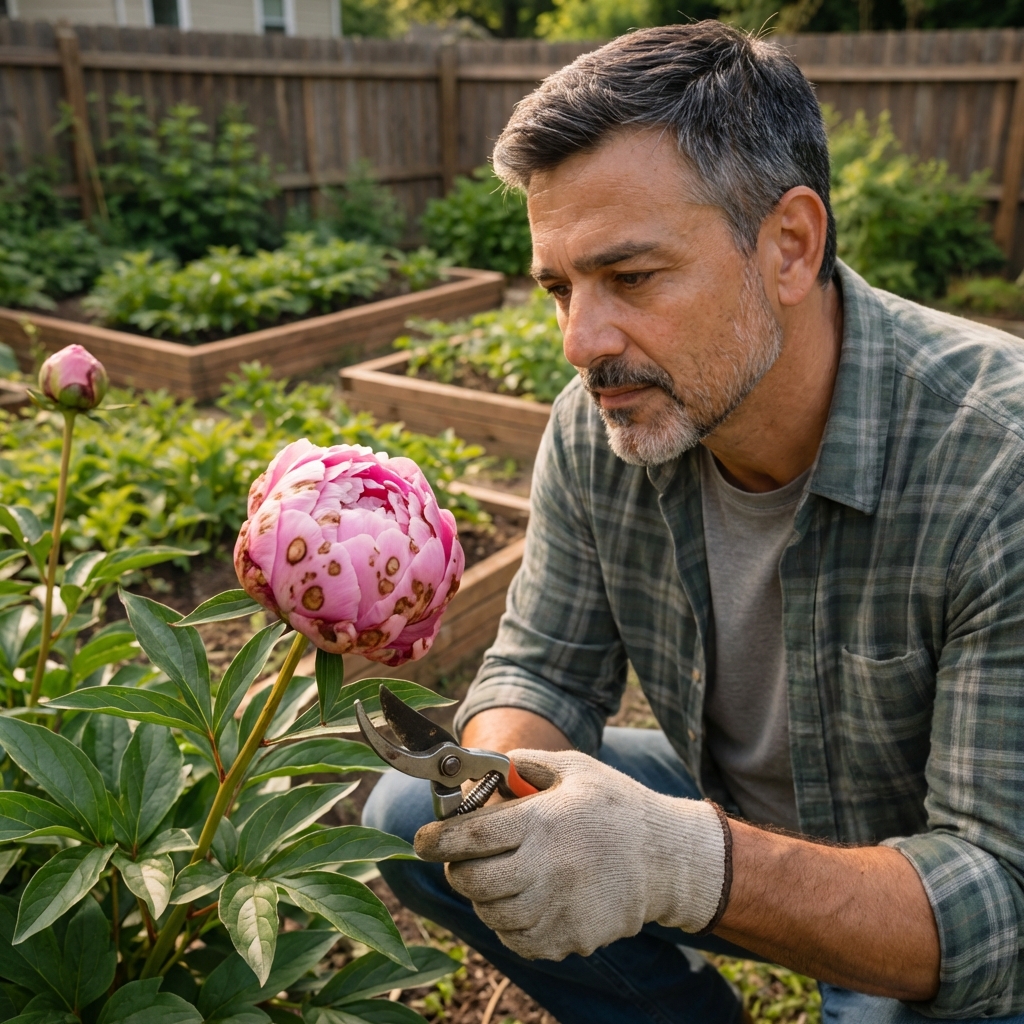
This one shows up in cool, wet springs. You will see blackened shoots, fuzzy gray growth, and buds that turn brown and collapse.
- Prune fast: Cut infected stems down to clean tissue and remove them from the garden.
- Clean up litter: Do not leave old peony leaves around the crown.
- Water at soil level: Avoid wetting foliage.
- Improve airflow: Thin nearby plants and avoid crowding.
- Natural spray options: If you need a spray, choose a preventative product and apply early, following label directions. Copper can work, but use it sparingly because it can accumulate in soil over time. Depending on what is available in your area, sulfur or certain biofungicides may also be options. Sprays work best as prevention, not a rescue once the plant is collapsing.
Powdery mildew
Powdery mildew looks like a white dusty coating on leaves, usually later in summer. It is common and often cosmetic, but severe cases can weaken plants.
- Morning sun and airflow: The best “treatment” is prevention.
- Remove worst leaves: Do not strip the whole plant, just reduce the load.
- Natural spray option: A potassium bicarbonate spray can help slow it. Apply in the evening and avoid spraying in heat.
Bud blast (buds form but do not open)
This is a frustrating one. Buds look fine, then stall, brown, or dry up. Common causes include late frost, drought stress during bud formation, botrytis infection, too much shade, heat spikes during bud development, or a plant that is still settling in after planting or dividing.
- Check sun: If the plant gets less than 6 hours, blooms often suffer.
- Water during dry spells: Especially from early spring through bloom.
- Avoid heavy nitrogen: Too much N pushes leaf growth over flowers.
- Inspect for botrytis: If buds are blackening, treat it like botrytis and remove affected parts.
- Consider plant age: First-year divisions and newly planted peonies commonly have fewer blooms or blasted buds while roots reestablish.
Soil-building remedies that help naturally
You can do a lot for peonies just by improving soil structure and keeping nutrients steady, not excessive.
Compost top-dressing
Each fall or early spring, spread a thin layer of compost around the plant (not on the crown). Think of it as feeding the soil, not force-feeding the plant.
Gentle fertility for better blooms
- If growth is weak: Use a balanced organic fertilizer in early spring when shoots are a few inches tall.
- If you get leaves but few blooms: Skip high-nitrogen products. Choose something lower in nitrogen and avoid overfeeding.
pH and calcium, kept practical
Peonies generally do well in slightly acidic to neutral soil. If you suspect pH issues, a simple soil test is worth it. If pH is very low, garden lime can be helpful, but only apply it if a test suggests it.
Natural pruning and cleanup
Most peony disease pressure comes from old plant debris and crowded growth. Cleanup is a natural remedy that works every year.
After bloom
- Deadhead spent flowers: Cut just below the faded bloom. This keeps the plant from wasting energy on seed production.
- Leave the foliage: The leaves feed next year’s blooms.
In fall
- Herbaceous and Itoh peonies: After frost, cut stems close to the ground and remove all debris.
- Important note on tree peonies: Do not cut tree peonies to the ground. They have woody stems that persist year-round and form the plant’s permanent framework. For tree peonies, remove only dead or damaged wood and spent flowers.
- Dispose properly: If you had botrytis or mildew, do not compost infected leaves.

Natural pest management beyond ants
Peonies usually are not pest magnets, but a few insects can show up depending on your region.
Aphids
- Blast with water: A strong spray from the hose knocks them off.
- Encourage beneficials: Lady beetles, lacewings, and hoverflies do a lot of work for free.
- Soap option: In stubborn cases, use insecticidal soap, applied in the evening and tested on a small area first.
Thrips (streaked or damaged petals)
- Remove damaged blooms: This reduces the population.
- Keep weeds down: Thrips often build up in nearby weeds.
- Spinosad option: Consider it only if damage is severe, and apply at dusk to reduce impact on pollinators.
Quick troubleshooting checklist
- No blooms: Too deep, too shady, too young, not enough winter chill in warm climates, or too much nitrogen.
- Flopping stems: Blooms are heavy. Use a peony ring early in spring before the plant fills out.
- Blackened shoots in spring: Likely botrytis. Cut out affected growth and improve airflow.
- Leaves look dusty white: Powdery mildew. Improve sun and airflow, remove worst leaves.
- Buds dry up: Drought stress, heat spikes, frost, shade, botrytis, or a newly planted division settling in.
When to move a peony
Moving peonies is a last resort, but sometimes you need to, especially if a tree matured and stole your sunlight.
- Best time: Fall, after the plant goes dormant.
- Dig wide: Try to keep a generous root ball.
- Replant at correct depth: For herbaceous peonies, eyes 1 to 2 inches deep (adjust for your climate and local guidance).
- Expect a pause: Blooming may slow for a season or two.
Natural treatments: use them wisely
Natural does not always mean harmless. Copper sprays and even soaps can stress plants if overused, and copper can build up in soil. The goal is to use remedies as backup and lean on the basics that prevent problems in the first place: sun, drainage, spacing, cleanup, and steady watering.
What not to do
- Do not mulch over the crown: It invites rot and can reduce blooms.
- Do not overfeed nitrogen: You will get leaves instead of flowers.
- Do not water late-day overhead: Wet leaves overnight are an open invitation to fungus.
- Do not compost diseased debris: Bag it or dispose of it if botrytis or mildew was heavy.
If you do one thing today, make it this: check planting depth and clear mulch away from the crown. Those two simple moves fix more peony issues than most sprays ever will.

Jose Brito
I’m Jose Britto, the writer behind The Country Store Farm Website. I share practical, down-to-earth gardening advice for home growers—whether you’re starting your first raised bed, troubleshooting pests, improving soil, or figuring out what to plant next. My focus is simple: clear tips you can actually use, realistic expectations, and methods that work in real backyards (not just in perfect conditions). If you like straightforward guidance and learning as you go, you’re in the right place.