Let’s get one thing straight: most store-bought “snake repellent” products and viral hacks are often inconsistent. If you want fewer snake sightings, the most reliable natural approach is habitat control plus exclusion. In plain terms, you make your yard less appealing and you block the easy entry points.
This page walks you through what actually helps, what tends to fail, and how to do it safely, especially if you have kids, pets, or backyard chickens.

Why snakes show up
Snakes do not come looking for people. They come looking for:
- Food: mice, rats, voles, frogs, lizards (and, for some species, large insects)
- Cover: tall grass, thick groundcover, junk piles, wood stacks
- Water: leaky spigots, pet bowls left out, ponds, damp shady spots
- Stable temperatures: rock borders, retaining walls, warm concrete, crawl spaces
If your yard has even two of those, it can be a comfortable stopover. The “repellent” part comes from removing the reasons they want to stay.
What works best: habitat cleanup
1) Cut hiding spots down to size
This is the most effective, most natural “repellent” there is. Aim for a yard that gives snakes fewer places to disappear.
- Mow regularly and keep grass shorter near the house, shed, and fence lines.
- Trim dense groundcovers (ivy, pachysandra, creeping juniper) away from foundations and walkways.
- Remove brush piles, leaf piles, and stacked debris.
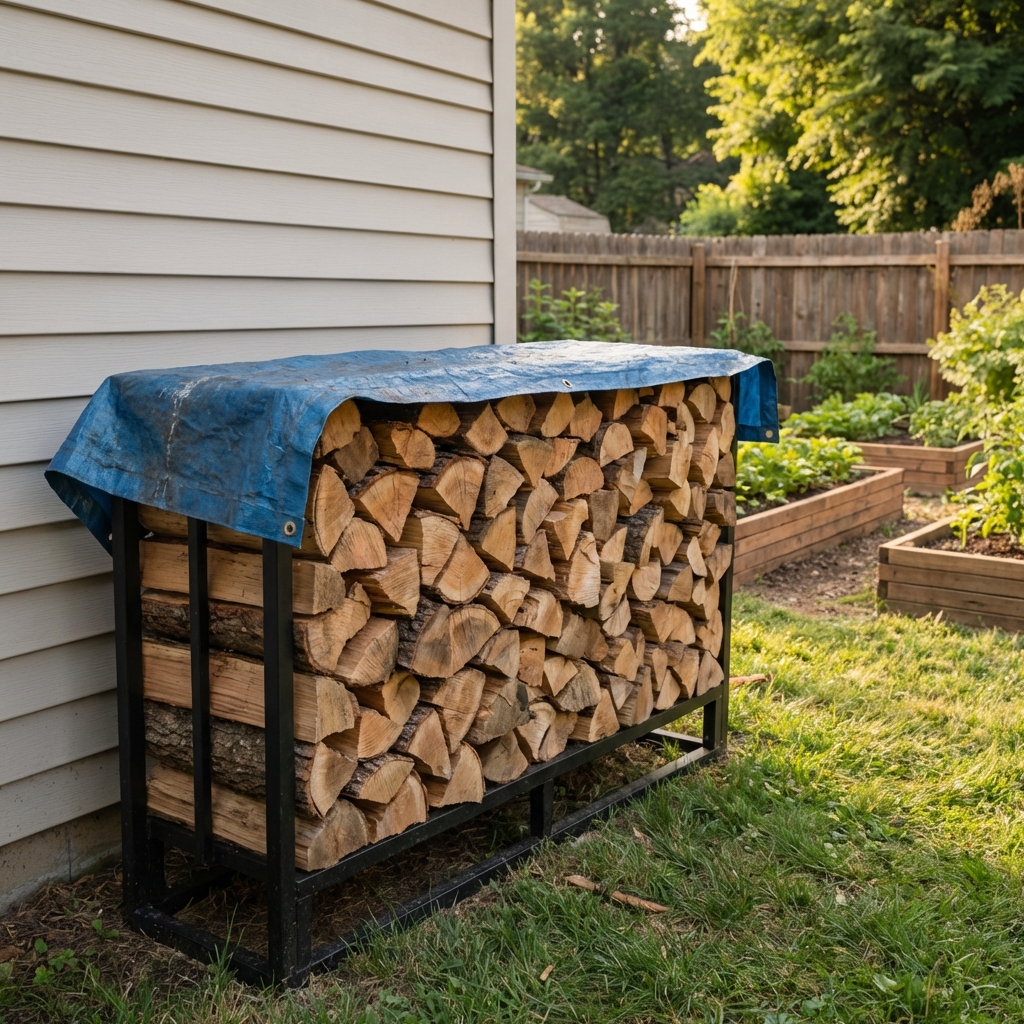
- Store lumber and firewood properly: elevate it on a rack at least 12 inches off the ground and keep it a few feet away from structures.
2) Reduce rodents naturally
If you have mice, you have a snake invitation. Focus on prevention first.
- Secure trash cans with tight lids.
- Clean up fallen birdseed and consider a tray under feeders.
- Pick up fruit and nuts (apples, acorns) that attract rodents.
- Store animal feed (chicken, dog, goat) in sealed metal containers.
- Use snap traps in protected boxes where pets and wildlife cannot access them.
Skip glue boards. They are inhumane and often catch non-target animals.
3) Control moisture
Moist, shaded corners attract prey and create comfortable hiding spots.
- Fix dripping spigots and hose connections.
- If feasible, do not leave pet water bowls outside overnight if snakes are a concern.
- Improve drainage in soggy areas with grading or a simple gravel trench.
- Keep mulch layers reasonable near the house (2 to 3 inches, not 6).
Exclusion: block access
Cleanup makes your yard less attractive. Exclusion is what keeps curious passersby from turning into regular visitors.
Think of this as the “seal the gaps” step. It’s not flashy, but it’s what turns occasional sightings into rare sightings.
Snake fencing
If you live in an area with frequent snakes, a dedicated snake fence is one of the most dependable solutions. Specs vary by region and species, so it is smart to check local university extension or wildlife-agency guidance before you build.
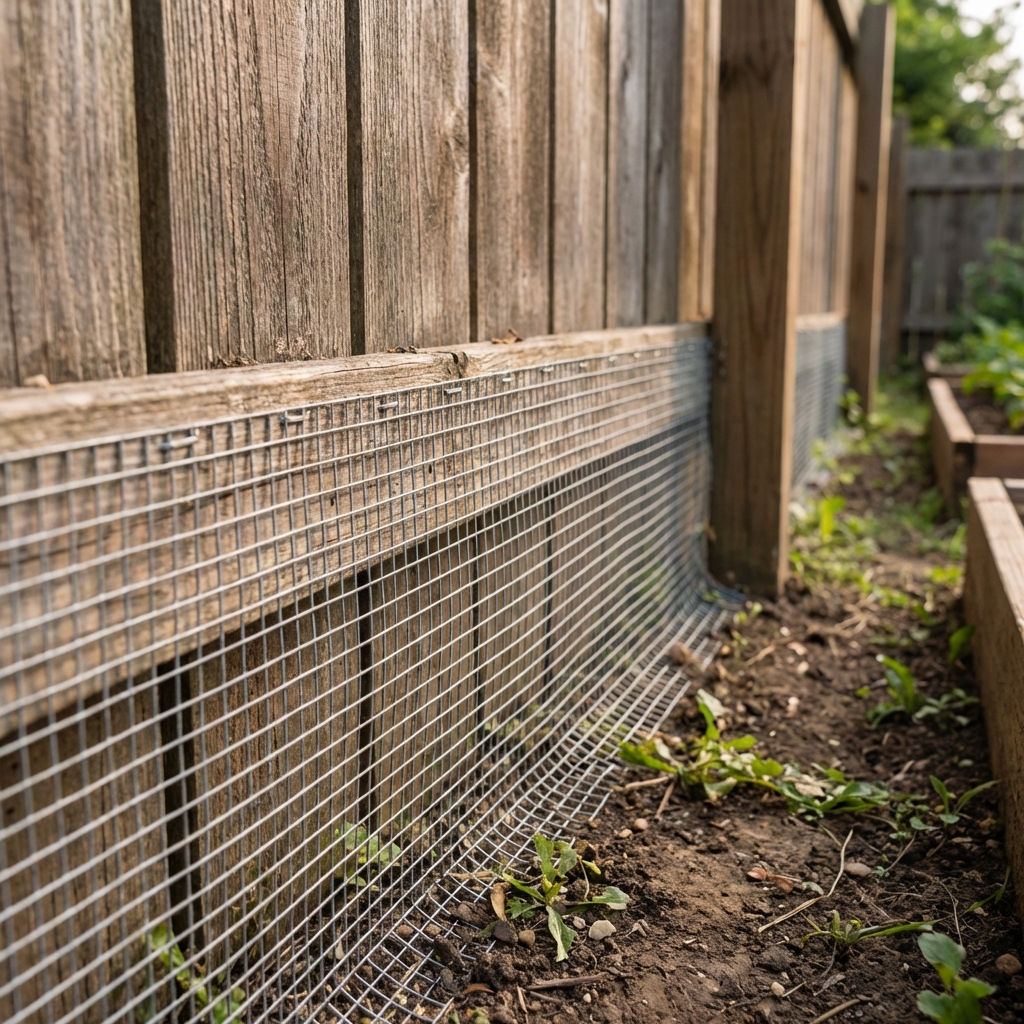
- Use 1/4-inch hardware cloth (not chicken wire).
- Fence should be at least 30 to 36 inches tall.
- Bury 4 to 6 inches of the bottom edge or flare it outward underground.
- Angle the fence outward 10 to 20 degrees to make climbing harder.
- Seal seams, corners, and gates. A great fence with a sloppy gate is basically a welcome mat.
- Keep vegetation trimmed along the fence line so snakes cannot use plants as a ladder.
Seal common entry points
- Close gaps under sheds, decks, and porches with hardware cloth.
- Seal foundation cracks and holes where utilities enter (A/C lines, pipe penetrations) with appropriate sealant and mesh.
- Install door sweeps on garages and sheds where gaps are visible.
- Check crawlspace vents and window wells for openings that need screening.
Rule of thumb: if a gap is larger than 1/4 inch, treat it as an entry point and tighten it up.
Deterrents: limited help
Here’s the honest truth: scents and granules are not as reliable as cleanup and fencing, and evidence for many repellents is limited. That said, some homeowners do notice fewer sightings when these are used as a supplement in high-traffic zones.
Clove and cinnamon oil
Limited lab and small-scale testing suggests some strong essential oils can be irritating to snakes, but that does not mean they reliably “repel” snakes in a real yard. If you try this route:
- Use it only in targeted areas like along an outside threshold or a small section of fence line.
- Reapply after rain and irrigation.
- Keep away from pets, especially cats, and avoid using where animals lick or roll.
Do not spray oils directly on a snake and do not apply to edible plants.
Vinegar
Vinegar is sometimes used around pond edges and hard surfaces. It is not a yard-wide fix and can burn plants and alter soil pH if overused.
- Use on non-plant surfaces (stone edging, concrete) only.
- Avoid runoff into garden beds.
“Natural” commercial repellents
Many products use sulfur, essential oils, or plant-based ingredients. They can be okay to try, but treat them like a temporary layer, not the main plan.
- Read labels carefully for pet safety.
- Expect frequent reapplication.
- Do not rely on them to prevent bites or guarantee a snake-free yard.
Myths to skip
- Mothballs: not a safe or recommended outdoor solution and can be harmful to pets and wildlife.
- Ultrasonic repellers: mixed evidence and often disappointing results outdoors.
- Ammonia-soaked rags: short-lived, unpleasant, and not reliable.
- “Snake-repelling plants”: there is no plant that consistently keeps snakes away just by being present.
If a method sounds like it would repel a human more than a wild animal, it usually belongs in the skip-it pile.
Make your yard less inviting
You do not need to turn your yard into bare dirt. You just need to manage the edges and the hiding spots.
Use a clean border
Create a buffer zone around your vegetable beds and play areas:
- Keep a 2 to 3 foot strip of short grass, gravel, or simple mulch with no dense plants.
- Avoid stacking stones right next to beds if snakes are common in your region.
Compost and mulch
- Keep compost bins away from the house and keep the area around them tidy.
- Do not let mulch pile up against foundations.
Ponds and water features
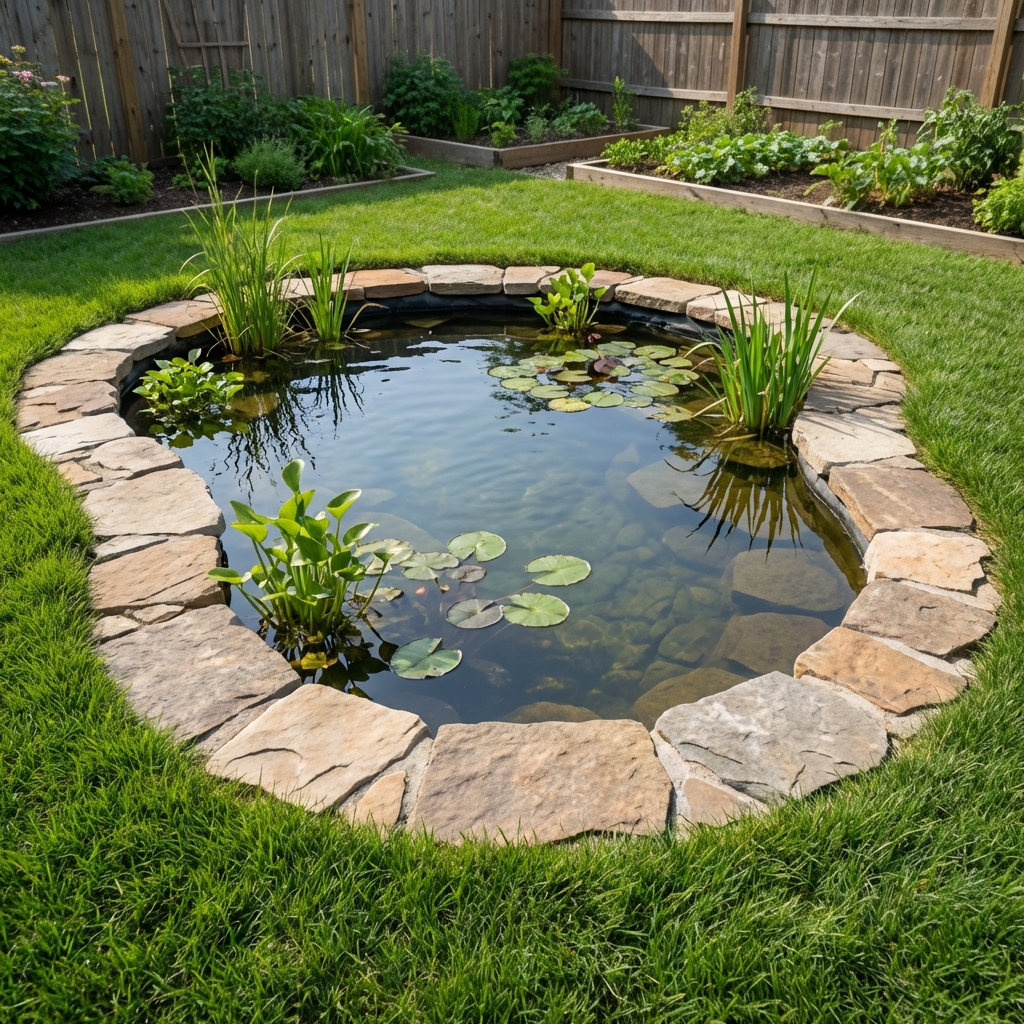
Ponds attract frogs and small wildlife, which can attract snakes. You can still have a pond, just manage the perimeter.
- Keep grasses trimmed around the edge.
- Remove low brush and clutter near the pond.
If you have chickens
Backyard coops can attract rodents, and rodents attract snakes. A few simple upgrades help a lot:
- Store feed in sealed metal containers and clean up spillover daily.
- Collect eggs promptly and keep nesting areas tidy.
- Harden the coop: use 1/4-inch hardware cloth on vents and openings (not chicken wire).
- Add a skirt (apron): extend hardware cloth 12 to 18 inches outward on the ground around the coop run to discourage digging entry points.
- Reduce hiding spots: keep weeds and tall grass trimmed around the coop and run.
If you see a snake
Most backyard snakes are nonvenomous and helpful rodent hunters. If you find one:
- Stay calm and give it space. Back up slowly.
- Keep kids and pets inside until it leaves.
- Do not try to handle it. Many bites happen during attempted removal.
- If it is inside a structure or will not move along, call a licensed wildlife professional.
If you are unsure whether a snake is venomous, treat it as if it is and keep your distance.
Note: In some areas, certain snakes are protected and relocating them yourself may be regulated. When in doubt, contact your local wildlife agency or a licensed pro.
If someone is bitten
Take any suspected venomous snake bite seriously.
- Call emergency services right away (or your local emergency number).
- Keep the person calm and still, and remove rings or tight items near swelling.
- Do not cut the wound, suck out venom, apply ice, or use a tourniquet.
If it can be done safely, note the snake’s appearance from a distance, but do not try to catch it.
Kid and pet safety
- Walk your yard before letting dogs roam, especially near tall grass and wood piles.
- Leash curious dogs in snake-prone areas.
- Teach kids to never reach into brush, rock gaps, or under boards.
- Wear closed-toe shoes and gloves when cleaning up clutter or pulling weeds in dense areas.
Quick checklist
- Cut tall grass and trim dense groundcover near the house
- Remove brush piles and clean up clutter
- Elevate wood piles and keep them away from buildings
- Reduce rodents by securing feed, trash, and birdseed
- Seal gaps larger than 1/4 inch under sheds, decks, and foundations
- Consider a hardware-cloth snake fence if sightings are frequent (seal gates and seams)
- Use scent-based deterrents only as a backup, not the foundation
If you want the biggest payoff, start with the first four bullets. Those are the steps that change the whole yard’s welcome level for snakes.
When to call a pro
Get expert help if:
- You suspect a venomous snake is living on the property.
- You keep finding shed skins or see repeat sightings in the same spot.
- A snake is inside your home, crawl space, garage, or chicken coop.
- You cannot safely access the area where the snake is hiding.
A licensed wildlife control pro can identify the species, locate entry points, and recommend exclusion that fits your yard.

Jose Brito
I’m Jose Britto, the writer behind The Country Store Farm Website. I share practical, down-to-earth gardening advice for home growers—whether you’re starting your first raised bed, troubleshooting pests, improving soil, or figuring out what to plant next. My focus is simple: clear tips you can actually use, realistic expectations, and methods that work in real backyards (not just in perfect conditions). If you like straightforward guidance and learning as you go, you’re in the right place.