Cockroaches are basically survival experts. If they can find food, water, and a safe hiding spot, they will settle in and multiply fast. The good news is you can keep them out with a natural approach that focuses on prevention first, then targeted treatments where they travel and hide.
This page walks you through realistic steps that work in everyday kitchens, bathrooms, garages, and even around garden areas where roaches sometimes wander in.
First: Know what brings roaches inside
You do not need to be messy to get roaches. Many infestations start with one of these:
- Easy water: dripping pipes, wet sponges, pet bowls left overnight, condensation under a fridge.
- Food traces: crumbs under a toaster, grease on a stove hood, trash without a tight lid.
- Clutter and hiding spots: cardboard boxes, paper bags, stacked stuff in dark corners.
- Entry points: gaps under doors, cracks around plumbing, torn window screens.
- Hitchhikers: grocery bags, deliveries, used appliances, and even plant pots moved indoors.
If you only use a remedy but do not remove the attractants, roaches will keep coming back.
Quick ID: Which roach are you dealing with?
Roach species matters because the best solution can change depending on whether they live indoors or are wandering in from outside.
- Small, light brown, fast (often seen in kitchens and bathrooms, usually at night): commonly German roaches. These are the ones most likely to need a serious plan with baits and often an IGR (insect growth regulator) to fully break the cycle.
- Large, reddish brown (more likely from basements, crawlspaces, garages, or outdoors): often American or similar outdoor-leaning roaches. Exclusion and moisture control make a big difference, plus targeted traps and dusting in hidden areas.
- If you see roaches in daytime: that can mean heavy pressure, competition for hiding space, or an established infestation nearby.
If you are not sure, sticky traps help. The size and number you catch tells you a lot.
The natural game plan (in order)
For the best results, do these in sequence. Think of it like gardening: you fix the conditions first, then you treat the pest.
- Cut off food and water
- Seal and block entry points
- Use targeted treatments in the right places
- Trap and monitor
- Keep up a simple prevention routine
Safety basics (read this first)
Natural does not always mean harmless. A few simple rules keep this low-risk and effective:
- Keep powders out of the air. Apply a very light dusting only in cracks, voids, and hidden areas. Avoid broad “snowing” of floors or shelves.
- Keep products away from kids and pets, especially boric acid and essential oils.
- Do not apply anything on food prep surfaces.
- Follow the label, even with naturally derived products.
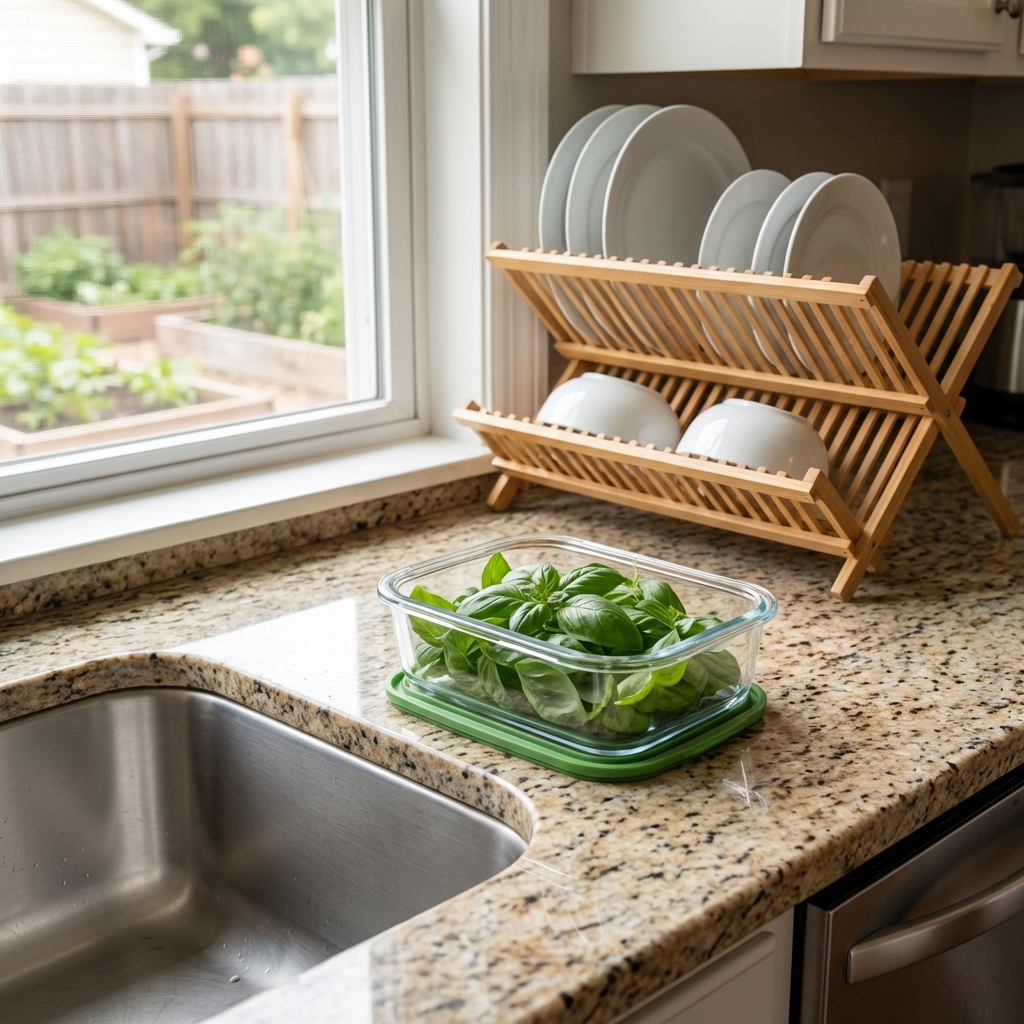
Step 1: Remove food and water (biggest impact)
Kitchen habits that make a difference
- Wipe counters and stove nightly, especially grease splatter and crumbs.
- Do not leave dirty dishes overnight. If you must, at least rinse them well and drain the sink.
- Store food in hard containers (plastic, glass, or metal with tight lids). Cardboard and thin bags are not barriers.
- Take out trash regularly and use a lid that closes tight.
- Clean under small appliances weekly (toaster, air fryer, coffee maker). Those hidden crumbs add up.
Water control checklist
- Fix leaks under sinks and behind toilets.
- Hang dishcloths to dry and replace sponges often.
- Do not leave pet water out overnight if roaches are active.
- Run a dehumidifier in damp basements if needed.
Tip: Roaches can survive longer without food than without water. Drying things out is a natural advantage.
Step 2: Seal where they enter and hide
Roaches squeeze through tiny gaps, but exact size depends on the species and life stage. As a practical rule, if a gap looks like about 1/16 to 1/8 inch (or you can slide the edge of a credit card into it), treat it as a possible entry or hiding route.
Quick sealing wins
- Door sweeps for exterior doors and the door between garage and house.
- Weatherstripping around doors and windows.
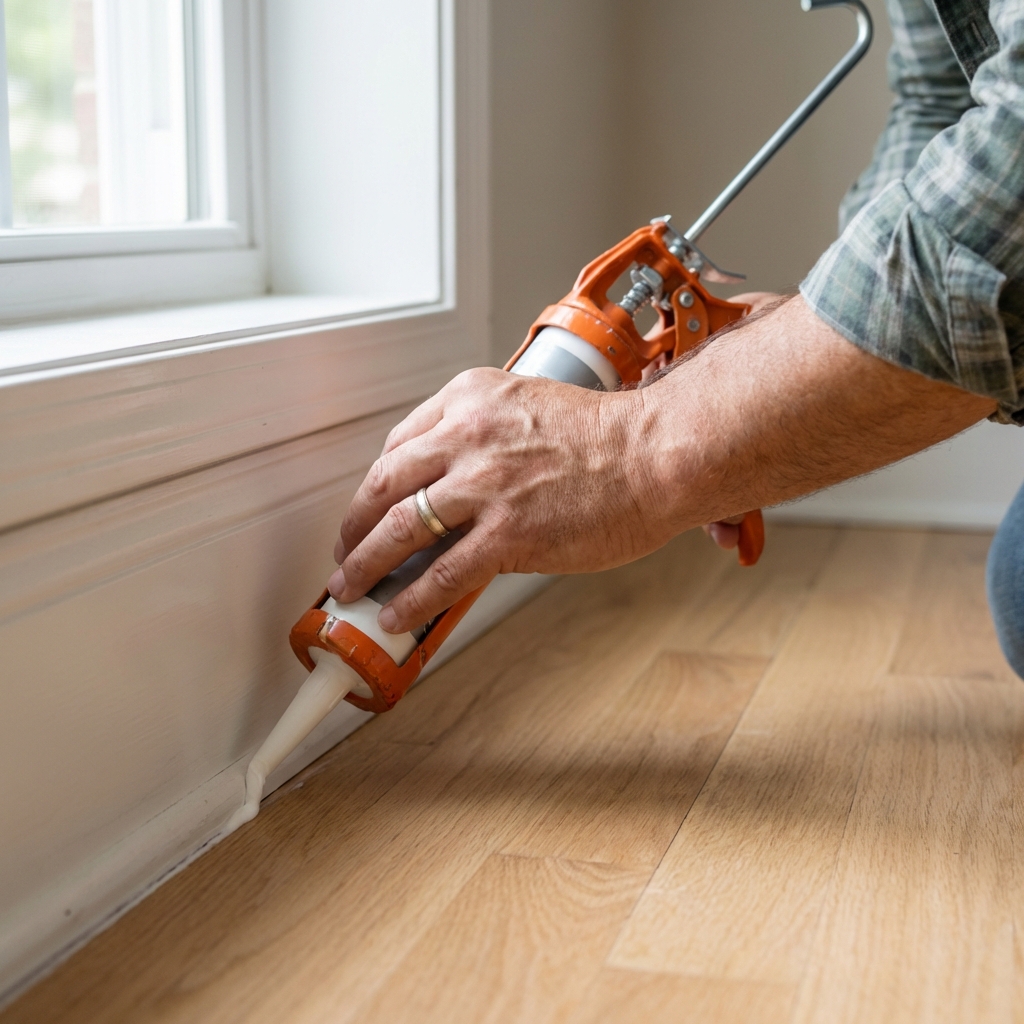
- Caulk along baseboards, under sinks, and around cabinets where you see cracks.
- Steel wool + caulk for larger gaps around pipes (helps block voids and supports the sealant). Use it as a backing material, not as a stand-alone fix.
- Repair screens and add mesh over vents if needed.
Step 3: Targeted treatments that actually work
There is a lot of internet noise around natural roach control. Here are the options with the best real-world track record, and how to use them safely.
Diatomaceous earth (food grade)
Food grade diatomaceous earth (DE) is a fine powder that damages insects’ outer coating as they crawl through it, leading to dehydration.
- Where to use: behind fridge and stove, under sink (back corners), along wall gaps, under cabinets, around plumbing penetrations.
- How to apply: a thin dusting is better than piles. Roaches can avoid thick layers, and overapplication creates cleanup and air-quality issues.
- Keep it dry: DE becomes less effective when damp or wet.
- Safety: avoid breathing dust. Consider a mask during application and keep it out of areas where kids and pets can kick it into the air.
Boric acid (use carefully and strategically)
Boric acid is naturally occurring and has long been used for roaches. It works best as a light dust in hidden travel paths, not as a visible layer.
- Where to use: inside wall voids (if accessible), behind appliances, under cabinets, in cracks and crevices.
- How to apply: very lightly. If you see obvious white piles, it is too much.
- Do not use: on countertops, food prep surfaces, or anywhere pets and kids can access.
Important: Store it securely and follow the label. “Natural” does not always mean low-risk.
Low-tox baits and IGRs (often the missing piece)
If you are dealing with small indoor roaches (especially German roaches), gel baits and an insect growth regulator (IGR) are often the most effective low-exposure option. They are not “natural,” but they can be lower risk than spraying when used correctly because they stay in targeted placements.
- Why they work: roaches feed on the bait and spread it through the population, while IGRs disrupt reproduction.
- Placement matters: tiny dots in cracks and hidden corners where you see activity, not in open areas.
- Avoid repellents nearby: strong-smelling sprays (including many essential oils) can push roaches away from bait placements.
Baking soda and sugar (mild, not reliable)
This is a common home remedy. Results are mixed and often anecdotal. It may help reduce activity a bit in light situations, but it is not a reliable fix for established infestations.
- Mix: equal parts baking soda and sugar.
- Place: in shallow lids under appliances and behind the trash can.
- Refresh: every few days, especially in humid areas.
Sticky traps (non-toxic and very useful)
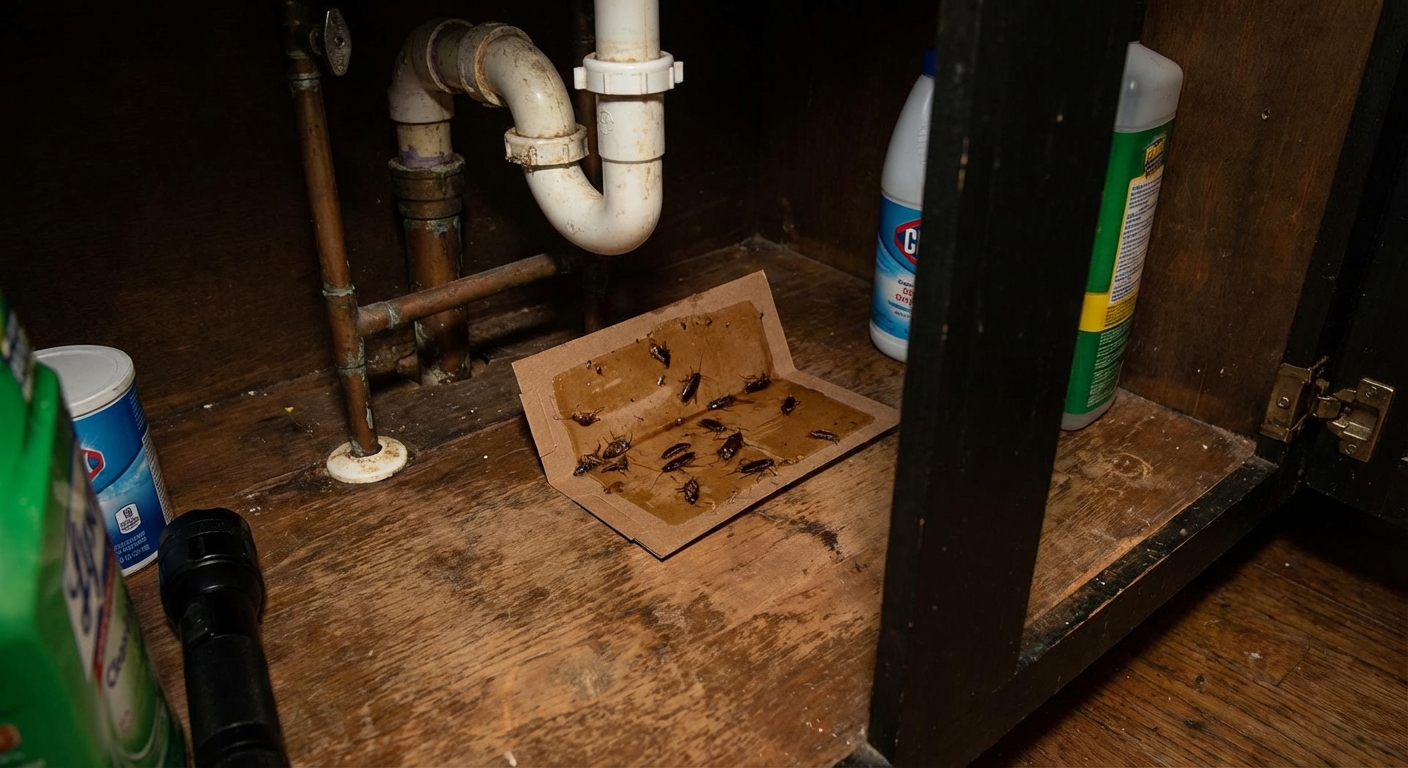
Traps are not just for catching. They tell you where the roaches are coming from so you can treat the right spots.
- Best placements: under sink, behind fridge, behind stove, pantry corners, near pet food, bathroom vanity.
- What to look for: lots of small roaches usually means an indoor hiding area nearby.
Natural repellents: what helps and what to skip
Repellents can help a little, but they rarely solve an infestation alone. Use them as a support tool, not the main strategy. If you are using baits, skip repellents near bait placements.
Peppermint oil spray (light prevention only)
Peppermint oil may discourage roaches in some situations, especially around entry points. Still, essential oils are not a proven control method for an active infestation. Use this for prevention after you have cleaned and sealed.
- Simple mix: 10 to 15 drops peppermint essential oil in 2 cups water + a small drop of mild dish soap to help it mix.
- Spray: baseboards, under sinks, around door thresholds.
- Do not spray: directly on food prep surfaces.
- Pet note: essential oils can bother pets, especially cats. Use cautiously, keep pets away until dry, and ventilate well.
Bay leaves (limited, but harmless)
Bay leaves are often recommended for cupboards. They are safe and inexpensive, but do not expect them to solve an active infestation. Think of them as a mild deterrent.
Skip: ultrasonic plug-ins
These devices are popular, but results are inconsistent and usually disappointing. Your time and money are better spent sealing gaps and using traps plus targeted dusting or baiting.
Kitchen and bathroom hot spots
If you want quick progress, focus on the places roaches love most.
Under the sink
- Dry the cabinet base and fix leaks.
- Seal pipe gaps with steel wool + caulk.
- Light dusting of DE or boric acid in back corners and cracks only.
- Add a sticky trap.
Behind the fridge and stove
- Vacuum crumbs and grease buildup.
- Check the drip pan area if accessible.
- Light dusting of DE along the wall edge behind the appliance, not on open floor space.
- Place a trap behind each appliance.
Bathroom vanity
- Fix slow drips and dry pooled water.
- Seal around plumbing penetrations.
- Place a trap and monitor weekly.
Outdoor and garden-adjacent prevention
Some roaches live outdoors and wander in, especially during heat, heavy rain, or drought. If you garden, these steps help keep the pressure down near your foundation.
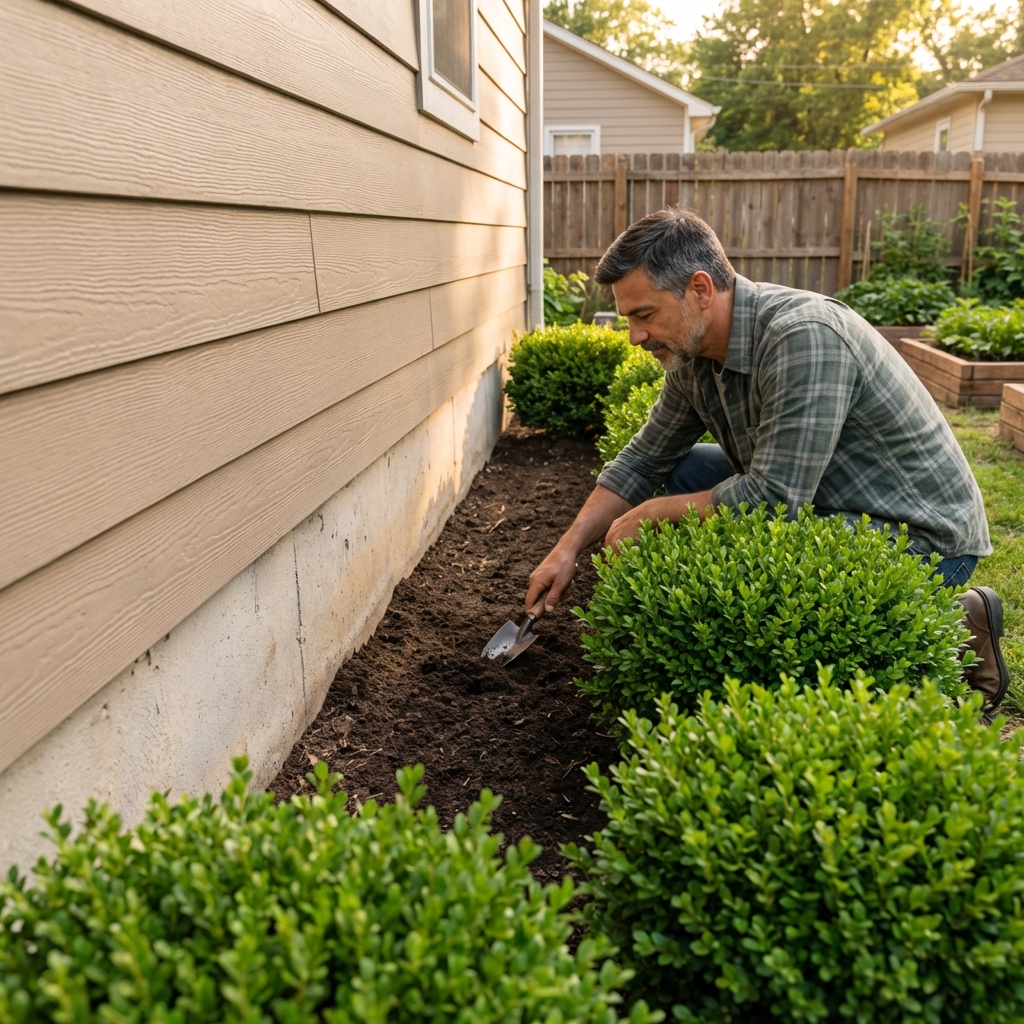
- Pull mulch back 6 to 12 inches from the foundation. Keep that perimeter drier and less inviting.
- Keep leaf litter and wood piles away from the house.
- Do not overwater beds closest to the house. Fix leaky spigots and hoses.
- Trim shrubs so they do not touch siding.
- Seal entry points where garden utilities enter the house (hose bibs, AC lines, cable lines).
How long does natural control take?
It depends on the species, infestation level, and how consistent you are. Many people see improvement in 1 to 2 weeks, with bigger reductions over 3 to 6 weeks. If you are using baits and an IGR correctly, results can be stronger and more consistent, especially for German roaches.
Best sign you are winning: traps catch fewer roaches week to week, and you stop seeing young ones.
When to call a pro
Natural methods work well for light to moderate problems, but there are times to get help:
- You are seeing roaches in daytime regularly.
- You find egg cases or lots of tiny roaches in multiple rooms.
- The problem returns quickly after you clean and seal.
- You live in a multi-unit building where they may be coming from nearby units.
- Someone in the home has asthma or allergies and symptoms are flaring. Roach allergens can be a serious trigger.
If you do hire a pest professional, ask about integrated pest management (IPM), targeted baiting, and IGR options. Even pros get better results when you have already handled sanitation and sealing.
If you live in an apartment or condo
- Notify your landlord or property manager early. Roach control works best when units are treated together.
- Ask neighbors to report sightings too, especially if you share walls.
- Add door sweeps and seal plumbing penetrations to reduce movement between units.
A simple weekly routine to keep them out
- Wipe kitchen surfaces and sweep crumbs nightly.
- Empty trash and recyclables before they overflow.
- Quick check for leaks and damp spots under sinks.
- Refresh traps monthly and note where activity shows up.
- Vacuum behind stove and fridge every couple of weeks.
Do those basics, and most homes become a tough place for roaches to survive, no harsh sprays required.

Jose Brito
I’m Jose Britto, the writer behind The Country Store Farm Website. I share practical, down-to-earth gardening advice for home growers—whether you’re starting your first raised bed, troubleshooting pests, improving soil, or figuring out what to plant next. My focus is simple: clear tips you can actually use, realistic expectations, and methods that work in real backyards (not just in perfect conditions). If you like straightforward guidance and learning as you go, you’re in the right place.