Skunk smell is one of those problems that feels impossible until you understand what you are fighting. The odor comes from sulfur-heavy compounds (thiols) in skunk spray. Some of it off-gasses into the air, but a big part of the problem is the oily residue that clings to fabric and surfaces and keeps releasing odor over time. The good news is you do not have to “cover it up.” You want to neutralize it.
Below is a practical, at-home approach using natural or common household remedies. Start with ventilation, then work from the air to soft surfaces to hard surfaces. That order matters because fabrics and carpets can re-stink the whole room if you skip them.
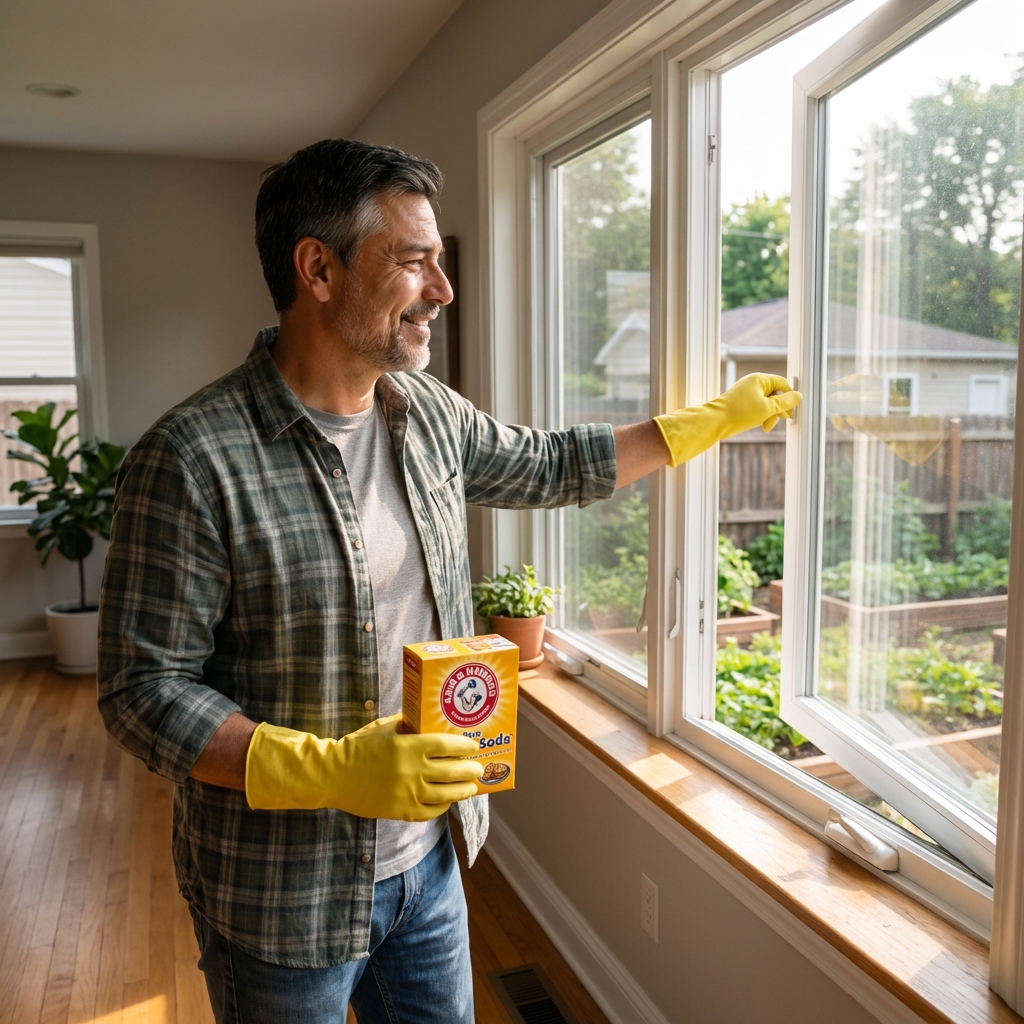
Before you start: what not to do
- Do not use bleach on skunk odor. Bleach can damage surfaces and create harsh fumes, and it is not the best neutralizer for skunk spray.
- Do not rely on candles or air fresheners. They mask the smell and can make the room feel worse once the fragrance fades.
- Do not mix random cleaners. Especially avoid mixing bleach with ammonia or bleach with acids (including vinegar). Also, do not combine vinegar and peroxide in the same container. It is unnecessary and can create irritating byproducts. Use one method at a time and rinse between steps.
- Do not put peroxide solution in a sealed spray bottle. It can build pressure. Mix fresh in an open container.
Step 0: Contain it if it is fresh
If the spray is recent and you can still smell it strongly near the source, do this first. You will prevent the odor from spreading while you clean.
- Remove contaminated items (shoes, jackets, pet bedding) and take them outside if possible.
- Do not rub spray into fabric or carpet. Blot instead.
- Bag clothing before carrying it through the house. Use a trash bag you can tie off.
- Keep the source area isolated by closing interior doors.
Step 1: Ventilate
This is your fastest win. Skunk odor keeps releasing into the air, especially from soft surfaces. Get the air moving out while you tackle the residue.
- Open windows on opposite sides of the house for cross-breeze.
- Set a box fan in one window facing out to push smelly air outside. If you have a second fan, aim it inward from a different window to pull in fresh air.
- Replace HVAC filters if your system was running during the incident. Skunk odor can linger in filters.
- Turn off air recirculation if you can, and avoid running the furnace fan until you swap the filter.
If the smell came in through an open door or from a pet, isolate that area first by closing interior doors.
Step 2: Reduce odors in the air
These options can help lower lingering odor, but they will not solve a strong smell if the source (carpet, upholstery, clothing, entryway) is still contaminated.
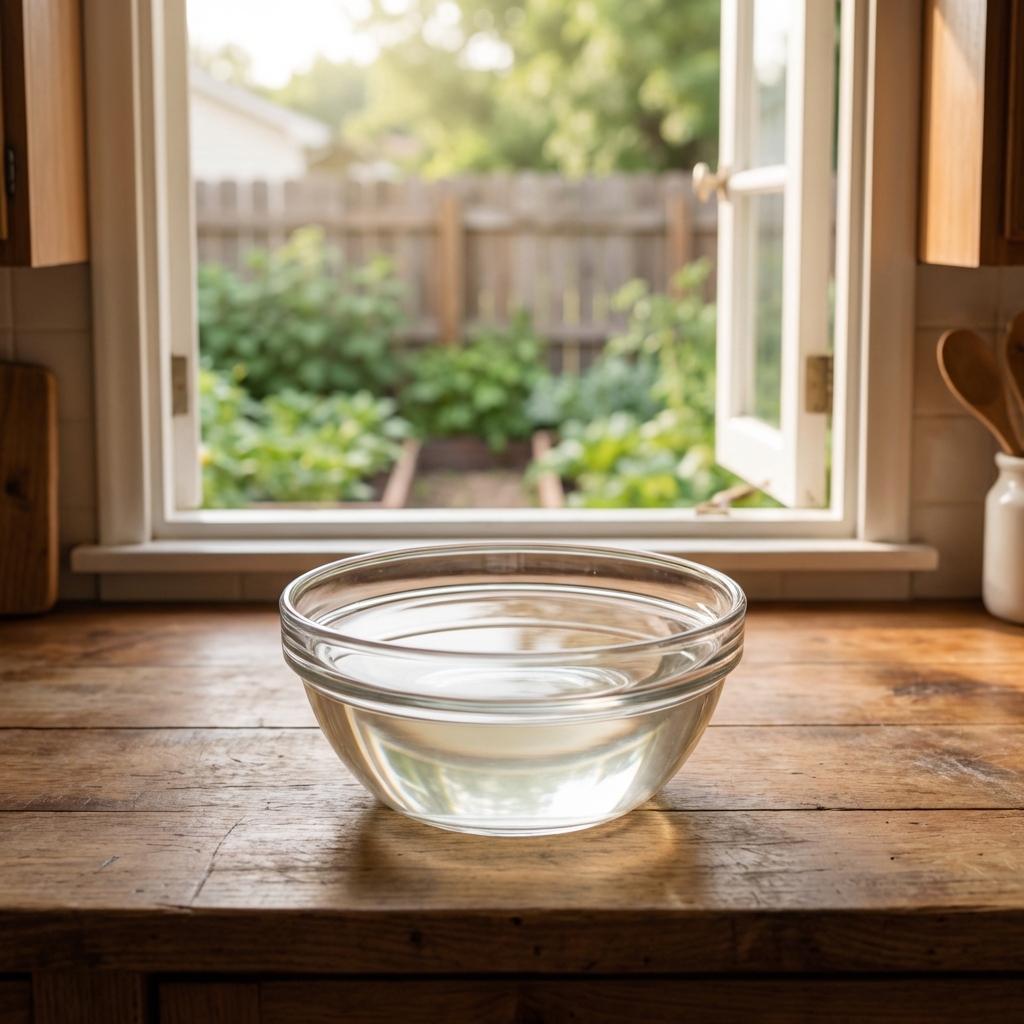
Baking soda bowls
Place shallow bowls or plates of baking soda around the affected rooms. Use more than you think. One small bowl in a big room will not do much.
- Use 1 to 2 cups per room in several containers.
- Stir once a day and replace every 24 to 48 hours until the smell drops.
White vinegar bowls
Vinegar does not “perfume” the air. It can help reduce odor as it evaporates.
- Fill bowls with plain white vinegar and set them in the smelliest spots.
- Keep pets and kids away from the bowls.
- Replace daily as needed.
Step 3: Treat the source
Skunk smell usually lives in one or more of these: clothing, pet fur, upholstery, carpets, curtains, and the entryway where the odor came in. Hit those targets directly. If carpet padding or a subfloor got soaked, surface cleaning may not be enough and the odor can rebound until the deeper layer is treated or replaced.
Fabrics and washable items
Washable clothing and linens
- Do a pre-soak: Add 1 cup baking soda to a tub or washer (fill with water), soak 30 to 60 minutes if possible.
- Wash hot if safe for the fabric using your regular detergent.
- Add vinegar to the rinse cycle: 1 cup white vinegar can help cut lingering odor. Add it to the fabric softener compartment if your washer has one.
- Do not combine vinegar and bleach in any laundry load.
- Air-dry first if you are unsure the smell is gone. Heat from the dryer can set odors into fibers. If odor remains, repeat the wash before drying.
Non-washable fabrics
For curtains, couch cushions, and rugs you cannot machine-wash:
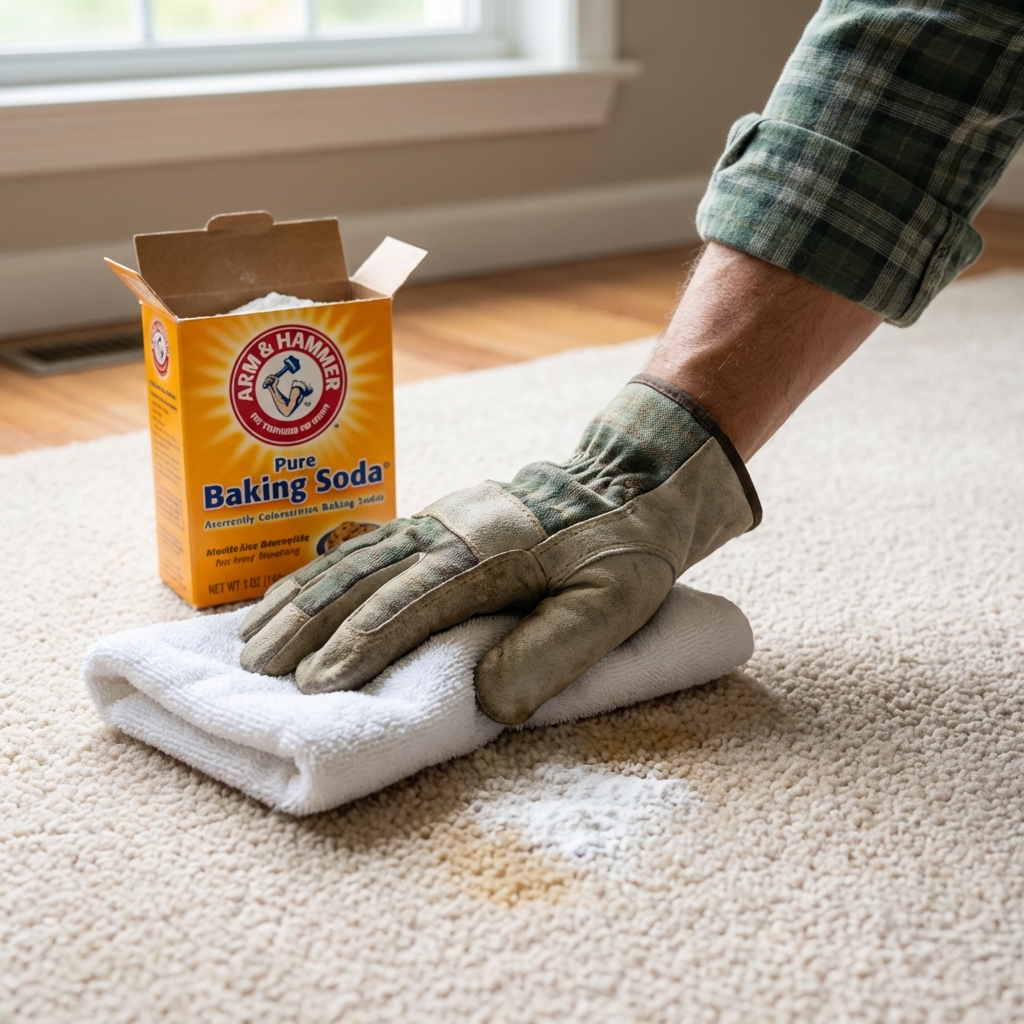
- Sprinkle baking soda generously, let sit 8 to 12 hours, then vacuum thoroughly.
- Repeat as needed. The first pass usually helps, but skunk odor can take a couple rounds.
If you can take items outdoors into sunlight and fresh air, do it. UV light and airflow help reduce odor in a way indoor air cannot.
Carpets and upholstery: peroxide mix
This is the go-to mix many veterinarians, groomers, and homeowners recommend because it neutralizes the sulfur compounds instead of masking them. It is often credited to Paul Krebaum.
Skunk odor neutralizing mix (make fresh)
- 1 quart (4 cups) 3% hydrogen peroxide
- 1/4 cup baking soda
- 1 teaspoon mild dish soap
How to use it indoors:
- Test a hidden spot first. Peroxide can lighten some fabrics and carpets.
- Blot any wet spray residue first. Do not rub.
- Apply the solution lightly with a cloth or sponge. You want the area damp, not soaked.
- Let sit 10 to 15 minutes.
- Blot with clean towels, then rinse by blotting with plain water.
- Dry fast with a fan to prevent musty smells.
Safety notes: Use gloves, provide ventilation, and never store leftover mixture in a closed container. Mix only what you will use that day.
Hard surfaces
Hard surfaces can hold a thin oily film, especially near doors, baseboards, and lower walls where a pet brushed by.
Vinegar wipe-down
- Mix 1 part white vinegar with 1 part warm water.
- Wipe surfaces with a microfiber cloth.
- Follow with a plain water wipe to remove residue if needed.
Material note: Avoid vinegar on natural stone like marble, limestone, and travertine since it can etch. Use a stone-safe cleaner instead.
Dish soap and warm water
If you suspect an oily film, dish soap can lift it. Wash, rinse, and dry.
- Use a few drops of dish soap in a bucket of warm water.
- Change the water often so you are not smearing odor around.
Finish note: If you are wiping painted walls, finished wood, or delicate finishes, test a small hidden spot first.
If the smell came from a pet
If your dog or cat got sprayed and came inside, the home deodorizing will not stick until the pet is treated. The same peroxide mix above is commonly used on dogs, but use common sense and caution. It can irritate skin and eyes, it can lighten fur, and dish soap can be drying.
- Avoid eyes, nose, mouth, and inside ears.
- Do not use on broken or already irritated skin.
- Rinse thoroughly and do not leave the mixture sitting on the coat.
- Do not use on cats without calling your vet first. Cats groom themselves and can ingest residues.
- If your pet is squinting, drooling, coughing, or seems distressed, call a vet immediately.
Even after bathing, wash pet bedding and wipe down crates, leashes, collars, and the path your pet took through the house.
Quick timeline
- First 1 to 3 hours: Ventilation plus targeted cleaning usually cuts the punch significantly.
- 24 hours: Baking soda and fabric treatment start to make the house feel normal again.
- 2 to 7 days: Stubborn odors in carpets, upholstery, padding, or HVAC can take longer, especially in humid weather.
Humidity makes smells linger. If you have a dehumidifier, run it in the worst room to speed things up.
Troubleshooting
You cleaned the air but not the fabric
Soft surfaces act like a sponge. If the couch, rug, or curtains were exposed, they will keep releasing odor.
The entryway still has residue
Door mats, baseboards, and the lower half of doors are common culprits. Wash mats, wipe hard surfaces, and clean the threshold area.
Your HVAC filter is holding odor
Swap the filter, then run the fan with windows open for a bit to flush the system.
When to call a pro
Most skunk odor can be handled at home, but it is worth calling a pro if:
- The spray hit a large area of carpet padding or upholstered furniture and the smell keeps returning after multiple treatments.
- The odor is inside ductwork or returns every time the HVAC runs.
- Someone in the home has asthma or sensitivity and symptoms are flaring.
Ask about ozone or hydroxyl treatments, and whether they treat carpet padding, not just the surface. Ozone is not a casual DIY tool. It should only be used in an unoccupied space (people, pets, and plants out), with proper ventilation afterward, and it can degrade rubber and some plastics.
Simple prevention
- Keep a small “skunk kit” on hand: baking soda, 3% hydrogen peroxide, dish soap, gloves, and old towels.
- Motion lights near porches can reduce nighttime wildlife surprises.
- Secure garbage, feed pets indoors, and check the yard before letting dogs out at night.
Frequently asked questions
Will vinegar remove skunk smell completely?
Vinegar helps a lot for light to moderate odor and is great for wiping down hard surfaces and reducing air odor. For heavy odor in carpets and upholstery, the peroxide and baking soda mix is usually more effective.
Does tomato juice work?
It mostly masks odor and can make a bigger mess. Neutralizing the odor compounds works better than covering them up.
Can I use essential oils?
They can help the room smell nicer after you neutralize the odor, but they do not fix the problem on their own. Also be cautious if you have pets, since some oils are not pet-safe.

Jose Brito
I’m Jose Britto, the writer behind The Country Store Farm Website. I share practical, down-to-earth gardening advice for home growers—whether you’re starting your first raised bed, troubleshooting pests, improving soil, or figuring out what to plant next. My focus is simple: clear tips you can actually use, realistic expectations, and methods that work in real backyards (not just in perfect conditions). If you like straightforward guidance and learning as you go, you’re in the right place.