Mosquito control in the garden is less about finding one miracle plant and more about stacking a few reliable habits. If you remove breeding spots, make your yard less comfortable for adults, and use targeted natural treatments only where they help, you can cut bites way down without fogging your whole property.
This guide walks you through the most effective natural methods, in the order that usually makes the biggest difference.

Know what you are fighting
Most of the mosquitoes bothering you are coming from water you would not even call a pond. In warm weather, many common species can develop from egg to biting adult in about a week to two weeks, and sometimes faster in ideal heat. That means a small forgotten container can produce a steady stream of new mosquitoes all summer.
- Adults rest in shady, humid spots like dense shrubs, tall grass, and under decks.
- Larvae develop in standing water that sits for several days.
- You get relief fastest by stopping breeding first, then making your yard less welcoming for the adults that remain.
Step 1: Eliminate breeding water (biggest payoff)
Walk your yard once a week during mosquito season, especially after rain. You are looking for anything that holds water for more than 3 to 4 days. In peak season, refreshing small water sources every 1 to 3 days is even better.
Quick checklist for common problem spots
- Plant saucers under pots (either empty them or fill saucers with sand so water cannot pool)
- Birdbaths (dump and refill every 2 to 3 days, and scrub weekly)
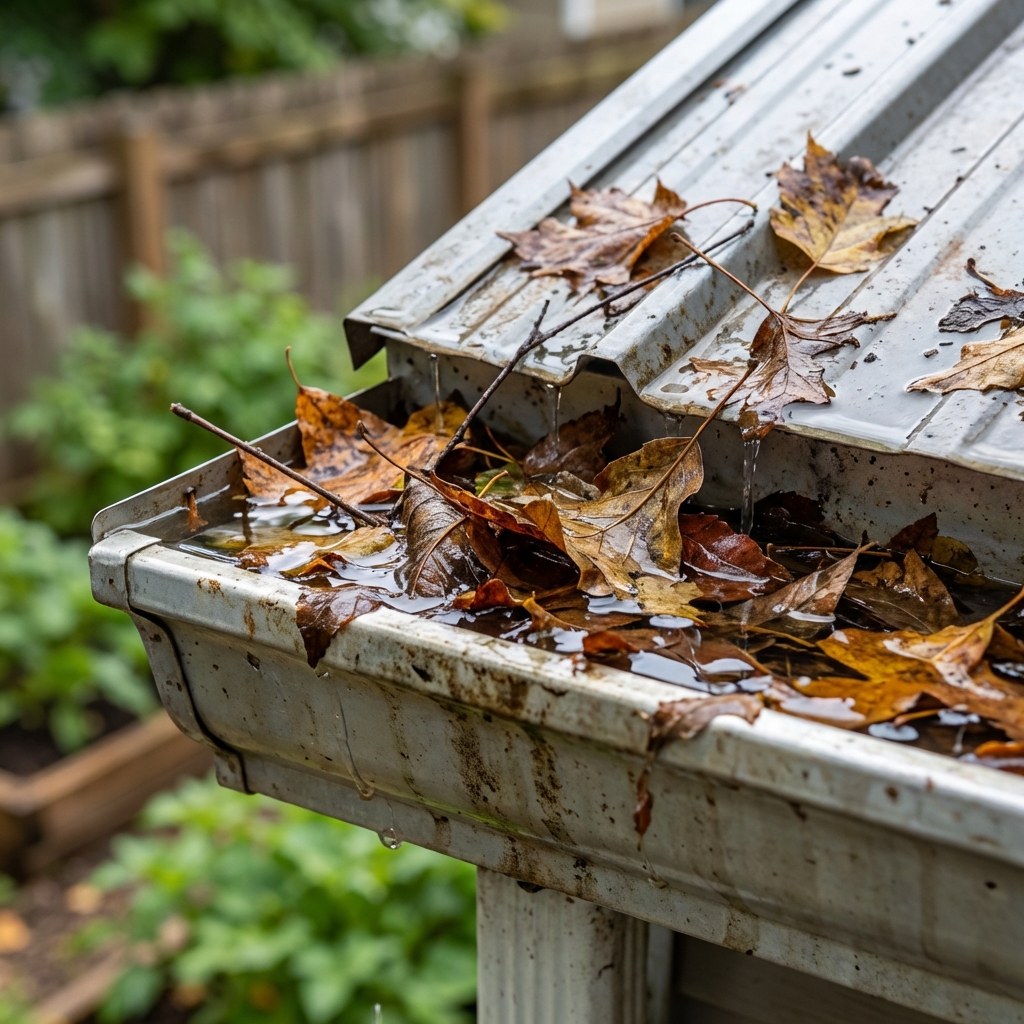
- Clogged gutters and downspouts
- Wheelbarrows, toys, buckets, tarps, and recycling bins
- Low spots in the lawn that stay soggy
- Old tires or anything that collects rainwater
- Rain barrels without a tight lid or intact screen
Fix soggy areas instead of treating them forever
If a part of the yard stays wet, mosquitoes will keep winning until drainage improves.
- Regrade small depressions with topsoil so water runs off instead of pooling.
- Improve soil structure with compost to help water infiltrate (clay soils especially).
- Use a French drain or dry creek bed for repeat flooding areas.
- For containers, drill extra drainage holes and elevate pots slightly so water does not sit underneath.
Step 2: Make your yard less inviting to adult mosquitoes
Adult mosquitoes prefer still air, shade, and humidity. You can tip the balance by opening up airflow and reducing dense resting cover near where you sit. While you are at it, aim for a yard that stays friendly to pollinators and other beneficial insects by avoiding broad-spectrum insecticides and focusing your changes where people gather.
Trim and space, do not scalp
- Prune dense shrubs so you can see some light through them. Focus on shrubs near patios, doors, and play areas.
- Mow grass regularly and edge along fences where weeds form a thick strip.
- Thin groundcovers that create damp mats, especially in deep shade.
Use airflow where you actually spend time
A simple box fan or outdoor-rated fan can be surprisingly effective. Mosquitoes are weak flyers, and moving air makes it harder for them to land and helps disperse the CO2 and body odors they use to find you.
- On a patio, aim a fan across seating at knee to waist height.
- For small decks, two smaller fans from opposite directions can reduce dead zones.

Step 3: Use mosquito-repelling plants the realistic way
Mosquito-repelling plants are helpful, but mostly when you place them close to people and interact with them. A lavender plant across the yard does not create an invisible force field. Think of these as support tools that add scent near seating, pathways, and doors.
Good choices for containers and borders
- Lemongrass (citronella grass): Strong scent, great in pots. Needs warmth and sun.
- Basil: Useful and fragrant, especially near patios and outdoor kitchens.
- Lavender: Best in full sun and well-drained soil. Great near walkways.
- Rosemary: Tough, fragrant, and drought tolerant once established.
- Mint: Effective scent but spreads aggressively. Keep it in containers.
- Catnip: Can be very attractive to cats and spreads. Plant thoughtfully.
- Marigolds: Helpful as part of a mixed planting, easy for beginners.
Placement that actually helps
- Cluster pots near chairs, grills, and doors.
- Plant herbs along the edge of a patio where brushing against them releases aroma.
- Use containers so you can move plants to where you sit that week.

Step 4: Choose safer sprays and barriers
If mosquitoes are intense in your area, you may need a repellent layer on skin or clothing, plus a few targeted yard tools. The goal is to avoid blanket yard spraying and instead focus on what directly reduces bites.
For skin: plant-based repellents
Look for EPA-registered repellents when possible, even if they are plant-based. They have data behind them. Common botanicals include oil of lemon eucalyptus (OLE), PMD (the refined version used in many products), citronella, and geraniol. Reapplication is usually needed more often than with conventional repellents, and OLE or PMD generally lasts longer than many other botanical options.
- Patch test first, especially on kids or sensitive skin.
- Avoid eyes and hands for young children.
- Reapply after sweating or watering the garden.
For clothing: physical barriers
- Wear long sleeves and pants at dusk, and anytime mosquitoes are active in your area. Some species bite during the day, too.
- Choose light colors (they may attract fewer mosquitoes than dark colors).
- Use fine mesh screens for porches and check for gaps around doors.
A note on permethrin-treated clothing
You may hear about permethrin-treated clothing for mosquitoes. It can be very effective on clothing when used as directed, but it is not plant-based and it needs careful label-following. Keep it away from cats during application and while items are drying, since permethrin can be dangerous to cats in wet form. If you go this route, use a factory-treated option or follow the product instructions closely.
For small areas: coils, diffusers, and candles
Citronella candles help a little in still conditions, but they are not a full solution. If you use them, treat them like one ingredient in a bigger plan.
- Use multiple candles around the perimeter of the seating area rather than one in the center.
- Always place on stable, non-flammable surfaces and supervise.
Step 5: Treat standing water you cannot dump (the right way)
Sometimes you cannot remove water, like a rain barrel, pond edge, or a low spot that stays wet. In those cases, targeted larval control is the most efficient natural-style approach because it stops mosquitoes before they fly.
Use mosquito dunks or bits (Bti)
Products containing Bacillus thuringiensis israelensis (Bti) are widely used and target mosquito larvae specifically when used as directed. They are not a general poison cloud and they do not treat adult mosquitoes. They treat the water where larvae are developing.
- Use in birdbaths, rain barrels, and other water you cannot regularly refresh.
- Follow the label for dosage and reapplication timing.
- Do not toss into moving water where it will wash away quickly.
For ponds: keep water moving and stocked wisely
- Add a small fountain or aerator to reduce still zones.
- Maintain a healthy aquatic habitat that supports mosquito predators (results vary, but it can help most in and around water).
- If you keep fish, choose species appropriate for your area and local rules.

Step 6: Encourage natural predators (without relying on myths)
Predators help most when your yard supports them consistently. They will not erase mosquitoes overnight, but they do contribute to long-term balance, especially near aquatic habitat.
Predators that truly help
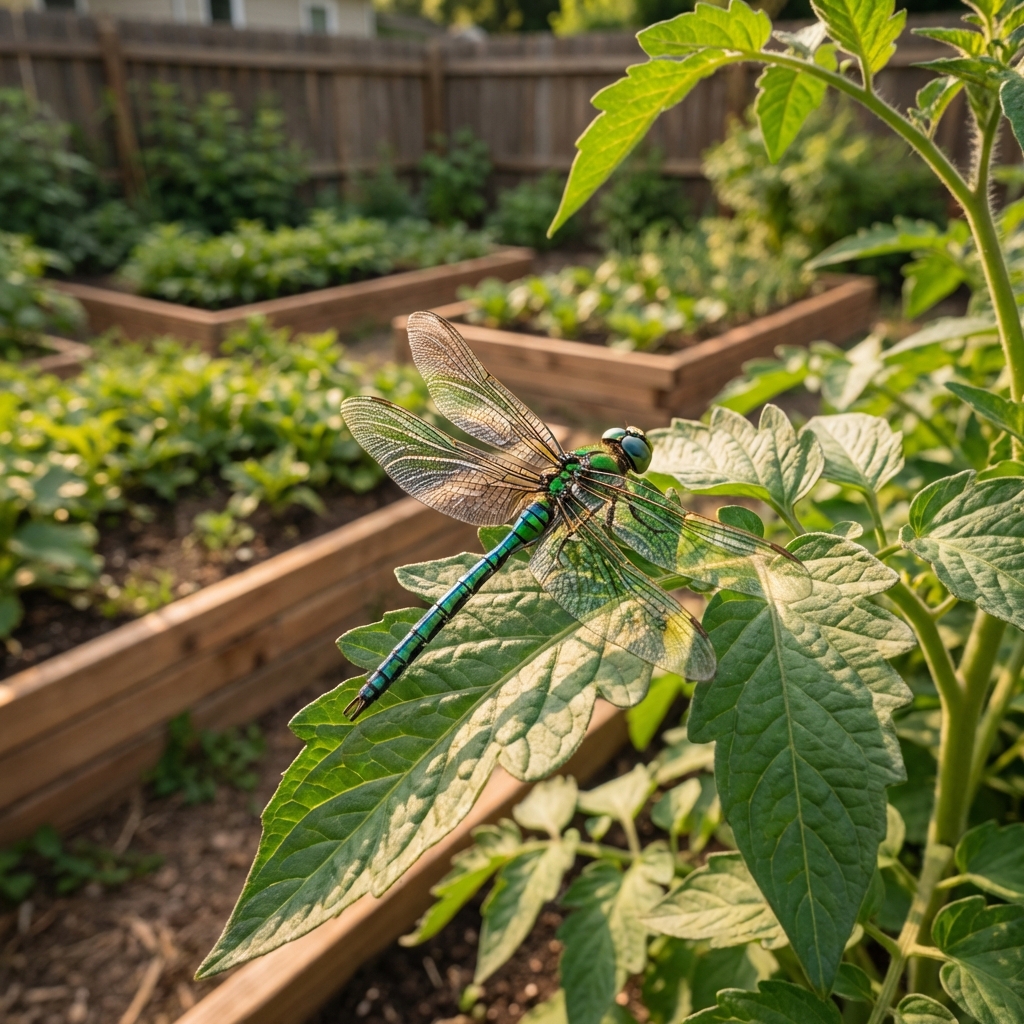
- Dragonflies and damselflies: Their larvae eat mosquito larvae, and adults hunt flying insects.
- Birds: Many eat mosquitoes, though they also eat plenty of other insects.
- Bats: They eat insects, but do not expect them to solve a mosquito problem alone.
How to support them
- Grow a mix of native flowering plants to support beneficial insect life.
- Avoid broad-spectrum insecticides that wipe out helpful insects and pollinators.
- Keep a small clean water source you refresh often, like a birdbath, rather than leaving stagnant water.
DIY options: what works and what to skip
Worth trying
- Fan on the patio: Cheap, immediate, and reliable.
- Weekly water dump routine: The most effective do-it-yourself habit.
- Herb pots near seating: Especially basil, rosemary, and lemongrass.
Be cautious with DIY traps
Some homemade bottle traps can catch a few mosquitoes, but they can also attract more to the area if placed near where you sit. If you experiment, place traps away from patios and doorways and monitor results.
Skip these common time-wasters
- Ultrasonic repellents: There is no solid evidence they reduce mosquito bites outdoors.
- Vitamin B claims: Not a reliable mosquito solution.
- One citronella plant in the corner: Not enough on its own.
A simple weekly mosquito routine (10 minutes)
If you want something you can actually stick to, do this once a week during warm months. In peak mosquito season, add a quick 1 to 3 day refresh for small water sources like birdbaths.
- Dump and refill birdbaths and pet bowls kept outdoors.
- Empty saucers, buckets, toys, and tarps that collected water.
- Check gutters and the bases of downspouts.
- Trim back any dense shrub growth near seating areas.
- Set a fan outside before dusk, and anytime mosquitoes are active in your area if you plan to be out there.
When natural methods are not enough
If you have aggressive mosquito pressure from nearby wetlands, neglected neighboring yards, or heavy rainfall patterns, you may still get bites even with good habits. At that point, your best move is to stay focused:
- Double down on larval control (remove water and treat what you cannot remove).
- Use physical barriers like screens and fans in the areas you use most.
- Consider a local professional who focuses on source reduction and low-tox options, not routine blanket fogging.
The good news is you do not need perfection. Knock out breeding sites, keep air moving where you relax, and use plants and repellents as supporting players. That combination is what makes a backyard feel livable again.

Jose Brito
I’m Jose Britto, the writer behind The Country Store Farm Website. I share practical, down-to-earth gardening advice for home growers—whether you’re starting your first raised bed, troubleshooting pests, improving soil, or figuring out what to plant next. My focus is simple: clear tips you can actually use, realistic expectations, and methods that work in real backyards (not just in perfect conditions). If you like straightforward guidance and learning as you go, you’re in the right place.