Ladybugs are great in the garden when they are hunting aphids. But when they start piling up on sunny windows, clustering in corners, or pouring into the house by the dozens, they stop feeling “helpful” real fast. The good news is you can get rid of them quickly without reaching for harsh sprays.
Most indoor “ladybug infestations” are often Asian lady beetles (they look similar, but are more likely to bite and stink when disturbed). Depending on where you live, native ladybugs can wander in too. Either way, the same low-tox tactics work: remove them, clean up any lingering odor, and seal the entry points.
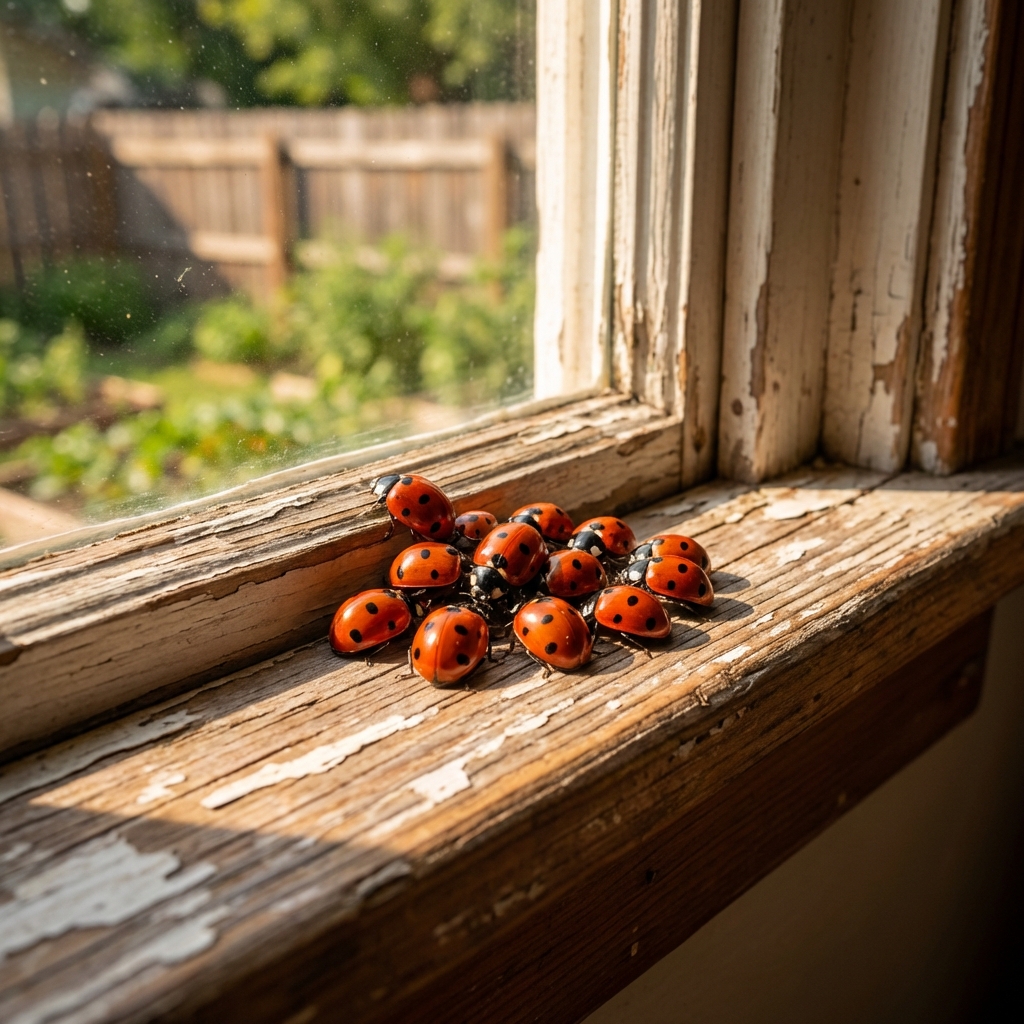
First, figure out what is really going on
Ladybugs in your garden
If you are seeing a few ladybugs outside on plants, leave them alone. They are one of the best organic pest control helpers you can have. If you have lots of them on one plant, it often means there is an aphid problem nearby.
Ladybugs inside your home
When you see clusters indoors, it is usually a seasonal “overwintering” behavior. They look for warm, protected spaces in fall and winter, especially on the sunny side of the house. When stressed, they can release a strong-smelling fluid that can stain. That odor may encourage more beetles to gather in the same area.
Quick ID: Asian lady beetle vs. ladybug
- Color: Asian lady beetles are often more orange, but can vary a lot.
- Marking behind the head: Many have a pale “M” or “W” shape on the pronotum (the plate right behind the head).
- Behavior: Asian lady beetles are more likely to show up in large indoor groups to overwinter.
- When bothered: More likely to bite and to leave a yellowish, smelly stain.
Quick ways to get rid of ladybugs indoors
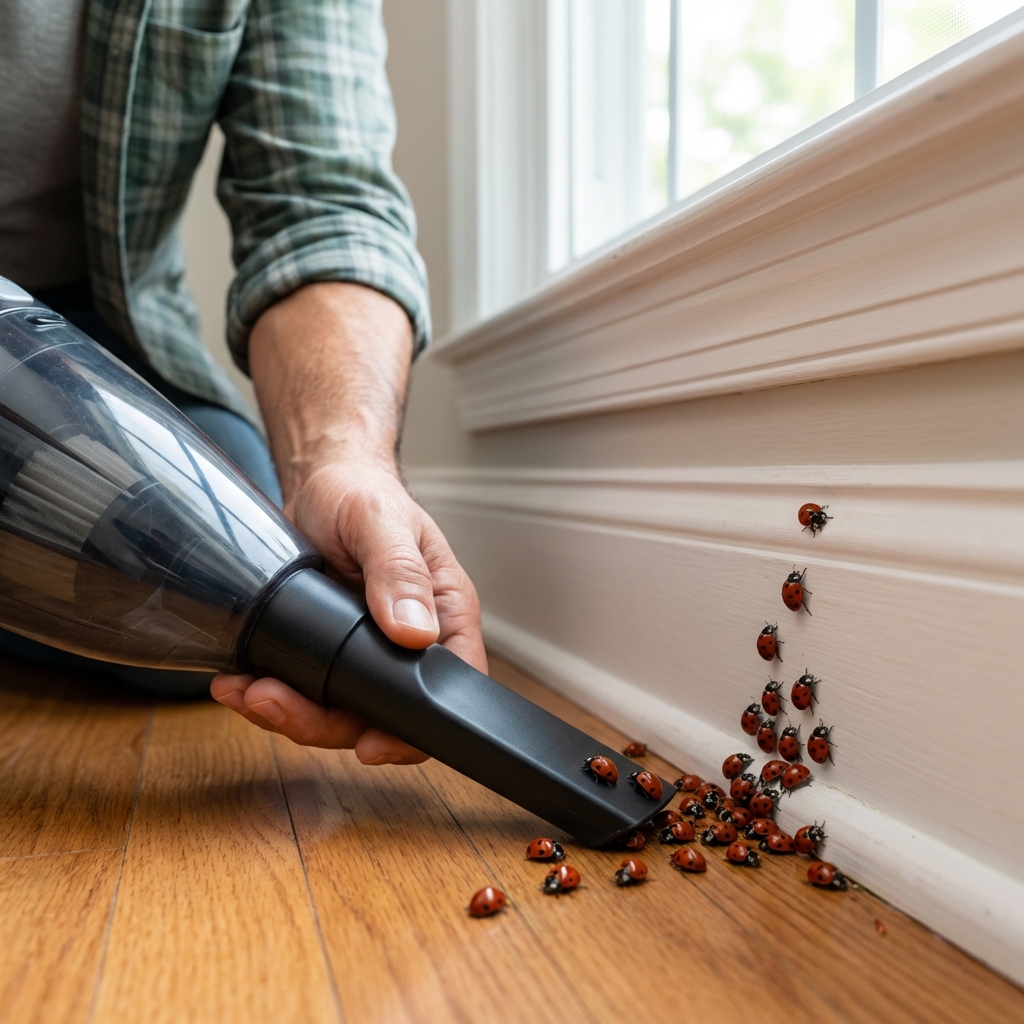
1) Vacuum them up the right way
This is the fastest method for large numbers. Use a hose attachment and go slow so you do not crush them and create more smell.
- Best option: a shop vac or a vacuum with a bag. Remove the bag, seal it inside a trash bag, and take it outdoors right away.
- If you want to release them: put a knee-high nylon stocking inside the hose end and secure it with a rubber band. The ladybugs collect in the stocking for easy release outside.
Tip: Empty the canister outside immediately. Then wipe out the canister and rinse or wash the filter (if your model allows) to reduce lingering odor that can attract repeat visits.
2) Use a simple soapy water trap
For stragglers, a shallow dish of water with a few drops of gentle dish soap works surprisingly well. The soap breaks the water surface tension and they sink.
- Place the dish near windows, lamps, or areas where they cluster.
- Refresh daily until activity slows.
3) Spot-spray with mild soapy water
If you need quick knockdown on a window frame or wall corner, use a spray bottle with:
- 1 quart warm water
- 1 teaspoon mild dish soap
Lightly mist the cluster, then wipe up with a damp cloth. Avoid soaking painted drywall. Test a hidden spot first since soap can dull some finishes.
Safety note: Do not spray into outlets, around electronics, or near open flames. Mist the cloth first if you are close to switches or trim plates.
4) Sweep gently and discard outdoors
For small numbers, a soft broom into a dustpan works fine. Do it calmly. Crushing them makes the odor worse and can leave yellowish stains on paint or fabric.
5) Use light to gather night wanderers
If they keep showing up at night, turn off lights in the house and leave one lamp on near a window in a single room. Some may move toward that light, which can help you collect them in one place. Vacuum them up from there. This works best for the ones you can see, not for beetles tucked into wall voids.
Ways to get rid of ladybugs on siding, windows, and decks
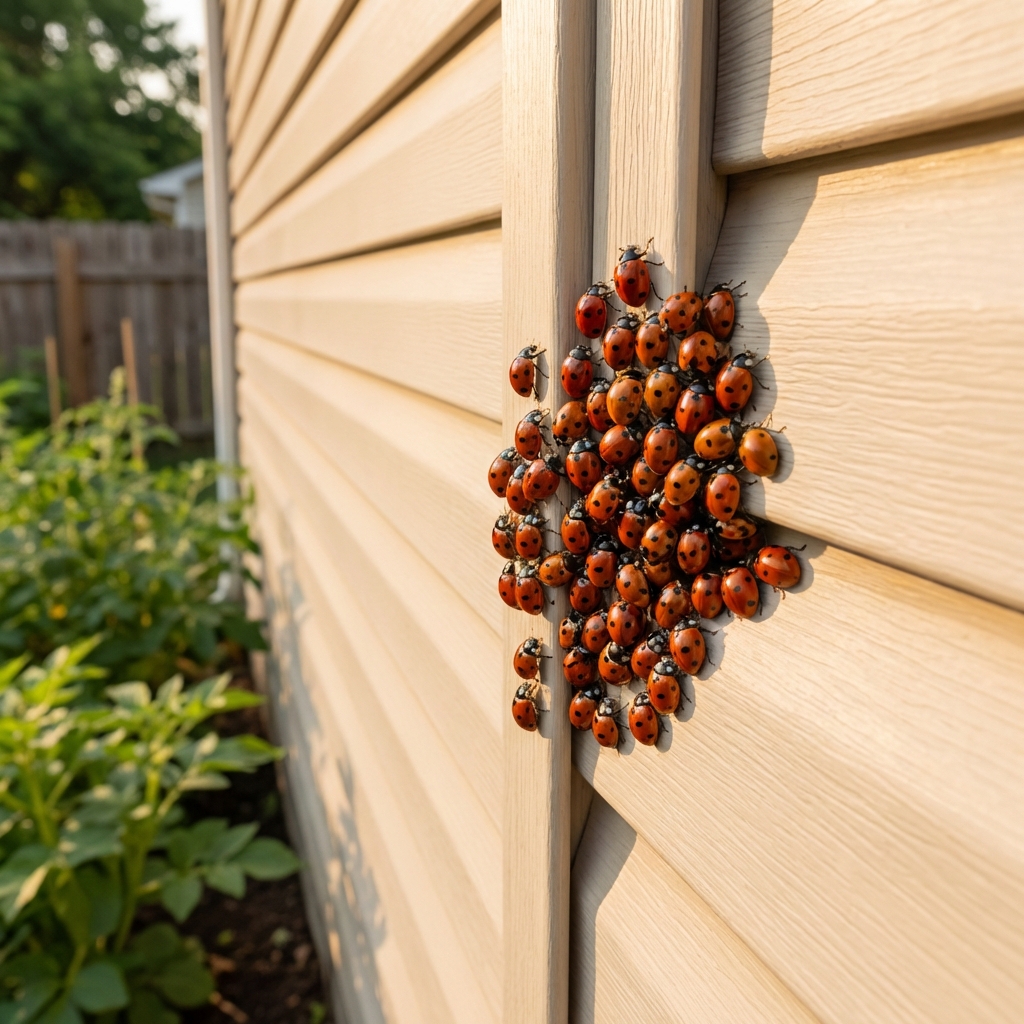
1) Spray them off with plain water
A strong hose spray is often enough. Aim from a distance and work top to bottom. This is best early in the day when they are less active.
2) Use a mild soap wash for heavy clusters
For big groups on sunny siding, mix the same mild soapy water as above and spray lightly, then rinse with the hose. Do not drench nearby garden beds.
3) Use vinegar only on hard surfaces, with care
White vinegar can help cut lingering odor on hard, non-porous areas like metal or vinyl trim. Test first because vinegar can dull certain finishes. Avoid using vinegar on natural stone (like marble or limestone) and be cautious around grout and some sealants.
What not to do
- Do not crush them on walls or curtains. It increases odor and staining.
- Skip bug bombs and harsh indoor sprays. They are overkill, and ladybugs are not breeding inside like roaches.
- Avoid essential oil “fogging.” Concentrated oils can irritate people and pets and may stain surfaces. If you use oils at all, keep it minimal and localized.
Stop ladybugs from coming back
Removal is the quick part. Prevention is what keeps you from doing this again next week.
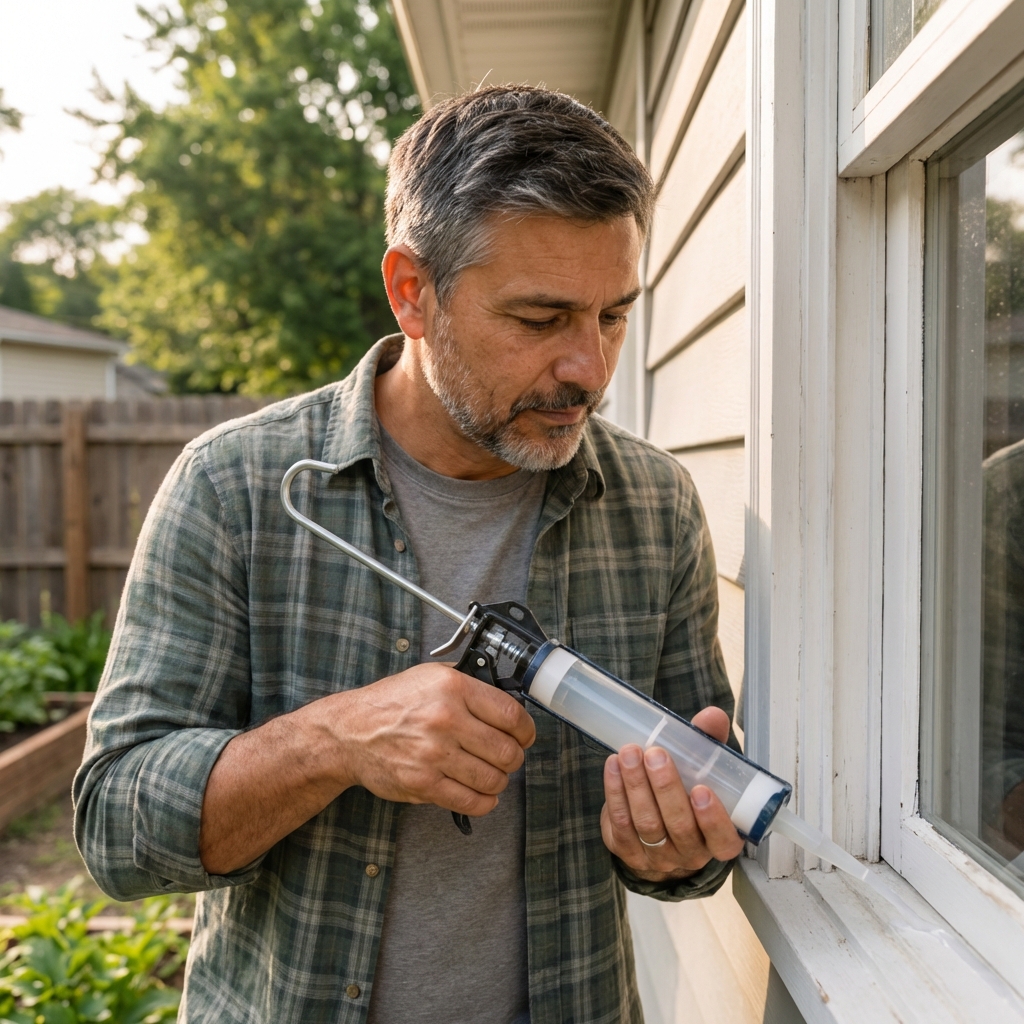
1) Seal entry points
- Replace cracked weatherstripping around doors.
- Add or repair door sweeps.
- Caulk gaps around window frames, siding joints, and soffits.
- Screen attic vents and any openings where utility lines enter.
2) Repair window screens
One small tear is enough for dozens to get in. Patch or replace damaged screens, especially on the sunny side of the house.
3) Reduce “welcome signals”
- At night during peak season, limit bright exterior lights near doors and windows.
- Close blinds on sunny windows where they cluster.
4) Clean up odor cues
After you vacuum or sweep, wipe the area with warm soapy water. That helps remove the odor cues that can bring them back to the same spot.
5) If they seem to be coming from walls or the attic
Asian lady beetles commonly overwinter in wall cavities and attic spaces. You may see them “wake up” and wander out on warm winter days. Sealing gaps is most effective in late summer to early fall, before they settle in. If you have a recurring problem, focus on the sunny side of the house and the top floors first, since that is where they often enter.
Are ladybugs harmful to people, pets, or plants?
Inside the house
They are mostly a nuisance, but Asian lady beetles can bite and can trigger allergies in some people. Pets may mouth them and then drool because they taste bad. If you have kids or pets, vacuuming and sealing gaps is your safest one-two punch.
In the garden
Ladybugs are beneficial predators. If you have them on plants, the best “organic control” is usually to do nothing and let them work. If you are seeing plant damage, it is almost always caused by the pests the ladybugs are hunting, not the ladybugs themselves.
When to call a pro
- You are getting heavy invasions year after year even after sealing obvious gaps.
- The likely entry points are high up (soffits, upper siding) and you would need a ladder you are not comfortable using.
- You suspect large numbers are overwintering in an inaccessible wall or attic void.
Fast checklist
- Right now: Vacuum clusters, then wipe the area with warm soapy water.
- Tonight: Set a shallow soapy water trap near problem windows.
- This week: Seal gaps, replace weatherstripping, and fix screens.
- Next season: Watch sunny exterior walls in early fall and hose off clusters before they find a way inside.
Do those four things and you usually go from “dozens on the windows” to “rare stragglers” pretty quickly.

Jose Brito
I’m Jose Britto, the writer behind The Country Store Farm Website. I share practical, down-to-earth gardening advice for home growers—whether you’re starting your first raised bed, troubleshooting pests, improving soil, or figuring out what to plant next. My focus is simple: clear tips you can actually use, realistic expectations, and methods that work in real backyards (not just in perfect conditions). If you like straightforward guidance and learning as you go, you’re in the right place.