Yellow leaves are one of those plant problems that feels obvious but can come from a dozen different causes. The trick is to stop treating the color and start diagnosing the pattern. Which leaves are yellowing first? Is the soil staying wet? Did anything change recently?
This guide walks you through quick checks that work for both houseplants and outdoor garden plants. You will know what to do today and how to prevent the problem from coming back.
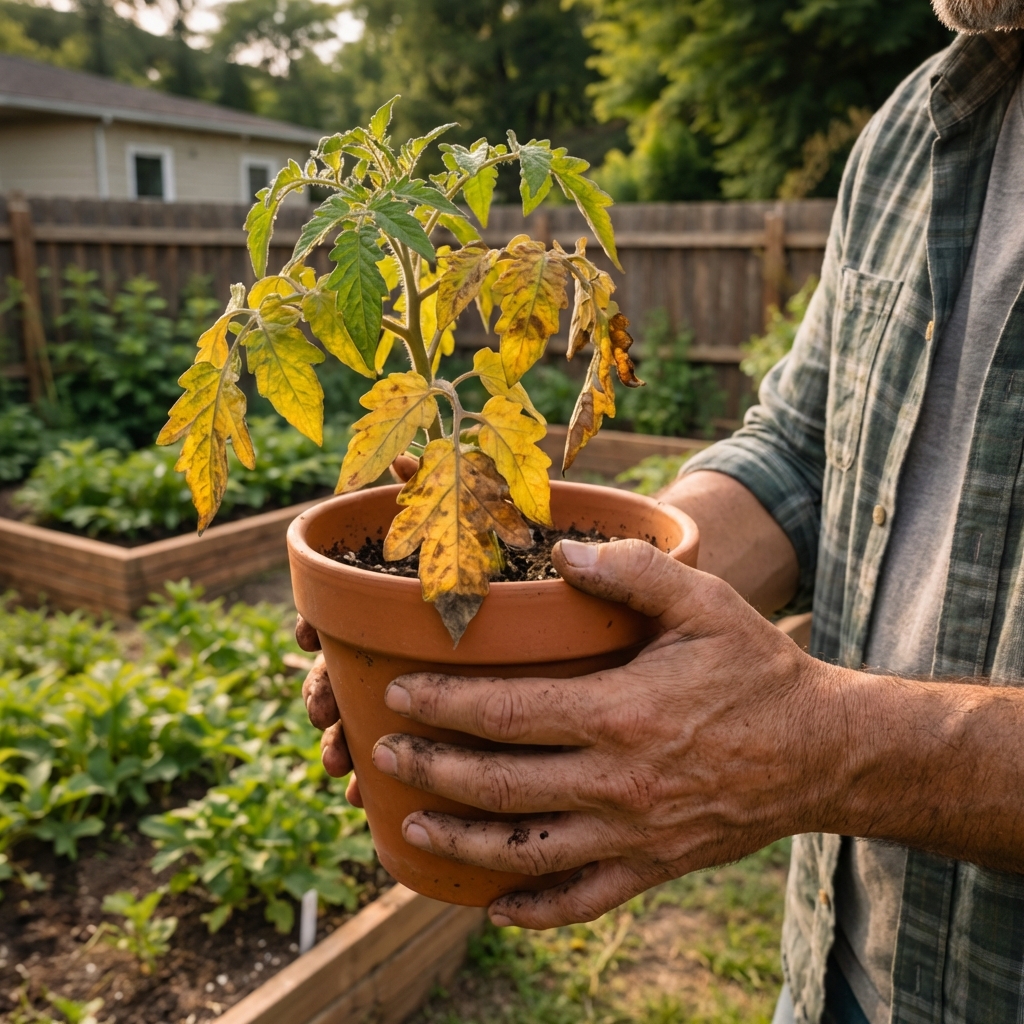
Fast diagnosis: start with these 5 questions
Before you fertilize or spray anything, answer these. They will narrow the cause quickly.
- Which leaves are yellow? Old lower leaves, new growth, or random spots?
- How wet is the soil really? Not the surface. Check about 1 to 2 inches down for small pots, and 2 to 3 inches for larger containers or in-ground plants.
- Any recent changes? Repotting, moving locations, heat wave, cold night, new fertilizer, new pot, new mulch, herbicide use nearby, or chemical drift from a neighbor.
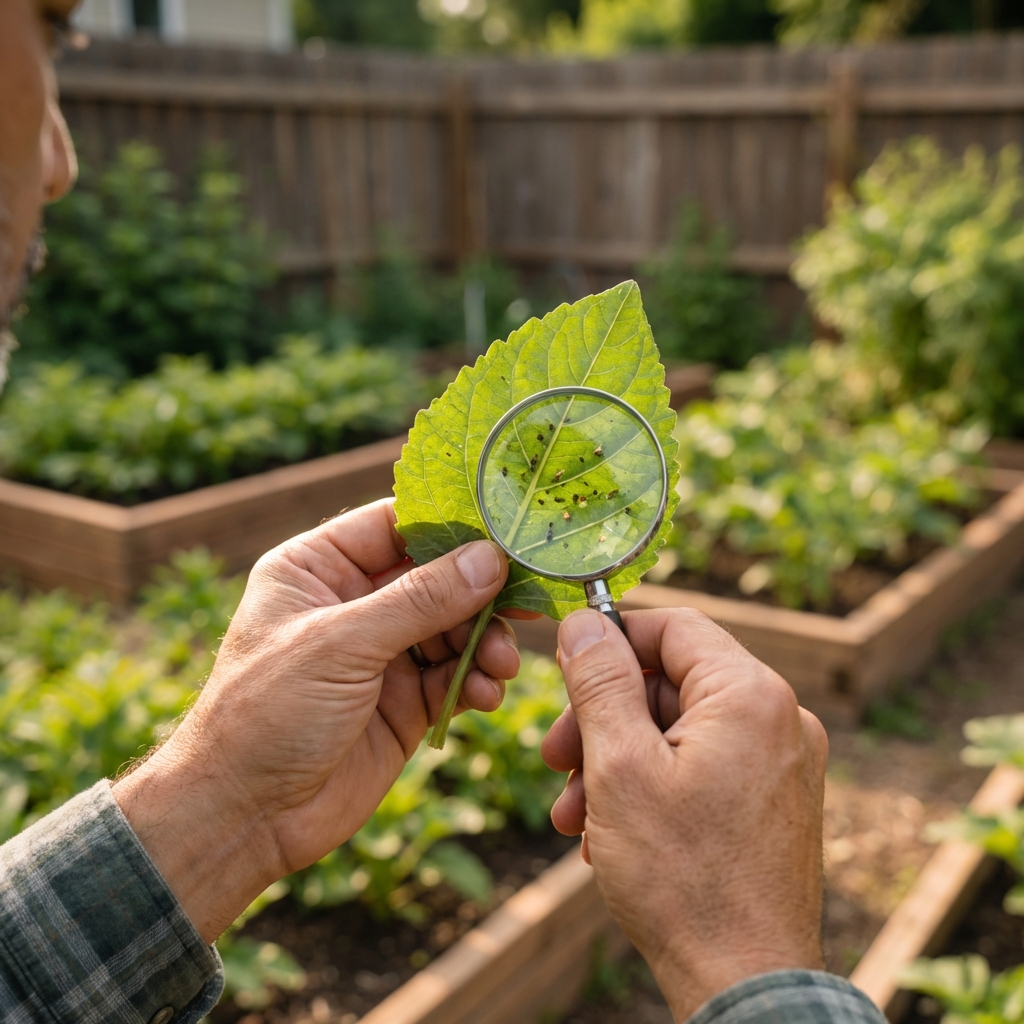
- Are there pests? Look under leaves and along stems for tiny dots, webbing, sticky residue, or clusters.
- Is it spreading fast? Fast yellowing can point to watering stress, root issues, or disease.
What yellow leaves are telling you (common causes)
1) Overwatering and poor drainage
This is one of the most common causes I see in real backyards and on windowsills. Roots need air. When soil stays soggy, roots struggle, then leaves turn pale yellow and may drop.
- Typical pattern: Older leaves yellow first. Soil feels wet for days. Plant looks droopy even though the pot is wet.
- Fast check: Push a finger or wooden skewer into the soil (1 to 2 inches for small pots, deeper for larger ones). If it comes out damp and cool several days after watering, it is staying too wet.
Quick fixes:
- Let the soil dry to the appropriate depth before watering again (often the top 1 to 2 inches for many houseplants, but plant type matters).
- Make sure pots have drainage holes. Decorative cachepots should not trap water.
- For garden beds, loosen crusted soil and add compost to improve structure. If water pools, consider raised beds or planting on a slight mound.
2) Underwatering and inconsistent watering
Dry stress can also cause yellowing, especially if a plant swings between bone-dry and soaking wet.
- Typical pattern: Leaves yellow with crispy edges or browning tips. Soil pulls away from the pot edge. Wilting improves after watering.
- Quick fixes: Water deeply until excess drains out (containers) or until the root zone is soaked (in-ground). Then water again only when the soil dries to the right level.
- Tip: For pots that repel water, bottom-water for 20 to 30 minutes, then drain well.
3) Not enough light (or too much hot sun)
Light problems often show up as slow yellowing and weak growth. Indoors, low light is common. Outdoors, sudden full sun can bleach leaves.
- Low light pattern: Overall pale color, stretched stems, smaller leaves, slow growth.
- Too much sun pattern: Yellowing with scorched, papery patches, especially on the sun-facing side.
Quick fixes:
- Move houseplants closer to a bright window or add a grow light (even 8 to 12 inches above can help depending on strength).
- Harden off plants gradually when moving outdoors.
- Use shade cloth or afternoon shade for sun-sensitive plants during heat waves.
4) Nutrient issues (especially nitrogen, iron, and magnesium)
Yellow can mean the plant is short on nutrients, but the pattern matters. Fertilizing without a clue can make things worse, especially if roots are stressed.
- Nitrogen deficiency: Older leaves yellow first, overall plant looks light green. Common in fast-growing veggies.
- Iron deficiency (chlorosis): New leaves turn yellow but veins stay green. Often tied to high pH or waterlogged roots. Some plants (like citrus, gardenias, and blueberries) are especially prone when soil pH is not in their preferred range.
- Magnesium deficiency: Older leaves show yellowing between veins, sometimes with green veins remaining.
Quick fixes:
- If the plant is actively growing and watering is on track, feed lightly with a balanced fertilizer.
- For iron chlorosis, correct drainage first, then consider a chelated iron product and check soil pH (many plants struggle to take up iron in alkaline soil).
- For magnesium, Epsom salt can help in some cases, but do not treat blindly. Excess magnesium can interfere with calcium and potassium uptake, so confirm the pattern first.
5) Temperature swings and transplant shock
Cold nights, hot afternoons, or a recent repot can trigger yellow leaves even when everything else is fine.
- Typical pattern: A few leaves yellow after a change, then the plant stabilizes.
- Quick fixes: Keep conditions steady, avoid heavy fertilizing right after repotting, and water carefully until roots reestablish.
6) Rootbound plants (pot-bound)
When roots fill the pot, water and nutrients can stop behaving normally. Some plants dry out too fast. Others stay wet in odd pockets because the mix is mostly roots.
- Typical pattern: Yellowing plus frequent wilting, very fast dry-down, stunted growth, or water running straight through.
- Fast check: Slide the plant out of the pot. If roots are circling tightly or forming a dense mat at the bottom, it is likely rootbound.
- Quick fixes: Repot one size up with fresh mix, loosen circling roots gently, and water in thoroughly.
7) Pests that cause yellowing
Some pests feed by sucking sap, which can show up as stippling, dull yellowing, and leaf drop.
- Spider mites: Fine webbing, tiny speckling, leaves look dusty.
- Aphids: Clusters on new growth, sticky honeydew.
- Whiteflies: Tiny white insects that flutter when disturbed.
- Thrips: Silvery streaks, distorted new growth.
Quick fixes:
- Rinse the plant thoroughly, especially leaf undersides.
- Use insecticidal soap or horticultural oil, following label directions. Repeat every 5 to 7 days for 2 to 4 applications (or as directed) to catch new hatchlings. Apply in the cool part of the day and avoid hot sun to reduce leaf burn risk.
- Isolate houseplants while treating to prevent spread.
8) Disease and root problems
Yellow leaves can be an early sign of root rot, bacterial issues, or fungal leaf diseases. Usually there are other clues like spots, wilting, or mushy stems.
- Root rot clues: Sour smell, black or mushy roots, persistent wet soil, sudden decline.
- Leaf spot clues: Yellow halos around brown or black spots, spots that expand over time.
Quick fixes:
- Remove badly affected leaves.
- Improve airflow and avoid wetting foliage late in the day.
- For containers with suspected root rot, unpot and inspect roots. Trim mushy roots, repot in fresh mix, and adjust watering.
Quick action plan (do this in order)
If you want the fastest path without overthinking it, follow this checklist.
- Check soil moisture at root level. Adjust watering first. Many “deficiencies” are really uptake problems from soggy or bone-dry soil.
- Check drainage. Pots need holes. Outdoors, the goal is “not waterlogged.” Standing water that hangs around (especially past 24 hours) is a red flag and worth fixing.
- Check if it is rootbound. If the plant dries out unusually fast, stalls, or water runs straight through, slide it out and look for circling roots.
- Inspect for pests. Look under leaves with a flashlight.
- Confirm light. Make sure the plant is matched to the location. Sudden light changes cause stress.
- Only then consider feeding. If growth is active and conditions are stable, a light balanced feed can help.
What about removing yellow leaves? If a leaf is fully yellow, it will not turn green again. You can remove it to tidy the plant and reduce disease pressure. If it is only slightly yellow, fix the cause first. Mild chlorosis from nutrient issues can sometimes improve, but do not expect a perfect turnaround.
Houseplants vs outdoor plants: key differences
Houseplants
- Overwatering is a top culprit, especially in winter when growth slows.
- Low light is common, even near windows in shorter months.
- Salt buildup from fertilizer or hard water can yellow leaf tips and edges. If you see a white crust on the soil or pot, or recurring tip burn, leach the pot thoroughly (water until it runs freely out the bottom for a minute or two), then let it drain. Do this periodically as needed rather than on a strict schedule.
Garden plants
- Nitrogen deficiency shows up often in heavy-feeding veggies like corn, squash, and leafy greens.
- Cold soil in spring can cause temporary yellowing because roots cannot take up nutrients well yet.
- Soil pH matters more over time. Some plants cannot access iron in alkaline soil, and acid-lovers are more likely to show chlorosis if pH drifts up.
Yellow leaf patterns and what they usually mean
- Lower leaves yellow first: overwatering, underwatering, nitrogen deficiency, natural aging.
- New leaves yellow with green veins: iron deficiency, high pH, waterlogged roots.
- Yellow with brown crispy edges: underwatering, salt buildup or hard water, heat stress, wind burn.
- Yellow patches with spots: leaf spot disease, sunscald, pest damage.
- Random yellowing after moving or repotting: stress, temperature swings, transplant shock.
Patterns are not perfect, but they keep you from throwing three different treatments at one problem.
Prevention that actually works
- Water on a schedule you earn, not a schedule you set. Check soil first, then water.
- Use the right potting mix. Many houseplants do better with extra aeration like perlite or bark mixed in.
- Feed lightly and regularly in the growing season. Big doses are more likely to burn or create imbalances.
- Watch the weather. Heat waves and cold snaps cause yellowing fast. Use shade cloth, mulch, or frost protection when needed.
- Scout weekly for pests. Catching mites or aphids early is the difference between a rinse and a full treatment plan.
When yellow leaves are normal
Not every yellow leaf is an emergency. A few common normal situations:
- Old leaves aging out: Lower leaves yellow and drop as the plant grows.
- Seasonal changes: Many plants slow down in fall and winter and may shed some leaves.
- After fruiting: Some vegetables redirect energy to fruit and older leaves decline sooner.
If the plant is putting out healthy new growth and yellowing is limited to a few older leaves, you are probably fine.
When to worry (and act fast)
Take quick action if you see any of the following:
- Yellowing spreads across the plant in days, not weeks.
- Stems are soft, blackened, or smell bad.
- Soil stays wet and the plant wilts anyway.
- Leaves have expanding dark spots or fuzzy growth.
- New growth is consistently yellow and distorted.
These are the cases where checking roots, improving drainage, and treating pests or disease promptly can save the plant.
FAQ
Can yellow leaves turn green again?
Often not, especially if a leaf is fully yellow. That said, mild chlorosis from a nutrient issue can sometimes improve after you correct the cause. Focus on getting new growth healthy.
Should I fertilize right away?
Not until you confirm watering, drainage, and light are reasonable. Fertilizing a plant with stressed roots can make yellowing worse.
Why are my plant’s new leaves yellow but the old ones look fine?
That often points to iron chlorosis, high pH, or root uptake problems. Check drainage and consider testing soil pH if it is happening repeatedly, especially with plants that prefer acidic soil.
How do I know if it is overwatering or underwatering if both cause yellow leaves?
Soil feel is your truth. Overwatered soil stays cool and damp and may smell sour. Underwatered soil is dry deeper down and may pull away from the pot.

Jose Brito
I’m Jose Britto, the writer behind The Country Store Farm Website. I share practical, down-to-earth gardening advice for home growers—whether you’re starting your first raised bed, troubleshooting pests, improving soil, or figuring out what to plant next. My focus is simple: clear tips you can actually use, realistic expectations, and methods that work in real backyards (not just in perfect conditions). If you like straightforward guidance and learning as you go, you’re in the right place.