Amaryllis is one of those plants that makes people think you need a greenhouse or a perfect patio setup. You do not. In the right conditions, you can plant amaryllis bulbs outdoors and get big, showy blooms with surprisingly little fuss.
The key is knowing what kind of “amaryllis” you have, when it is safe to plant, and what to do when winter shows up. This guide keeps it simple and gives you a plan that works in real yards and mixed weather.
First, a quick reality check: what gardeners call amaryllis
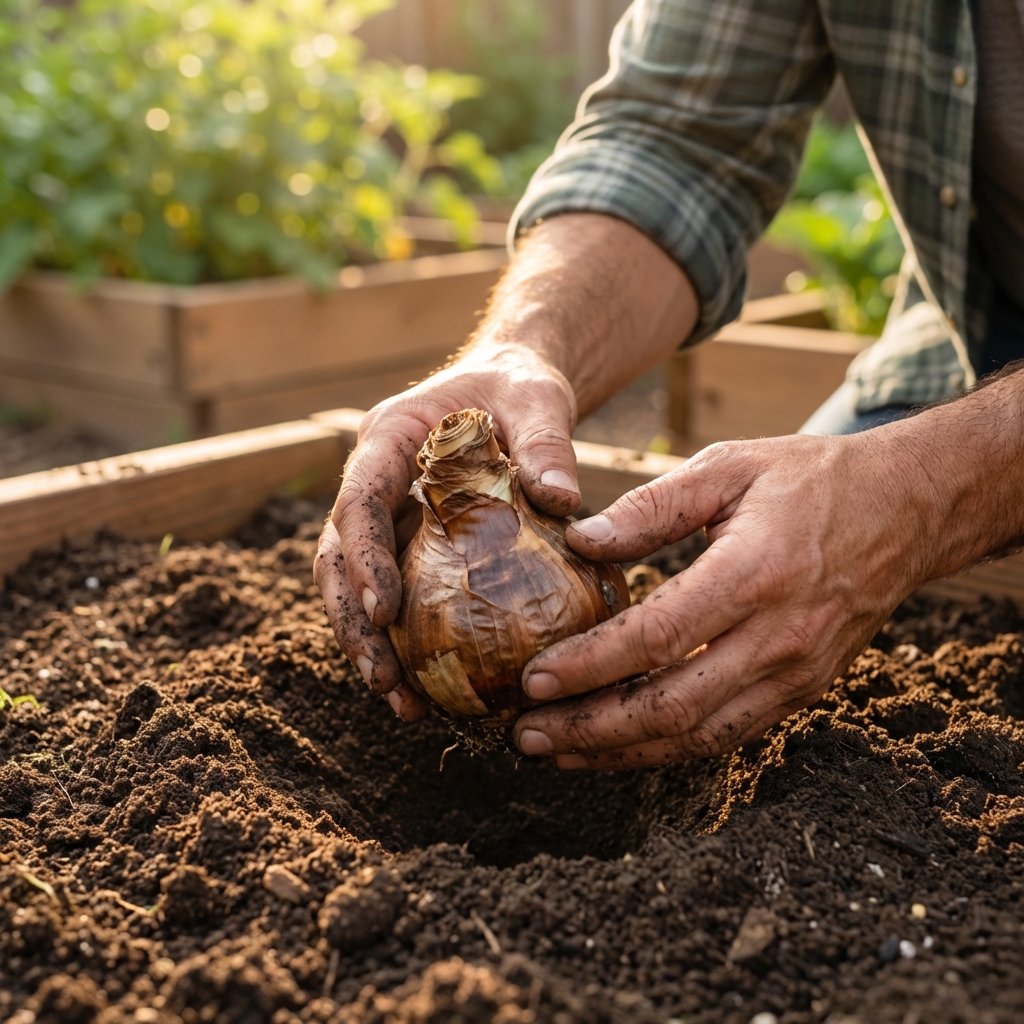
Most bulbs sold as “amaryllis” for indoor winter blooms are actually Hippeastrum. They can grow outdoors in warm areas and can be summered outside almost anywhere. True amaryllis (Amaryllis belladonna) is a different plant, usually grown outdoors in mild climates.
This DIY guide is aimed at the common store-bought Hippeastrum bulbs, since those are what most people have on hand after blooming indoors. From here on, when you see “amaryllis,” assume we mean Hippeastrum.
Can amaryllis grow outside where you live?
Here is the easiest way to decide what to do. Keep in mind hardiness varies by species, cultivar, and microclimate, so treat these as practical guidelines, not a guarantee.
- If you live in USDA zones 9 to 11: you can generally grow Hippeastrum outdoors year-round in the ground, especially in zones 9 to 10. In the warmest parts of 11, a bit of afternoon shade can help.
- If you live in zone 8: outdoor planting sometimes works with protection and a good site, but winter cold snaps can damage bulbs. Plan on protection or lifting bulbs.
- If you live in zones 7 and colder: treat amaryllis like a tender bulb. Plant it outside for the warm season, then lift it before hard freezes or keep it in a pot you can move.
If you are unsure of your zone, check a current USDA hardiness map and also pay attention to what your yard actually does. A warm wall, a protected courtyard, or a south-facing bed can behave like a slightly warmer microclimate.
Best time to plant amaryllis bulbs outdoors
Timing matters more than people think. Plant too early and cold, wet soil can rot the bulb.
- For in-ground planting: wait until night temperatures stay above 50°F and the danger of frost is past.
- For potted amaryllis moving outside: you can start hardening off once nights are reliably above 50°F.
If your bulb just finished blooming indoors, that is fine. Let the leaves keep growing. Those leaves recharge the bulb and fuel next season’s flowers.
Pick the right spot
Amaryllis does best outdoors when it gets warmth and light without sitting in soggy soil.
Sunlight
- Best: 6 or more hours of sun, especially morning sun.
- In very hot climates: light afternoon shade helps prevent leaf scorch.
Drainage (non-negotiable)
Bulbs hate “wet feet.” If your bed stays damp for days after rain, build up the planting area with extra soil or plant in a raised bed or large pot.
DIY soil prep that actually helps
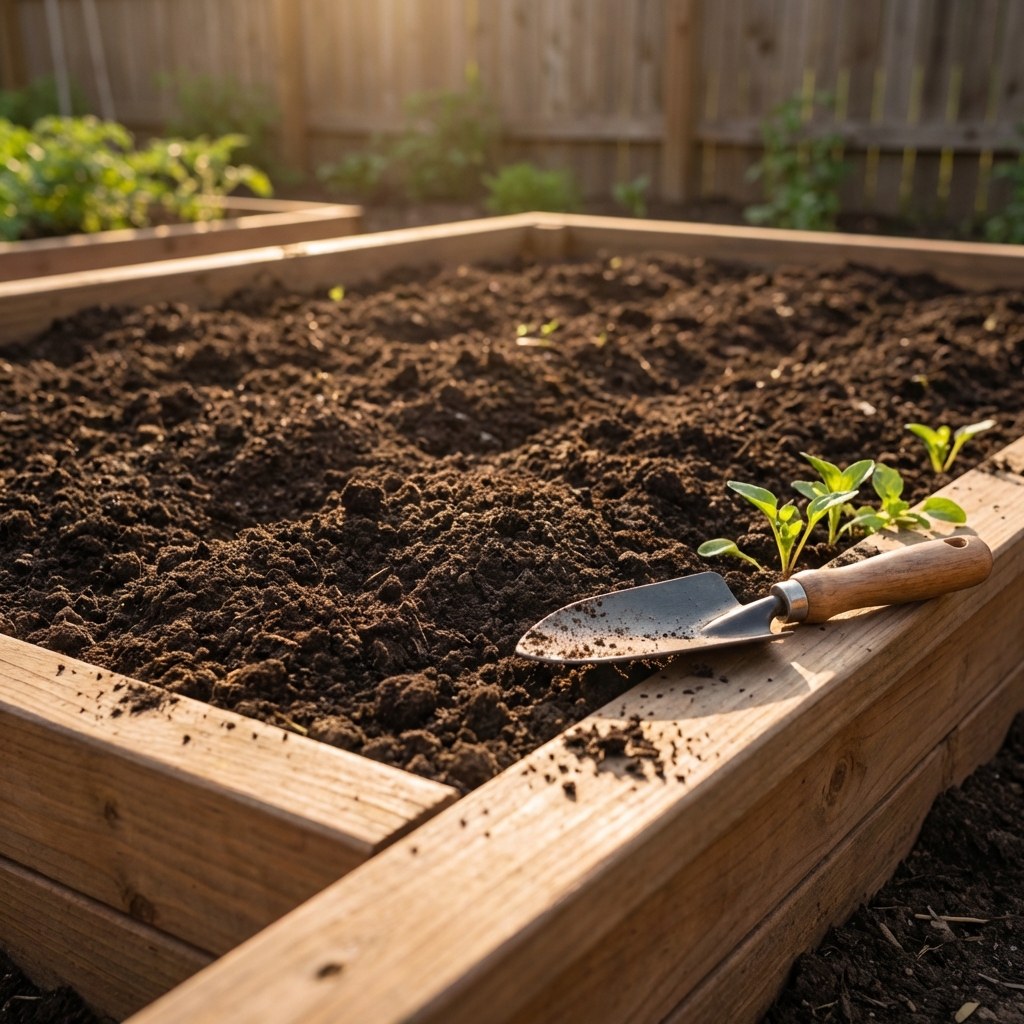
You do not need fancy amendments, but you do need soil that drains well and has some organic matter.
- Loosen the soil to about 10 to 12 inches deep.
- Mix in compost (a couple inches worked into the top layer is plenty).
- If your soil is heavy clay, add pine bark fines or coarse compost to improve structure. Avoid turning the bed into “mud plus sand,” which can set up like concrete if done wrong.
Aim for soil that crumbles in your hand instead of forming a sticky ball.
How to plant amaryllis bulbs outside (step-by-step)
This is the part most people overthink. Keep it simple.
- Inspect the bulb. Firm is good. If you see soft rot, trim away only the mushy, loose outer scales. Do not cut into firm tissue, and avoid nicking the basal plate (the flat bottom where roots form).
- Dig the hole. Make it wide enough that roots are not bent or crowded.
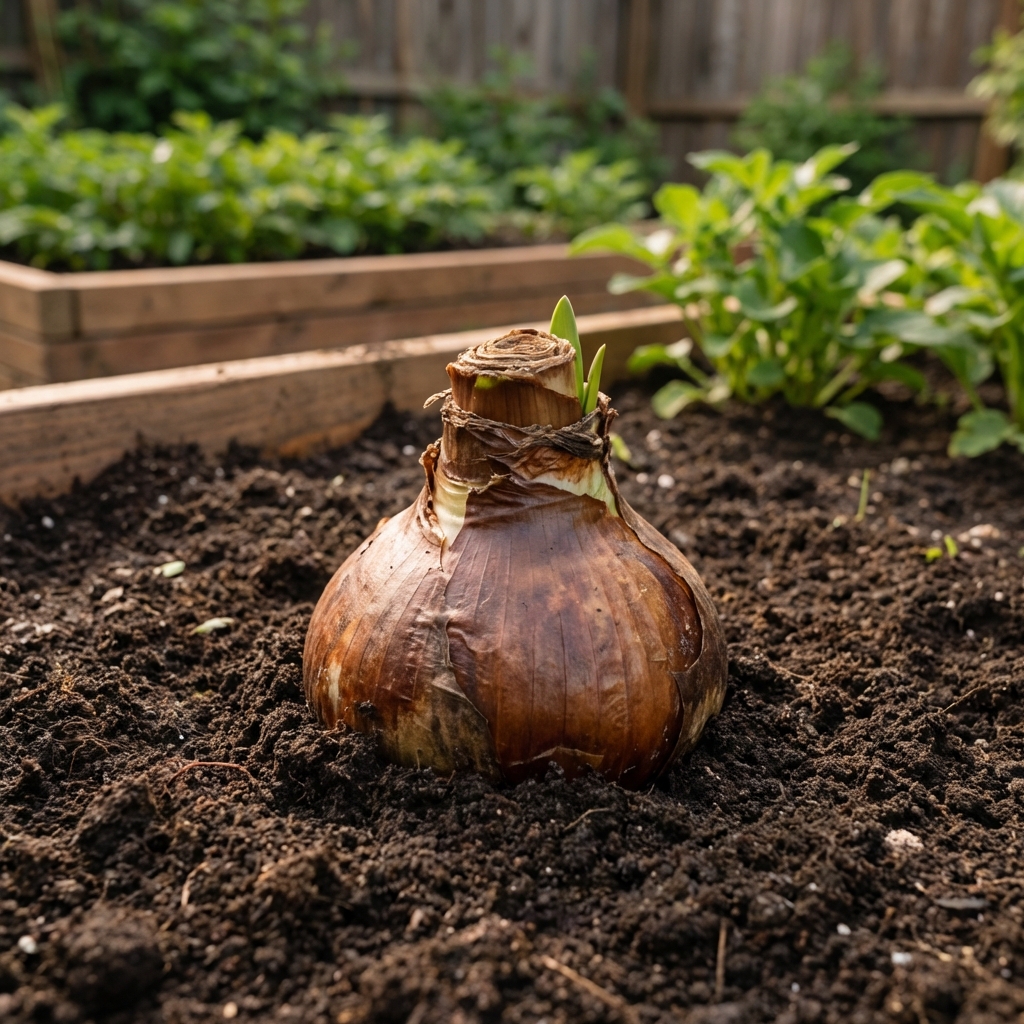
- Set planting depth. In beds, do not bury the bulb deeply. A solid rule is to keep the neck and top portion exposed. Many gardeners plant with the top third above the soil line to reduce rot risk. In very fast-draining sandy soil, you can set it a touch lower, but keep the neck at or slightly above grade.
- Backfill and firm lightly. You want contact with the soil, not packed hard.
- Water once to settle. Then let the top inch dry before watering again.
Spacing
- Space bulbs about 8 to 12 inches apart in beds.
- If you want a fuller look, you can plant a bit closer, but airflow helps prevent leaf issues.
Watering and feeding without babying the plant
Watering
- Right after planting: water thoroughly once.
- After that: water when the top 1 to 2 inches of soil are dry.
- During rainy stretches: do not add extra water. Rot happens fast in warm, wet soil.
Fertilizer
If you want reliable blooms, feeding matters, but it does not need to be complicated.
- Use a balanced fertilizer (something like 10-10-10 or a similar slow-release blend) during active growth.
- Feed lightly every 4 to 6 weeks in the growing season, or follow label rates for slow-release products.
- Stop feeding as the plant slows down in fall.
What to expect the first year
If your bulb bloomed indoors recently, it may focus on leaf growth outside. That is normal. Those leaves are charging the bulb like a battery.
Bloom timing outdoors varies. Some bulbs will throw a stalk in late spring or summer, especially if they had a good rest period. Others will take a full season of leaf growth and bloom the following year.
Strong outdoor light often helps bulbs build size and bloom better later. Think of the first outdoor season as an investment.
Outdoor care through the season
Staking
Outdoor wind and rain can topple tall flower stalks. If you get strong storms, stake the stalk early using a thin bamboo stake and soft ties.
Mulch
A light layer of mulch helps stabilize moisture and keeps weeds down, but keep mulch pulled back from the bulb neck to prevent rot.
Deadheading and leaves
- After blooms fade, cut the flower stalk back, but keep the leaves.
- Only remove leaves when they yellow and die back naturally.
Overwintering: the make-or-break step
This is where most outdoor amaryllis plans go wrong. Your approach depends on winter temperatures.
If you are in zones 9 to 11
- Leave bulbs in the ground.
- Reduce watering in cooler months if your area has a dry season or cooler, wetter weather.
- After foliage dies back, keep the bed on the dry side.
If you are in zone 8 (or you get surprise freezes)
- Mulch well before cold weather, and consider covering during freezes.
- If you routinely drop below freezing for extended periods, lifting bulbs is safer.
If you are in zones 7 and colder
You have two easy options:
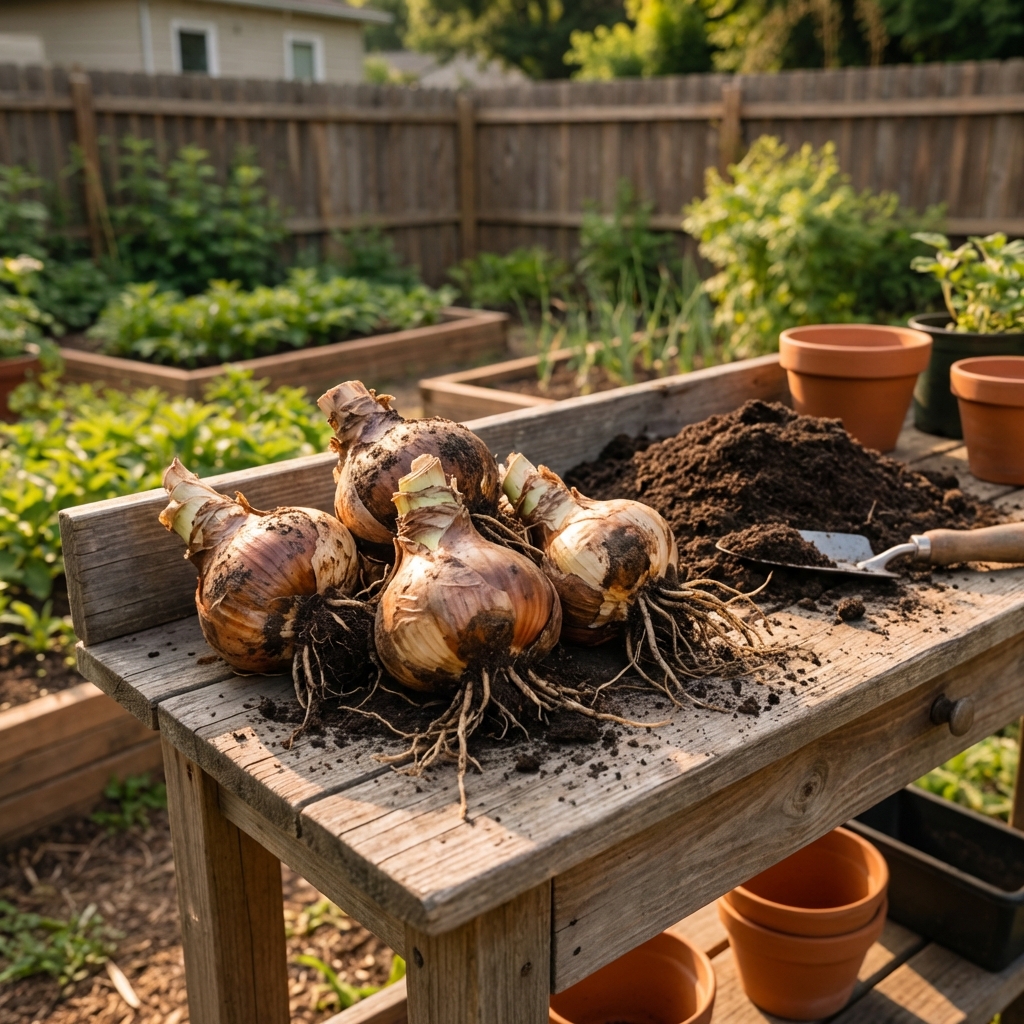
- Lift and store: before a hard freeze, dig bulbs, brush off soil, let them dry for a few days in a sheltered spot, then store cool, dry, and out of direct light (often around 50 to 60°F) for a rest period. A typical rest is 8 to 12 weeks. Keep them dry during storage.
- Grow in pots: keep amaryllis in a container outdoors for summer, then move it to a protected area indoors before frost. You can still give it a cooler, drier rest to improve bloom odds.
Common problems and quick fixes
No blooms
- Not enough light: move to a sunnier spot.
- Leaves cut too early: leave foliage until it naturally yellows.
- Too much nitrogen: ease up on high-nitrogen lawn fertilizers near the bed.
- No rest period (common in colder climates): bulbs often bloom better after a cooler, drier rest. In warm climates, some will rebloom without a strong dormancy, so do not force it if yours stays green and healthy year-round.
Bulb rot
- Cause: poor drainage or overwatering.
- Fix: replant higher, improve drainage, or switch to a raised bed or pot.
Pests and disease
Outdoors, watch for slugs and snails on tender growth and occasional aphids on flower stalks. A strong spray of water knocks aphids back. For slugs, hand-picking at dusk and reducing hiding spots helps a lot.
You may also see mealybugs tucked at the leaf bases (wipe with cotton swabs dipped in rubbing alcohol), and in humid, warm conditions, red blotch (red streaking on leaves or stalks). If you spot red blotch, remove badly affected growth, improve airflow, and avoid overhead watering.
Safety note
Amaryllis bulbs are toxic if eaten. Keep bulbs and any dug-up pieces away from pets and small children, and wear gloves if you have sensitive skin.
Simple outdoor planting checklist
- Plant after frost and when nights stay above 50°F
- Choose sun and fast-draining soil
- Keep the neck and top portion of the bulb exposed
- Water deeply once, then only when the top soil dries
- Feed lightly during active growth
- Plan overwintering based on your zone
Quick FAQs
Can I plant my indoor amaryllis straight into the ground?
Yes, once it is warm enough outside. If it has been indoors, give it a few days of partial shade first so the leaves do not scorch.
How deep should I plant an amaryllis bulb outdoors?
Do not bury it deeply. Keep the neck and top portion exposed. Many gardeners plant with the top third above the soil line to reduce rot risk, especially in heavier soils.
Will it come back every year?
In warm climates, often yes. In colder climates, it can come back if you lift and store it or protect it from freezing temperatures.

Jose Brito
I’m Jose Britto, the writer behind The Country Store Farm Website. I share practical, down-to-earth gardening advice for home growers—whether you’re starting your first raised bed, troubleshooting pests, improving soil, or figuring out what to plant next. My focus is simple: clear tips you can actually use, realistic expectations, and methods that work in real backyards (not just in perfect conditions). If you like straightforward guidance and learning as you go, you’re in the right place.