Deer and rabbits are often predictable eaters. They typically go for tender, juicy growth first, especially when it is close to cover and easy to reach. The good news is you can stack the odds in your favor by planting what they tend to avoid and by placing those plants where they matter most.
One important note before we jump in: there is no such thing as “deer-proof” or “rabbit-proof.” When animals are hungry enough, or when a young deer is learning what is edible, they will sample almost anything. Think of the plants below as your most dependable low-preference options, then pair them with smart layout choices.
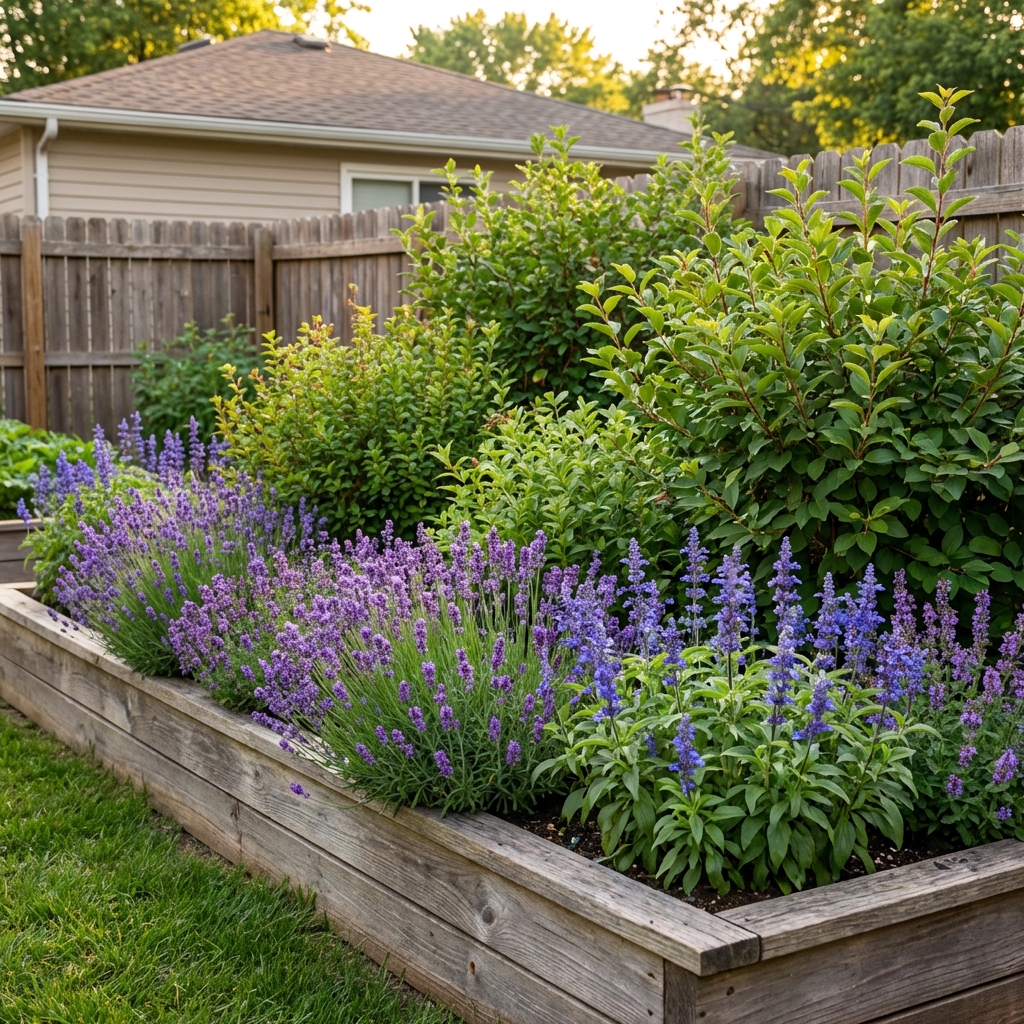
Why some plants get skipped
Most deer and rabbits avoid plants for a few common reasons:
- Strong scent (many herbs and aromatic perennials)
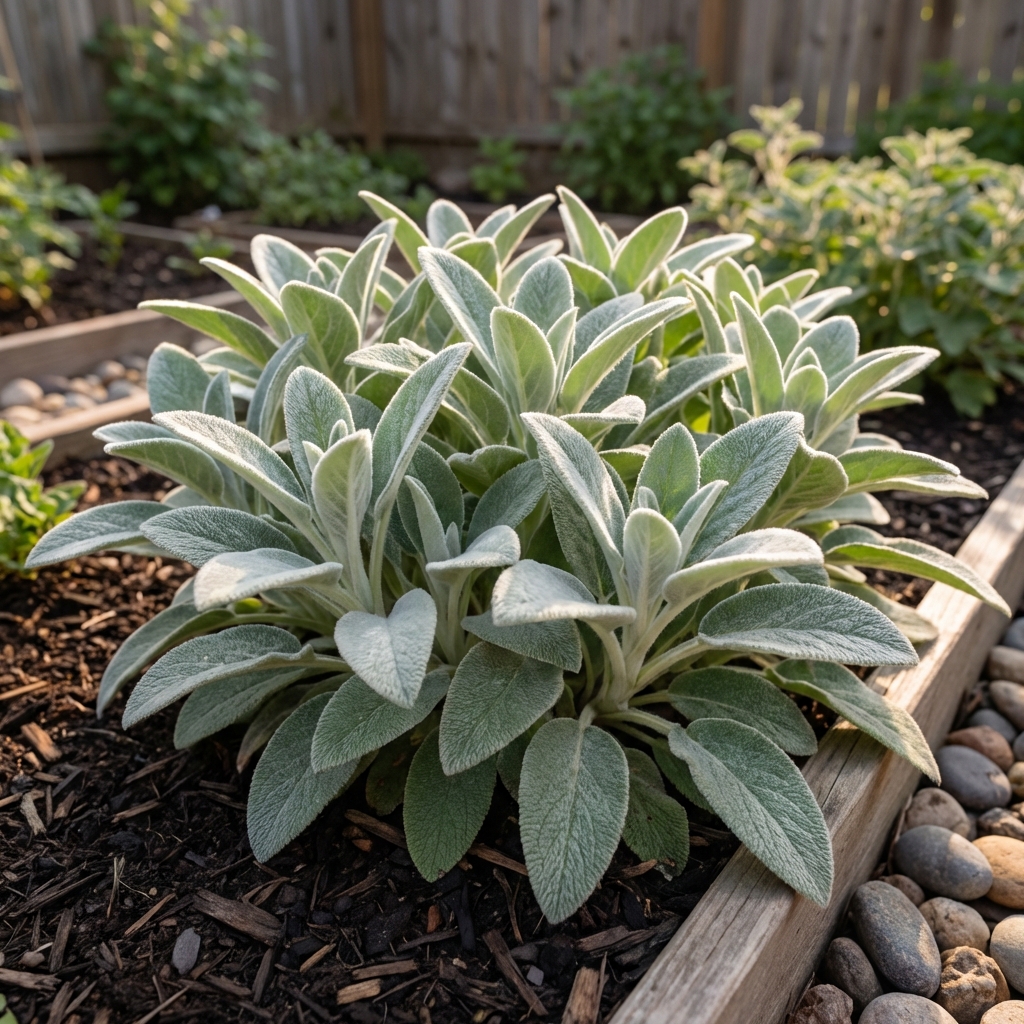
- Fuzzy, prickly, or tough leaves (lamb’s ear, juniper, boxwood)
- Bitter compounds or toxicity (daffodils, foxglove, hellebore)
- Leathery texture (many evergreen shrubs)
In practice, the plants that hold up best are the ones that hit at least two of those categories, like strong-smelling plants with tough foliage.
Top deer and rabbit resistant plants
These are widely reported as low-preference plants across many regions. Local pressure matters, so treat this as your short list to start with, then observe what happens in your yard.
Aromatic herbs (great near paths and beds)
- Lavender (Lavandula): Strong scent, woody stems once established. Needs sun and well-drained soil.
- Rosemary (Salvia rosmarinus): Tough, resinous foliage. Best in warmer zones or grown in pots where winters are cold.
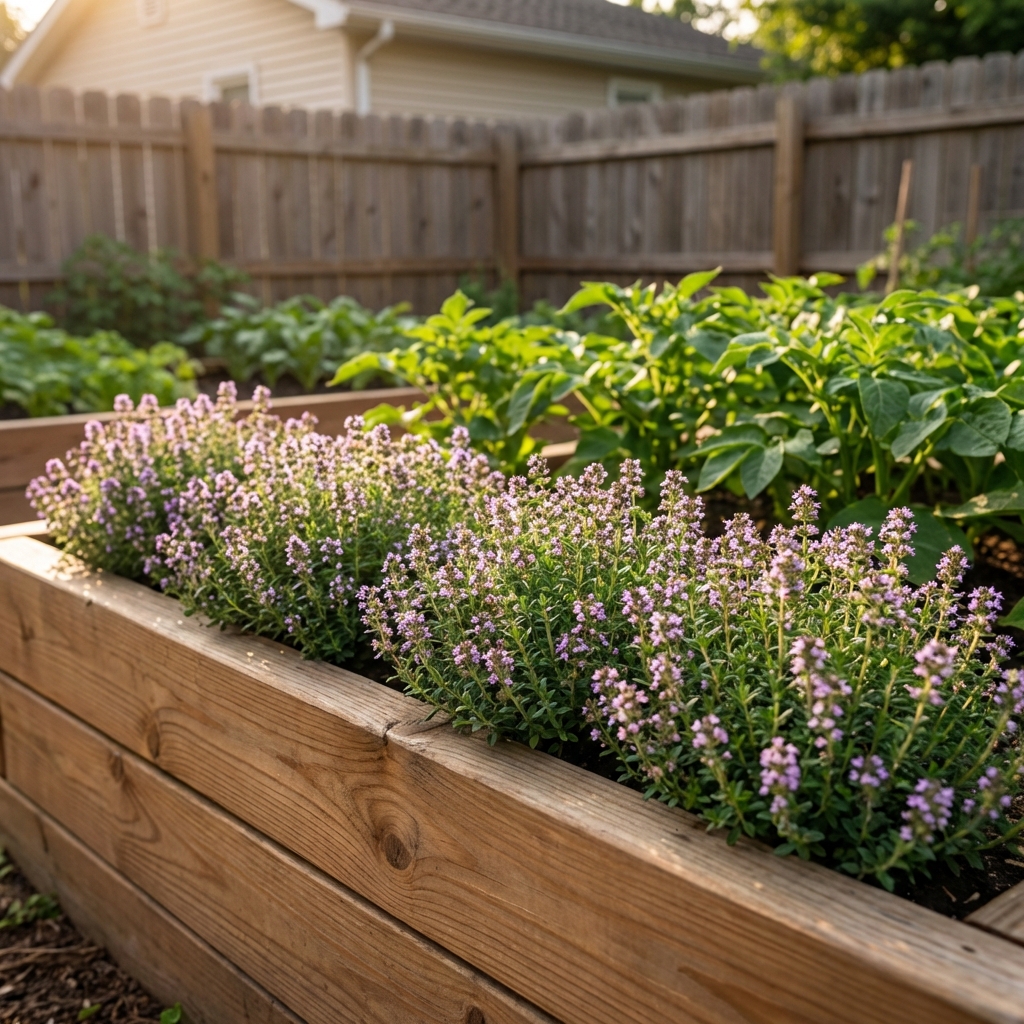
- Thyme (Thymus): Low groundcover that rabbits usually ignore. Ideal along edging.
- Sage (Salvia officinalis): Pungent leaves, good in sunny, drier spots.
- Oregano and marjoram (Origanum): Aromatic, fast growers. Keep them contained if they spread in your climate.
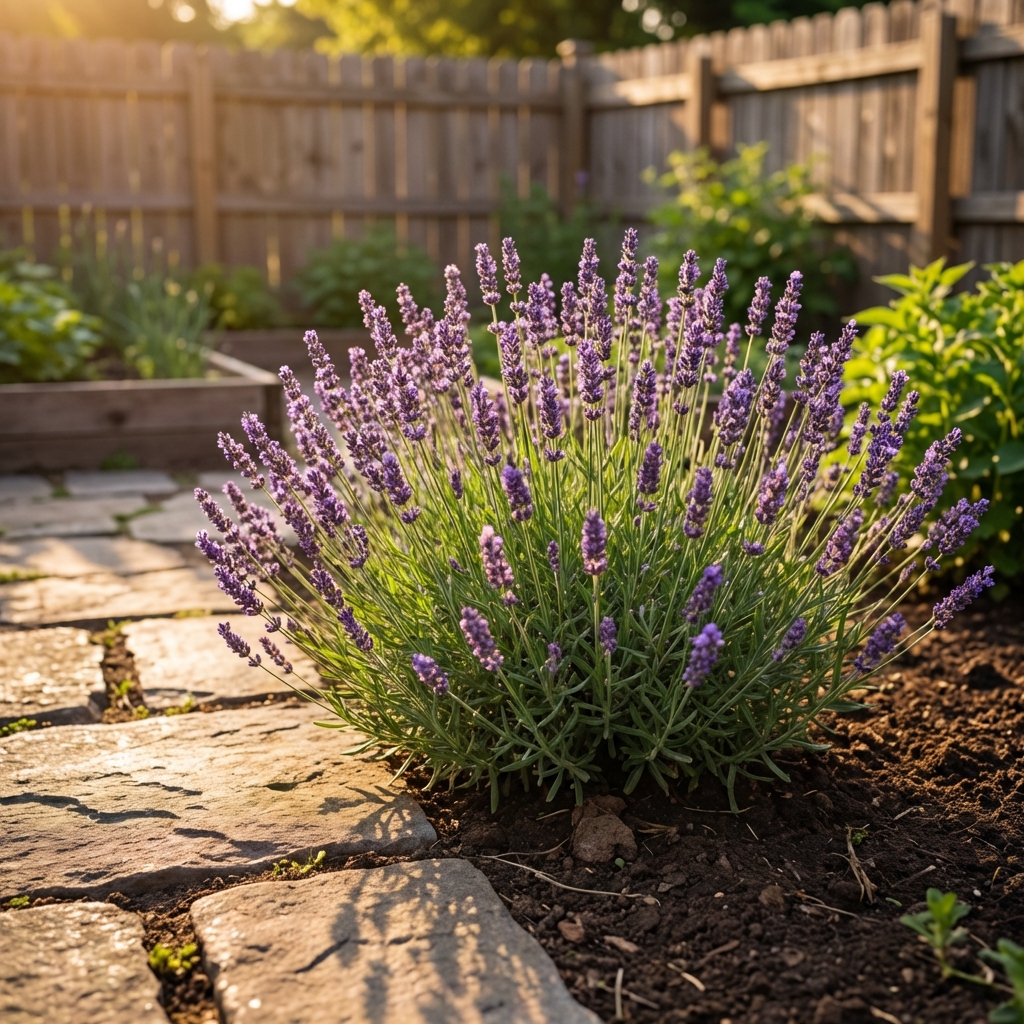
Flowers and perennials that are often left alone
- Daffodils (Narcissus): One of the most reliable choices because bulbs and foliage are toxic. Great for borders.
- Alliums (ornamental onions): Onion scent helps. Tall varieties also add height without being a salad bar.
- Salvia (ornamental sages): Many types are deer resistant, plus they attract pollinators.
- Yarrow (Achillea): Aromatic, tough, drought tolerant, and typically ignored. Spreads, so give it room.
- Catmint (Nepeta): Fragrant, long bloom season, good filler plant.
- Peonies (Paeonia): Often skipped once established, though new shoots can be sampled.
- Bee balm (Monarda): Strong scent, especially when brushed. Deer and rabbit interest can vary by area, and it may get browsed in drought or high pressure.
- Hellebore (Helleborus): Evergreen in many climates and typically avoided due to toxicity.
- Foxglove (Digitalis): Toxic, usually avoided. Handle with care around kids and pets.
- Lamb’s ear (Stachys byzantina): Fuzzy leaves that rabbits and deer generally do not like.
Safety note: Any time you use toxic plants (like daffodils, hellebores, and foxglove), place them thoughtfully and use extra caution around kids and pets.
Shrubs for a more resistant landscape
- Boxwood (Buxus): Leathery leaves and bitter taste. A common foundation shrub for deer-prone areas.
- Potentilla (Dasiphora fruticosa): Tough shrub with long flowering, usually ignored.
- Bluebeard (Caryopteris): Aromatic foliage and late-season blooms.
- Juniper (Juniperus): Prickly texture makes it less appealing.
- Spirea (Spiraea): Varies widely. In some areas it is left alone, in others it gets browsed regularly. If deer pressure is high, treat this as “sometimes resistant” and plant it only where you can protect it.
Heads up: Even “deer resistant” shrubs can get damaged when deer are crowded, winters are harsh, or landscaping is newly planted and tender.
Plants rabbits tend to avoid (especially helpful at the front edge)
- Chives and garlic chives (Allium): Scented foliage works well near veggie beds.
- Marigolds (Tagetes): Scent can help, but they are not a magic shield. Best used as part of a broader plan.
- Snapdragons (Antirrhinum): Often avoided, though young rabbits may still nibble.
- Dusty miller (Jacobaea maritima): Fuzzy, aromatic foliage.
Make resistant plants work
The biggest mistake I see is scattering “resistant” plants randomly and expecting the whole yard to be safe. A better approach is to use them like a living fence.
1) Put tempting plants behind less tempting plants
Deer and rabbits often browse from the outside in. If they hit a strong-smelling or fuzzy barrier first, many will move on to an easier meal elsewhere.
- Front edge (rabbit zone): thyme, chives, lavender, lamb’s ear
- Middle layer: salvia, yarrow, catmint, alliums
- Back layer (taller structure): boxwood, juniper, potentilla, bluebeard
2) Use aromatic pinch points
Animals tend to enter from the same spots: gaps in hedges, open corners, along a tree line, or near a shed. Plant your strongest scented options right where they step in.
3) Do not create a hidden buffet
Rabbits love cover. If your tastiest plants are tucked right beside dense shrubs or tall grass, you are basically giving them a safe dining room.
- Keep grass trimmed near beds.
- Thin low branches on shrubs near veggie gardens to reduce hiding spots.
- Place tender greens closer to your house or high-traffic areas.
Fencing basics
Resistant plants help, but when pressure is high, physical barriers are what reliably move the needle.
- Rabbit fence: 24 to 36 inches tall, with 1/2 inch to 1 inch mesh. Hardware cloth (1/2 inch) is the most reliable for young rabbits. Secure the bottom tight to the ground, and ideally bury it 6 inches or add an outward apron so they cannot scoot under.
- Deer fence: For consistent exclusion, many gardeners use 7 to 8 feet. Lower heights can work in some settings, but they are less dependable when deer are determined.
Quick picks by garden type
Raised bed vegetable garden
You can edge beds with plants rabbits and deer typically dislike, then protect the truly irresistible crops (lettuce, beans, peas) with a simple barrier.
- Best edging plants: thyme, chives, sage, lavender
- Strong companion plant: ornamental alliums nearby
- Reality check: herbs help, but a 24 to 36 inch rabbit fence with tight mesh and a secured or buried bottom is often the difference maker
Front yard foundation beds
- Shrubs: boxwood, juniper, potentilla
- Perennials: salvia, catmint, yarrow, hellebore
- Bulbs: daffodils and alliums for spring color without becoming deer snacks
Shady areas
Shade is harder because many aromatic plants want sun. Options can be limited, so this is a great spot to prioritize barriers if browsing is heavy.
- Hellebore (shade to part shade)
- Ferns (often ignored, though not always)
- Bleeding heart (can be deer resistant in some areas, but it varies)
- Astilbe (often resistant, but can be sampled)
- Japanese forest grass (often low-preference, not a guarantee)
If deer pressure is heavy in shade, this is where fencing or netting often makes the biggest impact.
When resistant still gets nibbled
If you planted the right things and you are still seeing damage, it usually comes down to one of these situations: new plants are tender, drought made leaves more palatable, there are too many deer, or animals are simply learning.
Try these fixes first
- Water deeply during dry spells so plants are less stressed and better able to recover.
- Protect new plantings for the first month with temporary wire cloches or stakes and netting.
- Rotate repellents if you use them. Animals can get used to one smell. Reapply after rain and always follow label directions.
- Use physical barriers where it counts: small mesh (or hardware cloth) for rabbits, taller fencing for deer.
High-risk seasons
- Early spring: tender new growth gets sampled
- Late summer drought: less natural forage available
- Late fall and winter: deer browse woody plants when options shrink
Simple planting plan
If you want a straightforward layout, here is a reliable mix that looks good and usually takes fewer hits:
- Border strip: thyme + chives (tight, low, and scented)
- Main color layer: salvia + catmint (long bloom, pollinator friendly)
- Texture layer: lamb’s ear (soft silver foliage that rabbits avoid)
- Seasonal pop: daffodils and ornamental alliums tucked throughout
- Backbone: boxwood or juniper (structure year-round)
Start small, watch what gets tested in your yard, then expand the plants that hold up best. That observation step is what turns a “recommended list” into a garden that actually works.
FAQ
Do marigolds really repel deer and rabbits?
Sometimes. Marigolds have a strong scent, but they are not dependable as a stand-alone solution. They work best as a supporting plant combined with tougher, more consistently avoided choices like lavender, salvia, alliums, and daffodils.
What is the single most reliable deer resistant plant?
In many areas, daffodils are among the most reliable because the plant is toxic and strongly disliked. For perennials, lavender and many salvias are also strong performers, but results still vary by region and season.
What is the most reliable rabbit resistant edging?
Thyme, chives, and lavender are solid choices for an edge. If rabbits are a constant problem, a short mesh barrier is still your best guarantee, especially when the bottom is secured or buried.

Jose Brito
I’m Jose Britto, the writer behind The Country Store Farm Website. I share practical, down-to-earth gardening advice for home growers—whether you’re starting your first raised bed, troubleshooting pests, improving soil, or figuring out what to plant next. My focus is simple: clear tips you can actually use, realistic expectations, and methods that work in real backyards (not just in perfect conditions). If you like straightforward guidance and learning as you go, you’re in the right place.