Flies are not picky. If they can smell food, trash, pet waste, or even damp organic gunk in a corner of the yard, they will show up. The good news is you can stack the odds in your favor with the right plants. The key is using strong-scented herbs and flowers in the right places, and pairing them with a few common-sense cleanup steps.
One quick reality check: results can vary by fly type (house flies vs. cluster flies vs. fruit flies) and by conditions like wind and nearby food sources. Also, most research is stronger on essential oils and extracts than on living plants at typical patio distances. Still, well-placed, aromatic plants can make a small zone less appealing.
Below is my go-to list of plants to repel flies, plus a simple setup you can copy for patios, porches, doors, and outdoor eating areas.
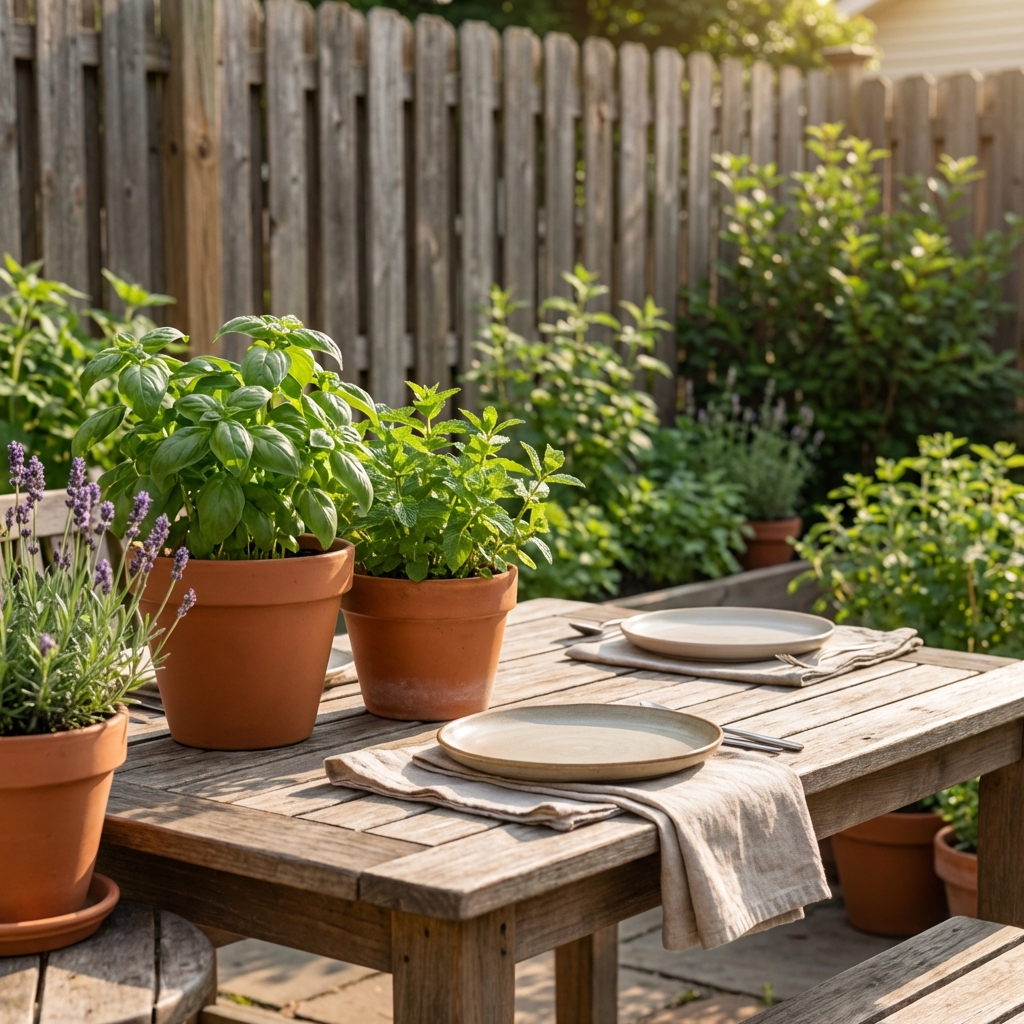
How fly-repelling plants work (and what to expect)
Most “fly-repelling” plants do not create an invisible force field. What they do is release aromatic oils that can mask smells flies are searching for and make the area less appealing.
Realistic expectations
- Best for small zones: patios, porches, doorways, outdoor tables, BBQ areas.
- Works better up close: within a few feet of where you sit or where flies enter.
- Needs scent release + airflow: crushed leaves, brushing past plants, warm sun, and a light breeze help carry scent.
- Still clean first: if there is a strong attractant nearby, plants alone will not win.
- Not a replacement for barriers: screens, fans, and smart trap placement can make a bigger difference than any single plant.
The best plants to repel flies
These are reliable, easy-to-find options that do well in containers, which matters because potted plants let you place the scent exactly where you need it.
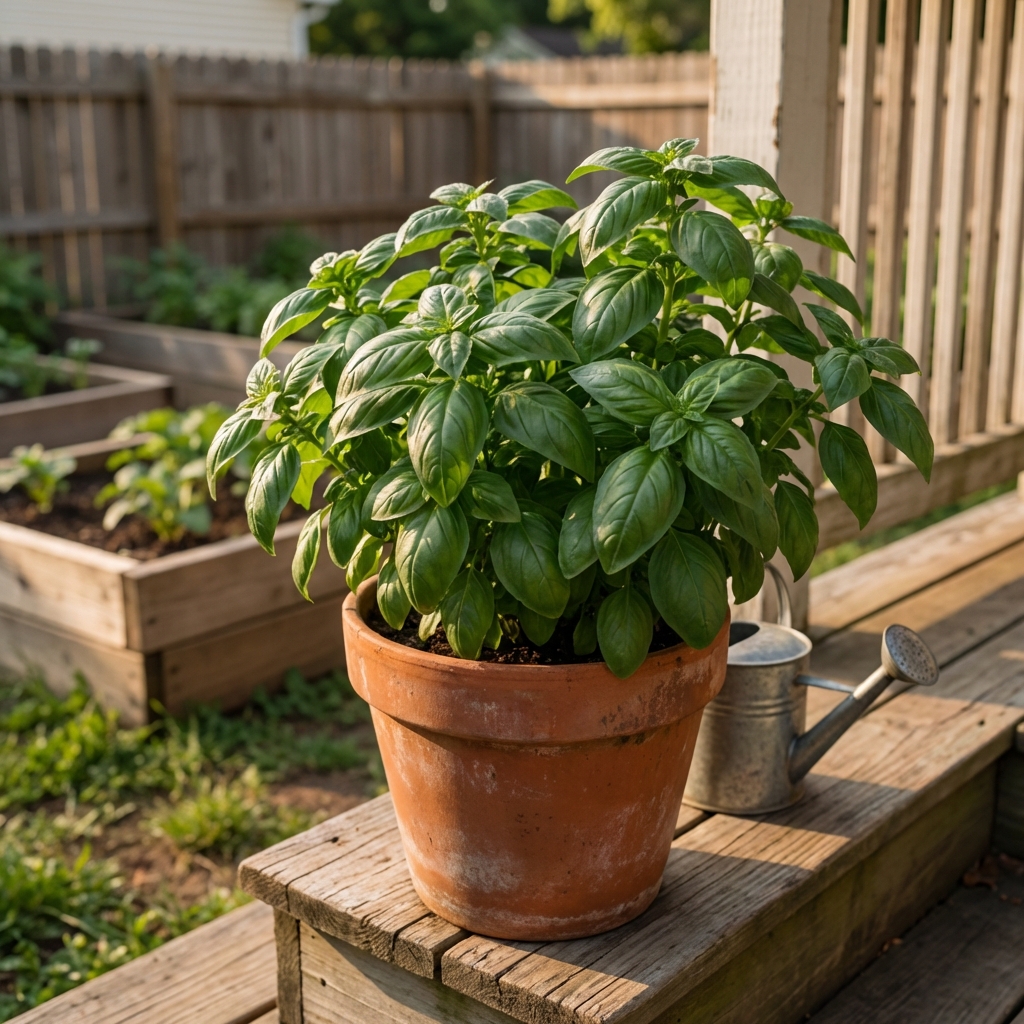
Basil
Basil is one of the most useful fly-deterrent herbs because it is strong-smelling, compact, and easy to keep in a pot by a door or table.
- Best placement: patio tables, kitchen doors, near compost bins (a few feet away, not right on top).
- Care tip: full sun is best. Pinch the tips often to keep it bushy and to release aroma.
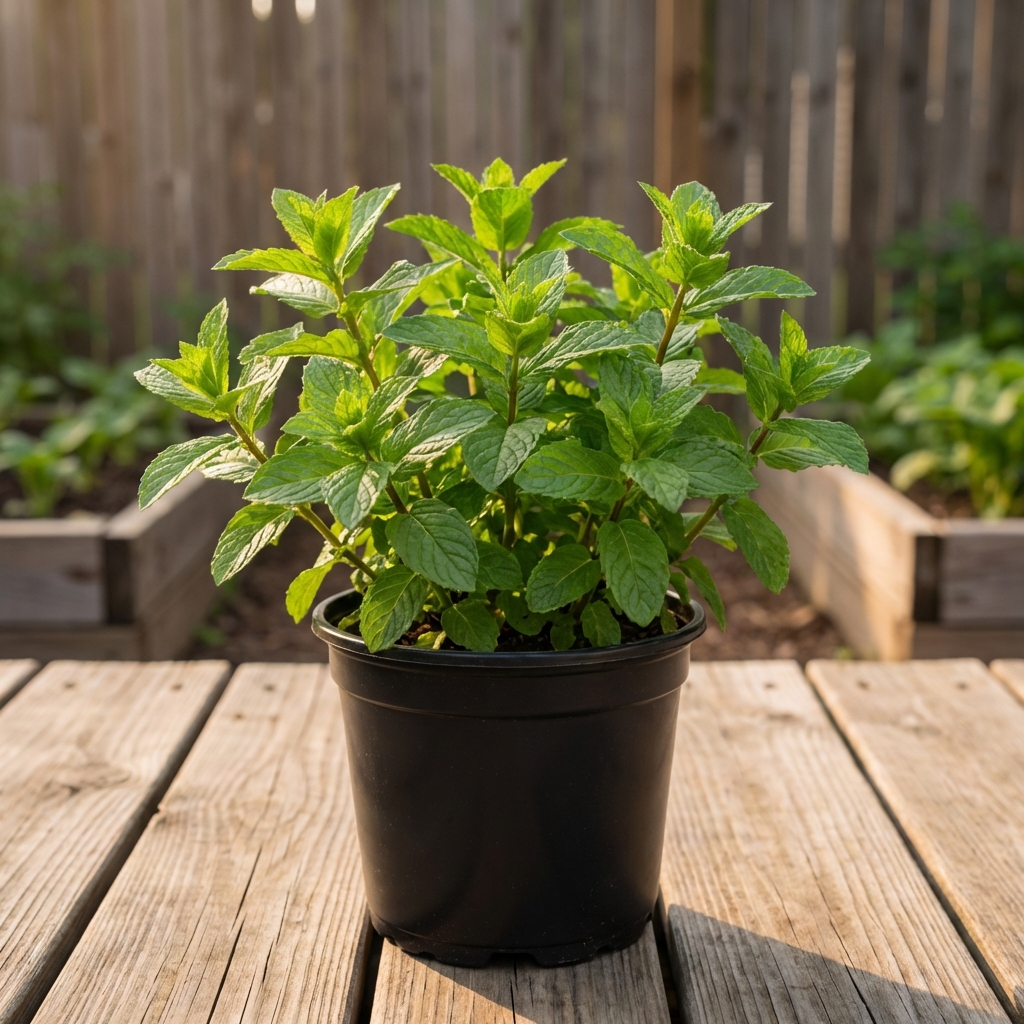
Mint (peppermint or spearmint)
Mint has a sharp scent that can help discourage flies in a small area. It is also tough and forgiving. Just do not plant it in the ground unless you want it everywhere.
- Best placement: near seating areas, by outdoor trash cans, along a walkway you use often.
- Care tip: keep mint in a pot. It likes evenly moist soil and partial sun to full sun.
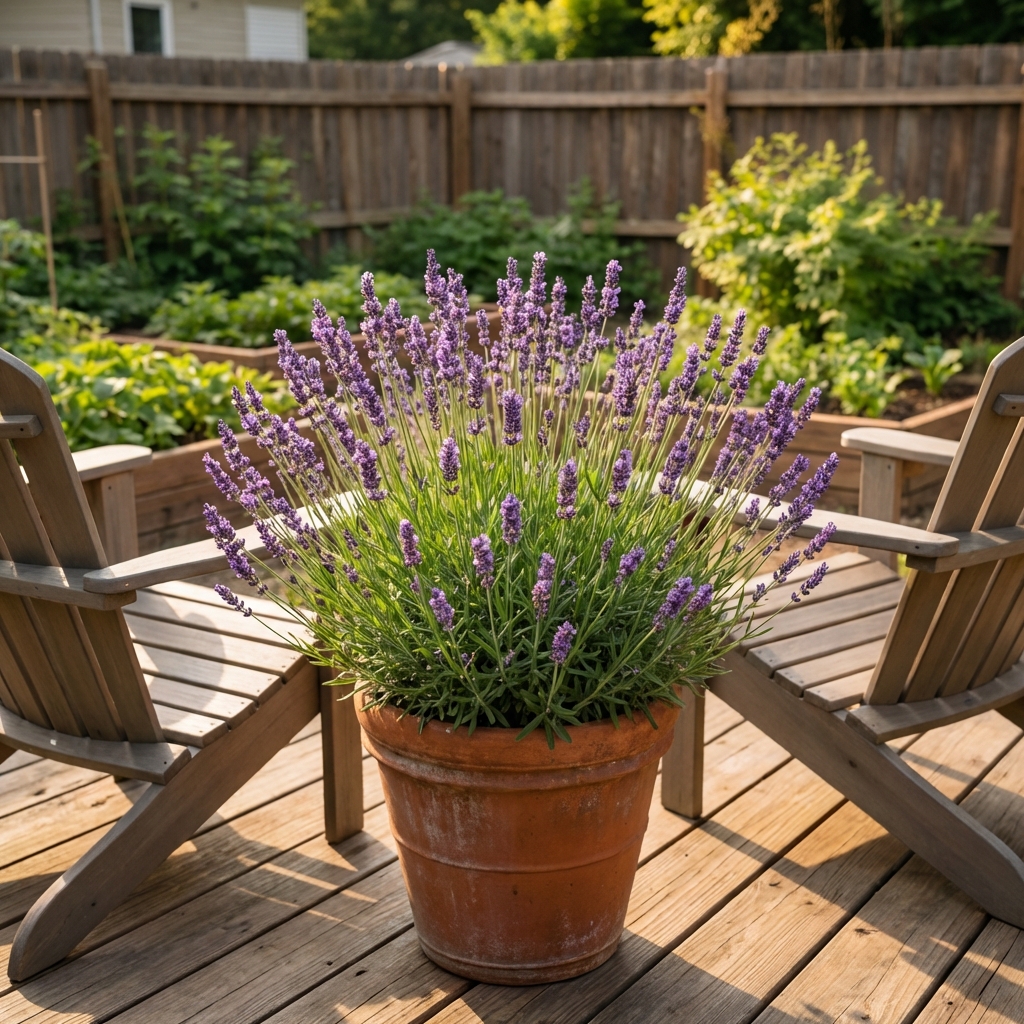
Lavender
Lavender is a classic for a reason. The scent is strong, it handles heat well once established, and it pulls double duty by attracting beneficial pollinators.
- Best placement: along entry paths, near outdoor dining spots, around a patio perimeter.
- Care tip: needs sun and drainage. Do not keep the soil soggy.
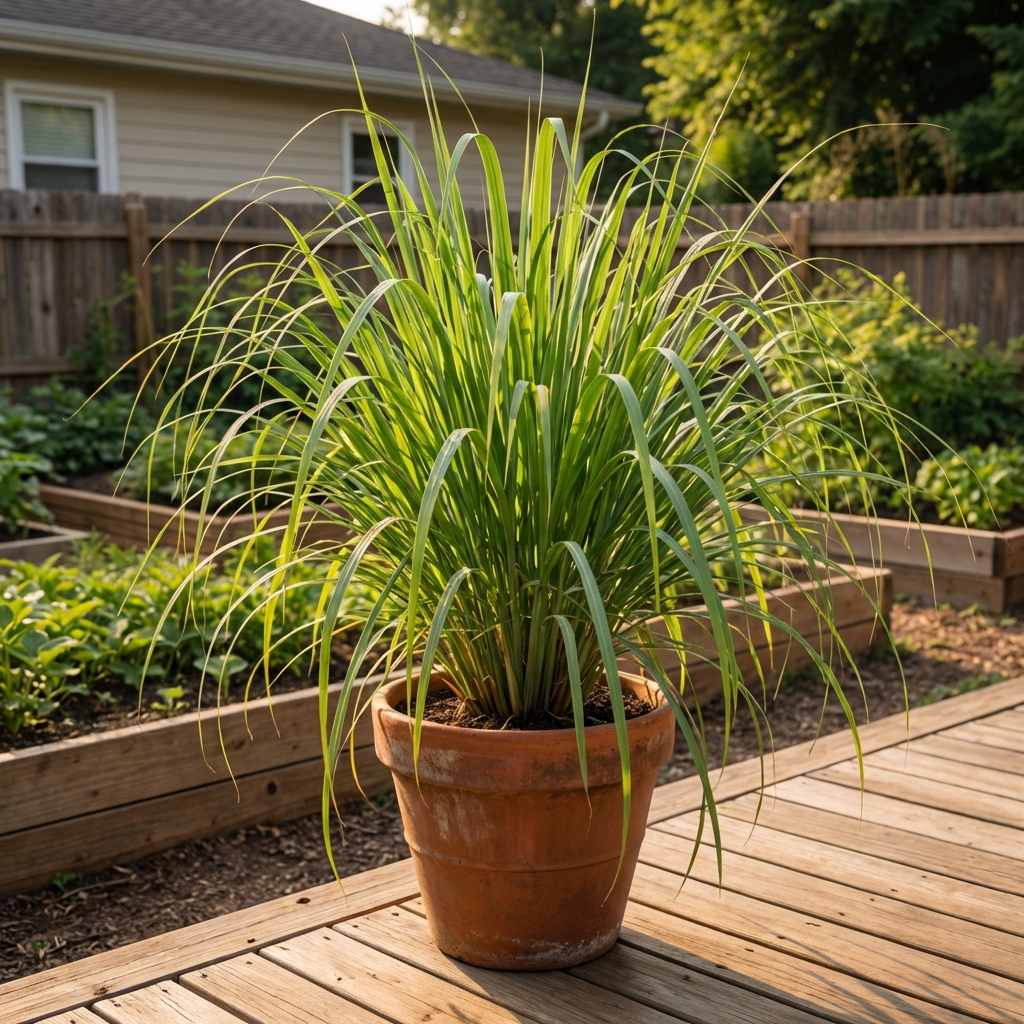
Lemongrass
Lemongrass contains citronella-related compounds used in many repellents, and it can be a strong choice for warm months. It is especially useful in larger pots where it can size up.
- Best placement: corners of patios, near grilling areas, close to doors where flies sneak in.
- Care tip: likes heat, sun, and regular watering. Protect from frost.
Rosemary
Rosemary is a sturdy, woody herb with a punchy scent. It does best in full sun and can handle drier conditions better than most soft herbs.
- Best placement: sunny steps, near outdoor kitchens, beside seating where people brush past it.
- Care tip: avoid overwatering. Use a potting mix that drains well.

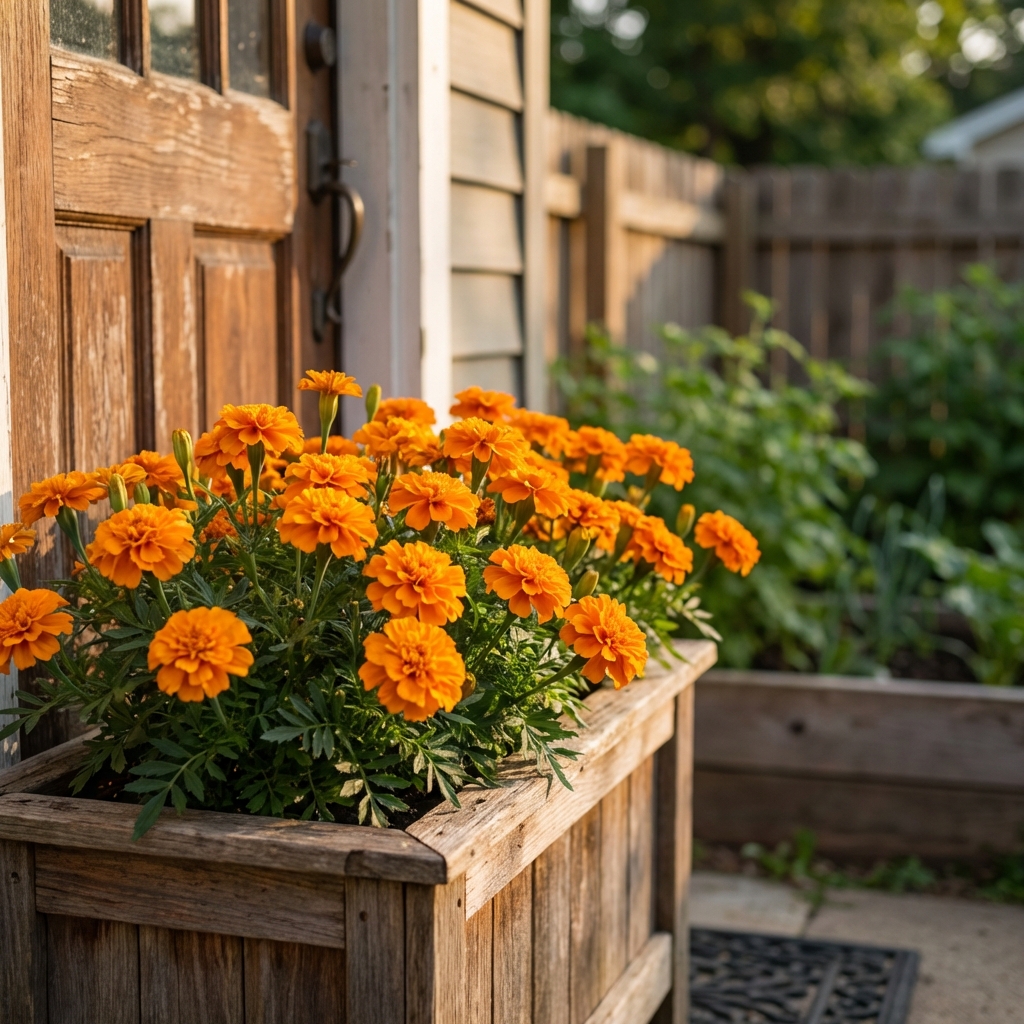
Marigolds
Marigolds are more famous for general pest deterrence in the garden. For flies, consider them a “may help” plant: some people find the strong scent makes areas near entrances a little less inviting, especially when planted thickly.
- Best placement: around porch edges, near doorways, along a patio border.
- Care tip: sun and regular deadheading keeps them blooming and fragrant.
Catnip
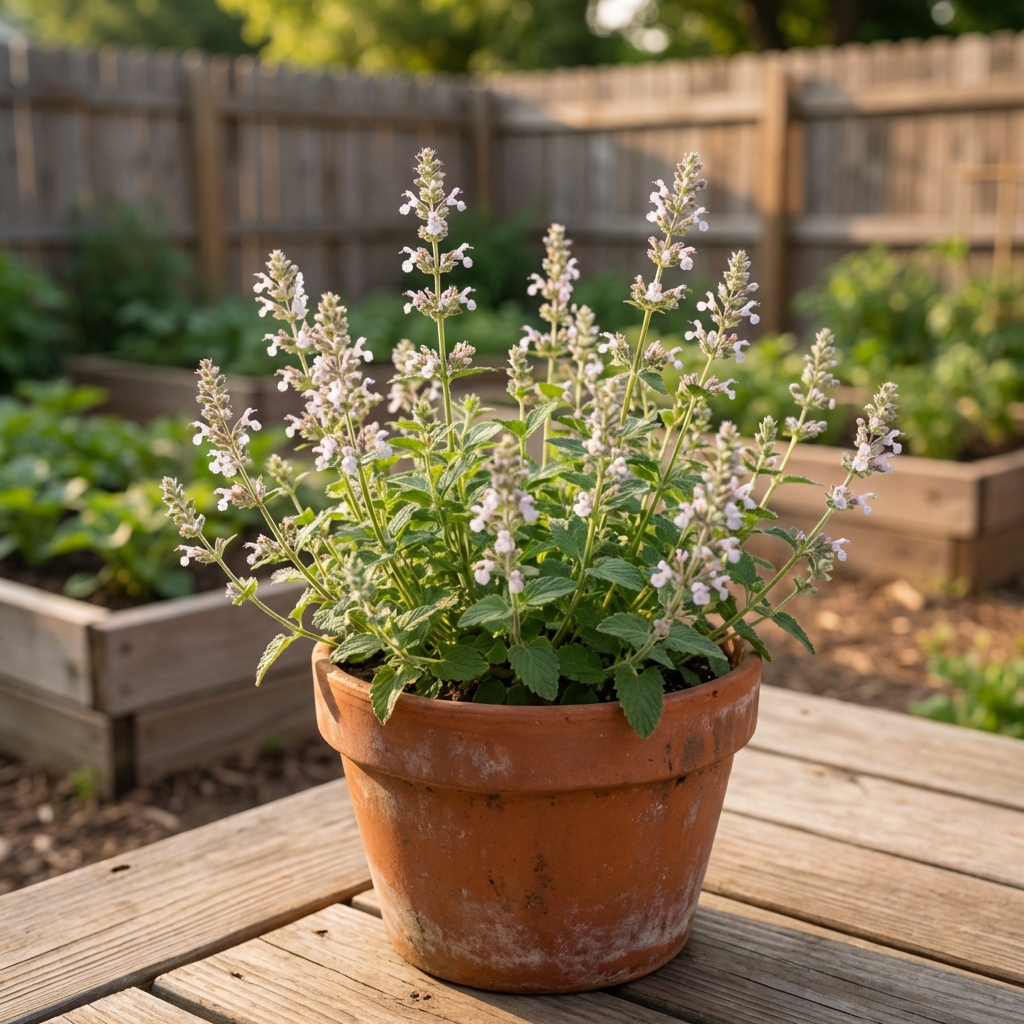
Catnip contains nepetalactone, which has been studied for insect-repelling properties (often in lab or extract form). Outdoors, it may also help discourage flies in a small area, especially when you place it close to where you sit.
- Best placement: in a pot near a patio. If neighborhood cats visit, place it where you do not mind company.
- Care tip: grows in sun to partial shade. Pinch back to keep it full.
Where to put plants for the biggest impact
Placement matters more than the plant list. If you want fly-repelling plants to actually help, put them where flies travel and where you spend time.
Best locations
- By doors: a basil or rosemary pot on each side of a frequently used door is simple and often effective.
- Near outdoor eating: cluster 3 to 5 pots near the table, especially on the side where the breeze comes from.
- Next to trash areas: keep herbs and flowers a few feet away from bins so they get sun and you can access the bin easily.
- Along the patio edge: lavender, marigolds, and rosemary work well as a perimeter “scent border.”
Simple patio setup
- 2 basil pots near the back door
- 1 large lemongrass pot in a sunny corner
- 1 rosemary pot near the grill
- 2 to 3 marigold pots lining the patio edge
How to get more scent without harming the plant
Fly deterrence comes from aromatic oils. Here are easy ways to increase scent output.
- Lightly brush the leaves when you sit down outside. This releases oils.
- Pinch and prune herbs regularly to keep them growing and fragrant.
- Grow in sun when possible. Warmth boosts aroma.
- Avoid over-fertilizing. Super fast, watery growth often has less scent.
Quick tip: If you are harvesting basil, mint, or rosemary for the kitchen, that regular trimming also helps the plant stay active and aromatic.
Fly control is a system: remove the attractants
If you want fewer flies this week, plants help, but cleanup is what moves the needle the most. Knock out the things that draw flies in and your plant choices suddenly seem way more effective.
High-impact fixes
- Seal trash tight and rinse sticky cans before they go in the bin.
- Pick up pet waste daily. Flies breed fast in warm weather.
- Clean compost edges and keep food scraps covered with browns (dry leaves, shredded cardboard).
- Fix damp spots where old leaves and grass clippings stay wet.
- Bring fruit inside or harvest promptly if you have a tree dropping overripe fruit.
Extra help that works fast
If flies are already active, pair plants with a couple of low-effort upgrades.
- Use a fan: moving air makes it harder for flies to land and hover near food.
- Add screens or keep doors closed: a tight screen beats any plant for stopping flies from coming inside.
- Place traps away from people: baited traps can help, but put them on the far edge of the yard so you are not inviting flies toward the table.
- Cover food and drinks: even a simple mesh food tent helps a lot.
Container tips so your plants stay healthy
Most fly-repelling plants do best in pots, which is great because you can move them exactly where you need them.
- Use the right pot size: 10 to 14 inch pots work well for basil and mint. Lemongrass likes larger containers.
- Drainage matters: choose pots with holes and use a quality potting mix.
- Water consistently: soft herbs dry out quickly in summer heat. Check pots daily during hot spells.
- Do not crowd: airflow helps reduce mildew and keeps plants smelling fresh.
Common questions
Do fly-repelling plants work indoors?
They can help a little near windows and doors, especially basil and mint, but indoor flies are usually there because of a food source. Clean fruit bowls, drains, and trash first, then add herbs near entry points. Also note that fruit flies and drain flies are usually solved by sanitation, not by plants.
Are these plants safe around pets?
It depends on the pet and how likely they are to chew plants. Many common herbs (like basil, rosemary, and mint) are not highly toxic, but they can cause vomiting or diarrhea if a dog or cat eats a lot of them. Marigolds are generally considered low-toxicity, but they can still cause gastrointestinal upset, and the sap may irritate skin in some pets. Catnip is often safe for cats, but it can overstimulate some cats and may upset stomachs if eaten in large amounts. If your pet eats plants, place pots out of reach and check a reputable toxicity list or your vet for your specific situation.
What is the fastest option if I need relief today?
Move 2 to 3 aromatic pots (basil, mint, rosemary) right next to where you are sitting, wipe down the table, cover food, and empty any nearby trash. That combination often shows results faster than any single step.
Quick checklist
- Pick 3 to 5 strong-scented plants (basil, mint, lavender, lemongrass, rosemary, marigolds)
- Use containers so you can place them by doors and seating
- Pinch, prune, and brush leaves to release scent
- Remove the real fly magnets: trash, pet waste, rotting fruit, wet organic buildup
- Use a fan or screens if flies are persistent
If you want the simplest starting point, do this: basil by the door, mint near seating, and lavender along the patio edge. Then clean up anything nearby that smells like a snack to a fly.

Jose Brito
I’m Jose Britto, the writer behind The Country Store Farm Website. I share practical, down-to-earth gardening advice for home growers—whether you’re starting your first raised bed, troubleshooting pests, improving soil, or figuring out what to plant next. My focus is simple: clear tips you can actually use, realistic expectations, and methods that work in real backyards (not just in perfect conditions). If you like straightforward guidance and learning as you go, you’re in the right place.