Start with the goal: break the flea cycle
Fleas are not just a “dog problem.” They are a life cycle problem. Adult fleas live on your dog, but most of the population is usually eggs, larvae, and pupae hiding in bedding, rugs, cracks in floors, shaded soil, and under decks. That is why you can bathe your dog and still see fleas again two days later.
Your fastest path to relief is a two-track approach:
- Comfort your dog today (remove and kill adult fleas).
- Clean and treat the environment for several weeks (stop the next waves from maturing).
Timeline reality check: Many homes improve within 1 to 2 weeks, but full control often takes 4 to 12 weeks depending on temperature, humidity, and how many hidden pupae are waiting to emerge. Consistency beats a single “big cleaning day.”
If your dog is a puppy, senior, pregnant, nursing, has seizures, or has skin disease, it is smart to call your vet before using any product beyond mild shampoo and a flea comb.
Also: Treat all pets in the household at the same time with species-appropriate, vet-approved products. If you treat only one pet, fleas can keep cycling through the others.
Immediate relief: what to do today
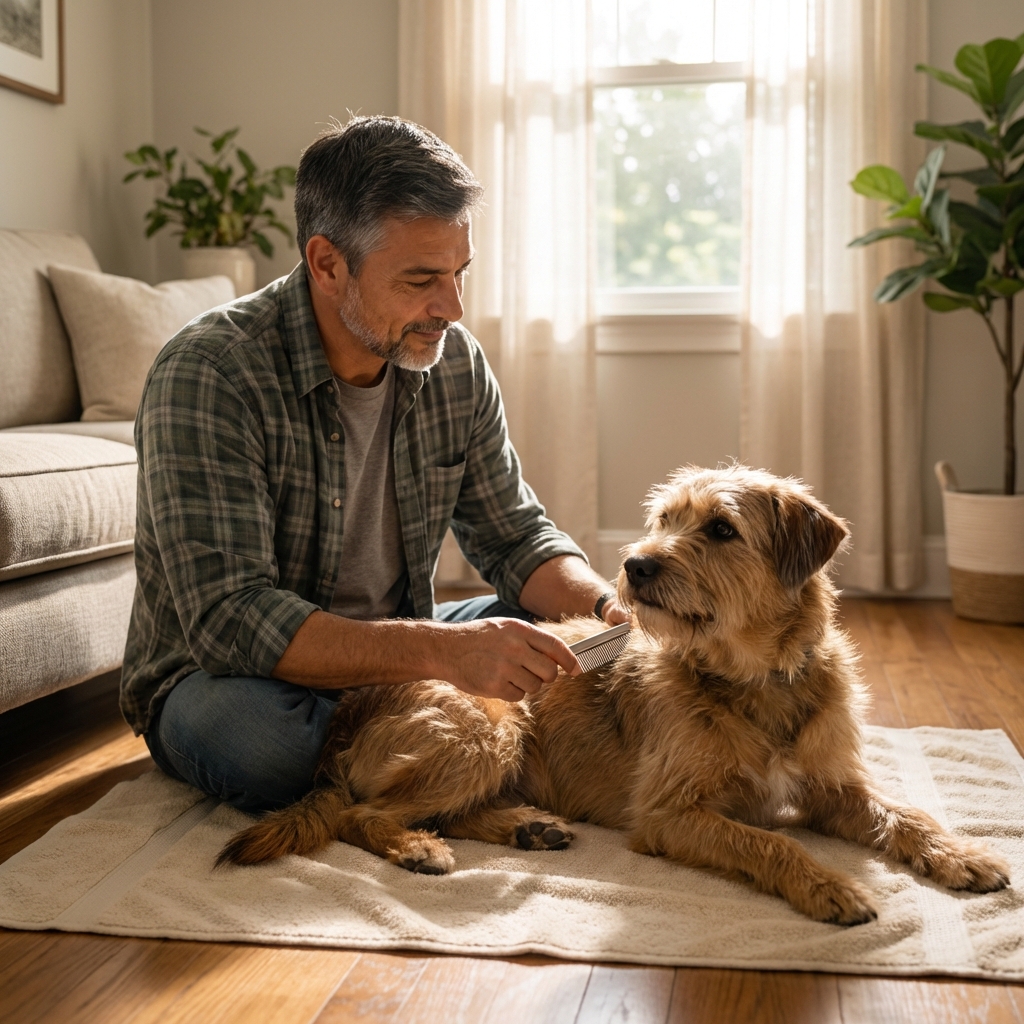
1) Use a flea comb the right way
A basic metal flea comb is one of the most practical tools you can own. It works even when you are not sure which product to trust yet.
- Put your dog on a light-colored towel.
- Keep a cup of warm water with a drop of dish soap nearby.
- Comb slowly, especially around the neck, base of tail, belly, and behind ears.
- Dunk the comb in the soapy water after each pass to kill what you collect.
Tip: If you see black specks, place a few on a damp paper towel. If it turns reddish-brown, that is flea dirt (digested blood), and you are dealing with an active infestation.
2) A bath can help, but it is not a full solution
A bath helps remove fleas and soothe itchy skin, but it will not touch eggs in the house or yard. Use a gentle pet shampoo or a vet-recommended flea shampoo. Work the lather in well, and pay attention to legs and underbelly.
- Do not use essential oils on your dog unless your vet specifically approves. Tea tree and many other oils can be toxic to pets.
- Do not use dish soap as a routine flea bath. It can strip oils and worsen dry, irritated skin. One emergency bath is one thing. Weekly use is another.
3) Consider a vet-approved flea control product
If fleas are persistent, the most reliable way to stop them is to use a proven flea preventative or treatment that fits your dog’s age and weight. Options include oral tablets, topical treatments, and collars. Your vet can recommend what is safest for your dog and your region.
Important: Never use dog flea products on cats, and keep cats away from recently treated dogs if the label warns about it. Some ingredients that are safe for dogs are dangerous to cats.
House cleanup: where most fleas are hiding
Think of this like garden pest control: you do not just pick off the visible bugs. You also remove the habitat that keeps producing them.
Vacuum thoroughly and keep at it
Vacuuming is one of the best practical flea tools because it physically removes eggs and larvae. It also may help encourage hidden pupae to emerge due to vibration and activity, which can make follow-up cleaning and treatments more effective.
- Vacuum carpets, rugs, couches, baseboards, and under furniture.
- Focus on the places your dog naps.
- Vacuum daily for 7 to 10 days during the worst stage, then a few times per week for 1 to 2 months.
- Empty the canister outside right away, or seal the bag in a trash bag before tossing.
Wash what can be washed
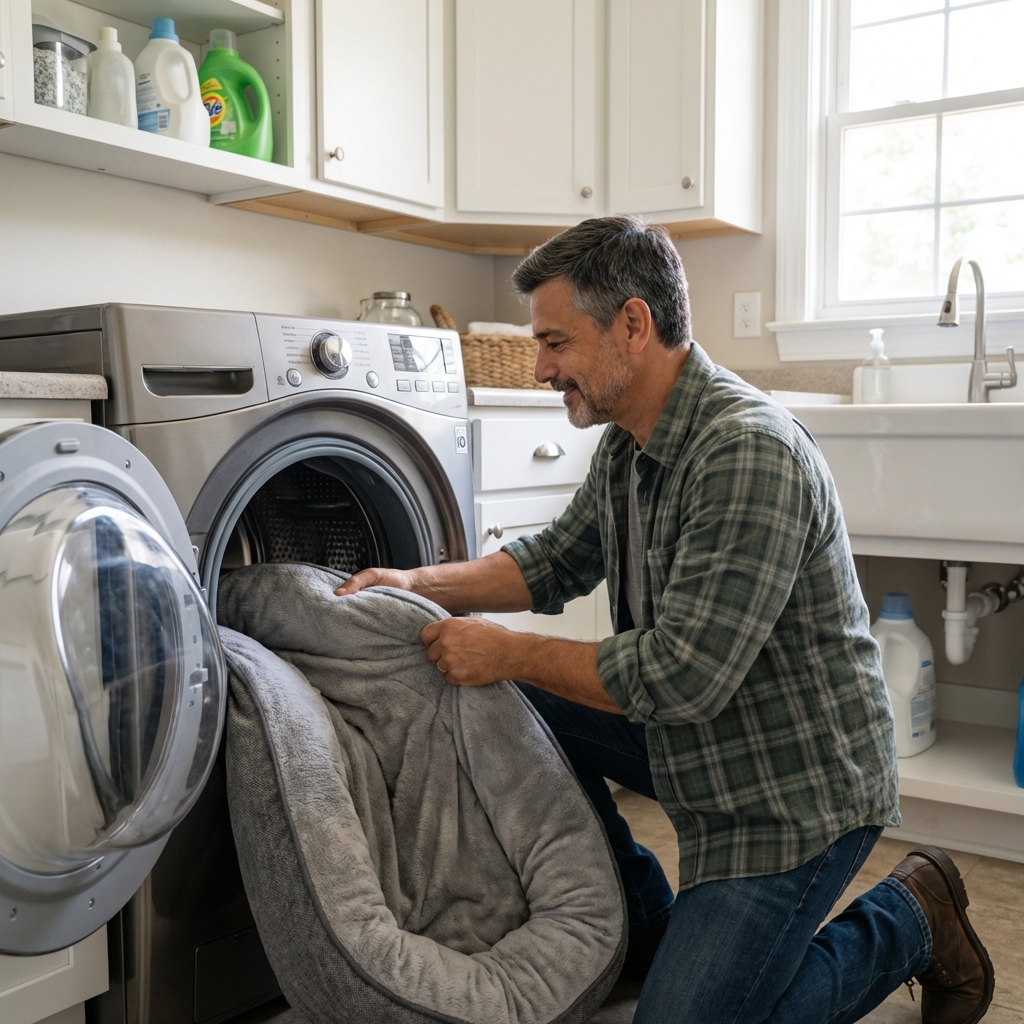
Wash dog bedding, throw blankets, and removable covers in hot water if the fabric allows. Dry on high heat when possible. Heat is your friend here.
Use indoor treatments carefully
If you choose an indoor spray, read the label like it is a recipe you cannot mess up. Many products include an IGR (insect growth regulator) that stops eggs and larvae from developing, which is helpful when used correctly.
- Prioritize targeted sprays in cracks, edges, and pet areas over whole-house foggers.
- Keep pets and people out for the full label time, and keep kids off treated surfaces until fully dry (and longer if the label says so).
- Do not spray directly on pet bedding unless the label allows it.
If anyone in the home has asthma or chemical sensitivity, consider focusing on vacuuming, laundering, and vet-approved pet treatments first.
When it is overwhelming: For heavy infestations, professional pest control can be a good option. Ask about a plan that includes an IGR plus an adult-killing product, not just a one-time fogger.
Yard and garden tips that reduce fleas
Fleas love the same kind of microclimate a lot of garden pests love: cool, shaded, humid spots with organic debris. Your goal is not to sterilize the yard. It is to make it less inviting.
1) Trim, rake, and open up flea zones
- Mow regularly and keep grass from getting tall and damp.
- Rake up leaf litter and remove brush piles.
- Trim back overgrown edges along fences, sheds, and foundations.
- Keep dog resting spots in the yard dry and sunny if possible.
2) Water smarter
Overwatering creates the humid layer flea larvae like. If you irrigate:
- Water early in the morning so surfaces dry out faster.
- Use drip irrigation in beds instead of spraying everything.
- Fix leaky spigots and soggy low spots.
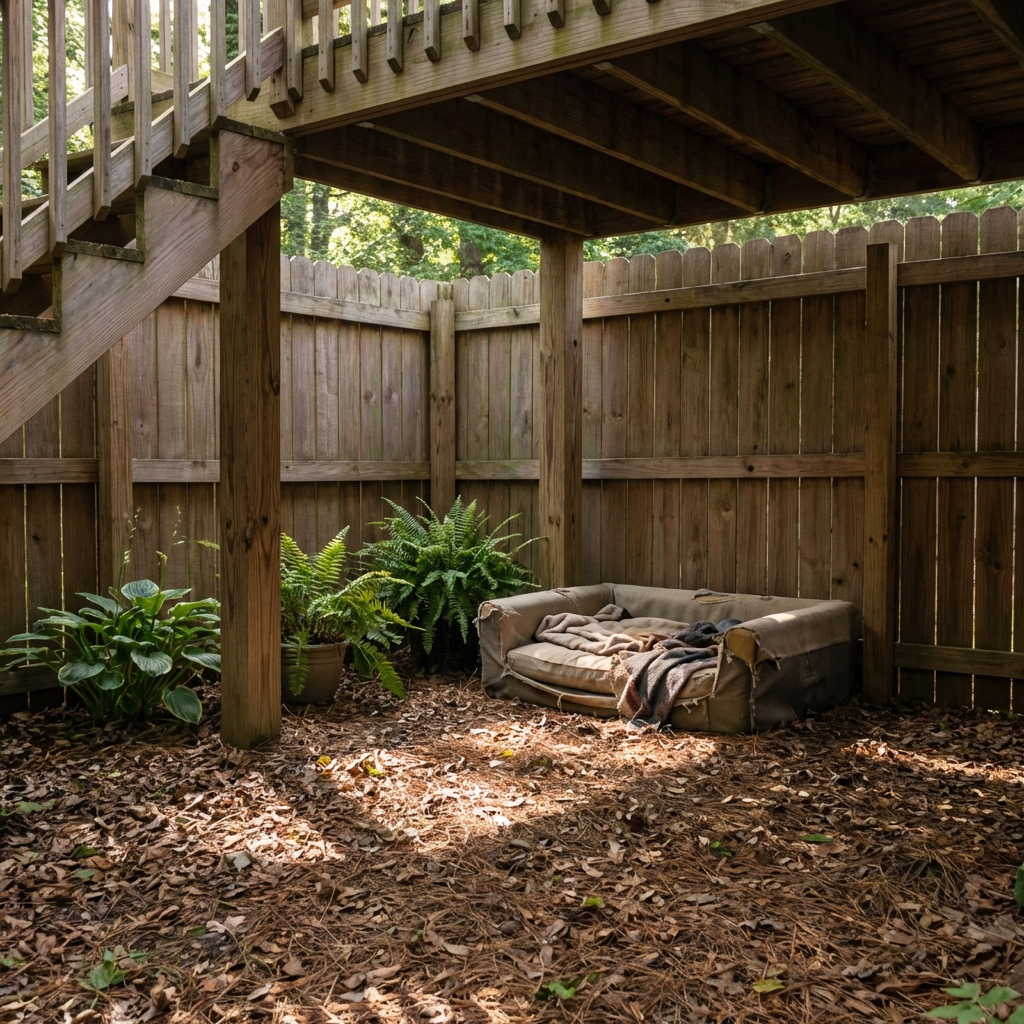
3) Make a dry hangout spot for your dog
If your dog has a favorite hangout spot, you can reduce flea habitat by creating a clean, well-drained surface:
- Use gravel or another well-draining material. If you use wood chips, keep them thin and dry since deep mulch can hold moisture.
- Keep the area free of leaves and damp clippings.
- Wash outdoor dog beds often and let them dry fully in sun.
4) Consider beneficial nematodes for a garden-friendly option
In many areas, beneficial nematodes (commonly Steinernema carpocapsae or Steinernema feltiae) are sold for soil pest control and can help reduce flea larvae in the yard when applied correctly. They tend to work best in moist soil and shaded areas where larvae develop.
- Apply when temperatures match the product label.
- Water in as directed and keep soil lightly moist for the recommended window.
- Expect this to be part of a plan, not a one-time miracle, and not a replacement for on-pet treatment.
5) Be cautious with “natural” yard sprays
Many yard sprays marketed as natural use essential oils. Even when they smell nice, they can be irritating to pets, pollinators, and sensitive people. If you use any yard product, choose one labeled for flea control and follow directions precisely, especially around edible gardens.
What not to do (common mistakes)
- Do not treat only the dog and ignore the home. That is how infestations keep coming back.
- Do not forget the other pets. Treat all cats and dogs in the household with the right product for their species and weight.
- Do not combine multiple flea products unless a vet tells you it is safe. Doubling up can cause toxicity.
- Do not use permethrin products around cats unless you are 100 percent sure the label says it is safe.
- Do not rely on garlic, essential oils, or “home remedies” taken internally. Some are unsafe and do not solve the problem.
A realistic 2-week action plan
Think of this as the first 2 weeks of a 4 to 12 week process. These steps lower the adult flea load fast and help prevent the next waves.
Days 1 to 3
- Flea comb once or twice daily.
- Wash bedding and blankets.
- Vacuum daily and empty the vacuum outside.
- Start a vet-approved flea treatment if appropriate for your dog.
- If you have other pets, start their species-appropriate flea prevention too.
Days 4 to 10
- Keep vacuuming daily or every other day.
- Rewash bedding mid-week.
- Do a yard cleanup of shaded, damp areas where your dog rests.
Days 11 to 14
- Continue vacuuming a few times per week.
- Monitor your dog’s skin. Reduced scratching is a good sign the adult population is dropping.
- Keep up the flea comb checks so you catch a rebound early.
Most households see improvement within 1 to 2 weeks, but full control often takes longer because pupae can “wait” and emerge later. In some conditions they can delay emergence for weeks, so keep your plan going even when it feels like you already did everything right.
When to call the vet
Get professional help if you notice any of the following:
- Scabs, hot spots, hair loss, or a strong odor (possible infection)
- Pale gums, weakness, or lethargy (especially in small dogs, possible anemia)
- Severe itching that does not improve after a week of treatment and cleaning
- Signs of an allergic reaction or sensitivity after applying any flea product
Ask about flea allergy dermatitis (FAD): Some dogs are allergic to flea saliva, and even one or two bites can cause intense itching. That can make it seem like the flea plan is not working even as flea numbers drop.
Also ask your vet about tapeworms. Dogs can get tapeworms from swallowing fleas, and that may need a separate treatment.
Quick FAQs
Can fleas live in garden beds?
They can develop in shaded, moist soil, especially where pets rest nearby. They are less likely in hot, dry, sunny, frequently disturbed beds.
Will diatomaceous earth fix my flea problem?
Food-grade diatomaceous earth can kill some insects by drying them out, but it must stay dry to work and can irritate lungs if inhaled. It is not a stand-alone solution, and it is generally not recommended to apply directly to pets. If you use it at all, use it cautiously, avoid creating dust, and keep it away from kids and pet airways.
How do I know if the fleas are gone?
Use the flea comb every few days. If you are not catching fleas and your dog is not itching, you are winning. Keep prevention going so you do not start over next month.

Jose Brito
I’m Jose Britto, the writer behind The Country Store Farm Website. I share practical, down-to-earth gardening advice for home growers—whether you’re starting your first raised bed, troubleshooting pests, improving soil, or figuring out what to plant next. My focus is simple: clear tips you can actually use, realistic expectations, and methods that work in real backyards (not just in perfect conditions). If you like straightforward guidance and learning as you go, you’re in the right place.