Mites are one of those pests that can make a healthy plant look tired almost overnight. The tricky part is they are tiny; they multiply fast; and the damage often shows up before you ever see the culprit.
The good news: you usually do not need harsh chemicals to get control. If you combine a couple of practical home remedies with a few growing adjustments, you can knock mites back hard and keep them from returning.

First, make sure it is mites
Mites (especially spider mites) feed by piercing plant cells and sucking out the contents. That leaves a dusty, speckled look that can be confused with nutrient issues or simple heat stress.
Common signs
- Stippling: tiny pale dots on leaves that gradually turn yellow or bronze.
- Leaf dullness: foliage looks faded, dusty, or “washed out.”
- Fine webbing: thin silk threads around leaf joints, petioles, or growing tips (more common when populations are high).
- Leaf drop: in heavy infestations, leaves crisp up and fall off.
Quick look-alikes
- Thrips: can cause stippling too, but you may also see silvery streaks, tiny black specks (frass), or slender insects when you tap the plant.
- Leafhoppers: can leave pale specks, especially outdoors, but you may notice the insects hopping or flying when disturbed.
- Hard-water residue or dust: can look “dull,” but it wipes off evenly and does not come with active crawling specks or webbing.
Tip: Webbing plus stippling is a stronger mite clue than stippling alone.
The white paper test (quick and reliable)
Hold a sheet of white paper under a leaf, then tap the leaf firmly. If tiny specks fall and start crawling, you are dealing with mites. You can also smear a few with your finger. Depending on the species, they may leave a faint greenish, brownish, or rusty streak.
Why mites explode in home gardens
Mites love the same conditions that stress plants: heat, dryness, and dusty foliage. They reproduce fastest when plants are thirsty or the air is dry, which is why outbreaks often hit during hot spells, near sunny windows, or under cover (greenhouses, hoop houses, patio corners).
- Dry air and dry soil: stressed plants are easier targets.
- Dusty leaves: dust helps mites thrive and makes sprays less effective.
- Overusing broad-spectrum insect sprays: these can kill beneficial predators that normally keep mites in check.
Home remedies that work (and how to use them)
With mites, “one and done” rarely happens. Plan on repeating treatments every 3 to 7 days for a few rounds. Mites hatch quickly, and eggs are not always controlled by contact sprays, so repeat applications are what breaks the cycle.
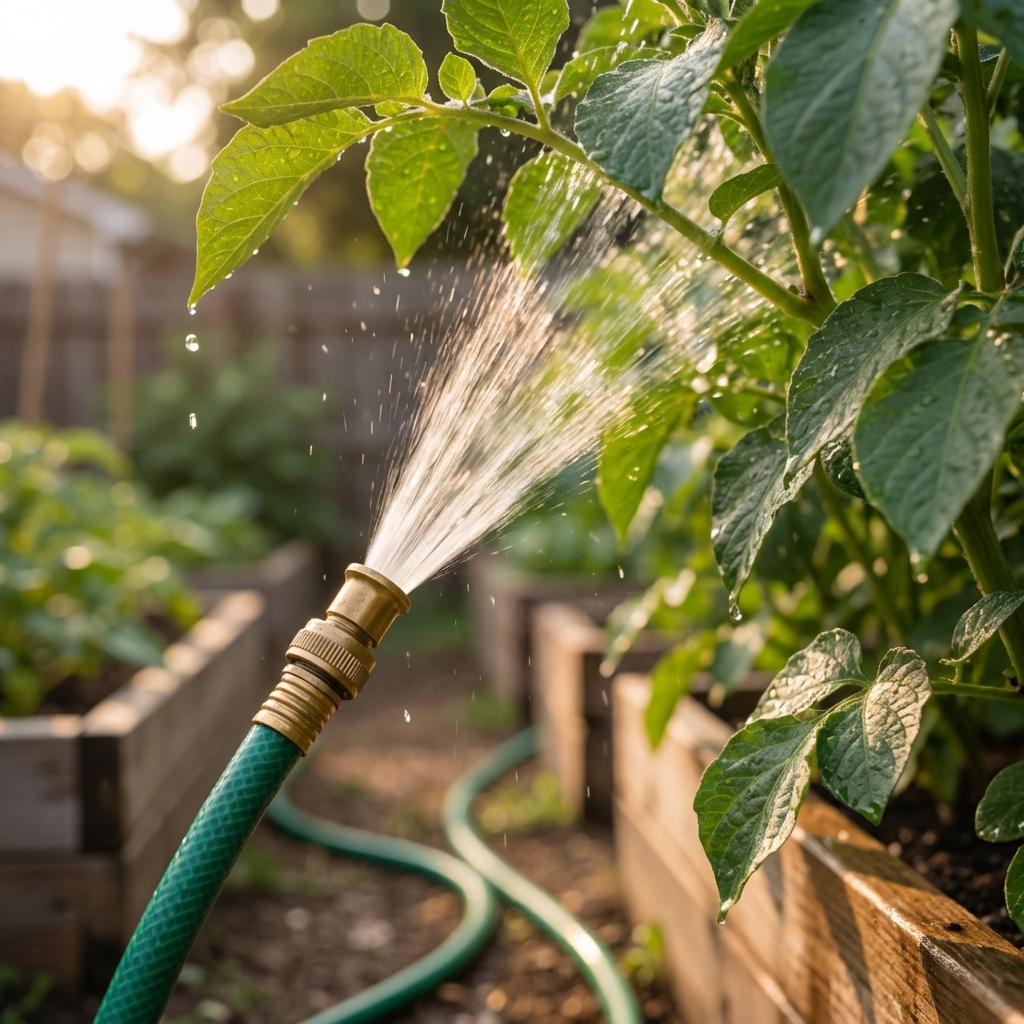
1) Strong water spray (the best first step)
This is simple but surprisingly effective, especially early on. A strong spray physically removes mites and webs, and it instantly reduces numbers before you apply anything else.
- Spray the undersides of leaves first. That is where mites hang out.
- Use a hose nozzle outdoors, or a sink sprayer/shower for houseplants.
- Repeat 2 to 3 times per week until damage stops spreading.
2) Soap and water spray (a practical contact option)
Soaps work by breaking down the outer protective layer of soft-bodied pests. They must contact the mite to work, so coverage matters.
Simple mix: 1 teaspoon of mild liquid soap per 1 quart of water.
- Use a mild soap. Avoid heavy degreasers, bleach-containing products, and strongly scented formulas.
- DIY soaps vary a lot. If you have sensitive plants (or you have already had leaf burn), a labeled insecticidal soap is usually safer and more reliable.
- Spray tops and undersides of leaves until evenly wet, just to the point of runoff.
- Test on a few leaves first, especially on tender plants.
- Avoid spraying drought-stressed plants. Water first, then treat later when the plant is perky.
- Reapply every 4 to 7 days for 3 to 4 rounds.
Tip: Spray in the early morning or late evening. Midday sun plus wet leaves can increase leaf burn on sensitive plants.
3) Neem (best when you can stay consistent)
Neem can help, especially products that contain azadirachtin, by interfering with feeding and reproduction. Results vary by product, so follow the label closely and treat it as part of a routine rather than a quick fix.
- Follow label directions for dilution. Avoid over-concentrating. Stronger is not better with oils.
- Coat the underside of leaves thoroughly.
- Repeat every 7 days for a few cycles.
Heads up: Avoid applying oils during high heat or on drought-stressed plants. Water the plant first, then treat when temperatures are milder.
4) Rubbing alcohol spot treatment (for houseplants only)
If mites are concentrated on a few leaves or stems, a targeted wipe-down can help without soaking the whole plant.
- Use a cotton pad or soft cloth lightly dampened with 70% isopropyl alcohol.
- Wipe leaf undersides and stems where you see webbing.
- Test on a small area first. Some plants hate alcohol (especially very tender foliage).

5) Horticultural oil or insecticidal soap (still “home gardener friendly”)
If you want a ready-to-use option with predictable results, these products are often more consistent than DIY mixes. They are still low-impact when used correctly and they are widely available.
- Spray for full coverage, especially under leaves.
- Repeat as directed. Most labels recommend multiple applications.
- Do not mix oils and sulfur products or spray too often. Follow the label to avoid plant injury.
Growing tips that make remedies work better
This is the part many gardeners skip. If conditions stay perfect for mites, you will keep treating forever. A few small changes usually cut repeat outbreaks dramatically.
Raise humidity for houseplants
- Group plants together to create a slightly more humid microclimate.
- Use a small humidifier nearby, especially in winter heating season.
- Rinse dusty leaves every couple of weeks so sprays can actually reach pests.
Note: Humidity helps slow spider mites down, but it will not solve an active infestation by itself. Think of it as support for your treatments.
Keep plants evenly watered
Water stress is like rolling out a welcome mat for mites. Aim for steady moisture rather than big swings.
- Mulch garden beds to reduce drying and heat stress.
- Water deeply when the top few inches of soil dry out, rather than frequent shallow watering.
Improve airflow
Stagnant corners and crowded growth make it easier for mites to spread unnoticed.
- Thin crowded stems on tomatoes, peppers, beans, and cucumbers when foliage becomes dense.
- For indoor plants, a gentle fan can help, but do not point it directly at plants all day.
Clean up around houseplants
- Wipe down windowsills, shelves, and the outside of pots where dust collects.
- Check nearby plants, especially ones with touching leaves.
- After treatment, rinse or replace drip trays and saucers that collect runoff.
Beneficial predators (an optional boost)
Outdoors and in greenhouses, beneficial predators can be a great add-on, especially if mites keep returning.
- Predatory mites: Phytoseiulus persimilis (fast knockdown in warm conditions) and Neoseiulus californicus (tolerates a wider range of conditions) are commonly used.
- Important: Broad-spectrum sprays can kill these helpers. If you plan to release beneficials, avoid residues that would harm them and follow supplier guidance.
A realistic treatment schedule
If you want a plan that works for most home growers, use this simple loop:
- Day 1: Strong water spray (undersides). Remove the worst leaves if heavily damaged.
- Day 2: Apply soap spray or insecticidal soap for contact control.
- Day 5 to 7: Repeat water spray and reapply treatment.
- Week 2 and 3: Continue every 5 to 7 days until new growth stays clean.
Keep checking the undersides of leaves. When you stop seeing live mites and the stippling is no longer spreading, you are on the right track. Old damage will not “heal,” but the plant should start producing healthy new growth.
When to prune, isolate, or restart
Prune when
- Leaves are badly bronzed or crisp, or covered in webbing.
- Damage is concentrated on a few stems you can remove without harming the plant.
Isolate when (houseplants)
- You see mites on more than one plant.
- The plant sits close to others and leaves touch.
Consider restarting when
- A small annual plant is heavily infested and not worth weeks of treatment.
- The infestation keeps returning because the environment is consistently hot and dry and you cannot change that.
Prevent mites from coming back
- Inspect new plants: quarantine for 7 to 14 days, check leaf undersides.
- Wash leaves: a quick rinse every couple of weeks prevents dust buildup.
- Avoid over-fertilizing: very lush, tender growth can attract pests and is easier to damage.
- Protect beneficials outdoors: avoid broad-spectrum insect sprays that wipe out predatory mites and other helpful insects.
Safety notes (worth reading)
- Always test any spray on a few leaves first and wait 24 hours for signs of burn.
- Do not spray oils during high heat or direct intense sun.
- Keep DIY mixes mild. Strong solutions can cause more plant damage than mite damage.
- If you are treating edible plants, rinse produce and follow any label directions for store-bought products.
Quick FAQ
Will vinegar kill mites?
Vinegar is more likely to damage leaves than solve a mite problem. Stick with water sprays, soaps, or labeled products.
Does dish soap work the same as insecticidal soap?
Not always. Insecticidal soap is formulated to be effective while reducing plant burn risk. Mild dish soap can work in a pinch, but it varies by brand, so keep it diluted and test first.
How long until mites are gone?
Expect at least 2 to 3 weeks of consistent treatment and monitoring. The goal is to stop new damage and see clean new growth.

Jose Brito
I’m Jose Britto, the writer behind The Country Store Farm Website. I share practical, down-to-earth gardening advice for home growers—whether you’re starting your first raised bed, troubleshooting pests, improving soil, or figuring out what to plant next. My focus is simple: clear tips you can actually use, realistic expectations, and methods that work in real backyards (not just in perfect conditions). If you like straightforward guidance and learning as you go, you’re in the right place.