Rats follow food, water, and shelter first. Scents can still help, but only as a support tool that makes your yard, shed, or compost area less comfortable. The key is using the right smells, putting them in the right places, and refreshing them often.
Below are scents that are commonly recommended in DIY and eco-friendly pest-control guides, plus simple ways to apply them without turning your garden into a perfume factory.
First, a quick reality check
Rats have incredible noses, and strong odors can irritate them. Still, research and real-world results are mixed. If a rat has a steady food source, a cozy nest, or an easy entry point, it may tolerate unpleasant smells.
- Best use case: discouraging rats from exploring new areas, entering sheds, or traveling along a fence line.
- Weak use case: forcing a well-established colony to move out on scent alone.
If you are seeing droppings daily, hearing scratching in walls, or noticing chewed wiring or insulation, treat scents as a short-term layer while you fix access and food.
Top scents that may help repel rats
Think of these as deterrents that can help in the right setup, not guaranteed stand-alone solutions.
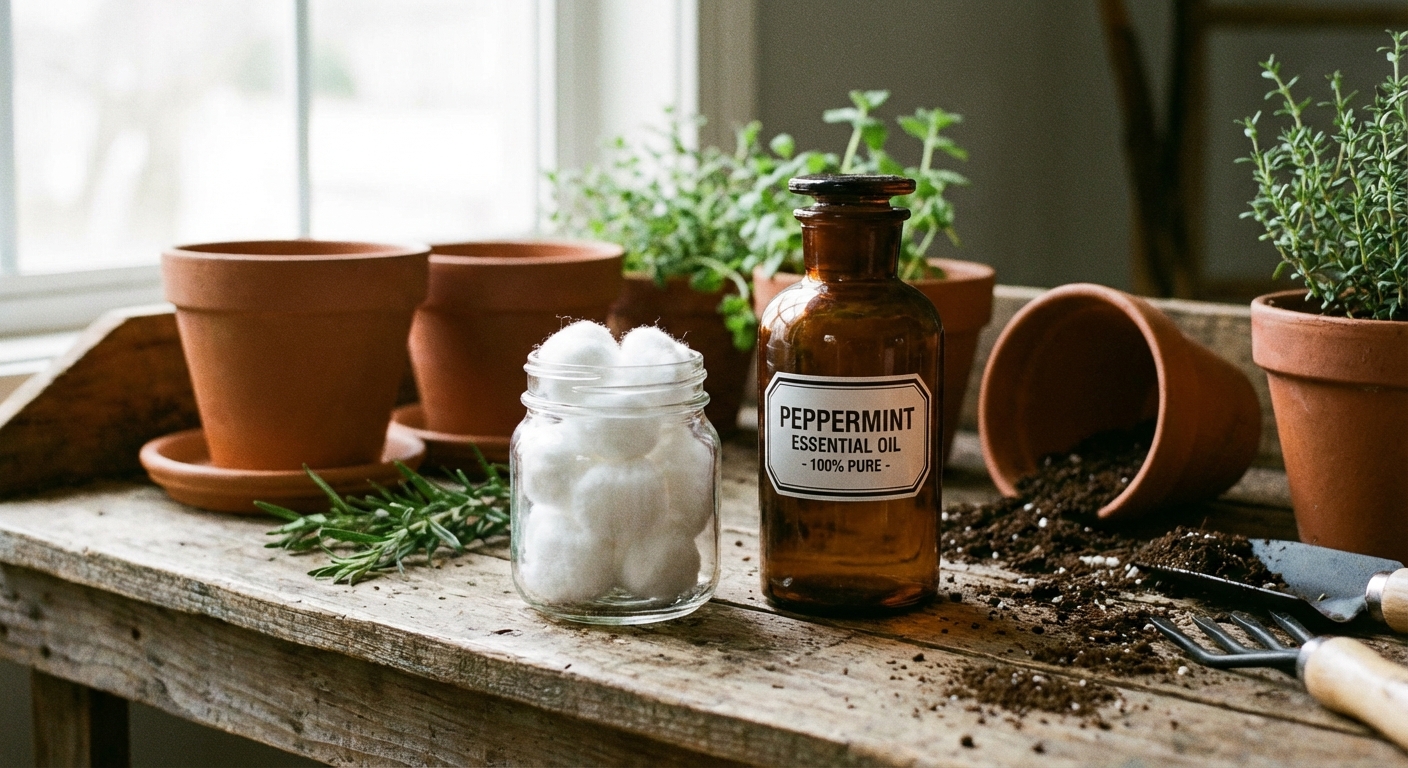
Peppermint oil
Peppermint is one of the most popular deterrent scents because it is sharp and persistent. It tends to work best along travel routes where rats brush past surfaces.
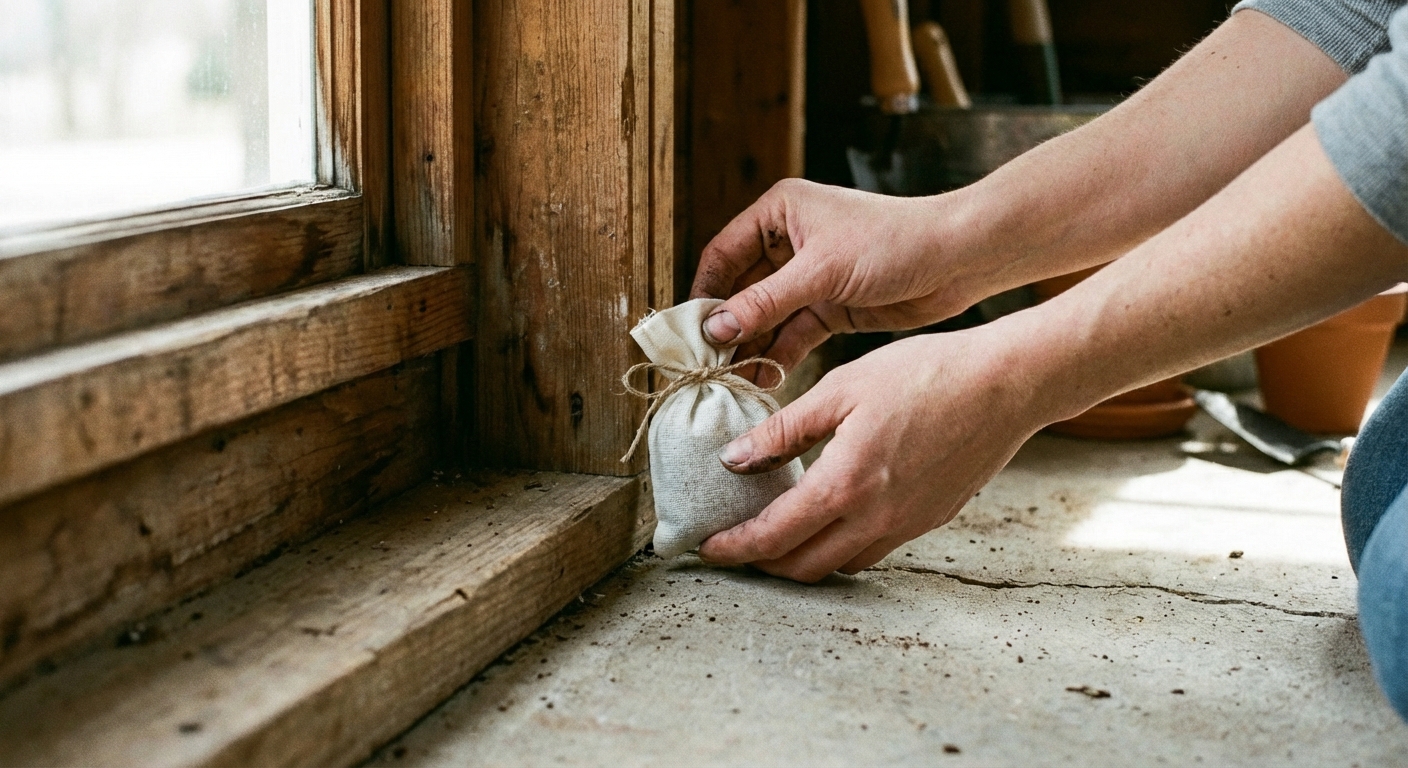
- How to use: Soak cotton balls with 10 to 15 drops of peppermint oil and place them in small dishes or breathable sachets.
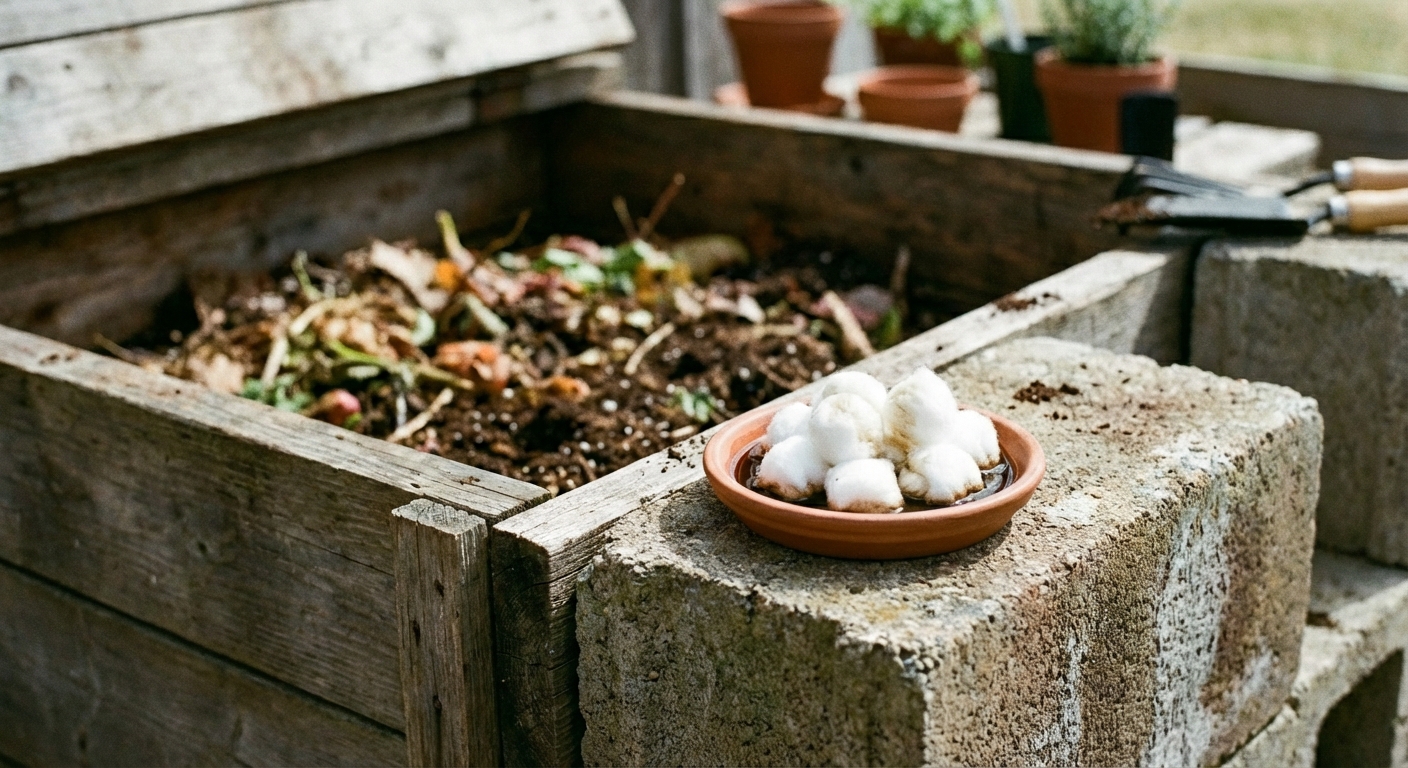
- Where to place: Behind appliances, near garage corners, around compost bins, and near suspected entry points.
- Refresh: Typically every 2 to 3 days outdoors, and about weekly indoors (sooner with heat, airflow, or strong sunlight).
Eucalyptus oil
Eucalyptus has a strong, medicinal scent that many rodents seem to avoid. It can be a useful rotation option if peppermint fades fast in your conditions.
- How to use: Cotton balls or a diluted spray (details below).
- Where to place: Under decks, near crawlspace vents, and along fence lines.
- Refresh: Similar to peppermint, and more often outdoors after rain or heavy dew.
Citronella (outdoors only)
Citronella is best known for insects, and it may help discourage rodents in some outdoor situations. Consider it a perimeter helper, not a primary tool.
- How to use: Outdoor-only sachets or a diluted spray.
- Where to place: Patio edges, near trash can storage, and along the perimeter of beds.
- Refresh: Reapply often, especially after heat, sun, or rain.
Cedar (chips or cedarwood oil)
Cedar is a classic “storage” scent. It may help in sheds and garages, especially when paired with locked-down food storage.
- How to use: Cedar chips in breathable bags, or cedarwood oil on cotton balls.
- Where to place: Cabinets in sheds, around storage bins, and near wall gaps.
Clove and cinnamon (use carefully)
Clove and cinnamon have intense, spicy aromas. They can help in small, targeted areas but can be irritating to people and pets if overused.
- How to use: Very small sachets placed out of reach, not broadcast across a whole room.
- Where to place: Single entry points or tiny voids you can monitor.
DIY scent recipes that hold up better
Essential oil cotton ball method (best for tight spots)
- Use 3 to 6 cotton balls per area.
- Add 10 to 15 drops of oil per cotton ball.
- Place in a shallow dish or a small jar with holes in the lid.
Tip: If the scent has faded for you at the placement spot, it has likely diminished overall. Refresh it, especially in warm, breezy, or damp areas.
Simple spray for hard surfaces (not for edible plants)
This works on concrete, wood, metal, plastic bins, and around entry points.
- 1 cup water
- 1 teaspoon unscented castile soap (helps oil mix)
- 15 to 25 drops peppermint or eucalyptus oil
Shake well and spray lightly. Reapply every few days, and after rain.
Do not spray directly on leafy greens, herbs, berries, or anything you plan to eat. Essential oils are concentrated and not meant for direct food contact.
Scent barrier ring around problem zones
If rats are traveling from a fence to a compost bin, treat the route like a hallway and scent it in segments:
- Place cotton balls or sachets every 6 to 10 feet.
- Focus on corners, gaps, and where pipes or boards create cover.
- Rotate scents every 1 to 2 weeks (peppermint to eucalyptus to cedar).
Where scents work best
Placement beats product. Rats prefer edges and protected pathways, so that is where your scent needs to be.
- Near entry points: where pipes enter walls, under doors, at garage door corners, around dryer vents.
- Along runways: fence lines, the base of walls, under hedges, behind stacked lumber.
- Food storage areas: pet food, birdseed bins, chicken feed, compost access doors.
- Nesting spots: sheds with clutter, under decks, piles of leaves or brush.
Eco-friendly steps that make scents work better
1) Remove the easy meals
- Store birdseed and pet food in hard plastic or metal bins with tight lids.
- Bring pet bowls in at night.
- Use a compost bin with a secure latch, and avoid adding greasy scraps.
2) Cut off water
- Fix leaky spigots and dripping irrigation.
- Dump standing water in trays and buckets.
3) Reduce cover
- Trim dense groundcover near foundations.
- Keep grass and weeds down along fence lines.
- Move wood piles up off the ground and away from the house.
4) Seal gaps (the real repellent)
If rats can fit in, they will. As a practical rule, adult rats can squeeze through openings around 1/2 inch in some situations, so treat small gaps seriously.
- For small holes: pack with copper mesh or steel wool and seal with a proper exterior sealant.
- For larger openings: use 1/4-inch hardware cloth and screws.
Safety notes
Eco-friendly does not automatically mean harmless. Essential oils are concentrated.
- Keep oils and soaked cotton balls out of reach of children and pets.
- Cats are especially sensitive to many essential oils. If you have cats, use physical barriers first and keep scented materials contained and inaccessible.
- Avoid placing strong scents near pet bedding, litter boxes, or small animal enclosures.
- Do not use scent methods in a way that could contaminate edible crops.
- Keep scented cotton and sprays away from heat sources (heaters, pilot lights, grills) and avoid using them in tight, unventilated spaces.
- Some pets will chew or carry cotton balls. Use jars with vent holes or enclosed sachets when possible.
How to tell if it is working
Scents are easy to apply, but they are also easy to over-credit. Add quick monitoring so you can tell if you are making progress:
- Check for new droppings, fresh gnawing, or greasy rub marks along walls and fence lines.
- Use a light dusting of flour or talc along suspected runways for one night to look for tracks (keep it away from pets and moisture).
- Reposition scents to the actual travel edges and refresh more often if the area is warm, windy, or damp.
Often recommended, but disappoint
- Mothballs: Not eco-friendly, can be harmful, and are often misused outdoors.
- Ammonia: Strong smell, but it is unpleasant and can irritate lungs. Not a reliable long-term fix.
- Ultrasonic plug-ins: Mixed results in real homes because sound does not travel through walls and clutter well.
If rats are already inside
If you suspect rats in walls, attic, or crawlspace, scents alone will not solve it. Use this sequence:
- Confirm activity: droppings, rub marks, gnawing, nighttime noises.
- Set traps: quick-kill snap traps placed along walls and in corners (where they travel). Avoid poison baits in most home settings due to risks to pets and wildlife.
- Seal after the catch: close entry points only after you stop activity so you do not trap animals inside.
- Then use scents: to discourage re-entry and exploration.
When to call a pro
- Repeated indoor activity for more than a few days despite trapping and sealing.
- Multiple entry points you cannot access safely (rooflines, crawlspaces, attic eaves).
- Signs of nesting in insulation, ducts, or wall voids.
- You are finding rats active in daylight, or you see multiple rats at once.
Quick FAQ
How long do essential oil repellents last?
Indoors, about a week is common. Outdoors, plan on refreshing every 2 to 3 days, and always after rain or heavy dew. Heat, sun, and airflow can shorten that window.
Can I plant herbs to repel rats?
Mint, lavender, and rosemary can add background scent, but planted herbs rarely create a strong enough barrier by themselves. Think of them as a helpful bonus, not your main defense.
What is the best combo?
A strong scent (peppermint or eucalyptus) plus food control plus sealing gaps. If you only do one thing, seal entry points and lock down food.

Jose Brito
I’m Jose Britto, the writer behind The Country Store Farm Website. I share practical, down-to-earth gardening advice for home growers—whether you’re starting your first raised bed, troubleshooting pests, improving soil, or figuring out what to plant next. My focus is simple: clear tips you can actually use, realistic expectations, and methods that work in real backyards (not just in perfect conditions). If you like straightforward guidance and learning as you go, you’re in the right place.