Fleas are tiny, but they hit hard. One day you notice a pet scratching, the next you are finding bites on your ankles and wondering how it got this bad so quickly. The frustrating part is that most of the problem is not the fleas you can see. It is the eggs, larvae, and pupae hiding in carpet fibers, pet bedding, and cracks along baseboards.
This guide focuses on quick home remedies that help right now, plus a realistic plan to break the flea life cycle. You will also see what to skip, because a few popular DIY tricks waste time or can irritate pets.
Know the enemy: why fleas keep coming back
If you do not account for the flea life cycle, you will keep treating the same problem over and over. Here is the basic breakdown:
- Adult fleas live on pets and bite people. This is the part you notice.
- Eggs fall off the pet into carpets, couches, pet beds, and cracks.
- Larvae hatch and hide in dark, protected spots, feeding on organic debris.
- Pupae spin a cocoon and can wait weeks (sometimes longer) before emerging, especially if the home is quiet.
That last stage is why you might clean like crazy, see fewer fleas for a week, then suddenly get a “new wave.” The goal is to keep pressure on the whole cycle for at least 2 to 4 weeks, and longer if fleas keep showing up.
Fast relief: what to do in the next 24 hours
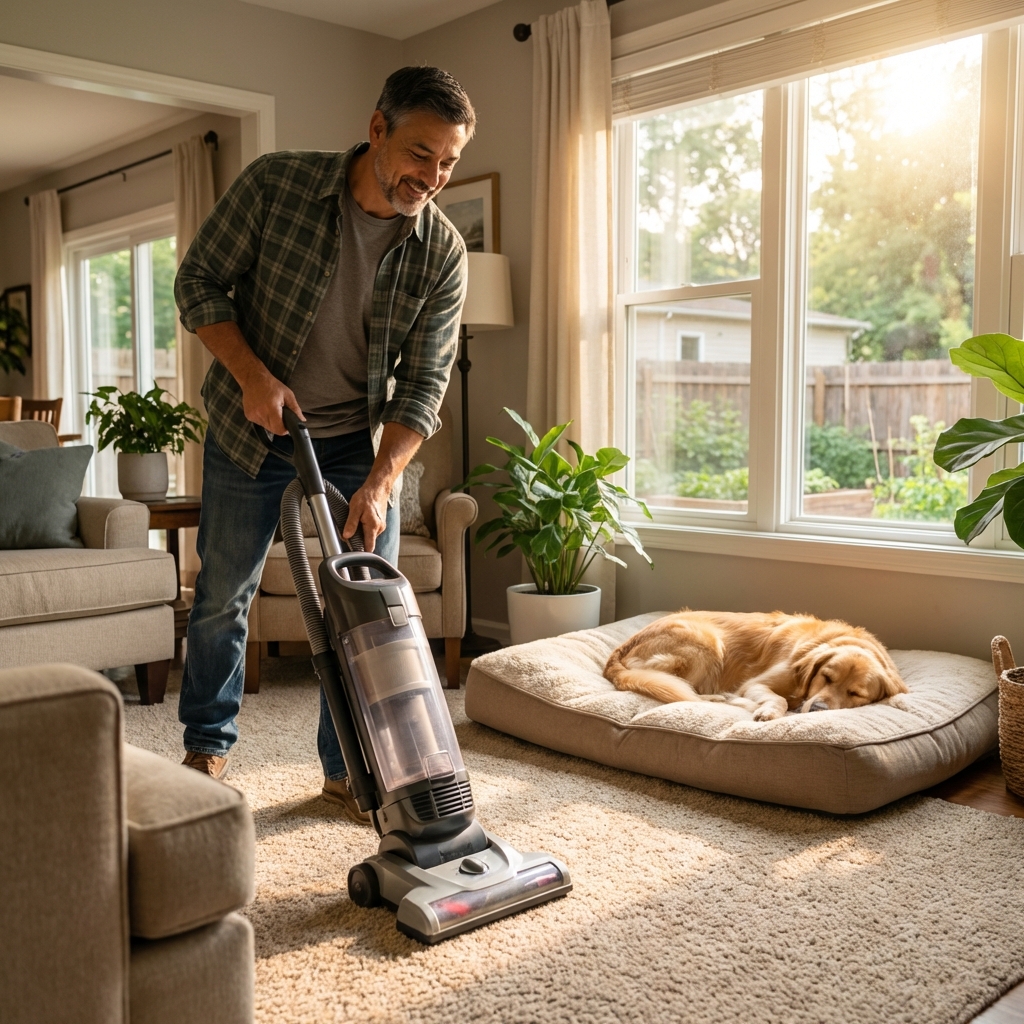
1) Vacuum like you mean it
Vacuuming is one of the quickest, most effective home actions because it removes eggs, larvae, and some adults. It can also encourage some pupae to emerge, which sounds bad until you realize it makes them vulnerable to the next round of cleanup.
- Vacuum carpets, rugs, and upholstery slowly, especially along edges and under furniture.
- Hit pet hangouts: under beds, near couches, around crates.
- Empty the canister outside right away, or remove the bag and seal it in a trash bag.
- Repeat daily for at least a week, then every other day for another 2 to 3 weeks.
2) Wash and heat-dry anything the pet touches
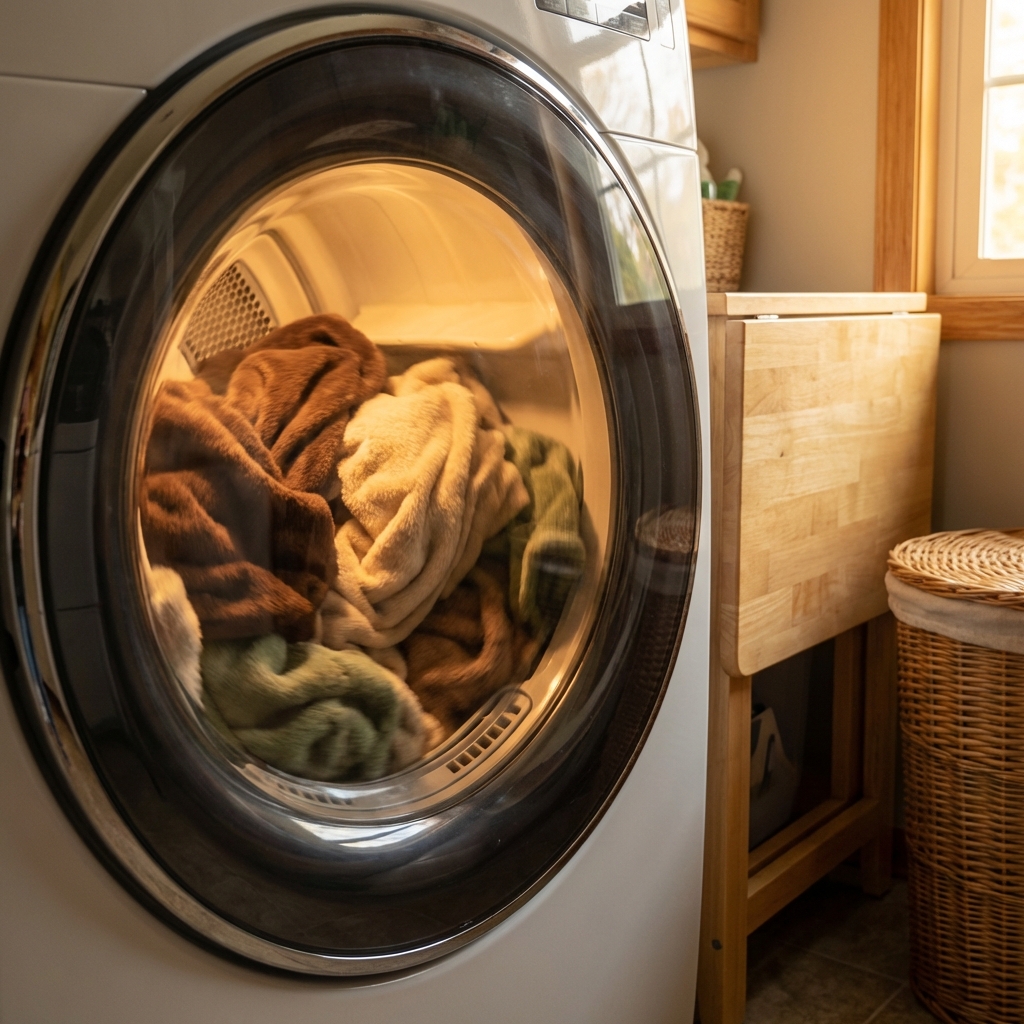
Heat is your friend. Wash pet bedding, blankets, throw covers, and washable rugs. Dry on high heat if the fabric allows.
- Wash: hot water when safe for the fabric.
- Dry: high heat for at least 30 to 45 minutes.
- Dryer-only items: for items that are dryer-safe but not washable, run them on high heat first.
- Non-washables: seal in a bag or container for 3 to 7 days while you keep vacuuming daily.
3) Quick pet check and a simple trap test
If your pet will tolerate it, do a fast once-over with a flea comb over a white towel. (For the full how-to and the daily routine, see the “Pet-focused help” section below.)
To see how active fleas are in a room, try a simple trap at night:
- Set a shallow bowl of warm water with a few drops of dish soap on the floor.
- Shine a small lamp toward it, or place it near a night light.
- Check in the morning for trapped fleas.
This does not solve an infestation alone, but it helps you confirm where flea activity is highest.
Home remedies that actually help (and how to use them)
Baking soda and salt for carpets (dry method)
A light sprinkle of fine salt and baking soda can help dry out larvae in carpet fibers, especially when paired with brushing and vacuuming. Results vary, so treat this as an optional support step, not a miracle cure.
- Mix equal parts fine salt and baking soda.
- Work it into carpets with a stiff brush.
- Let it sit 12 to 24 hours if you can.
- Vacuum thoroughly.
Humidity note: In very humid climates, salt can pull moisture from the air and make carpet feel damp. If your home runs humid, use a lighter dusting and shorten the sit time.
Safety note: Keep pets away while the powder sits, and avoid this if anyone in the home has asthma or sensitivity to dust.
Diatomaceous earth (food grade) used carefully
Food-grade diatomaceous earth can damage insects by drying them out. It can help in cracks and along edges, but it must be used with caution because the dust is irritating to lungs.
- Choose food grade, not pool grade.
- Apply a very thin layer to baseboards, under furniture, and in floor cracks.
- Leave for 24 to 48 hours, then vacuum.
Do not puff it into the air or apply it where kids and pets will be rolling around. If anyone has respiratory issues, skip this and focus on vacuuming and washing instead.
Soap and water for hard floors
For tile, vinyl, sealed wood, and other hard surfaces, a simple mop with warm water and a small amount of dish soap can help remove fleas you miss and the debris larvae feed on. Focus on pet routes and resting spots.
Steam for upholstery and carpet edges
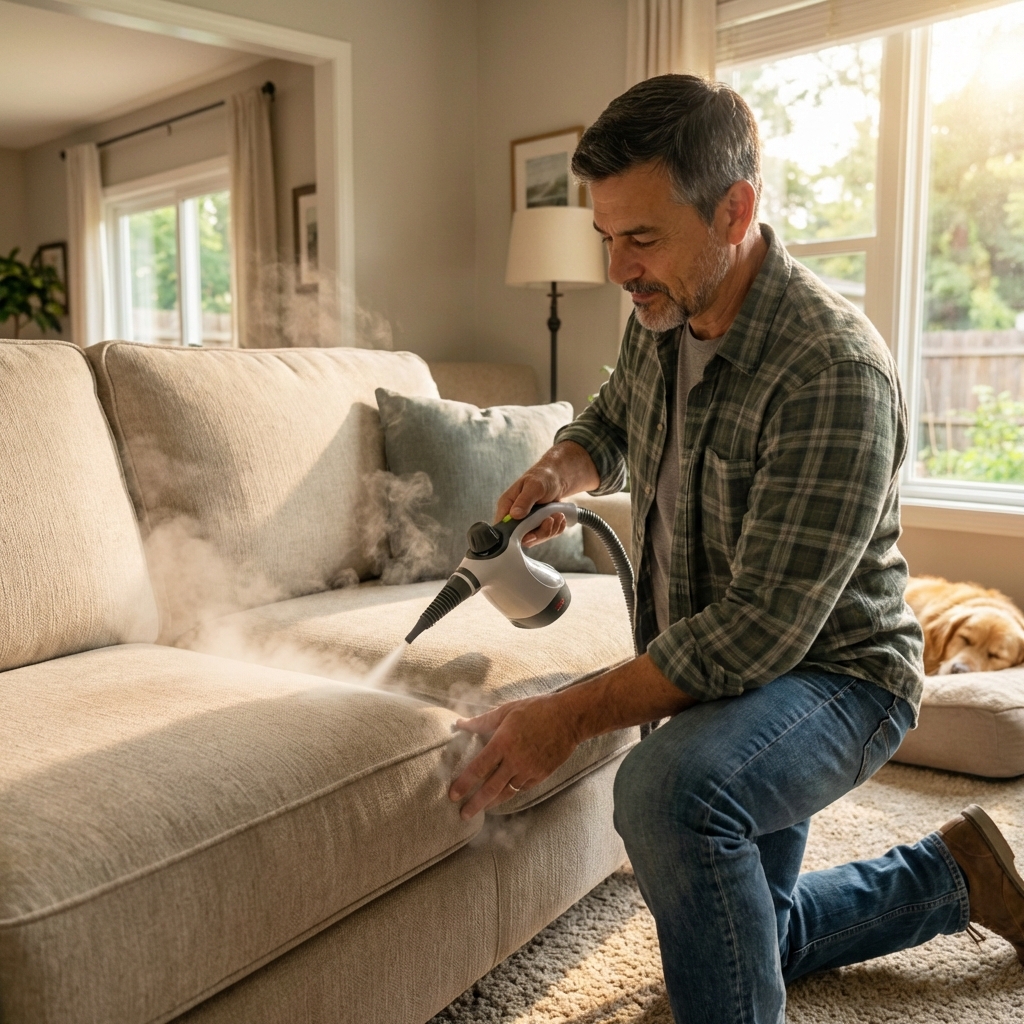
Steam can help kill fleas on contact with heat, but only if you go slow enough for the heat to penetrate. It works best on upholstery seams, carpet edges, and pet beds that cannot be washed.
- Steam along baseboards and carpet edges.
- Steam couch cushions, especially seams and under cushions.
- Test a hidden spot first and avoid delicate materials that can be damaged by heat or moisture.
- Let everything dry completely to prevent mold.
One product note: IGRs make a big difference
If you are open to using an over-the-counter product, look for sprays labeled for indoor fleas that include an IGR (insect growth regulator) such as methoprene or pyriproxyfen. IGRs help stop eggs and larvae from developing, which is exactly what home infestations need. Always follow the label and keep pets and kids out of treated areas until it is fully dry.
Pet-focused help: what you can do at home
Your home remedies will struggle if adult fleas are still living on the pet. For many households, the fastest improvement comes from treating the pet and the house at the same time.
Important: Treat all pets in the home, even the ones that “do not seem itchy.” Fleas do not play fair, and untreated pets can keep the cycle going.
Flea combing (daily for a week)
Combing is low-tech but effective at removing adults and flea dirt. Do it outside if possible. Have a cup of warm soapy water ready to dunk the comb.
- Start at the neck and along the base of the tail, then work through the body.
- Wipe the comb on a white towel to spot flea dirt (black specks that turn reddish when wet).
- Dunk the comb in warm soapy water after every pass or two.
- Do a quick session daily for 7 days, then every other day while you keep vacuuming.
Bathing, but only when it makes sense
A gentle bath can knock down adult fleas on some pets. Use a pet-safe shampoo. For cats especially, bathing can be stressful and risky, so do not force it.
- Talk to your vet if you are unsure what is safe for your animal.
- Do not use essential oils on pets unless a veterinarian specifically instructs you to.
Vet-grade prevention is often the real “home remedy”
I know this guide is about DIY steps, but here is the plain truth: if fleas are established, most homes improve faster when you pair cleaning with a proven flea prevention product recommended by your vet. Home cleanup removes the hidden stages. Proper pet treatment removes the adults and stops reproduction.
Also ask your vet about tapeworm risk. Pets can get tapeworms by swallowing infected fleas, so it is another reason not to drag this out.
Yard and porch: quick outdoor steps
If pets go outside, you also want to reduce flea habitat outdoors. Fleas like shaded, humid spots with organic debris.
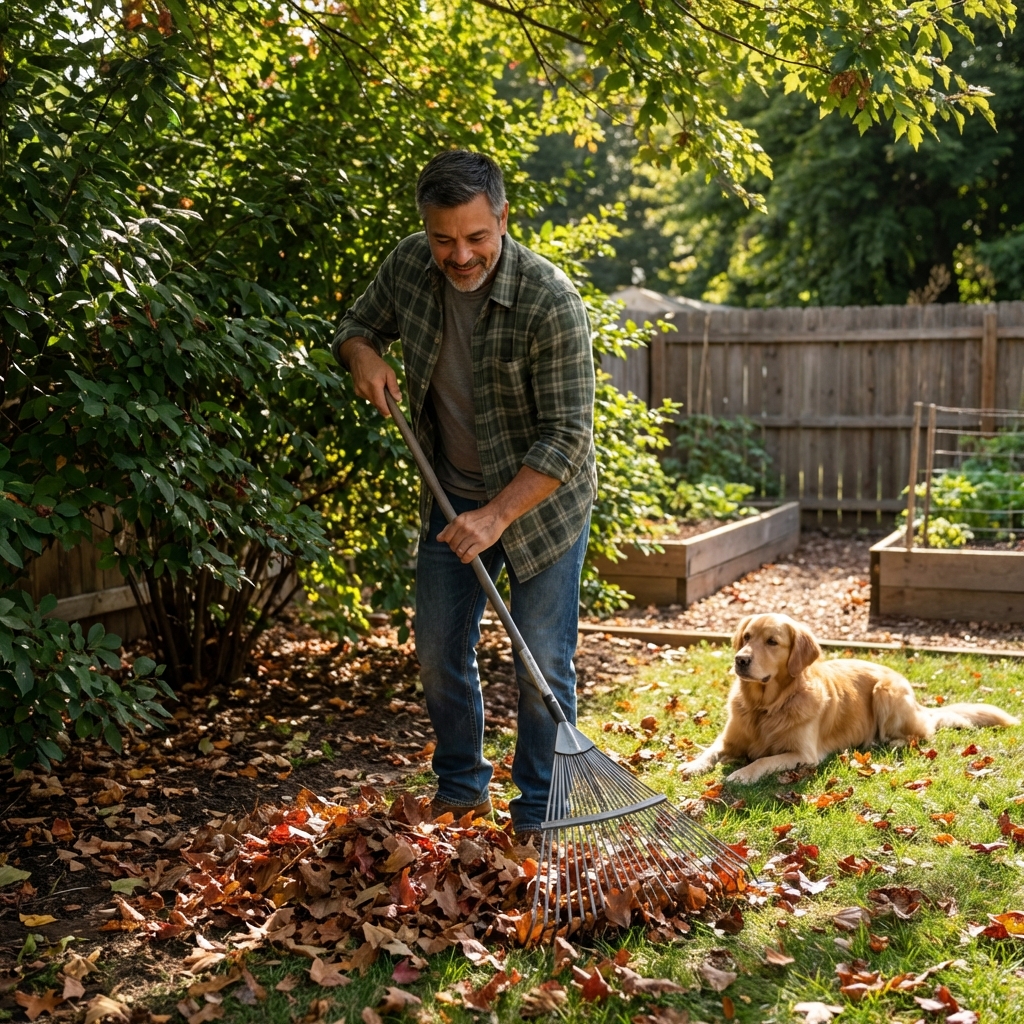
- Mow and tidy: keep grass shorter and remove leaf piles.
- Target shade zones: under decks, along fences, under shrubs, under porches.
- Wash pet outdoor beds: and avoid leaving blankets outside.
- Encourage sun and airflow: prune to open dense areas.
If you are dealing with heavy outdoor pressure, consider beneficial nematodes as a garden-friendly option. Use a product labeled for fleas (often Steinernema carpocapsae or Steinernema feltiae), apply as directed, keep soil moist, and apply out of direct sun for best results.
Home remedies to avoid
Some popular ideas sound natural but can cause problems or simply do not work well enough to matter.
- Essential oils on pets: many are toxic to cats and irritating to dogs. Tea tree oil is a common culprit.
- Garlic or “flea-repelling” foods: toxic to both cats and dogs and unreliable as flea control.
- Alcohol sprays: flammable and can damage surfaces. Also not a good whole-home strategy.
- Overusing powders: heavy layers of anything dusty can irritate lungs and do not replace vacuuming.
A simple 2-week flea knockout plan
If you like a checklist, this is a realistic routine that works for many households.
Days 1 to 3
- Start or continue vet-recommended flea treatment for all pets in the home.
- Vacuum daily (carpets, edges, upholstery).
- Wash and heat-dry pet bedding and blankets.
- Flea-comb the pet once per day.
- Mop hard floors and wipe baseboards where dust collects.
Days 4 to 14
- Keep pet treatment consistent and on schedule.
- Vacuum every other day, minimum.
- Rewash pet bedding weekly, more often if fleas are heavy.
- Use steam weekly on upholstery seams and carpet edges if available.
- Keep clutter down so you can reach floor edges.
Expect to see improvement in the first week, but do not stop early. Pupae can hatch later and make it feel like the problem returned out of nowhere.
When to call a pro or your vet
Home remedies have limits. Get help if:
- Your pet seems lethargic, pale-gummed, or is scratching to the point of sores.
- You have a very young, elderly, pregnant, or medically fragile pet.
- Fleas persist after 3 to 4 weeks of consistent cleaning and pet treatment.
- Someone in the home is reacting strongly to bites or has skin infections.
A veterinarian can recommend safe flea treatment for your specific pet. A reputable pest control professional can help when the infestation is widespread or when you cannot keep up with the cleaning cycle.
Quick FAQ
How long does it take to get rid of fleas with home remedies?
Usually 2 to 4 weeks of consistent vacuuming and washing, sometimes longer if pupae are abundant, emergence is delayed, or pets are not treated effectively.
Do fleas live in beds?
They can, especially if pets sleep there. Focus on washing bedding and vacuuming mattresses and bed frames, especially along seams and edges.
Will vinegar kill fleas?
Vinegar is not a reliable flea killer. It may have mild repellent effects in some situations, but it does not replace cleaning and proper pet treatment.
What helps flea bites on people?
Wash with soap and water, avoid scratching, and consider an over-the-counter anti-itch option like hydrocortisone cream or an oral antihistamine if you can take it safely. Seek medical care if you have signs of infection, severe swelling, hives, or trouble breathing.

Jose Brito
I’m Jose Britto, the writer behind The Country Store Farm Website. I share practical, down-to-earth gardening advice for home growers—whether you’re starting your first raised bed, troubleshooting pests, improving soil, or figuring out what to plant next. My focus is simple: clear tips you can actually use, realistic expectations, and methods that work in real backyards (not just in perfect conditions). If you like straightforward guidance and learning as you go, you’re in the right place.